 Qiang Huang
Where This Route Goes
Two hours. That is the entire gap between Beijing's noise and Shandong's slower rhythm.
I have walked this line with families, with solo backpackers, and once with a retired couple hauling four suitcases through Jinan West at eleven at night. The mistakes repeat themselves. People build a Beijing to Shandong itinerary around flights, then lose half a day to airport queues and taxi lines. The G-trains quietly beat them every single time.
Here is the part nobody warns you about — the 12306 booking system will reject your passport details if your name is typed in the wrong order, and you will not find that out until you are standing in Beijing South with a dying phone.
So take the conclusion first: ride the rails, sleep in Tai'an the night before Mount Tai, and give Qingdao two nights minimum. Everything below is how to actually pull that off.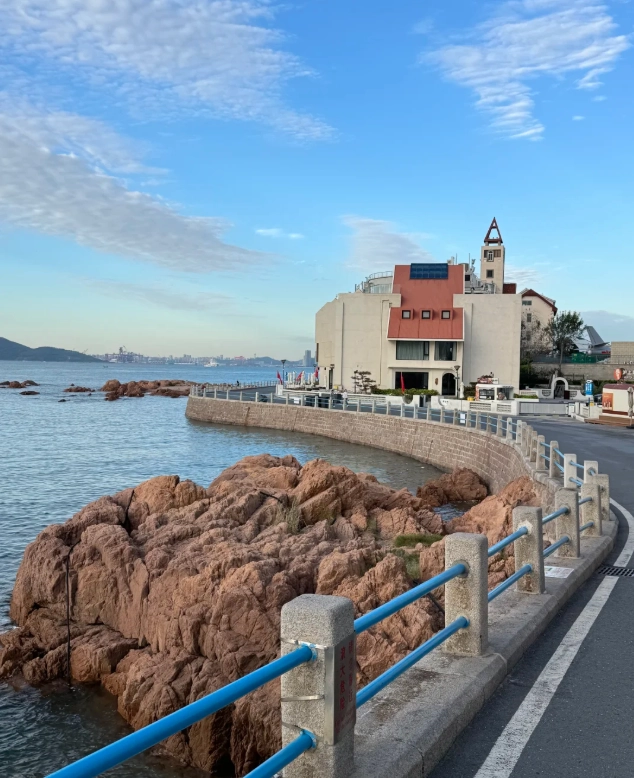
Why the Train Beats Flying on This Route
Shandong sits roughly 400 to 700 kilometres southeast of Beijing, and the high-speed network turns that distance into a morning. I stopped putting clients on planes here years ago. Not because flying is dangerous or unpleasant — because the arithmetic never works out once you count the airport hours.
Beijing Capital and Daxing are both far from the centre. You leave your hotel two and a half hours before a domestic departure, land, then take another 45 to 60 minutes to reach a city centre. The train does the whole thing faster and drops you at street level.
| Option | Door-to-Door Time | Rough Cost Per Person | Best For |
|---|---|---|---|
| High-speed G train, Beijing South to Jinan West | 4 to 4.5 hours | 190 to 230 RMB second class | Almost everyone |
| Flight, Beijing Capital or Daxing to Jinan Yaoqiang | 5.5 to 7 hours | 600 to 1,200 RMB | Travellers already near an airport |
| Overnight sleeper to Qingdao | 9 to 11 hours | 250 to 450 RMB | Budget travellers who sleep anywhere |
| Private car with driver | 7 to 9 hours | 1,800 to 2,500 RMB per vehicle | Groups of three or more with luggage |
Pro Tip: Beijing has several railway stations and they are nowhere near each other. Most Jinan and Qingdao trains leave from Beijing South, but a handful of services use Beijing Chaoyang. Read the Chinese station name printed on your ticket before you order a car — I have watched a client miss a train because he confidently told the driver "Beijing station" and ended up at Beijing West.
How Do You Book Beijing to Shandong Train Tickets With a Foreign Passport?
Book on Trip.com if you want zero friction, or on the official 12306 platform if you want to save the service fee — both accept passports, but they behave very differently in practice. Your passport is your ticket. There is no paper ticket to collect at most stations anymore; you tap the passport at the manual gate and walk through.
The Passport Name Trap on 12306
Your name must match the passport exactly, with surname and given names in separate fields and no punctuation. The system is unforgiving about this. If your passport reads "SMITH JOHN DAVID" and you enter "John David Smith" in the surname box, the booking may go through and the gate may still refuse you.
Second trap: verification. Some foreign passports need manual verification before your first purchase. If the app shows a pending status, arrive 40 minutes early and use the staffed counter. The self-service machines read Chinese ID cards and will not help you.
The official English-language booking channel is China Railway 12306, and it is genuinely usable in English now. Alipay and WeChat Pay work. International cards sometimes fail, which is the single most common reason I see people give up and switch to an agent.
Which Beijing Station Do You Actually Need?
- Beijing South — the workhorse. Most G trains toward Jinan, Tai'an and Qingdao.
- Beijing Chaoyang — a few northeast and coastal services; modern, quieter, easier to navigate.
- Beijing West — mainly central and southern routes. Do not assume your Shandong train leaves here.
- Beijing Fengtai — rebuilt and enormous; check carefully if your booking says this.
Trip.com or 12306: Which Should a Foreigner Use?
| Platform | Service Fee | English Support | Payment | My Verdict |
|---|---|---|---|---|
| 12306 official | None | Good, slightly clunky | Alipay, WeChat Pay, sometimes international cards | Cheapest, best for confident travellers |
| Trip.com | Small per-ticket fee | Excellent | International cards accepted | What I recommend to first-timers |
| Klook | Varies | Excellent | International cards accepted | Fine, but weaker rail inventory |
The 7-Day Beijing to Shandong Itinerary, Stop by Stop
This route runs Jinan, Tai'an, Qufu, then Qingdao — a straight line east that never doubles back. Book the long legs in advance and leave the short hops flexible, because there are dozens of departures a day between Jinan and Tai'an.
| Leg | Ride Time | Approx Second-Class Fare | Notes |
|---|---|---|---|
| Beijing South to Jinan West | 1h 30m to 2h | 190 to 230 RMB | Departures every 20 to 30 minutes |
| Jinan to Tai'an | 20 to 30 minutes | 30 to 50 RMB | Some trains stop at Tai'an, others at Tai'an West |
| Tai'an to Qufu East | 30 to 45 minutes | 60 to 80 RMB | Qufu East is outside town, allow 25 minutes |
| Qufu East to Qingdao | 2h 30m to 3h | 200 to 250 RMB | Scenic run through the hills |
| Qingdao to Beijing South | 4h 30m to 5h 30m | 320 to 380 RMB | Sells out early on weekends |
Days 1 and 2: Jinan, the Spring City Everyone Skips
Jinan is where most itineraries stop looking interesting on paper and start being genuinely pleasant in reality. It is a working city, not a museum piece, and that is exactly why I like starting here.
Baotu Spring is the headline act. Entry is around 40 RMB and the gate opens early — I aim to be inside by 7:30, when the mist is still sitting on the water and the tour groups have not left their hotels. By 9:30 the same paths are shoulder to shoulder and the photos look like everyone else's photos.
Daming Lake is free to walk around, with boat rides costing extra. The north shore at golden hour is the shot you want, and hardly anyone bothers walking that far.
For food, Furong Street gets all the attention and all the crowds. Kuanhou Alley is where I actually eat — calmer, better prices, fewer people waving menus at you. Both are walkable from Quancheng Square.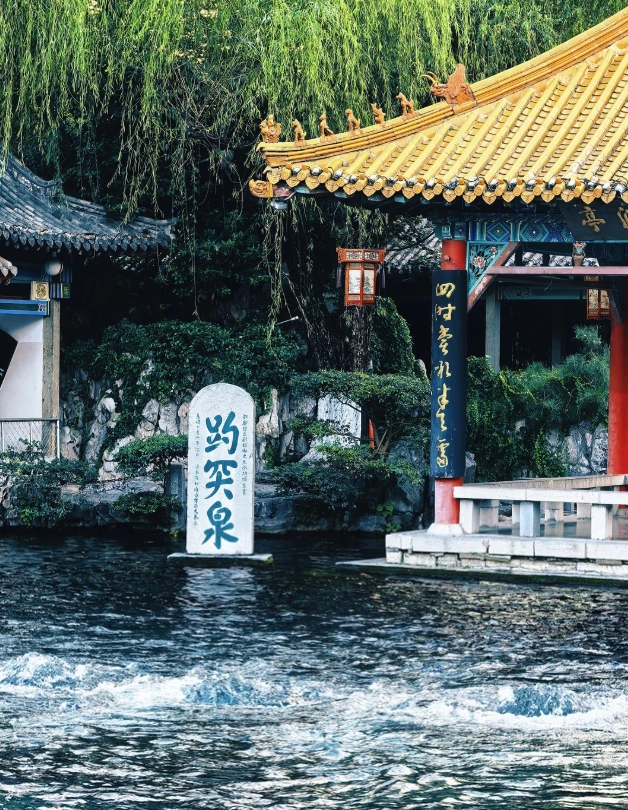
Insider Advice: Jinan's metro does not run close to Baotu Spring, so do not waste twenty minutes hunting for a station. A taxi from a downtown hotel costs roughly 15 RMB and takes ten minutes. Keep the park's Chinese name saved on your phone to show the driver.
Days 3 and 4: Tai'an and Mount Tai
Climb Mount Tai for the view, not for the sunrise — the sunrise is a lottery and the view is guaranteed. That sentence has saved more of my clients from disappointment than any other advice I give.
Ticket pricing shifts with the season and the entry gate, the cable car, and the shuttle bus are all charged separately. As a rough planning figure, budget somewhere around 115 to 130 RMB for entry plus roughly 100 RMB per cable car ride, and confirm the current numbers on the official WeChat account before you travel. Mount Tai holds a UNESCO World Heritage listing, and the cultural weight of the place is the real reason to come.
There are two sane ways up:
- The full hike — start at Red Gate, climb through the Eighteen Bends, reach South Heaven Gate in four to six hours. Brutal on the knees, unforgettable in the memory.
- The hybrid route — shuttle bus from Tianwaicun to the midway point, cable car to the top, then walk down through the Eighteen Bends so you still earn the views.
The summit runs 8 to 12 degrees colder than the city below and the wind is relentless. Rent one of the padded coats up top for a small deposit rather than hauling your own jacket up the mountain. And eat before you climb — the food stalls at the summit charge summit prices.
Back down in Tai'an, the Dai Temple at the foot of the mountain deserves an hour of your time and costs around 30 RMB. Most people skip it entirely, which is their loss.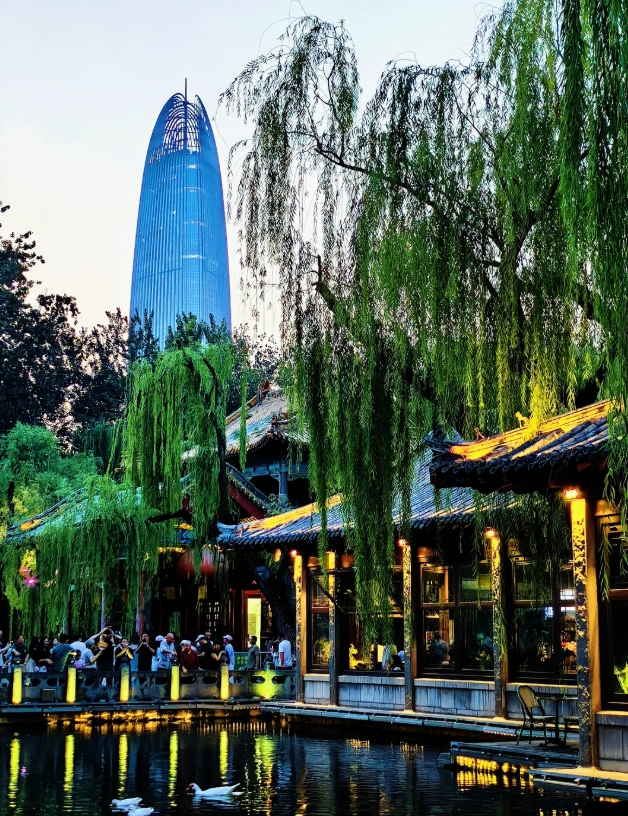
Day 5: Qufu and the Three Confucius Sites
Qufu is small, walkable, and the single best place in China to understand how one family stayed influential for two and a half thousand years. The Temple of Confucius, the Kong Family Mansion and the Cemetery of Confucius are jointly protected under the same UNESCO World Heritage designation.
A combined ticket for all three sites runs roughly 140 RMB and covers a full day comfortably. Buy at the main ticket hall with your passport.
The cemetery is about 1.5 kilometres north of the temple. Take a pedicab for around 10 to 15 RMB, or walk it in 25 minutes through streets that are far more interesting than the main tourist avenue.
Timing matters here. Coach groups hit the temple from about 10 a.m. Arrive at opening and you will have the main courtyards almost to yourself — I have stood alone in front of the Great Achievement Hall with nothing but birdsong around me.
Days 6 and 7: Qingdao, Beer and Bavaria by the Sea
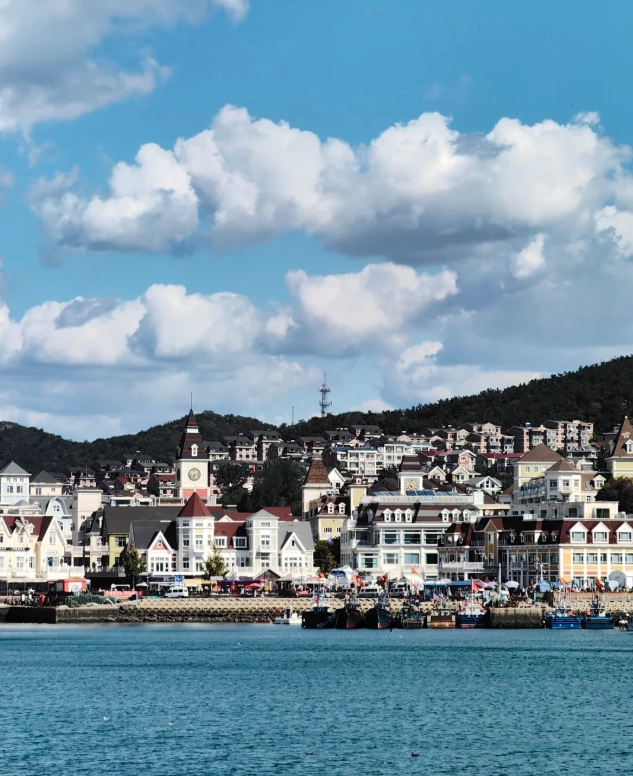
Qingdao is the reward at the end of this route, and two nights is the absolute minimum — three if you want a beach day. The German colonial architecture, the red-tiled roofs, and the cold beer sold in plastic bags at corner shops make this the most relaxed city on the itinerary.
- Zhanqiao Pier — free, iconic, and best before 8 a.m. Metro Line 3 stops at Qingdao Railway Station, a ten-minute walk away.
- St. Michael's Cathedral — around 10 RMB, closed to sightseers during services. The square outside is the better photo anyway.
- Badaguan — the Eight Great Passes. A quiet grid of villas and tree-lined roads; rent a bike or just wander.
- Tsingtao Beer Museum — roughly 60 RMB including tastings. Go in the late afternoon, not at noon.
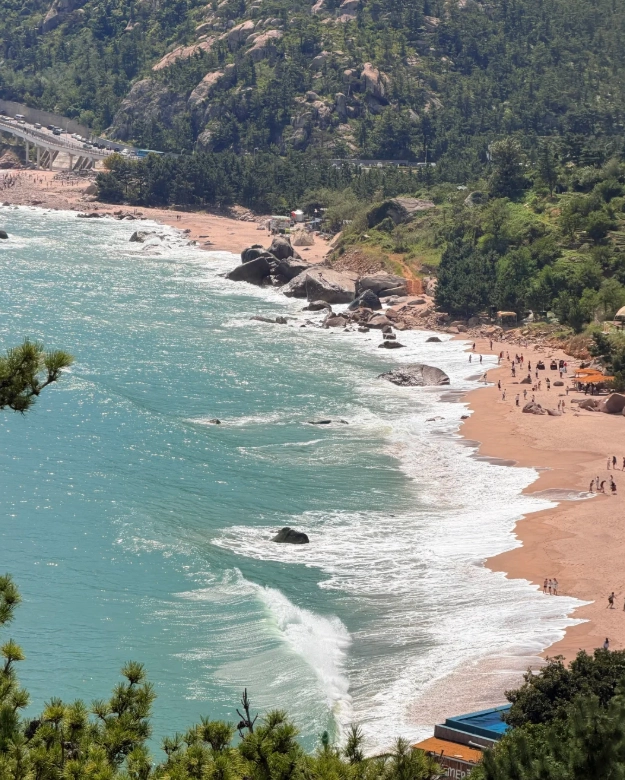
- Laoshan — a full day trip if you have it. Metro Line 11 heads toward the district, then a local bus or short taxi to the Beijiushui entrance.
For seafood, the Yingkou Road market lets you pick your own catch and carry it to a nearby kitchen that cooks it for a fee. It is chaotic, slightly intimidating, and absolutely worth doing once.
What Is the Best Time to See Mount Tai Without the Crowds?
Arrive at the summit in the late afternoon, sleep up there, and catch sunrise from the ridge behind the main platform rather than the platform itself. Every guide pushes the sunrise from the primary viewing area, and every guide is therefore standing in the same queue of rented coats at 4:30 a.m.
Walk ten minutes further along the summit ridge past the temple, and you get the same sun with roughly a third of the people. Nobody tells you this because nobody walks that far in the dark.
Two more timing notes from hard experience. Avoid Chinese public holidays entirely — the first week of October turns the Eighteen Bends into a slow-moving escalator of humanity. And if the forecast says heavy cloud, skip the sunrise and sleep in. I have watched dozens of people freeze for two hours to photograph a grey wall.
What to Eat Along a Beijing to Shandong Itinerary
Shandong cooking is the quiet ancestor of most northern Chinese food — braised, savoury, and far less spicy than outsiders expect. Come hungry, and come with Alipay set up, because most of the places worth eating at do not take foreign cards.
| Dish | Where to Try It | Flavour | Rough Price |
|---|---|---|---|
| Sweet and sour Yellow River carp | Old-school Jinan restaurants near Quancheng Square | Tangy, lightly sweet, crisp skin | 80 to 150 RMB per fish |
| Tai'an griddle pancakes | Street stalls near the Red Gate trailhead | Chewy, faintly sour, great with egg | 5 to 10 RMB |
| Confucius family banquet dishes | Restaurants inside Qufu's old town | Mild, braised, gentle on spice | 80 to 150 RMB per person |
| Clams in beer broth | Yingkou Road seafood market, Qingdao | Briny, garlicky, messy | 60 to 120 RMB per person |
| Bagged draft beer | Corner shops across Qingdao | Light, cold, dangerously drinkable | 5 to 15 RMB per bag |
One practical note on ordering: larger Qingdao restaurants often have picture menus, smaller ones do not. Apple Translate or Baidu Translate on a photo of the menu works well enough. If you have dietary restrictions, learn the phrase for "no meat" in Chinese before you sit down — it will save you a lot of pointing.
Where Should You Stay in Each Shandong City?
Pick the neighbourhood first and the hotel second — on this route, location saves you more time than any loyalty points. Rates below are planning estimates and move a lot with season and weekends.
| City | Best Area | Example Properties | Rough Nightly Rate | Best For |
|---|---|---|---|---|
| Jinan | Quancheng Square / Kuanhou Alley | InterContinental Jinan, Hyatt Regency Jinan | 600 to 1,200 RMB | First-timers who want walkable food |
| Tai'an | Near the Red Gate trailhead or the railway station | Local business hotels; international chains are scarce | 250 to 600 RMB | Anyone climbing before dawn |
| Qufu | Inside the old town, near the Temple of Confucius | Shangri-La Qufu, courtyard guesthouses | 300 to 800 RMB | Slow travellers and families |
| Qingdao | Old Town for atmosphere, May Fourth Square for modern comfort | The St. Regis Qingdao, Shangri-La Qingdao, Badaguan boutiques | 500 to 1,500 RMB | Couples and photographers |
Insider Advice: Not every Chinese hotel is licensed to register foreign guests. Filter for "foreign guest accepted" when you book, or you may arrive at a perfectly nice guesthouse in Qufu and be turned away at the desk. This is genuinely one of the most frustrating things about travelling outside the big cities, and it is not something the booking sites make obvious.
Qingdao prices spike during the beer festival in high summer. If your dates overlap, book two months out or accept a suburb and a metro ride.
Payments, Maps and the Small Things That Break a Trip
Will Your Credit Card Work in Shandong?
Assume your Visa or Mastercard is useless outside hotels, airports and large department stores. Set up Alipay or WeChat Pay with your international card before you fly, and test it on a small purchase at home first. Both work, both charge a small fee on larger transactions, and both are what every noodle stall actually accepts.
Carry 300 to 500 RMB in cash as a backup for temple donation boxes, tiny rural stalls and the occasional taxi driver whose QR code is broken.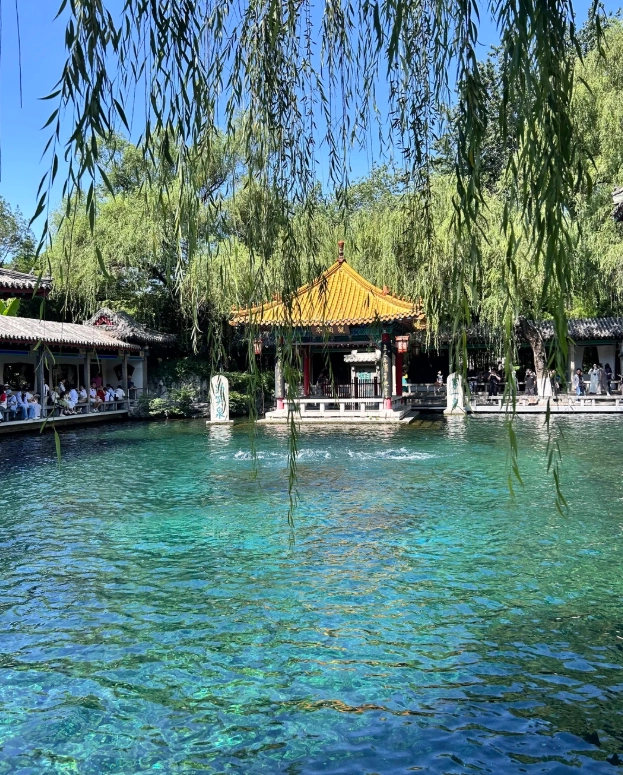
Why Google Maps Fails in China and What to Use Instead
Google Maps is unreliable in mainland China — data is outdated and coordinates are offset, which is a real problem when you are walking to a specific gate. Apple Maps performs noticeably better for transit and walking in Chinese cities. Amap, which has an English-friendly mode, is what I use on the ground.
The single most useful habit: ask your hotel reception to write your destination in Chinese on a card or send it to your phone. Show that to any driver and you will never be misunderstood.
Booking Attraction Tickets Without Reading Chinese
Most major attractions now require a timed reservation with real-name registration, and many of those systems live inside Chinese-language WeChat mini-programs. I will be honest with you — navigating those is a headache even for me. Two workarounds: book through Trip.com or Klook where an English interface exists, or hand your phone to the hotel front desk and let them do it. Receptionists do this every day and it takes them ninety seconds.
Do You Need a VPN on This Route?
Install and test your VPN before you land, not after. Google, Instagram, WhatsApp and most Western news sites are not reachable on Chinese networks. Hotel Wi-Fi works fine but is filtered the same way. Download offline maps, your translation app, and any train tickets you have booked before you leave Beijing.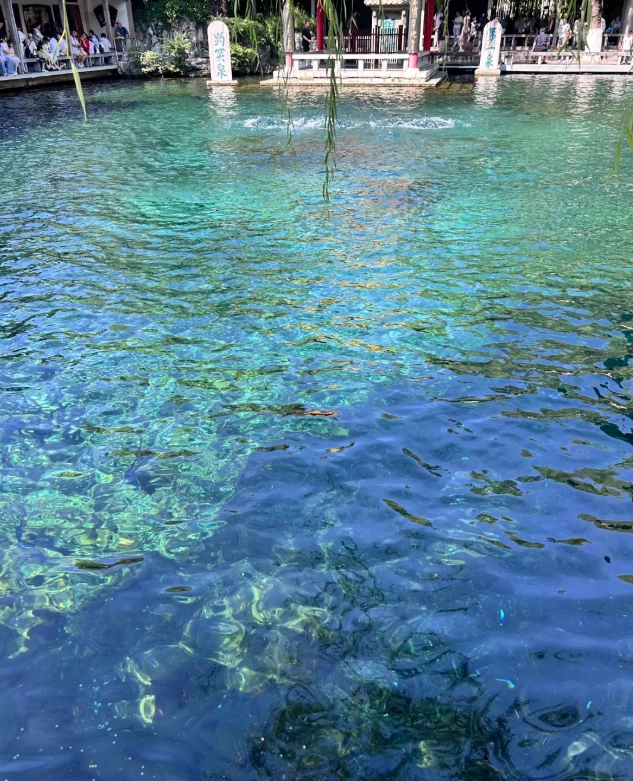
If You Only Have 24 Hours in Shandong
It is possible. It is also exhausting, and I only recommend it for people who genuinely cannot extend their trip. Here is how I would compress it.
Take an early G train from Beijing South, arriving at Jinan West before 9 a.m. Head straight to Baotu Spring for a 90-minute walk while the mist is still on the water. Grab a quick lunch near Quancheng Square, then take a mid-afternoon train to Tai'an, roughly 25 minutes away.
From Tai'an station, taxi to Tianwaicun, ride the shuttle bus and the cable car to the summit, spend an hour on top, and come back down the same way. You are back at Tai'an station by early evening with a direct train to Beijing South arriving around 10 p.m.
You will have seen a famous spring and stood on a World Heritage mountain in one day. You will also have spent six hours on trains. My honest alternative: skip Tai'an and spend the full day in Qingdao's Old Town instead. Slower, better food, and you actually remember it afterwards.
Questions I Get Asked Every Trip
Can I do a Beijing to Shandong itinerary as a day trip, or do I need to sleep there?
Technically you can reach Jinan and be back in Beijing the same evening — the trains run late and often. But you would spend more time in stations than in Shandong. The route only starts making sense once you sleep at least two nights along the line, because the real value is the sequence: springs, then mountain, then coast.
Do foreign passport holders need a visa for this route?
It depends on your nationality and your entry point. Many travellers use China's visa-free transit arrangements, which allow a stay in specified regions when you are transiting to a third country. Shandong is included in the relevant transit zones, but the rules change and the fine print matters enormously. Check the current policy directly with the National Immigration Administration before you book anything non-refundable.
Is it safe to climb Mount Tai alone at night?
Thousands of people do it every night and the path is lit and busy, so personal safety is not the issue. Cold and fatigue are. The temperature at the summit drops sharply after dark, and the last cable car does not run all night, which means a slow climber can end up walking down in the dark on exhausted legs. If you are going up for sunrise, start early enough to have buffer time, and never rely on the cable car being available.
How much cash should I carry for a week in Shandong?
Around 400 RMB in small notes is plenty, and you may not spend it. Alipay and WeChat Pay cover almost everything. Keep the cash for the exceptions — a rural taxi, a temple donation box, or the one stall whose QR code has stopped working. Do not bother with traveller's cheques or large withdrawals.
Do people in Shandong speak English?
In hotels and upscale restaurants in Qingdao and Jinan, sometimes. On Mount Tai, in Qufu's old town, and in taxis, almost never. This is not a problem if you prepare: save Chinese addresses on your phone, keep a translation app with offline Chinese downloaded, and learn four phrases — hello, thank you, this one, and how much. That last one earns you a smile more often than you would expect.
Verified and fact-checked by the editorial team to ensure informational precision. Ticket prices, train schedules and reservation policies in China change frequently — confirm details through official channels before you travel.





No comments yet.