 Ting Chen
Quick Navigation — Jump to the Good Stuff
Let me guess. You've booked your flights to Yunnan, and now you're staring at a map of Dali, wondering how to see it all in a few days. I've been guiding day trips here for years, and trust me, the hardest part isn't the sights—it's the logistics. Google Maps will send you the wrong way, your international credit card may be refused, and many temples now require a passport-linked reservation made on a Chinese mini-program you can't even read. That's why I wrote this guide. Here's the ultimate secret: skip the ancient city entirely for your first day trip, and head straight to Xizhou at 8 AM. The crowds are thinner, the pancakes are fresher, and you'll be back in Dali old town before the tour buses arrive.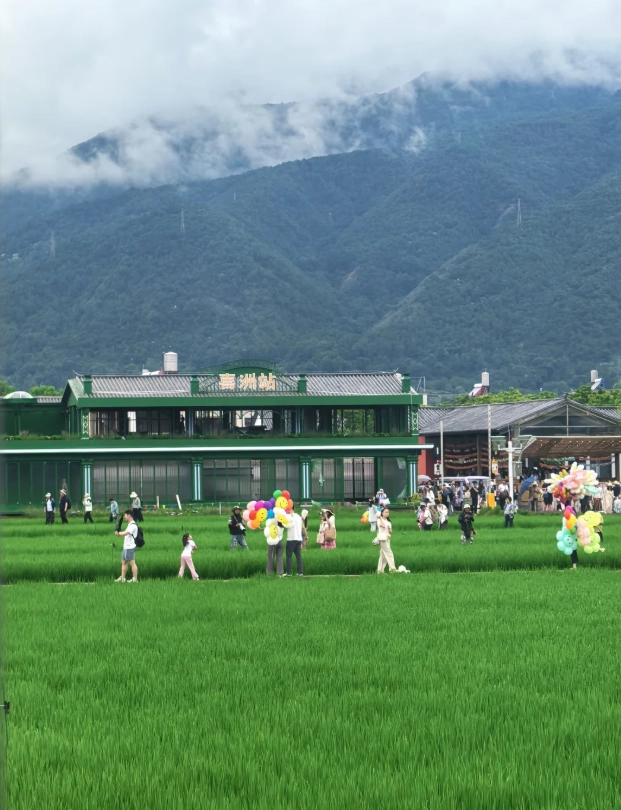
What Makes Dali Day Trips Trickier Than You Think?
Dali is a small city by Chinese standards, but the scattered attractions and outdated travel info create a perfect storm of confusion. Let me break down the real obstacles you'll face—and how to get past them.
The Map Problem
I've lost count of how many clients have shown me a red pin on Google Maps that points to a blank wall. Google Maps is notoriously unreliable in China, and Dali is no exception. Street names change, and some spots aren't even plotted. Instead, download Apple Maps (it works better here) or use AMap Global (the English version of Gaode). For taxis, always show the driver the Chinese address—I've included them for every route below.
The Payment Hurdle
Most stalls, small restaurants, and even some ticket booths only take WeChat Pay or Alipay. Your physical Visa or Mastercard will be useless in most places. If you haven't already, connect your international card to Alipay before you arrive. Topping up is simple, and it's accepted everywhere—from tea stands to toll booths. Always carry about 200 RMB in cash as a backup, but know that change sometimes runs out.
The Booking Maze
Nearly every major site now asks for a real-name reservation using your passport number. The official WeChat mini-programs are a nightmare even for me—pure Chinese, tiny buttons, and sudden identity checks. Don't panic. Use English-friendly platforms like Trip.com or Klook for timed tickets. They add a small fee, but you'll skip the language barrier and get QR codes that scan instantly at the entrance.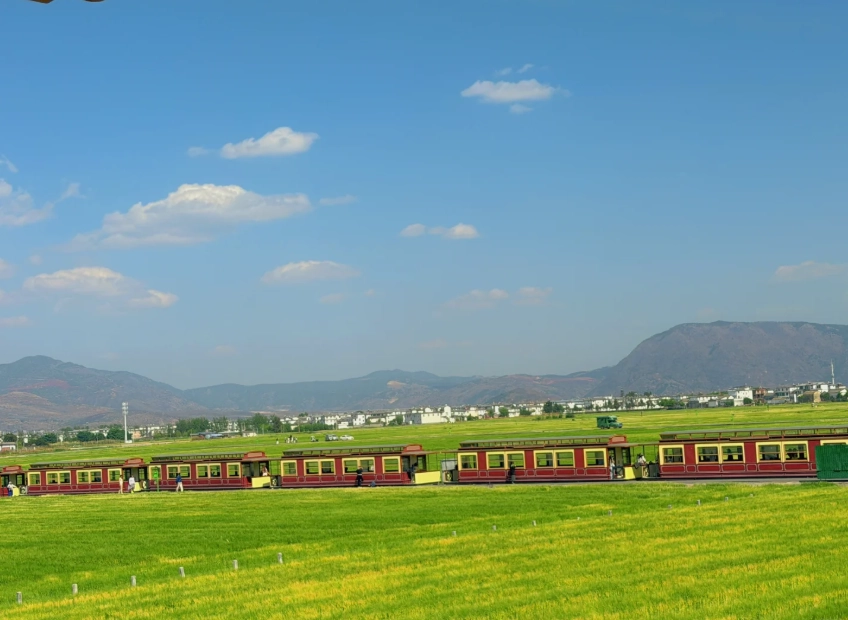
How Do You Plan Dali Day Trips Like a Local?
After leading dozens of Dali day trips, I've polished a routine that saves hours and headaches. Let's walk through the essentials.
Getting Around: Bus vs. Private Car
For day trips, I strongly recommend a private driver or a pre-booked car. Public buses are cheap but slow and confusing. Taxis are fine for short hops, but negotiating a full-day hire is better. Expect to pay around 400–600 RMB for a day car (including driver). It's worth every yuan when you want to stop for photos without checking a bus schedule. If you're on a budget, take the shared minibus from Dali Ancient City's North Gate to major towns like Xizhou or Shuanglang—it's around 15–25 RMB, but the return trip may require pestering locals for the right stop.
| Transport | Cost (approx.) | Speed | Best For |
|---|---|---|---|
| Public bus | 2–10 RMB | Slow | Budget, single destinations |
| Shared minibus | 15–30 RMB | Medium | Short hops |
| Taxi | 30–100 RMB per ride | Fast | Door-to-door convenience |
| Private car (day hire) | 400–600 RMB | Fast | Multi-stop routes, families |
What to Pack for a Day Trip
Bring your passport, a power bank, and a pair of walking shoes that are already broken in. The sun at high altitude is brutal—sunglasses and sunscreen are non-negotiable. For Erhai Lake, pack a windbreaker even in summer. For Cangshan Mountain, carry a light jacket; the cable car drops you at nearly 4,000 meters, and it gets chilly fast. Also, download an offline translation app like Apple Translate—you'll need it for menu items and local conversations.
Best Time to Start Your Day
Leave your hotel by 7:30 AM, not 9. This is the single most important piece of advice I can give. Tour groups start pouring into the popular spots around 10 AM. If you beat them, you'll have empty lanes for those Instagram shots. By 2 PM, the crowds peak, so plan to visit secondary sights in the early afternoon and return to the ancient city for a late lunch.
The 8 Best Dali Day Trips
I've personally tested every route below with clients. They're ranked by how much I think you'll enjoy them, balancing beauty, hassle, and uniqueness.
Route 1: Xizhou Ancient Town & Erhai Lake West Shore
My all-time favorite because it packs culture and landscapes into a relaxing day. Start at Xizhou's morning market (insider tip: try the xizhou baba—a flaky pancake with a choice of sweet or savory). Then rent a bike and ride south along the lake's west shore. The path is flat, shaded, and lined with rice paddies. Stop at Haixue Park for a picture-perfect view of the snow-capped Cangshan range reflected in the lake. No entrance fees for the town or the lakeside path. To get here, take a 40-minute taxi from Dali Ancient City (about 60–80 RMB) or the shared minibus from the North Gate (15 RMB). Return via the same road, or ask your driver to drop you at the Three Pagodas if you have energy left.
Route 2: Shuanglang Ancient Town on the East Shore
Shuanglang is the postcard view you've seen on Instagram, and it's worth the hype. The old town clings to the mountainside above Erhai Lake, with white Bai-style houses and water-facing cafes. The main scenic walkway is free. If you want a classic photo spot, head to the Sky Mirror platform—it costs 30 RMB, but it's a bit gimmicky. Your time is better spent on the quiet back alleys behind the shops. Getting to Shuanglang is best done by taxi (approx. 50 minutes, 120–150 RMB) or by the comfortable tourist shuttle from Dali Ancient City (25 RMB). Watch for the last shuttle back—it leaves around 5 PM.
Route 3: Shaxi Ancient Trading Post
Shaxi is the biggest surprise for most of my clients—a serene, and authentically preserved market town. Unlike the touristy Dali Ancient City, Shaxi doesn't feel curated for visitors. The old tea-horse road still passes through the main square. Don't miss the Monday market, but for a day trip, any weekday is fine. It's a 2-hour drive from Dali on winding mountain roads, so don't attempt it in a rush. Budget the entire day for this one. A private car with driver will cost around 500–600 RMB round-trip. Alternatively, take a direct bus from Dali's East Bus Station (2 hours, about 30 RMB). Once there, walk north through the old town and find the Xingjiao Temple—a peaceful Buddhist temple with a 1,500-year-old camphor tree.
Route 4: Cangshan Mountain Cable Car & Dali Ancient City
This is the most physically demanding day trip, but the panoramic view from the top is unmatched. Take the Gantong Cable Car from the southern end of Dali Ancient City up to the Zhonghe Ridge. The cable car costs about 200–240 RMB round-trip—check Trip.com for the current price and to avoid queues. At the top, a wooden walkway runs along the ridge for about 18 kilometers. You don't have to walk far; even the viewpoint near the cable car station is stunning. Strong visitors hike south to the Seven Dragon Pools, but that's an entire day in itself. Best to combine with a morning at the Three Pagodas, then a scenic cable car ride after lunch. The line at the cable car is shortest right after it opens at 8:30 AM.
Route 5: Three Pagodas & Chongsheng Temple
The Three Pagodas are China's most iconic architectural ensemble—and the ticket includes the sprawling Chongsheng Temple behind them. The site is just a 10-minute taxi ride from Dali Ancient City (about 15 RMB). Entrance is 75 RMB, but you can save by booking a combined ticket with the temple on Klook. The site is fully paved, making it easy for strollers or wheelchairs. Don't make the mistake of stopping at the main pagoda and turning back—walk up the stairs to the temple terrace for a closer look at the mountain backdrop. Plan for 2–3 hours. The light is best in the late afternoon, but that's also when tour groups converge. Go at opening time if you want clean photos.
Route 6: Butterfly Spring Park & Zhoucheng Tie-dye
Butterfly Spring alone is a bit tired, but the nearby village of Zhoucheng lets you try traditional Bai tie-dye—a hands-on souvenir you won't find anywhere else. The park charges 40 RMB, and honestly, the free butterfly museum is more interesting than the actual spring. Zhoucheng village is 20 minutes north; taxi fare is about 30 RMB. Find a family workshop (ask for the blue-banner sign that says 扎染). For 50–80 RMB, you can dye your own cloth with indigo and wooden stamps. It's a fun, sensory experience away from the selfie-stick crowd. Combine both spots with a quick stop at Xizhou in the morning, then head back.
Route 7: Weishan Ancient City
Weishan is the hidden gem that most foreign visitors overlook because it's not on standard itineraries. This small walled town is the historic center of the Bai people's kindom—fewer red lanterns, more real life. The city walls are free to walk, and the local noodle shops serve a delicious broth with pickled vegetables. From Dali Ancient City, take a 40-minute taxi to Weishan (about 120 RMB) or a direct bus from the West Bus Station (20 RMB). Spend the morning wandering the two main streets, eat lunch at a simple noodle stall, then climb to the small hill behind the town for a sunset view. It's a slower day—bring a book.
Route 8: Eryuan & West Yunnan Hot Springs
If your shoulders are tight from all that backpacking, a trip to Eryuan's hot springs is the perfect recovery day. National Park near Eryuan is an unpretentious hot spring complex favored by locals, with a dozen outdoor pools of varying temperatures. The entry is around 60 RMB, and bathing suits are available for purchase (but bring your own to be safe). The site is about a 90-minute drive from Dali. Renting a car for the day is ideal, or combine it with the nearby Bird-and-Flower Isle on Erhai Lake. Honestly, the lake view there is mediocre, so I suggest spending the day just soaking and having a picnic. Bring flip-flops and a waterproof phone pouch—towel rental costs an extra 10 RMB.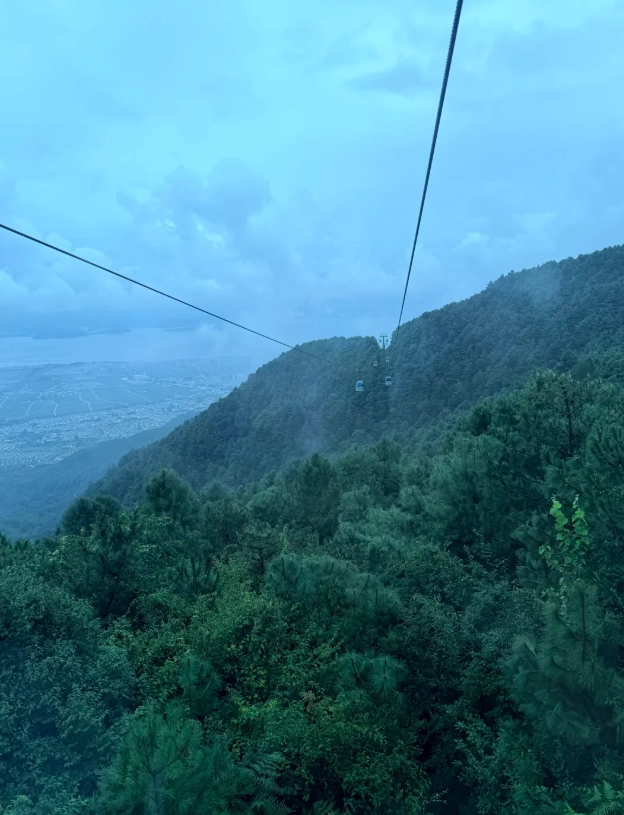
How to Choose the Right Dali Day Trip for You
Not all day trips are created equal, and the best choice depends on your travel style. Let me help you narrow it down.
- If you love photography and local culture, choose Xizhou or Shaxi.
- If you're a fitness enthusiast, Cangshan cable car will feed your need for altitude.
- If you're traveling with kids, the Three Pagodas is the easiest and most engaging.
- If you're seeking romance, Shuanglang has the dreamiest sunset spots by far.
- If you're on a mad budget, Weishan and Zhoucheng cost almost nothing beyond transport.
- If your body aches, Eryuan hot springs are worth splurging on a private driver.
Dali Day Trips FAQ: Your Real Questions, Answered
My Final Verdict
After all these years, I still get a thrill from the morning light hitting the pagodas and the smell of mud on the rice terraces. If you only have time to take one Dali day trip, make it Shaxi. It's the most soul-nourishing and least crowded. But if you lack time, simply spend the morning at Xizhou and the afternoon at Three Pagodas—you'll get the full White-Bai culture hit without rushing.
Whatever you choose, remember: the magic of Dali is in the slow moments. Don't check your phone every five minutes. Let the traffic jam melt away while you watch a farmer lay out a fishing net. That's the Dali you'll never forget.
Verified and fact-checked by the editorial team.






No comments yet.