 Ting Chen
Quick Navigation
- What Is the Yunnan 240-Hour Visa and Who Qualifies?
- How Do You Actually Enter Dali on the 240-Hour Visa?
- Dali Itinerary: How to Spend 10 Action-Packed Days
- Practical Things: Payments, Navigation, and Language
- Where to Stay in Dali Without Getting Ripped Off
- What to Eat in Dali: A Local Food Guide
- FAQ: Answers to Your Burning Questions
- Fact-Check and Final Notes
Transiting through China is a whole different beast now. I just spent a week in Dali on the 240-hour visa, and honestly, it's easier than most people think — if you know the moves. You've booked flights, packed your bags, but are you stuck on how to actually leave the airport and dive into Erhai Lake's magic? The biggest headache for most foreigners isn't the visa itself; it's the silent traps: cash-only taxis, Google Maps telling you lies, and that one unmarked turn that leads to a dead end. So let me save you the 3 hours I lost on day one: book your first night's hotel with a free airport pickup, and download AMap (the Chinese Google Maps) before you land. That's the top tip I give every client who lands at Kunming for Dali.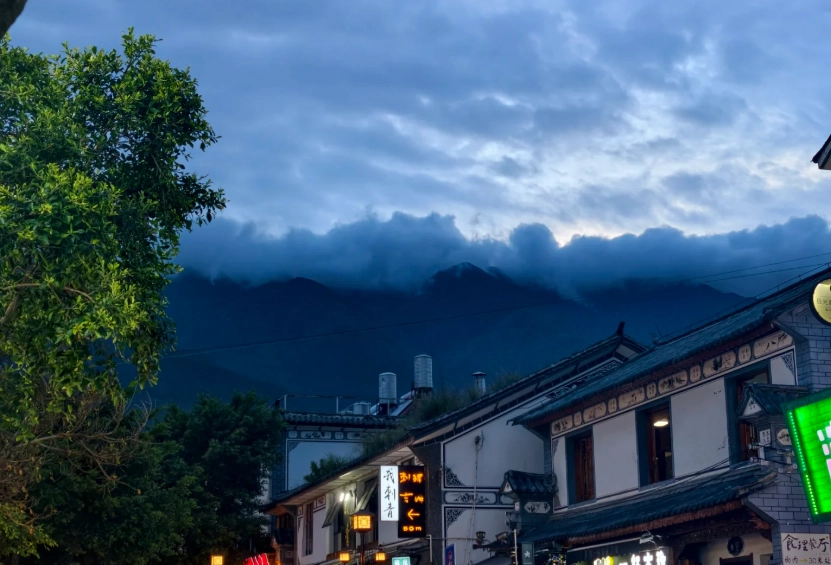
What Is the Yunnan 240-Hour Visa and Who Qualifies?
China's 240-hour visa-free transit policy is a game-changer for travelers. It lets you stay in designated regions for up to 10 days without a tourist visa. For Dali, this means you can fly into Kunming, hop on a train, and spend your entire stay in Yunnan province. But it's not automatic — you must meet specific conditions.
Who Is Eligible?
The policy applies to passport holders from 54 countries, including the US, UK, Canada, Australia, and most EU nations. Your nationality must be on the list — check the official immigration website for the latest updates. You also need a confirmed onward ticket to a third country or region (i.e., not back to your home country) within 240 hours, and you must arrive and depart from one of the approved ports.
What Are the Approved Ports for Yunnan?
For Yunnan, the main entry point is Kunming Changshui International Airport (KMG). You can also exit from the same airport or other designated ports like Xishuangbanna Gasa Airport. The catch: you're restricted to Yunnan province — you can't wander into Sichuan or Tibet. If you want to explore beyond Yunnan, you'll need a regular tourist visa instead.
How Long Is 240 Hours?
240 hours = exactly 10 days. The clock starts the moment you clear immigration. So if you land at 9 AM on day 1, your permitted stay ends at 9 AM on day 10. This is plenty of time to immerse yourself in Dali, but it means you can't dawdle at the airport.
| Requirement | Details |
|---|---|
| Nationality | 54 eligible countries (check list) |
| Entry Port | Kunming (KMG) or other approved Yunnan ports |
| Exit Port | Same or other approved Yunnan port |
| Stay Duration | 240 hours (10 days) |
| Area Restriction | Yunnan province only |
| Onward Ticket | Confirmed ticket to a third country |
Pro Tip: Don't assume your nationality is eligible. The list changes periodically. Always confirm with the official policy at the Chinese National Immigration Administration website or consult your airline before booking.
How Do You Actually Enter Dali on the 240-Hour Visa?
Getting from Kunming Airport to Dali is straightforward, but there are a few hidden snags. Here's my step-by-step, based on my last trip.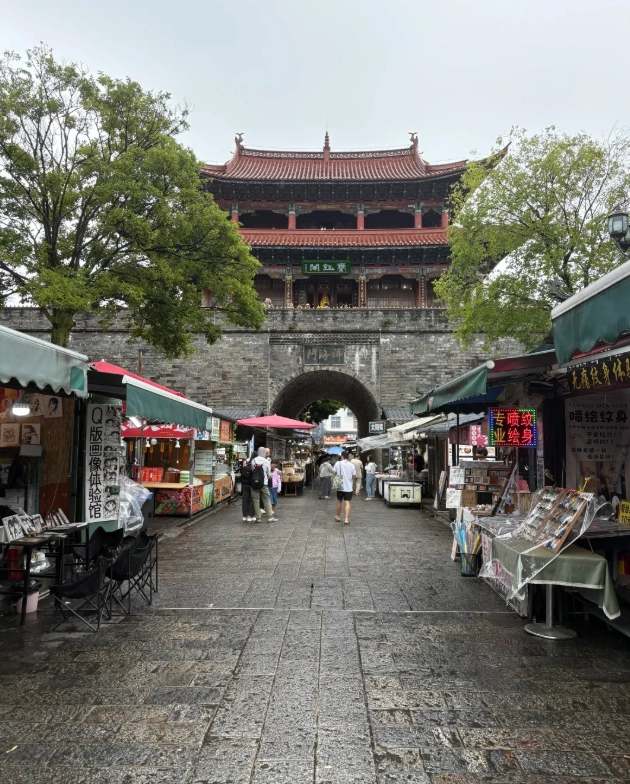
Step 1: Arrive at Kunming Changshui Airport (KMG)
After landing, follow the signs for '240-Hour Visa-Free Transit.' You'll fill out a temporary entry card, show your passport and onward ticket, and get fingerprinted. The process is efficient if you have everything ready. Expect to queue 30–40 minutes during peak times.
Step 2: Get to Kunming Railway Station
The airport is about 30 km from Kunming Railway Station. The airport subway (Line 6) connects to Dongjiao Road Station on Line 3, but honestly, a taxi is easier and costs around 80–100 RMB (roughly $11–14). Make sure the taxi driver knows you're going to Kunming Railway Station (昆明站) — not the high-speed rail station (Kunming South), which is far from the city and less convenient for Dali trains.
Step 3: Take the High-Speed Train to Dali
From Kunming Railway Station, high-speed trains run to Dali multiple times daily. The journey takes about 2 hours and costs around 145 RMB for a second-class seat. Tickets sell out quickly, so book in advance via Trip.com or the official 12306 app. I always recommend booking a window seat on the left side of the train — you'll get jaw-dropping views of the mountains as you approach Dali.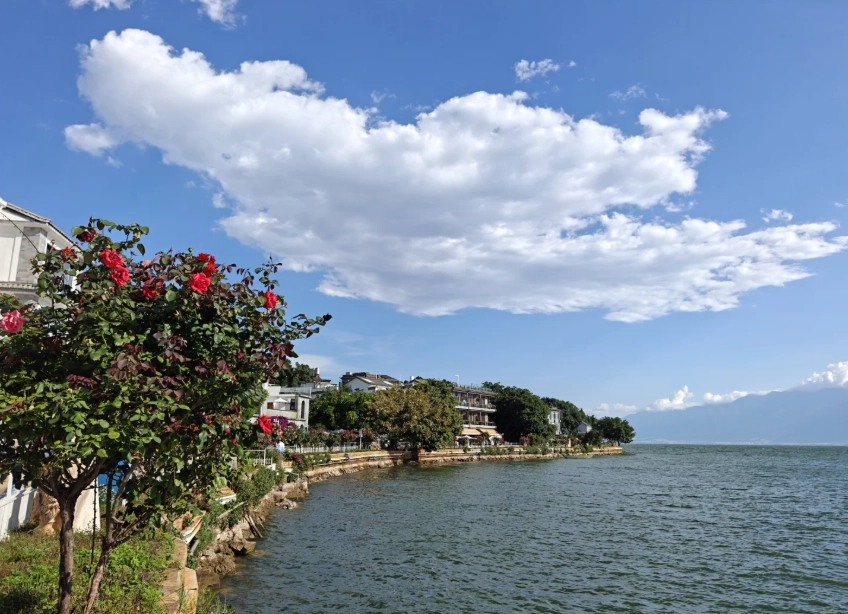
Train Station to Dali Ancient City
Dali Railway Station is about 15 km from the ancient city. A taxi costs 40–50 RMB and takes 30–40 minutes. There's also a direct bus (Line 8) that connects the station to the old town, but it's slower and more crowded. For your first visit, take the taxi — don't let a local with a white van lure you with a 'cheap ride'; always use the designated taxi queue or a ride-hailing app.
Insider Advice: If you're arriving after 9 PM, the high-speed train may not run, so consider flying into Dali on a domestic flight from Kunming? Actually, there's a small airport in Dali, but for international arrivals you must enter through Kunming. So plan your landing time accordingly — aim for a morning arrival in Kunming to catch the afternoon train.
Dali Itinerary: How to Spend 10 Action-Packed Days
Dali is one of those places where you could easily overplan. Here's a balanced itinerary that mixes iconic sights with local vibes, without exhausting you.
Day 1: Settle In and Explore Dali Ancient City
After the train and taxi, you'll probably be tired. Check into your guesthouse inside the ancient city walls, then take a slow walk through the cobblestone streets. The ancient city is packed with shops, cafes, and music bars — perfect for easing in. Don't worry about famous spots yet; just get lost. My favorite street is Fuxing Road, but I always tell my clients to wander off onto side alleys like Renmin Road for a quieter vibe.
For dinner, try Lamian (hand-pulled noodles) at a tiny spot called 'Only Noodles' (Zhonghe Street). It's so small there are only three tables, but the beef shank noodle soup is worth the wait. I usually go at 6 PM to beat the crowd.
Day 2: Erhai Lake West Shore Bike Ride
Rent a bicycle or e-bike in the morning and follow the lakeside cycle path west of Erhai Lake. The route from Dali Ancient city to Xizhou is about 15 km and mostly flat. You'll pass through rice fields and fishing villages. Stop at Xizhou for the famous baba (flatbread) from a local bakery — the one opposite the Zhenmin Gate is my go-to. Budget 4–5 hours with stops.
If you're not into cycling, hire a boat from Caicun Village to see the lake views. But honestly, cycling gives you the real experience.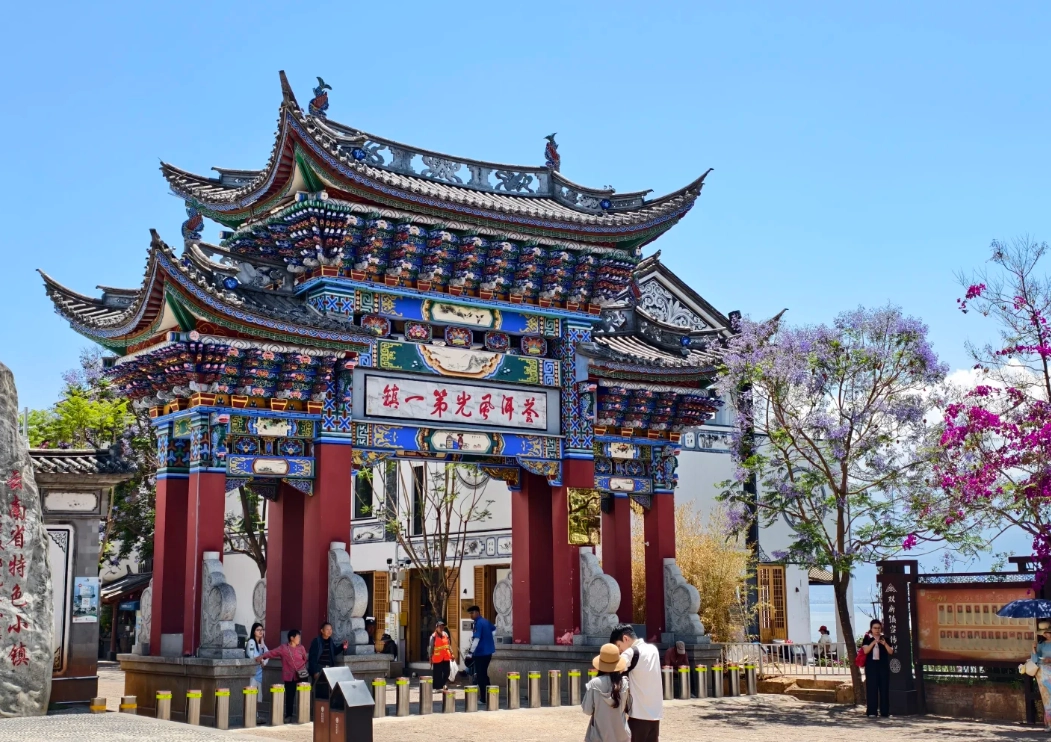
Day 3: Cangshan Mountain Cable Car and Gantong Pass
Take the Cangshan cable car from the ancient city up to the cloud path. The Gantong Pass is the most popular route, offering panoramic views of the lake below. The ticket costs around 120 RMB round-trip. Arrive early — by 8:30 AM — to avoid the queue. The mountain gets foggy by midday, which blocks the view. Once at the top, walk the stone paths between the three lakes; it's a surreal experience.
Important: The cable car closes during high winds, so check the weather the night before. I've had clients get stuck at the top for an hour — pack a light jacket, it's chilly up there.
Day 4: Day Trip to Xizhou and Zhoucheng
Combine Xizhou's Bai architecture with Zhoucheng's tie-dye workshops. Xizhou is known for its well-preserved courtyard houses, like the Yan Family Compound (admission 30 RMB). Then take a 10-minute taxi to Zhoucheng, where you can try your hand at traditional indigo dyeing. Most workshops charge 50–100 RMB for a basic class, and you get to keep your creation.
Day 5: Relax at Shuanglang Town
Shuanglang is a picturesque town on the eastern shore of Erhai Lake. The drive from ancient city takes about 1 hour by car. Spend the day wandering the waterside pathways and snapping photos of the crystal-clear lake. Stay overnight in a boutique inn if you can — the sunrise from the lake is unbeatable. Book a room with lake view; it's pricier, but worth it for the balcony experience.
Day 6: Hiking in the Cangshan Mountains (Alternative Trails)
If you're an active traveler, skip the second cable car and try the Jade Belt Road hiking loop. It's a medium-difficulty 4-hour trail that starts from the Gantong cable car top and ends at the Zhonghe cable car station. You'll need sturdy shoes and lots of water. I tell clients to carry at least 2 liters — the altitude can sneak up on you.
Day 7: Dali Three Pagodas and Chongsheng Temple
Visit the iconic Three Pagodas, just north of the ancient city. Admission is 75 RMB (half price for students with valid ID). The pagodas date back to the Tang dynasty, and the temple complex is a masterpiece of Buddhist architecture. Plan 2–3 hours. Go in the late afternoon — the light makes the pagodas glow.
Day 8: Explore Caicun and the Art Scene
Caicun village at the foot of Cangshan has become a hub for artists and expats. Stroll through galleries and studios, then grab a Western brunch at the famous 'Arro' cafe. This is a good day to catch up on emails — the Wi-Fi here is surprisingly strong.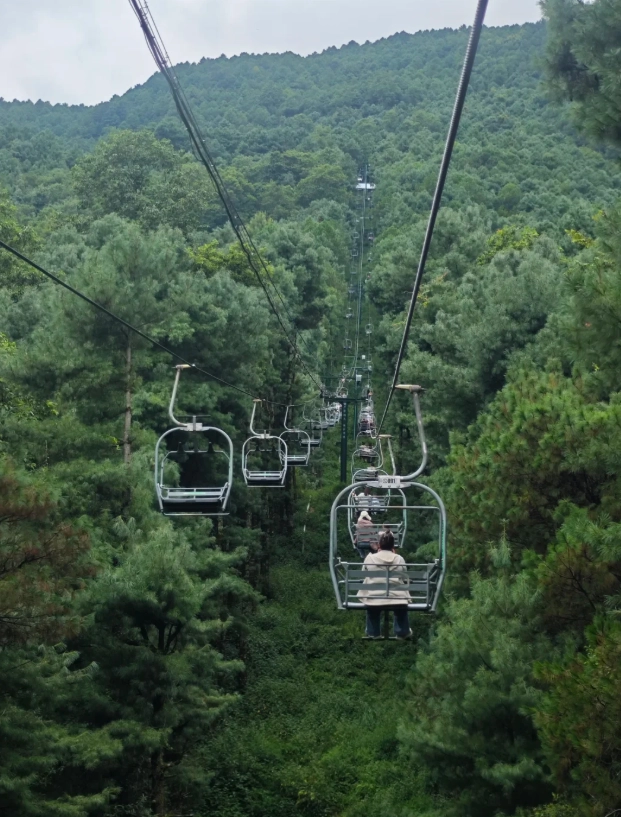
Day 9: Shop for Souvenirs in Dali Ancient City
Dedicate a day to gift shopping. Try the Dali Tie-dye Museum for authentic batik items and the antique market on Bo'ai Road. Be prepared to bargain hard — start at 30% of the asking price. Also hit the local night market for street food; the grilled mushrooms and roast fish are my personal favorites.
Day 10: Last-Minute Serenity and Departure
Enjoy a slow morning, maybe a final coffee at a rooftop cafe overlooking the distant lake. Then take an early afternoon train back to Kunming. Remember: your 240-hour clock stops at the exact hour of entry. Leave Dali at least 4 hours before your flight to catch your international departure.
This is just a framework — if you love hiking, swap a day for more mountain trails. If you prefer culture, add a day to Xizhou. The key is to leave buffer time for spontaneous discoveries.
Practical Things: Payments, Navigation, and Language
The beauty of Dali is its walkability, but you'll still face the usual China travel hurdles. Here's how I navigate them.
Payments: Go Cashless the Right Way
Almost every business in Dali accepts Alipay or WeChat Pay — but not international credit cards directly. You need to set up these apps before you arrive. Link your Visa or Mastercard to Alipay (steps are available in English) and ensure the balance is topped up. I've seen travelers fail at the payment screen because they didn't enable international transactions. For peace of mind, withdraw 500–800 RMB from an ATM at the airport as a backup; some rural market vendors still expect cash.
Navigation: Forget Google Maps
Google Maps doesn't work properly in China due to regulatory restrictions. Instead, download AMap (Gaode) before you land. It offers an English interface and real-time public transit info. The app labels places in English, so you can type 'Dali Ancient City' and it'll give you walking directions. For taxis, show the driver the Chinese address of your destination — it's a lifesaver.
Language: Prepare Your Translation Toolkit
Few locals in Dali speak English, especially outside the tourist core. I strongly recommend installing Apple Translate or Baidu Translate on your phone, and download the Chinese language pack for offline use. Also, bring a pocket VPN — internet access to Google, WhatsApp, etc., requires one. Once you land, switch your VPN on before using any domestic apps.
Sim Cards and Connectivity
You can buy a tourist SIM card at Kunming Airport, but the data allowances for international hotspots are limited. Alternatively, rent a portable Wi-Fi device from Klook or use your home e-SIM with a China plan. A word of caution: some VPNs are blocked randomly, so keep two installed.
Where to Stay in Dali Without Getting Ripped Off
Accommodation in Dali ranges from budget hostels to luxury lakeside resorts. Here's where I'd park myself based on your travel style.
Budget & Social: Dali Ancient City Hostels
Stay inside the ancient city walls for easy access to nightlife and food. Hostels like Xiangyun International Youth Hostel (address: 42 Renmin Rd) offer dorm beds from 50–80 RMB per night. The vibe is friendly, and the staff can help book tours. Expect basic facilities, but the location can't be beaten.
Mid-Range: Courtyard Guesthouses near the South Gate
For a more authentic stay, choose a Bai-style courtyard guesthouse. The 'Lazy Dali' guesthouse (地址: Dali Old Town, Yide Lane 18) is a personal favorite — rooms from 250–400 RMB. It has a themed courtyard, free tea, and the owner speaks English. The only drawback: noise from the nearby bars. If you need quiet, ask for a room facing the inner courtyard.
Luxury: Erhai Lakefront Resorts
If you want panoramic lake views, book a room in Shuanglang or the Cai Village area. Resorts like Wind & Moon Hotel (风月山水) start around 1,200 RMB per night. Rooms often have private balconies overlooking the water. The higher price includes a lavish breakfast and shuttle service. During peak season, book at least three weeks ahead.
Pro Tip: Avoid staying directly on the lake in Dali Ancient City — it's more of a mountain view. The true lake views are on the east side near Shuanglang.
What to Eat in Dali: A Local Food Guide
Dali's cuisine is Bai-style, featuring fresh fish from Erhai Lake, wild mushrooms, and distinctively sour flavors. Here's what I always order.
Must-Try Dishes
- Sour fish soup (酸辣鱼): A hot and sour fish stew with green chili and red tomato. It's a showstopper — the freshness of the fish makes all the difference.
- Baba (粑粑): A savory or sweet flatbread. The scallion and egg version is my go-to for breakfast.
- Rushan cheese (乳扇): Grilled goat cheese skewers, often eaten with rose jam for dessert. Unique texture — like a smoky sweet cheese lace.
- Wild mushrooms (野生菌): Seasonal mushrooms in a clay pot. Go in July–September for the freshest varieties.
Where to Eat
For a sit-down dinner, I recommend Yimin Xuan (怡民轩) at 291 Renmin Lu. It's popular, so queue up before 6 PM or reserve via your hotel. Average cost: 60–100 RMB per person. Their sour fish soup is small — you might need to order double if you're with friends.
For a quick snack, the Dali Night Market along Xiadu Road has dozens of stalls selling grilled mushrooms and pancakes. Bring small bills — most stalls don't take cards.
Note: Western food is overpriced in Dali. You'll find decent pizza and burgers in the old town, but it's worth going local to save money and taste the region.
FAQ: Answers to Your Burning Questions
Can I exit from a different city than my entry point on the Yunnan 240-hour visa?
Yes, as long as both your entry and exit airports are within Yunnan's approved ports. You could land in Kunming and fly out from Xishuangbanna, but you must stay within the province. Double-check the port list — some visa-free policies require you to leave through the same city, but Yunnan allows different ports.
Is there still a cash issue if I have Alipay set up?
Alipay works almost everywhere, but a surprising number of taxi drivers in Dali only accept cash for short rides. I always keep 300 RMB in small notes. Also, some rural ticket booths are cash-only, so having a stash helps you avoid awkward ATM hunts.
What happens if I accidentally overstay my 240 hours?
Overstaying even by a few hours can land you a fine (usually 500 RMB per day) and an interview. Worst case, you get a black mark on your passport. My advice: set a calendar reminder on your phone the evening before your final day, and keep your passport handy for border checks.
Do I need to book my onward flight before arriving?
Yes — immigration officials will ask for a confirmed booking to a third country. It must be a real ticket, not a refundable one you'll cancel. I've seen travelers denied entry because they had a dummy reservation. Use a reliable airline or booking platform, and print the itinerary.
Can I visit Lijiang or Shangri-La from Dali during my 240-hour stay?
Yes, both are in Yunnan province, so they're allowed. The train from Dali to Lijiang takes about 1.5 hours, and Shangri-La is another 2 hours beyond that. You'll have to factor travel time, but it's doable. Just never cross into Sichuan or Tibet — that's outside the visa-free area.
Fact-Check and Final Notes
Verified and fact-checked by the editorial team to ensure informational precision.
Dali is a place that rewards slow travel. The 240-hour visa gives you just enough time to dive deep without feeling rushed. Use this guide as your baseline, but trust your instincts — the best moments often happen when you wander off the itinerary.
If you have more questions, drop them in the comments below — I read every one and answer from my own experience.







No comments yet.