 Wei Zhang
What's Inside This Dali Travel Guide?
- How to Travel Around Dali by Bus, E-Bike, and Car
- What to See in Dali: Ancient City, Erhai Lake, and Cangshan Mountains
- How to Build a Flexible Dali Itinerary (3-Day and 5-Day Options)
- Where to Eat in Dali Without Getting Ripped Off
- Where to Stay in Dali for Easy Traveling
- Common Travel Problems in Dali and How to Handle Them
- FAQ: Quick Answers to Dali Travel Questions
Alright, let's set the record straight — my first trip to Dali was a mess. Google Maps led me to a random farm, and I almost missed the ancient city entirely. Since then, I've taken dozens of foreign visitors through the same streets, and I've seen the same mistakes over and over.
So if you've been wondering how to travel around Dali without wasting money or getting stuck in the wrong place, you're in the right spot. The real challenges are the digital gaps — payment apps, Chinese-only signage, and outdated advice. Crack those, and Dali becomes a bikable paradise.
The shortcut? Use local tools, not international ones. And follow the routes I outline below — they've saved my guests hours of confusion.
How to Travel Around Dali by Bus, E-Bike, and Car
By Bus: The Cheap Way
Dali's public bus system is the most underrated budget tool for connecting the ancient city with nearby villages. Buses are cheap, usually between CNY 2 and 10, but they're also unpredictable if you don't read Chinese. From the ancient city's south gate, you can catch buses that pass through Xi Zhou (喜洲) and other villages on the west shore. Expect 30 to 50 minutes depending on traffic.
To avoid panic, write down your destination in Chinese characters — or use AMap Global to show the driver. I always tell my guests to print the name's Chinese characters, because speech recognition still struggles with Pinyin tones.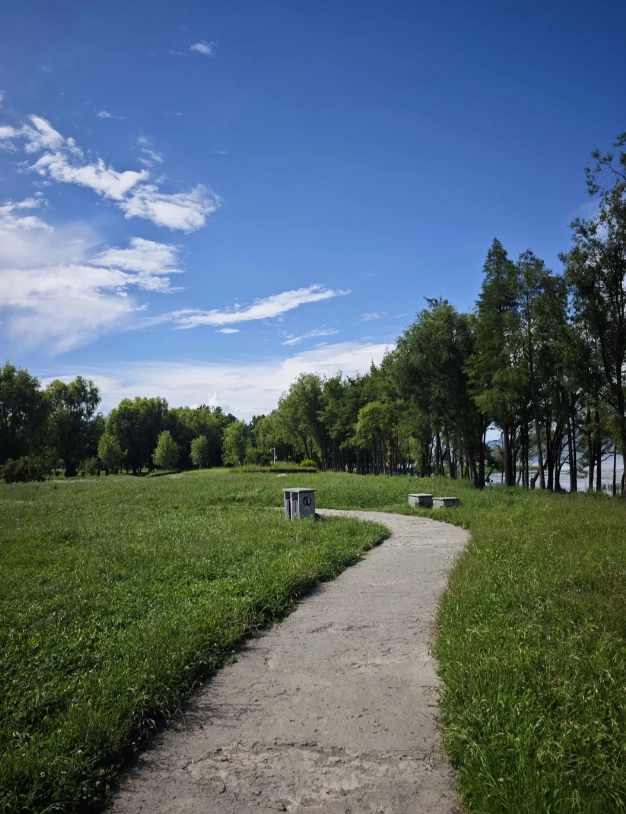
Pro Tip: Never get in a taxi that parks illegally near the ancient city's south gate. They charge 50 RMB for a 10 RMB ride. Use Didi or the official taxi stand at the north gate.
By E-Bike: The Fun Way
Renting an e-bike for a day is the best way to experience the west shore of Erhai Lake at your own pace. Many guesthouses and small shops rent e-bikes for around CNY 50–100 per day, with a passport deposit (or CNY 500 cash). The range is enough to get from the ancient city to Xi Zhou and back, but check the battery before you leave. The wind near the lake drains power faster than you think.
Take the bike out before 9am, ride along the scenic path, and you'll beat both the heat and the tourist crowd. Around noon, park at a village like Haixi and grab a local bowl of rice noodles. I always carry a spare power bank and a sun hat — the late afternoon sun is brutal. Return the bike before dark; roads outside the city are poorly lit.
By Car or Taxi: When Time Matters
If you only have 48 hours in Dali, a private car or Didi is the only way to make the most of your time. Didi (China's Uber) is reliable and cheap. From the ancient city to the airport costs about CNY 50–70, depending on traffic. For a full day of sightseeing, you can hire a car with a driver for CNY 400–700 per day. That might sound steep, but for groups it's a good deal.
One rule: confirm the total price before you get in. And use your map app to mark the route, so there's no disagreement at the end. Renting a self-drive car in Dali isn't a good idea for foreigners — international licenses aren't accepted, and parking is chaotic. Your Alipay might even work for Didi, but you need a local number to receive the driver's calls. I recommend asking your hotel to arrange a car instead.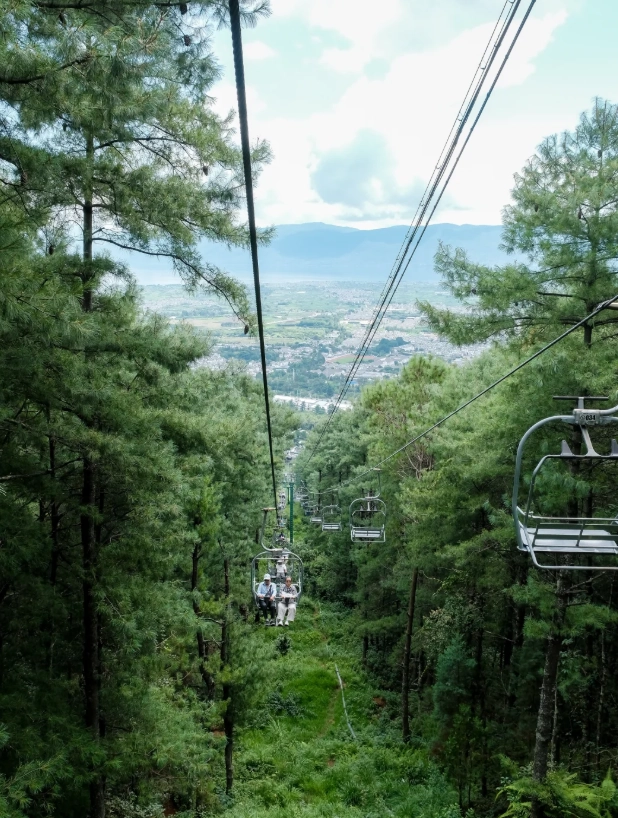
| Mode | Cost (per trip/day) | Travel Time (Ancient City to Xi Zhou) | Best For | Watch Out |
|---|---|---|---|---|
| Bus | CNY 2-10 | 40-50 min | Solo travelers on a budget | Stops shown in Chinese only; tell the driver in advance |
| E-bike rental | CNY 50-100/day | 30-40 min (direct) | Couples & photographers | Battery drains fast against wind; return before dark |
| Car/Taxi (Didi) | CNY 20-40 per ride; CNY 400-700/day with driver | 20-30 min | Families, groups, short stays | Confirm route and price before departure; use Didi to avoid overcharging |
What to See in Dali: Ancient City, Erhai Lake, and Cangshan Mountains
Dali Ancient City: Go Early or Go Home
The ancient city is free and open 24 hours, but the crowds between 10am and 4pm can make it feel like a shopping mall. Walk through the south gate at 8am and you'll have the cobblestone streets half to yourself. The vendor stalls are still setting up, and the light is perfect for photos. Popular areas like the Fifth Floor (Wuhua Tower) and Fuxing Road are less overwhelming first thing in the morning.
You don't need tickets for the city itself. Just keep in mind that some of the old buildings are now souvenir shops. For a quieter alternative, turn onto Renmin Road (人民路) — it's where locals actually hang out, especially in the evenings. My favorite quiet corner: the steps of the Chongsheng Temple's reflection pond (but the temple itself requires a ticket).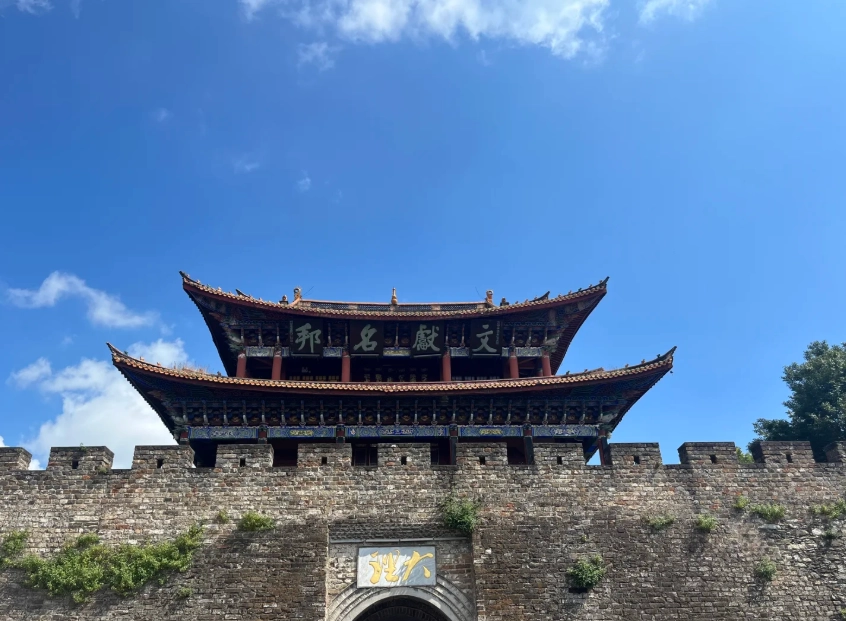
Erhai Lake Cycling Route: The Real Gem
Cycling the west shore of Erhai Lake is the most rewarding free activity in Dali — but it comes with a catch. The catch is the wind. By 11am, the lake breeze turns against you, making a full 30km ride feel like 50. That's why I start the ride before 8am from the ancient city, heading north toward Haixi Park (海西公园). The paved path hugs the water, with villages and farmland on one side.
You can rent a bike or e-bike from any shop in the ancient city. If you cycle all the way to Shuanglang (双廊) on the east shore, you'll need a full day and a strong battery. Instead, I recommend going from the ancient city to Xi Zhou and back — about 45km total, with flat roads and plenty of photo stops. Erhai Lake is free to view, but some parking lots near the shore charge a small fee (CNY 5–10). Bring water and snacks; villages along the way have limited shops.
Cangshan Mountains: Weather Is Everything
The cable cars on Cangshan close during strong wind, and visibility drops quickly, so always check the weather before booking. Cangshan has two main cable routes: Gantong (感通) and Ximatan (洗马潭). The longer Ximatan route climbs to 3,960 meters, which means changing weather in the mountains. If you're prone to altitude sickness, take Gantong instead.
Ticket prices fluctuate, roughly around CNY 120–300 depending on the route and season. You must book with your passport in advance. Use Trip.com or Klook for English-friendly booking. I've seen tourists arrive at the gate only to be told the ticket is sold out — the WeChat mini-program is painful, even for me. Booking through a travel platform avoids that mess.
Once you're up there, wear a windproof jacket. It can be sunny at the base and freezing at the summit. And check whether the cable car is running the evening before — their official account announces closures.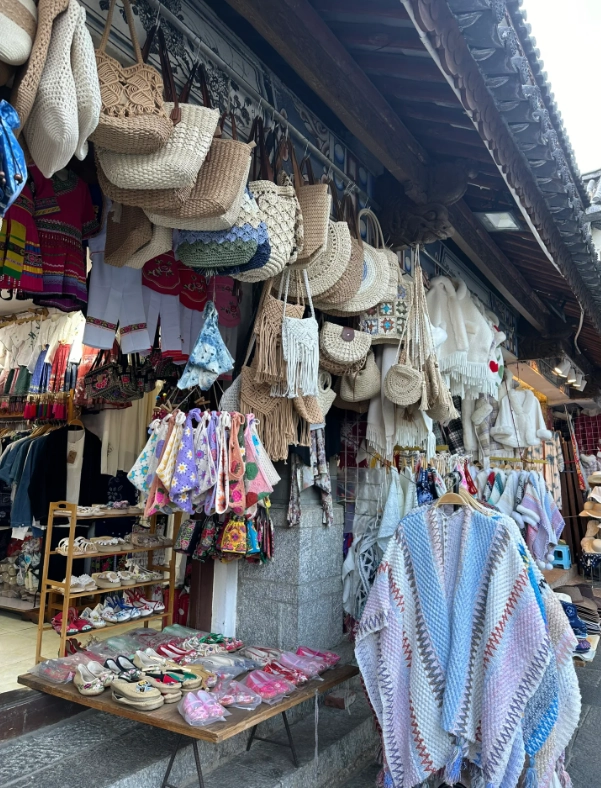
| Attraction | Ticket | Hours | Booking | Passport Required? |
|---|---|---|---|---|
| Dali Ancient City | Free | 24/7 | None | No |
| Erhai Lake (public viewpoints) | Free | 24/7 | None | No |
| Cangshan Cable Car (Gantong) | approx. CNY 120–150 | 08:00–17:00 | Advised via Trip.com/Klook | Yes |
| Cangshan Cable Car (Ximatan) | approx. CNY 280–330 | 08:30–16:00 | Required | Yes |
| Chongsheng Temple | approx. CNY 75 | 09:00–17:00 | Advised | Yes |
How to Build a Flexible Dali Itinerary (3-Day and 5-Day Options)
3-Day Dali Itinerary for First-Timers
Three days works best if you dedicate each day to one zone: city, lake, and mountain.
- Day 1: Dali Ancient City (morning photo walk, afternoon people-watching at a café, evening night market on Renmin Road).
- Day 2: Erhai Lake west shore — rent an e-bike, ride to Xi Zhou, visit Haixi Park, return to the city in the late afternoon.
- Day 3: Cangshan cable car (choose Gantong if you're short on time), then visit Chongsheng Temple at the base in the afternoon.
Between Day 1 and Day 2, you don't need to move hotels — staying in the ancient city makes both areas accessible. Using Didi, the trip from the ancient city to the cable car station is about 15–20 minutes.
5-Day Extended Dali Itinerary
Five days allows you to add the northeast corner of Erhai Lake and enjoy a slower pace.
- Day 1: Ancient city and nearby villages.
- Day 2: Full west shore ride to Shuanglang (the east shore town). Spend the night in Shuanglang to catch sunset over the lake.
- Day 3: Shuanglang morning, then afternoon out to Xizhou (喜洲) to see Bai ethnic architecture.
- Day 4: Choose between Cangshan cable car or a day trip to Shaxi Ancient Town (3 hours away bus/car).
- Day 5: Slow morning, souvenir shopping, and departure.
This itinerary avoids the trap of traveling back and forth across the lake. Layout: stay one night in Shuanglang to break up the distance.
How to Adjust the Itinerary for Your Energy Level
The most common mistake I see is cramming two major sights per day, which kills your energy by day four. Allow at least one afternoon with no scheduled activity. I always mark a 'slow zone' in my group's itinerary — often the lakeside village of Xizhou. There, you can just sit at a teahouse and watch locals grind tofu.
If the weather turns bad, swap the cable car for a visit to the Dali Museum of Bai Architecture (near Xizhou) or the indoor art galleries along Renmin Road. That's your Plan B.
Where to Eat in Dali Without Getting Ripped Off
Must-Try Local Dishes
Dali's food scene is defined by Bai cuisine, fresh Erhai Lake fish, and rural-style breakfasts.
- Sour and hot fish (酸辣鱼): The signature Erhai dish — white fish in a vivid tomato-chili broth.
- Rushan (乳扇): Grilled milk-skewers, slightly salty and chewy.
- Xizhou baba (喜洲粑粑): A flaky flatbread, often with pork or sweet bean filling.
- Pea jelly (豌豆粉): Spicy soy-based jelly sold in bowls.
Don't miss Xizhou baba at the Sunday market; the best ones are from small vendors heating them over charcoal.
Beware of sheng pi (生皮), a raw pork dish served with herbs — it's authentic, but not always safe for foreigners. I advise my clients to skip it unless you have a strong stomach and know the vendor.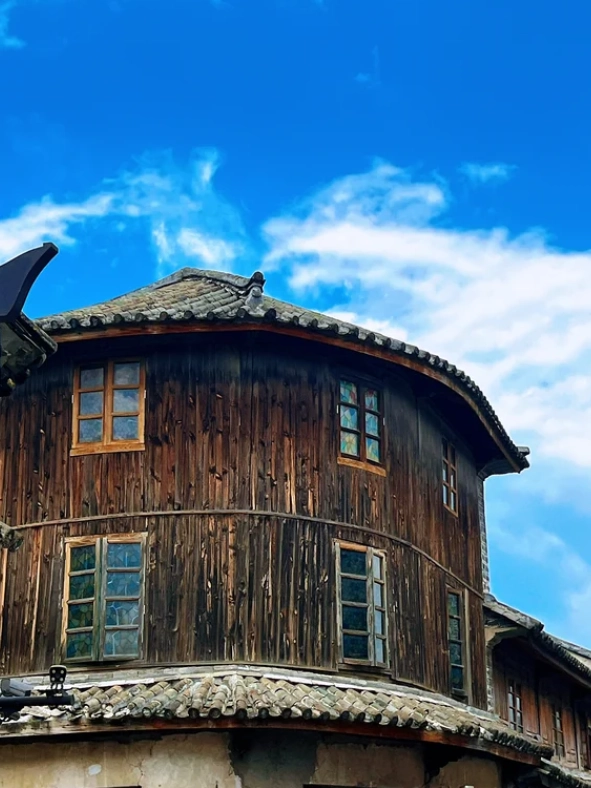
Street Food vs. Restaurant: Where to Go
Street stalls are authentic and cheap, but restaurants give you a more comfortable setting for a bigger meal. In the ancient city, I look for restaurants that are busy with locals — not the ones with multilingual signs and touts. If you see a queue of Chinese diners, join it. Check tap water status (always drink bottled water).
Most mid-range restaurants accept cash and mobile payments, but only some take international credit cards. I always recommend carrying at least CNY 300 as backup.
For an English menu, look for tourist-oriented places on Renmin Road; otherwise use your phone's camera translate. A tip: ask for a 'spicy level 1' if you're not used to Sichuan-style heat — Dali food is mild, but some vendors add chilies.
Where to Stay in Dali for Easy Traveling
Dali Ancient City vs. Erhai Lakeside
Staying inside the ancient city is easiest for pick-up and nightlife; staying lakeside is better for sunrise views and quiet. Ancient city guests can walk to bus stops, rent e-bikes, and buy anything they forgot. The downside is noise — bars often play live music until 11pm. If you sleep early, pick a lane off the main street.
Lakeside lodgings, especially around Caicun or Xizhou, offer gorgeous sunrise views but require a Didi or scooter to get anywhere. I'd suggest the lakeside for couples, and the ancient city for solo travelers or families.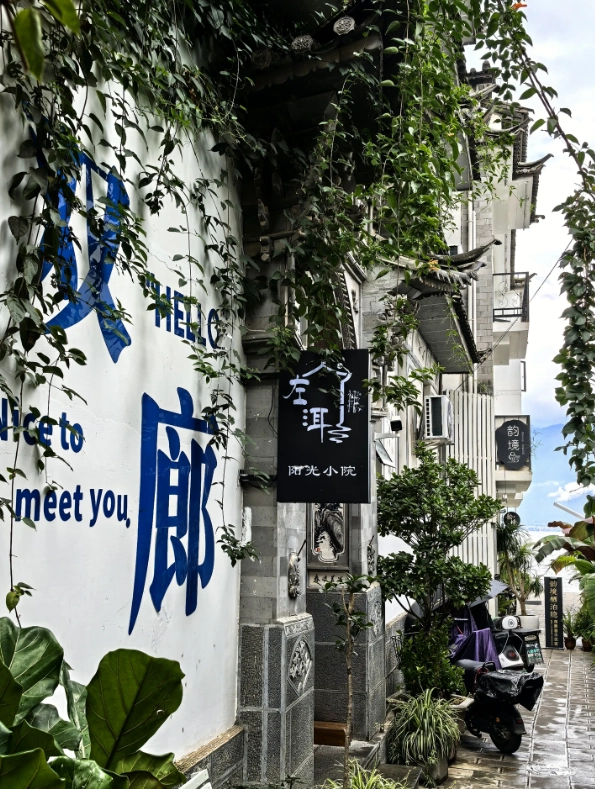
Budget, Mid-range, and Luxury Options
Budget travelers can find dorm beds around CNY 60–100 in the ancient city, while mid-range rooms run CNY 250–450 for a double bed.
| Type | Price (per night) | Best For | Recommended Area |
|---|---|---|---|
| Hostel dorm | CNY 60–100 | Backpackers | Ancient city (north gate) |
| Economy hotel | CNY 150–300 | Budget-conscious couples | Ancient city center |
| Boutique hostel | CNY 300–600 | Design lovers | East of Erhai, near Shuanglang |
| Luxury resort | CNY 800+ | Honeymooners | Riverside near Caicun |
All these places generally have Wi-Fi, but confirm it's usable in your room. Many old buildings in the ancient city don't have elevators. Ask about luggage storage if you arrive early. Book with Trip.com or Agoda for cancellation flexibility.
Common Travel Problems in Dali and How to Handle Them
Payment Issues
Many small restaurants and street stalls don't accept cash — they expect a mobile payment like Alipay or WeChat Pay. Foreigners can link their international Visa or Mastercard to both Alipay and WeChat Pay. The setup can be fiddly, so do it before you arrive. As a backup, use a locked Yunnan bank card or carry cash for rural areas.
For taxis and public transport, mobile payment is the default. But most hotels and travel agencies will accept cash. Note: Amex is rarely accepted outside large international hotels.
Language and Internet
English isn't widely spoken in Dali, even in most hotels. You'll rely on translation apps and patience. Before arrival, download offline Mandarin packs in Apple Translate or Baidu Translate. Also, set up a VPN service that works in China — Google Maps, Instagram and WhatsApp will be blocked without one. Turn it on before you land, or your phone can't connect on arrival.
For maps, rely on AMap Global or Apple Maps rather than Google Maps, which is often inaccurate or unsearchable inside China. Always keep a card with your hotel's Chinese address to show taxi drivers.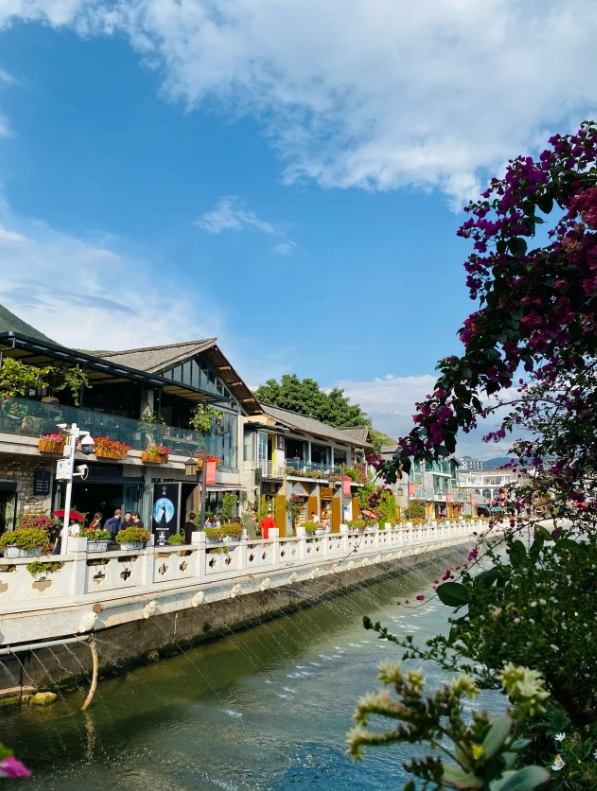
Crowds and Peak Times
Dali hits its worst crowds during the first week of May (May Day) and the first week of October (National Day). During those weeks, ancient city streets become shoulder-to-shoulder, and hotels triple prices. If possible, travel in April, September or November. If you must visit during a holiday, book everything a month in advance, and start your activities at 7am — that's the only way to dodge the tour groups.
FAQ: Quick Answers to Dali Travel Questions
Verified and fact-checked by the editorial team.








No comments yet.