 Tao Xu
Quick Guide for Hungry Travelers
Okay, let me start with a confession. I've been leading food tours in Hainan for a decade, and I still get excited about a simple plate of chicken. If you've only known the dry, bland chicken from your local takeaway, Hainan will ruin you in the best way possible.
Most foreigners who search for "what to eat in Hainan" end up confused by the sheer variety. You'll see names like Wenchang chicken, Hele crab, and Hainan noodles, but no one tells you how to actually eat them like a local. That's where I come in. I'll take you through the dishes that matter, the places I trust, and the silly mistakes I've watched tourists make over and over again.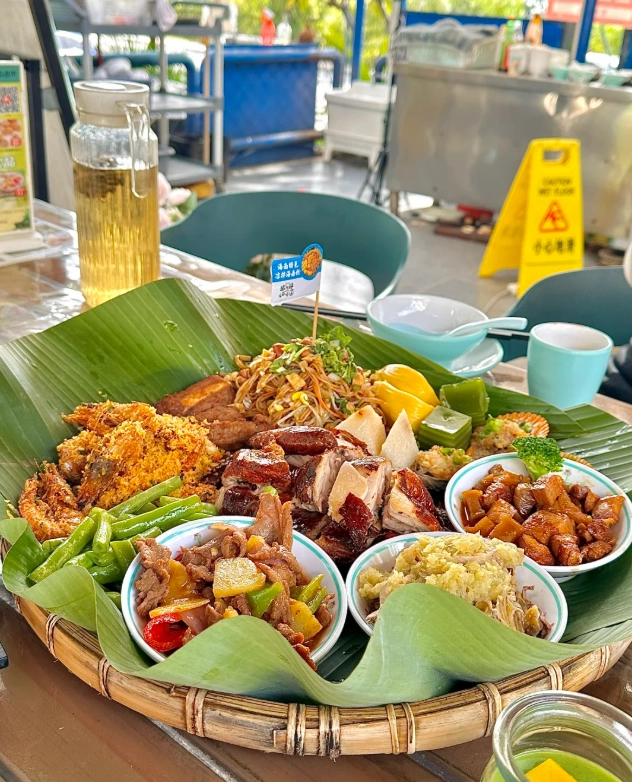
Before you scroll further, here's my golden rule: the best Hainan food is never in the big, air-conditioned restaurants with English menus. It's in the sweaty, noisy, plastic-stool food stalls where the queue is long and the chairs are short. Follow that rule, and you'll eat like a king for a fraction of the price.
Essential Hainan Dishes You Can't Miss
Here's the core of your Hainan food journey. These seven dishes are the reason I've never once been hungry on this island.
1. Wenchang Chicken
Wenchang chicken is Hainan's absolute icon. It's a free-range chicken, boiled gently, then soaked in cold water to get that jelly-like layer under the skin. Served at room temperature with a dip of ginger, garlic, and chili paste, the flavor is clean, sweet, and utterly addictive. I always tell my guests: the first bite costs nothing, but it will make you order a second plate. For the best experience, head to an old-school stall like the ones clustered in Haikou's Qilou Old Street, where locals have been queuing since lunchtime. Prices are around 50–80 RMB per portion.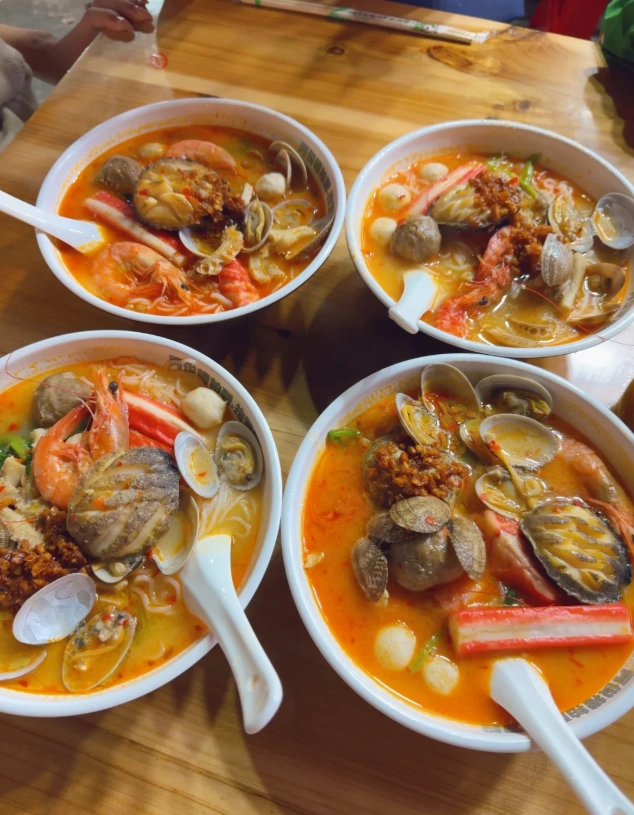
2. Hele Crab
Hele crab comes from Hele township in Wenchang, and it's known for its thick, creamy roe. Steamed with ginger and spring onion, it tastes sweet and delicate. You can find it at seafood markets like Sanya's First Market, where you buy the crab yourself and let a nearby stall cook it for you. The crab price varies, but expect to pay around 100–200 RMB per crab depending on size. My tip: ask for the female crab if you're after the roe.
3. Jiaji Duck
Jiaji duck is another of Hainan's four famous dishes. The duck is raised on taro, so its meat is tender and slightly sweet. It's served like the chicken, with a salty-sweet plum dip. Try it in a local diner in Jiaji town or at any respectable Hainan restaurant in Haikou. A portion costs about 60–90 RMB.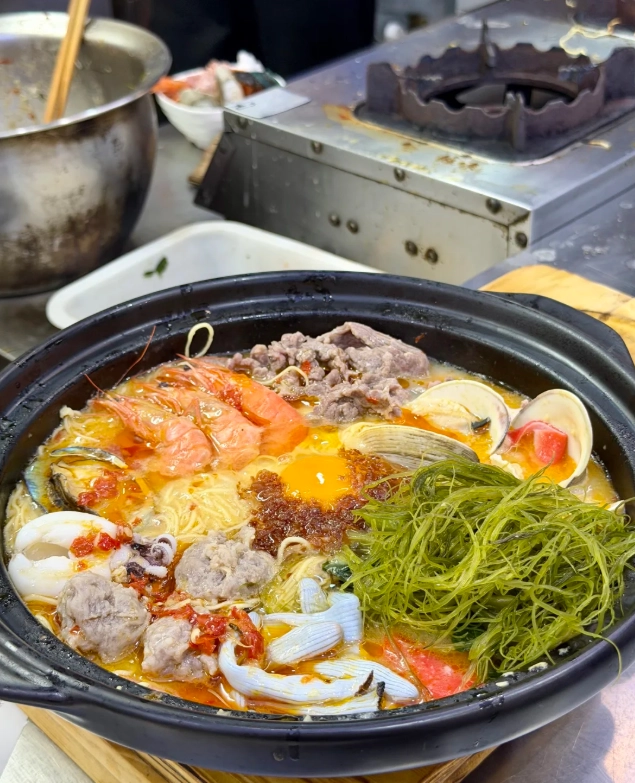
4. Dongshan Lamb
This is a warming dish, perfect for Hainan's cooler evenings. Dongshan lamb is stewed with herbs and served in a clay pot, with tender meat that falls off the bone. The smell alone makes you hungry. It's a must if you're in the Dongshan area near Wanning. Prices start from around 80 RMB per portion.
5. Hainan Rice Noodles (Bamian)
Don't confuse these with Vietnamese pho. Hainan rice noodles, known locally as bamian, are thin, round, and come in a rich broth made with a family recipe handed down for generations. You'll often see a bowl topped with peanuts, sesame seeds, shredded pork, and pickled radish. It's sold everywhere, from street carts to formal shops. Ask for "bamian" – not "mifen" – to sound like a local. A bowl costs just 10–20 RMB.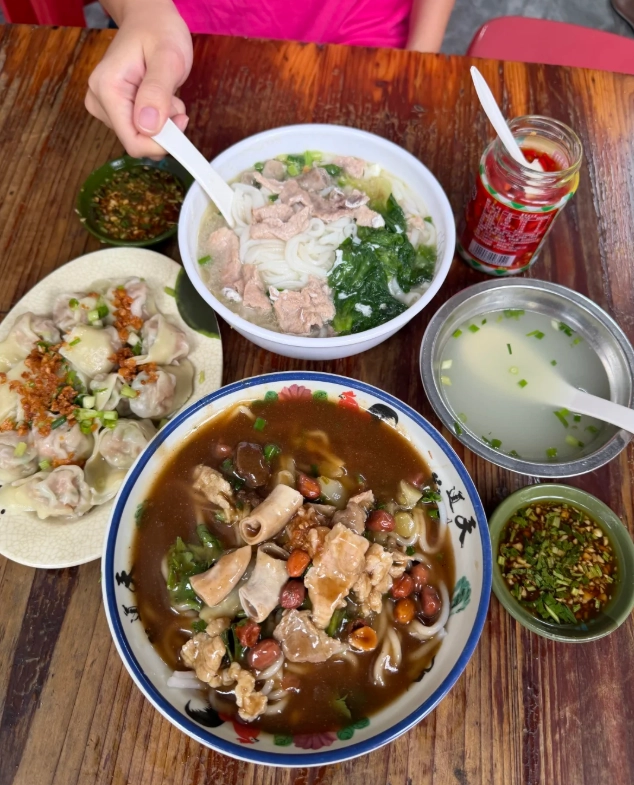
6. Qingbuliang
If you visit Hainan in summer, you need Qingbuliang. It's a refreshing dessert made with coconut milk, ice, and chewy toppings like taro, tapioca, and mung beans. You'll find it in almost every night market. My go-to spot is in the Qilou Old Street, where a tiny stall sells it for 10 RMB a bowl. It's the perfect cure for the tropical heat.
7. Coconut Rice
This is simple but glorious. Glutinous rice is cooked inside a coconut with a bit of sugar and coconut milk. The result is a fragrant, slightly sweet cake that you can eat as a snack or side dish. Look for it at breakfast spots or bakeries. It costs about 5–10 RMB per piece.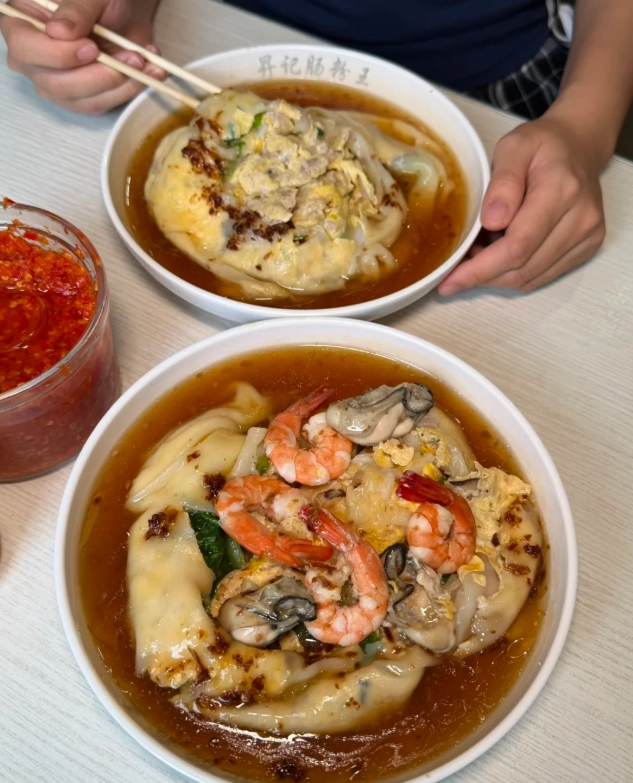
How to Find Authentic Hainan Food Without Getting Ripped Off?
Let's face it – there are tourist traps everywhere, and Hainan has its fair share. Here's how to avoid them and ensure you eat like a local.
The number one rule is to follow the chopstick marks. No, I'm not joking. At any local eatery, look at the chopsticks on the tables. If they look worn and stained, it's a good sign. Tourists spots tend to have brand-new disposable chopsticks. Also, watch for the crowd: if you see locals sitting together and laughing loudly, that's your place.
Always check the price before you order at seafood markets. Ask the price per 500g or per kilogram, not per dish. Some vendors will try to charge you extra if you don't confirm the unit. In Sanya First Market, I always write down the agreed price on my phone and show it to the cooking stall. It saves a lot of hassle.
Learn to say "no MSG" or "not spicy" in Chinese. For those with dietary restrictions, the phrase "bù jiā wèijīng" (no MSG) or "bú là" (not spicy) can be lifesavers. You can also show a translation on your phone. Most small stalls won't have an English menu, so save this phrase in your translation app.
Pro Tip: Always bring cash to small stalls. While WeChat Pay and Alipay are everywhere, having a bit of cash is your safety net. You can also ask a friend to pay for you if you don't have the apps set up.
Download the right apps. You need Alipay or WeChat Pay for most transactions, and you can usually link your international credit card. But for navigating, ditch Google Maps – it's unreliable in China. Use Apple Maps or download AMap (GaoDe) which now has an English interface. And don't forget a VPN and a translation app like Baidu Translate.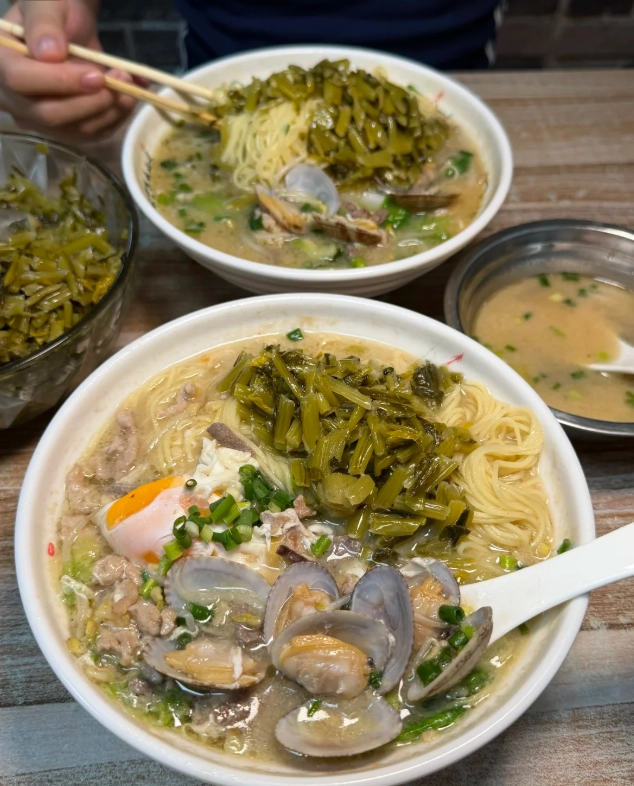
Where to Eat in Hainan: My Personal Favorites
Now, let me share the places I personally take my tour groups when they ask for real Hainan eats. These are spots I've visited hundreds of times, and they rarely disappoint.
Haikou's Qilou Old Street
This historic area is not just for photos – it's a food paradise. The street is lined with colonial-style buildings, and under the arcades, you'll find hidden food stalls that have been operating for decades. My favorites are the white-cut chicken shops near the eastern end. Order the chicken rice if you're extra hungry. Just be careful: seating is often on tiny plastic stools, and you'll be rubbing elbows with locals. That's the charm.
Sanya's First Market (Di Yi Shi Chang)
This is a working wet market, not a tourist attraction. You'll find every kind of seafood, tropical fruit, and local snacks. I always tell my groups to go to the back left corner where the cooks stand with numbered stalls. After buying your seafood, they'll cook it for you for a small fee – about 10–20 RMB per dish. The money is worth it for the freshness.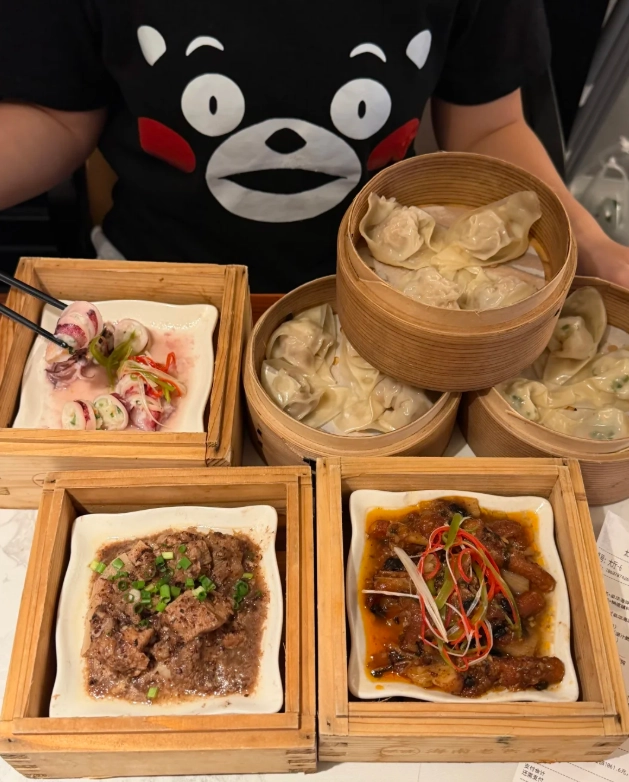
A Warning About Tourist Traps
Avoid the seafood restaurants that line the coast in places like Dadonghai Bay or Yalong Bay. These places often charge double for below-average food, and they'll even swap out the seafood you choose at the market for something smaller. I've seen it happen. Stick to the market, and you'll save both your money and your pride.
What Are the Best Hainan Drinks and Snacks?
Beyond the main dishes, Hainan has a stack of unique drinks and snacks that you shouldn't miss. Here's my curated list.
Coconut Water and Blended Coconut Drinks
You can't leave Hainan without drinking fresh coconut water. Street vendors will crack open a green coconut for you on the spot. It's only about 10 RMB. If you want a smoothie, look for "coconut milk with ice" – it's creamy and aromatic.
Hainan Salt-Baked Chicken
Okay, this is a snack, but it's so good it deserves its own mention. The chicken is wrapped in paper and baked on a bed of coarse salt. The salt creates a crispy skin and keeps the meat juicy. It's a common sight in markets. A whole bird costs about 60 RMB.
Rice Noodle Wraps (Chang Fen)
For breakfast, try rice noodle rolls, similar to what you'd see in Guangdong but with a Hainan twist. They're often filled with pork or shrimp and served with a savory sauce. Maybe not the first thing you'd think of, but they fill you up.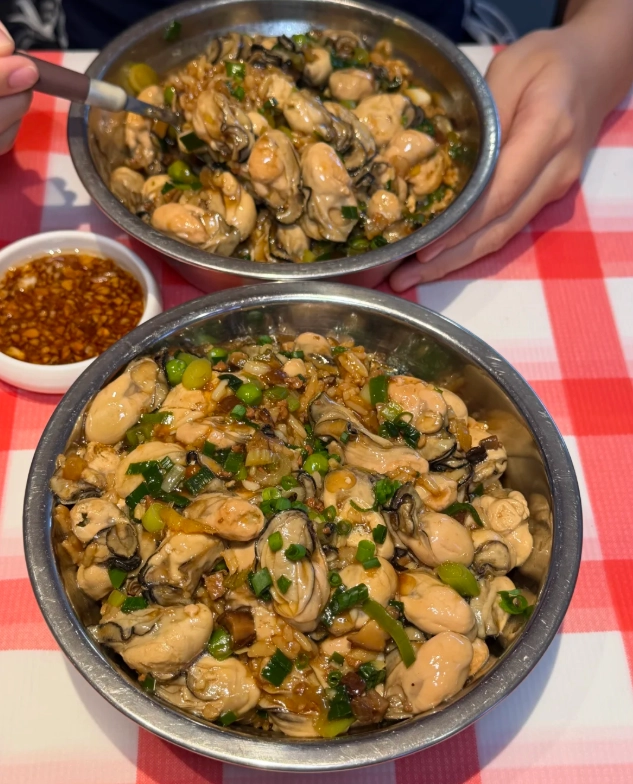
How to Plan a 24-Hour Hainan Food Trip?
If you only have 24 hours in Hainan, don't panic. Here's a realistic, actionable plan that balances eating with seeing the island.
The itinerary assumes you're basing yourself in Haikou. If you're in Sanya, adjust accordingly.
| Time | Activity | Where to Go | Cost Estimate |
|---|---|---|---|
| 8:00 AM | Breakfast – try Hainan rice noodles (bamian) | Any local shop near Qilou Old Street | 15 RMB |
| 9:30 AM | Stroll through morning market | Dongmen Market, Haikou | Free |
| 12:00 PM | Lunch – Wenchang chicken and coconut rice | Old Street food court | 50 RMB |
| 3:00 PM | Snack – Qingbuliang dessert | Vendors near Gulou Street | 10 RMB |
| 6:00 PM | Dinner – seafood at First Market | Sanya First Market (about 1.5 hours by train from Haikou) | 150–300 RMB |
| 10:00 PM | Night snack – grilled skewers (Chuan'r) | Street stalls near your hotel | 20–50 RMB |
How to get to Sanya fast – take the high-speed train from Haikou East Station. It takes around 90 minutes. Book tickets on China Railway website or app in advance. If you're carrying luggage, the train is much easier than a taxi.
If the weather turns bad – and in Hainan it can rain at any moment – swap the outdoor plan for a visit to the Hainan Provincial Museum. It's free, air-conditioned, and has excellent exhibits on the island's natural history and ethnic culture. Afterwards, head to the cafés around the museum for a sweaty, steaming cup of Hainan coffee.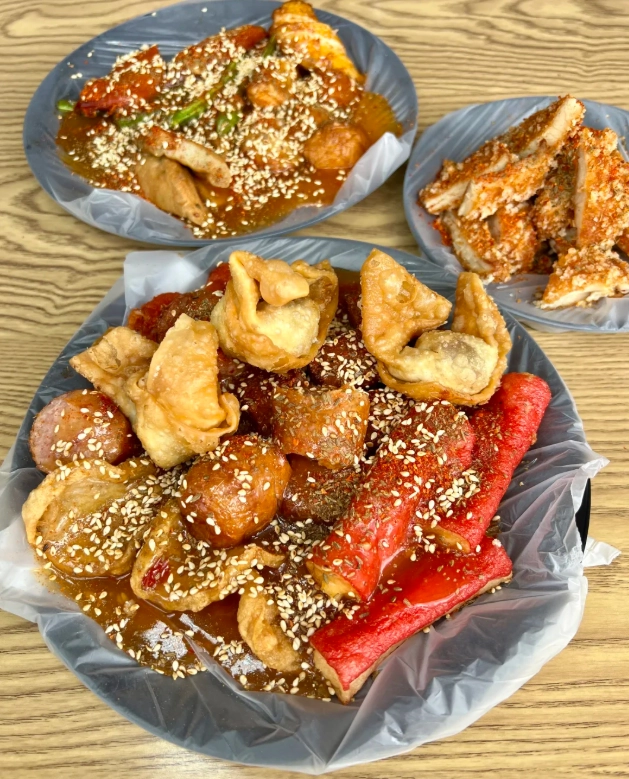
FAQ: Hainan Food for Special Diets
This content has been fact-checked to ensure informational precision.





No comments yet.