 Hui Lin
- How Can I Plan a Trip to See the Top Things to Do in Inner Mongolia?
- Grassland Adventures: Top Things to Do in Inner Mongolia
- Deserts and Lakes: Top Things to Do in Inner Mongolia
- Cities and Culture: Top Things to Do in Inner Mongolia
- How Do I Get Around to See These Top Things to Do in Inner Mongolia?
- What Safety and Practical Concerns Should I Know About When Visiting Inner Mongolia?
- Frequently Asked Questions About the Top Things to Do in Inner Mongolia
Your lungs fill with dust as you step off the bus. The vastness hits you like a wall — green rolling hills to the horizon, dotted with white yurts. This is Inner Mongolia, and it's nothing like the postcards. But here's the thing: most foreign tourists make the same mistakes — booking the wrong season, missing the hidden spots, and getting lost in translation. After leading over 80 trips across this region, I've distilled the top things to do in Inner Mongolia into a practical checklist that saves you time, money, and disappointment. The golden rule? Always plan around sunrise or sunset — that's when the landscapes truly come alive and the crowds dissolve.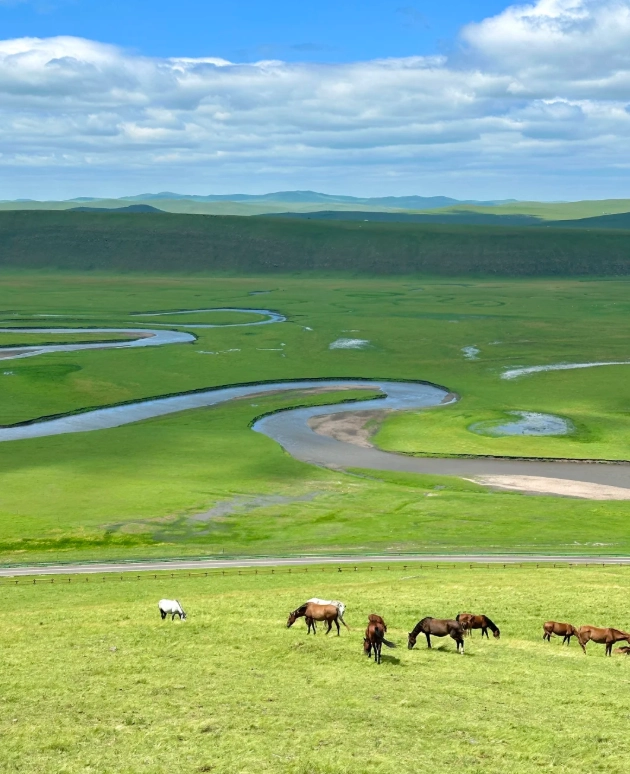
How Can I Plan a Trip to See the Top Things to Do in Inner Mongolia?
Before you book anything, let's talk logistics. You need a valid passport — the National Immigration Administration requires all foreign visitors to carry their passport at all times. Most hotels and attractions will ask to see it for registration. For payments, forget using a physical credit card at remote sites — your Alipay (with an international card linked) or WeChat Pay will be your lifeline. Download a VPN before you arrive, because Google Maps won't work, and you'll be relying on Apple Maps or an app like AMap Global. As for timing, June to September is the sweet spot for both grassland and desert trips. The table below gives you a quick overview of where to go and when.
| Region | Must-Sees | Best Time | Estimated Travel Time from Hohhot |
|---|---|---|---|
| Hulunbuir Grassland | Grasslands, Ergun wetlands | June to September | 2-hour flight or 12-hour train to Hailar |
| Ordos & Desert | Genghis Khan Mausoleum, Kubuqi Desert | May to October | 1.5-hour flight or train to Ordos |
| Hohhot | Dazhao Temple, Old Town | All year | — |
| Xanadu (Shangdu) | Archaeological ruins, museum | June to September | 2-hour flight to Xilinhot + 1-hour drive |
Pro Tip: Don't waste money on tour packages that promise 'all-inclusive' — many skip the best hidden spots. I always suggest hiring a local driver via your hotel for 400-600 RMB per day; they know which yurt has the best lamb and which dune has the least crowds.
Grassland Adventures: Top Things to Do in Inner Mongolia
1. Ride a Horse Across the Hulunbuir Grassland
Hulunbuir Grassland stretches over 100,000 square kilometers, making it one of the largest and best-preserved prairies in China. To get here, fly or take an overnight train to Hailar, then drive 1.5 hours to the scenic core. The best time is from June to September. You can rent a horse for around 100-200 RMB per hour — but always negotiate with the owner or your guide; they'll give you a better rate if you're staying overnight. Wear long pants and closed-toe shoes; the stirrups can rub blisters if you're not used to them. I always tell my group to start the ride at 7 a.m. to catch the golden light and avoid the midday heat. For a truly local experience, skip the main ticket gate and ask for a yurt village called Xinihe (sometimes spelled Xin Hui). It's about 20 minutes away from Hailar city center. Need a passport? Yes, all guesthouse check-ins require one. The nearest airport is Dongshan Airport, with direct flights from Beijing, Shanghai, and Hohhot. Plan at least half a day for the horse ride; sunrise is the best time for photos. Wheelchair access is limited.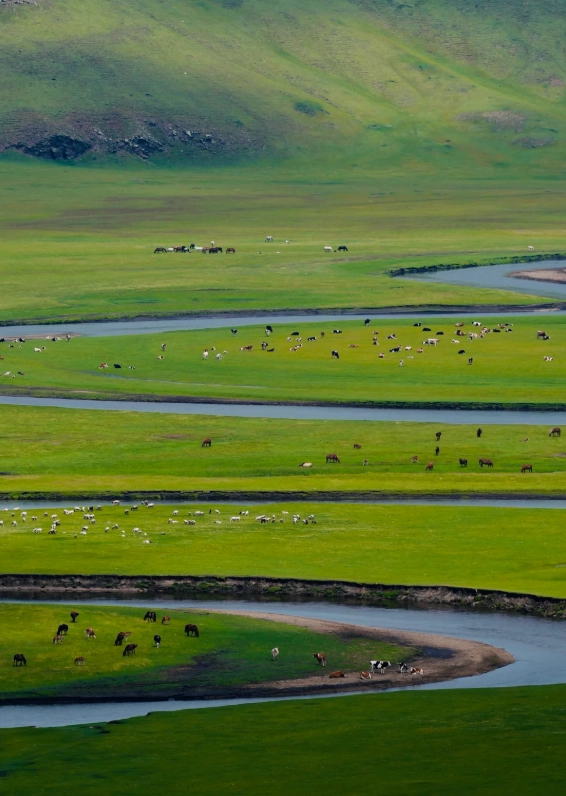
2. Sleep in a Yurt on the Xilamuren Prairie
For the easiest access to a yurt overnight, Xilamuren is only 2.5 hours from Hohhot. This classic postcard image of a white yurt on green grass is perfect for a two-day escape. There are dozens of yurt complexes, but most are kitschy. I swear by one called 'Grassland Guesthouse' — it costs around 800 RMB per night including three meals and a horseback ride. The food is homey: lamb stew, boiled dumplings, and endless milk tea. The owners don't speak English, but they'll use translation apps so don't worry. Beware of 'VIP packages' sold in Hohhot — they overcharge and deliver nothing extra. Instead, call ahead or ask your hotel receptionist to book a yurt for you. The shower is basic, but the starry night sky is unbeatable. Pack a power bank — outlets are scarce in the yurts. Best time to arrive is before 4 p.m. so you can settle in before sunset. If you have mobility issues, request a yurt near the dining hall.
3. Photograph the Wildflowers in the Greater Khingan Mountains
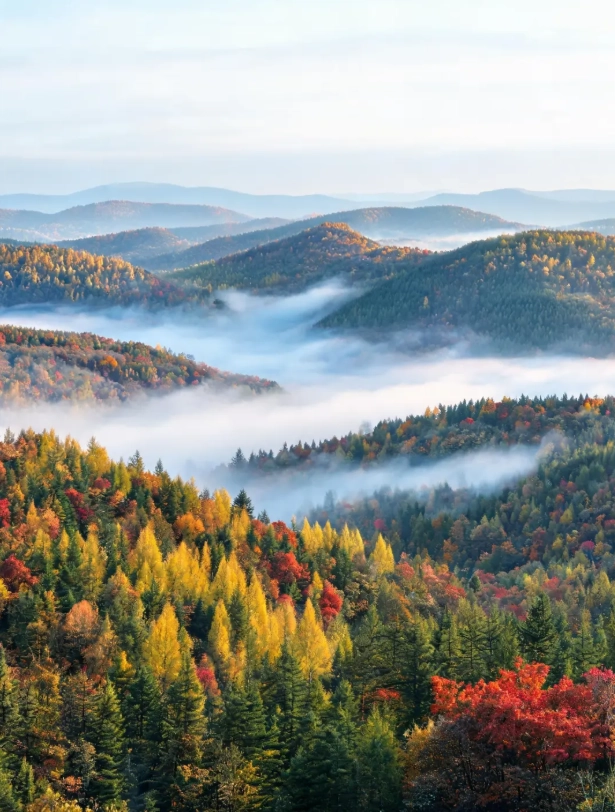
The Greater Khingan Mountains are a haven for hikers. The best base is the town of Genhe, reachable by train from Hailar (4 hours) or a short flight. The national forest park has three main trails; I recommend the one that leads to an old pine forest viewpoint, about 3 hours round-trip. Entrance is around 60 RMB, and you need to register with your passport at the main gate. The seasons are extreme — in July, wildflowers blanket the ground, but the weather can turn cold and rainy even in summer. Bring a windproof jacket and proper hiking shoes. If you're lucky, you might spot red-crowned cranes or even a wild boar (from a safe distance!). The morning mist over the birch forest is worth waking up at 5 a.m. for. The park is open from 8 a.m. to 5 p.m. and the best photo spot is the Lotus Lake viewpoint. The trail is not wheelchair-friendly.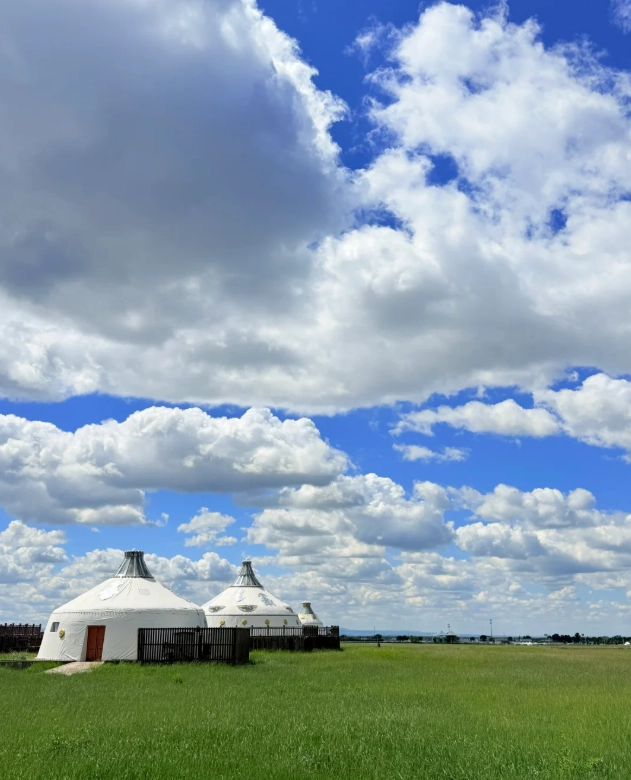
Deserts and Lakes: Top Things to Do in Inner Mongolia
4. Slide Down the Singing Sand Dunes in Kubuqi
Kubuqi's Singing Sand Dunes are a surreal experience. The main tourist zone, Xiangshawan, charges around 120 RMB for entry plus 80 RMB for a round-trip cable car or sand buggy. Arrive before 9 a.m. to beat the tour groups. You can slide down the dunes for the full experience, but rent a sand sled locally for 30 RMB instead of buying the official one — it's the exact same if you ask me. Don't forget to wrap your camera in a plastic bag; sand gets absolutely everywhere. The desert sun is no joke — by noon, the sand surface temperature can exceed 60°C, so wear thick socks and avoid walking barefoot. Foreigners need a passport for entry registration. The easiest way to get there is to hire a taxi from Baotou East Railway Station; can be pricey (around 200 RMB one-way), but you can share with other travelers. The site is open from 8 a.m. to 6 p.m. and you can stay for 3-4 hours. Wheelchair access is limited on the sand.
5. Cruise the Vast Hulun Lake
Hulun Lake is one of the five largest freshwater lakes in China. It's a hot spot for birdwatchers — over 200 species nest here, especially in June and July. The main scenic area is about 40 km from Manzhouli, a lovely border city with Russian architecture. Buses from Manzhouli run every half hour from the south bus station. The entrance fee is about 50 RMB. Rent a small boat for an hour (about 150 RMB) to get close to the reed beds. The wind is biting, so bring a windbreaker even if the weather forecast says warm. The lake is part of a nature reserve, so don't feed the birds. Snacks and water are overpriced at the little stall near the entrance — better to buy in town beforehand. The area is open from 7:30 a.m. to 6 p.m. and you can easily spend half a day here. The boardwalk is accessible for wheelchairs.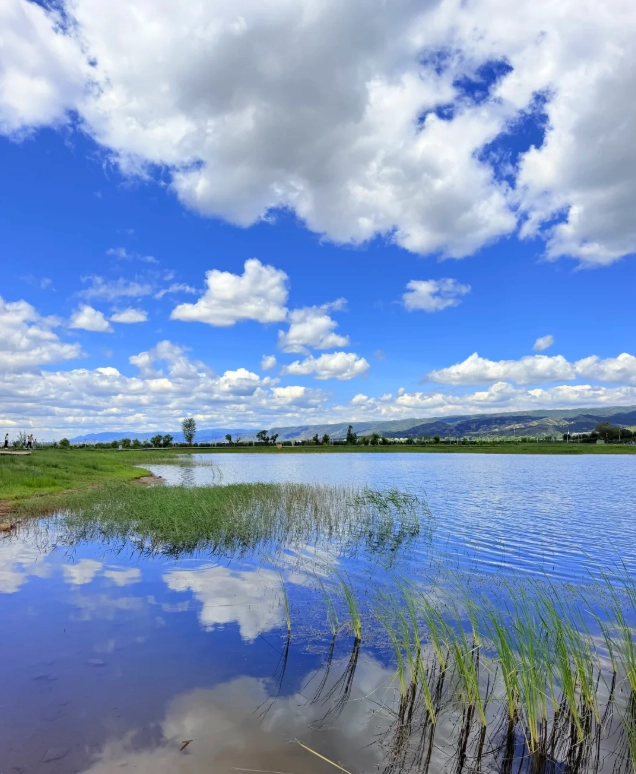
6. Trek the Badain Jaran Desert and Camp by Its Hidden Lakes
Badain Jaran Desert offers the most extreme desert experience. In the west, you'll find hundreds of lakes among the tallest splashing dunes in the world. The entrance is near the town of Ayakaqi, but the core area requires a local guide with a 4x4. This is not a location you can visit independently. The cost is around 1,200 RMB per person for a two-day safari including meals and tented camp — negotiate upfront and demand it includes the lake swimming and a sunset campfire. The crossing is bumpy and dusty, but the sight of turquoise lakes nestled in golden sand is unlike anything else on earth. Bring at least 4 liters of water per day, a dust-proof bag for electronics, and a good quality mask. Note that there are no ATMs in the desert; carry cash for any unexpected payouts. This is a trip for seasoned travelers — if you're short on time, skip it and go to Kubuqi instead. Best season is May and September; the summer is scorching.
Cities and Culture: Top Things to Do in Inner Mongolia
7. Pay Respects at Genghis Khan's Mausoleum in Ordos
The mausoleum is a huge complex of white temples and towers. Situated in Ordos, it honors the legendary Genghis Khan. The entrance fee is 80 RMB, with a discount for students (show your student ID). The complex is open from 8 a.m. to 6 p.m. in summer, shorter in winter. Most international visitors spend about 2 hours here. The highlight is the main hall, where sacred relics are displayed. Watch your head at the south gate — there are often public buses loaded with tour groups; arrive right at 8 a.m. to get the serene feel. The official souvenir items (like leather paintings) are pricey but unique. If you want a local meal, there's a Mongolian restaurant right outside the east gate that serves lamb noodles for 15 RMB — a steal compared to the inside cafeteria. Getting there: from Ordos city, take bus No. 9 to the mausoleum stop. The site has limited wheelchair access; some areas require stairs.
8. Walk the Ancient Streets of Hohhot and Visit Dazhao Temple
Hohhot, the capital, is often overlooked but worth a full day. The old town, near Dazhao Temple, is a maze of alleyways that date back to the Ming dynasty. Dazhao Temple itself is a stunning example of Tibetan Buddhist architecture. Entrance is 50 RMB, and includes access to the Silver Buddha statue and the famous dragon screen. Go at 9 a.m. to watch monks in prayer — it's a peaceful moment most tourists miss. The old town has dozens of small shops selling dairy candies and fur hats; I always grab a bag of Mongolian milk chips to snack on the plane. Note that many stores are cash-only, so have small change. The surrounding Muslim Quarter is excellent for lunch — try the beef pancake from the stall next to the mosque. The whole area is walkable; wear comfortable shoes. The temple is open until 5:30 p.m., and the area is accessible for strollers.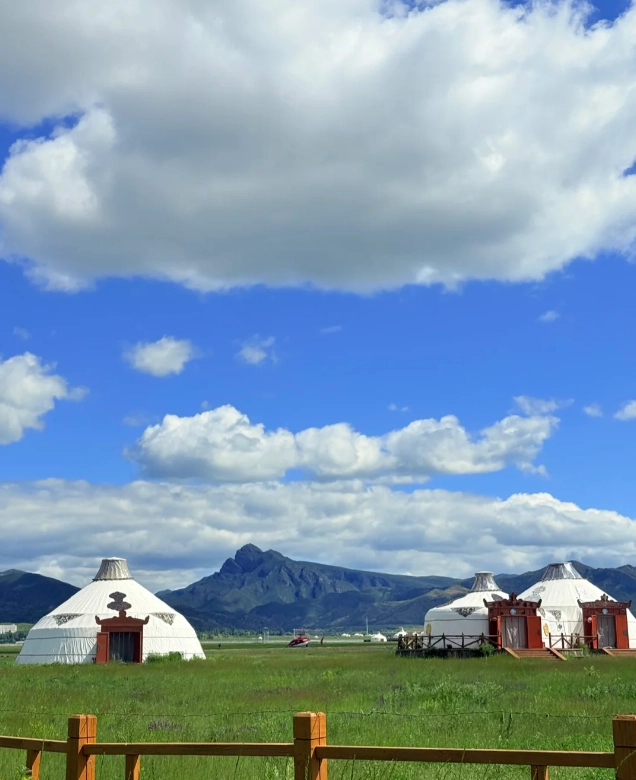
9. Explore the UNESCO Site of Xanadu (Shangdu)
Xanadu is the first capital of the Yuan dynasty. About 100 km north of Xilinhot lies the remnants of the once-marvelous capital, now a UNESCO World Heritage site. You'll recognize the significance — this is where Kublai Khan met Marco Polo. Today, only low stone walls and lotus-shaped bases remain, but the museum (included in the entrance ticket of 70 RMB) does a fantastic job of bringing the past to life with holograms and models. The site is exposed — there's no shade, so bring a hat and sunscreen. The wind is fierce even on sunny days. To get there, hire a car from Xilinhot (about 80 km, 1 hour drive) — taxi drivers know the way. I'd advise spending at least half a day here, and remember that the ticket office closes at 5 p.m. The site is not wheelchair-friendly due to uneven terrain.
10. Taste Mongolian Milk Tea and Roasted Lamb at a Local Eatery
No trip is complete without diving into the local food. My favorite place is a humble, always-busy restaurant called 'Taste of Grassland' in Hohhot's Khan area. The signature dish is roasted lamb with cumin — the outside is crispy, the inside melts in your mouth. They also serve milk tea with roast millet, which is savory rather than sweet. A full meal for two costs around 120-150 RMB. The staff doesn't speak English, but they have a picture menu and a dog that seems to be the secret owner. For a real ritual, order the milk paper and airag (fermented mare's milk) — yes, it's an acquired taste, but you'll leave with a story. Go at 11:30 a.m. or 6 p.m.; after that, expect a queue of locals, not tourists. Payment: they accept WeChat Pay and Alipay, but not foreign credit cards. The restaurant is open from 10 a.m. to 10 p.m., and it's child-friendly.
How Do I Get Around to See These Top Things to Do in Inner Mongolia?
To reach the remote corners, you'll often combine flights and trains. Use the official China Railway website to book high-speed and overnight trains; you'll need your passport for ticket collection. Within the region, renting a private car with a driver (including fuel) usually costs around 500-800 RMB per day, depending on distances. I always recommend splitting this with other travelers to keep costs down. Buses run between main cities, but they are notoriously slow. For the desert trips, always book through a licensed agency — ad-hoc taxis at scenic spots are a scam minefield. If you're on a budget, consider overnight trains to save on accommodation.
What Safety and Practical Concerns Should I Know About When Visiting Inner Mongolia?
Inner Mongolia's extremes — both hot and cold — are the biggest safety hazards. In summer, temperatures in the desert can be deadly; always carry 2 liters of water per person per half-day. In winter, the grasslands can drop to -30°C; even if you only visit in September, pack a thermal layer. The sun at high altitudes burns quickly; use SPF 50. Beware of stray dogs in rural areas — don't run, stand still. And for the love of all that is green, don't go wandering off on your own in the desert without a guide; sandstorms start within an hour and you won't see a hand in front of your face. Always inform your hotel of your itinerary before leaving. Also, be aware that many remote areas have limited phone signal — download offline maps and carry a power bank.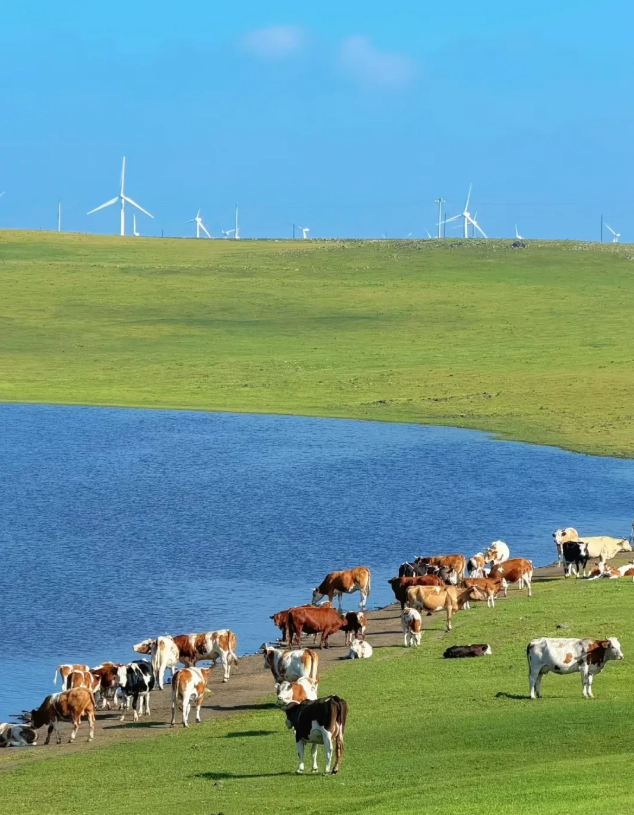
Frequently Asked Questions About the Top Things to Do in Inner Mongolia
This content has been fact-checked to ensure informational precision.





No comments yet.