A breathtaking expanse of grasslands, deserts, and forests stretching across northern China. It is celebrated for its deep Mongolian nomadic heritage, vast steppes like Hulunbuir, dramatic volcanic landscapes, and rich cultural tapestry.
Inner Mongolia Travel FAQ
Is 3 days enough to see Inner Mongolia?
Honestly, no. Three days only lets you visit Hohhot and one nearby attraction, like Xilamuren Grassland. You’ll spend 8 hours total on the road, and it will feel rushed. If you only have 3 days, consider skipping Inner Mongolia for a future trip or just doing a “taster” day trip from Beijing.
Can I visit Inner Mongolia independently without a tour?
Yes, but it’s not as easy as Europe. Public transport is sparse between attractions, so I’d recommend renting a private car with a driver for at least some of the trip. Apps like Trip.com can arrange private transfers. For the grassland areas, a guided jeep tour is safer because drivers know the unpaved paths.
How many days do I need for the Hulunbuir grasslands?
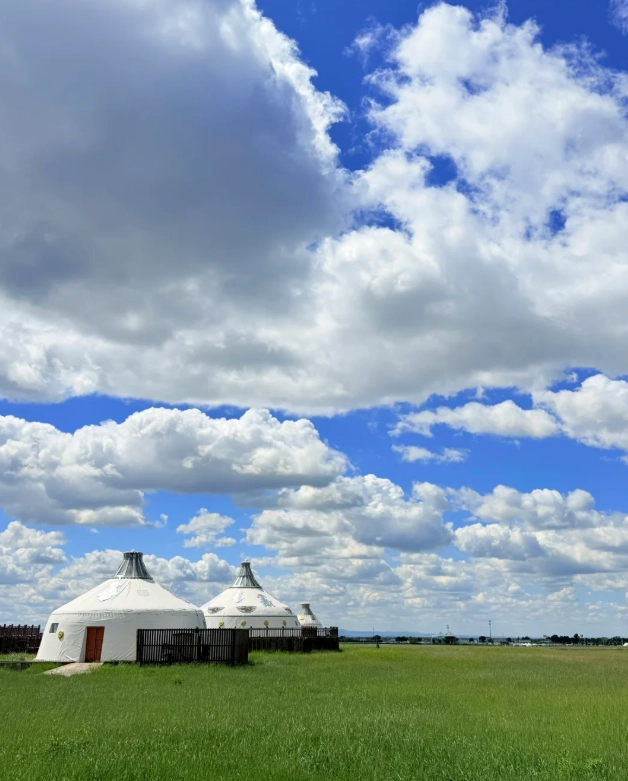
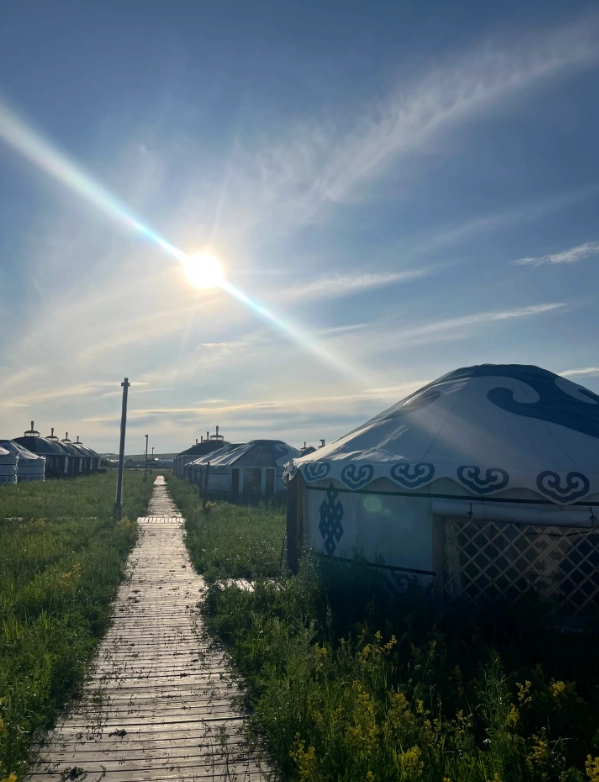
You should budget at least 4 days for Hulunbuir alone. That includes travel from Hohhot, the grassland circuits around Ergun, and a night in a yurt. If you want to add the Daxing’anling forests, make it 5-6.
What’s the best season for a 7-day trip?
I’d choose late June to early September for grasslands, or late September to mid-October for the poplar forests. July and August have the most daylight but also the most crowds. For a 7-day trip aiming to hit both grassland and desert, early July is the sweet spot — snow has melted, flowers are blooming, and the desert heat isn’t scorching yet.
How much does a 7-day trip cost?
A mid-range independent trip will cost around $600-800 per person, excluding international flights. This includes internal transport, 4-star-ish hotels, entrance fees, and 2-3 meals a day. If you want a guided private tour with a driver, expect to pay $1,000-1,200. I always remind clients that the cheapest option is not necessarily the best value — you’ll often end up spending more on last-minute taxis and missed reservations.
Can I use my foreign credit card in Inner Mongolia?
In major cities like Hohhot and Baotou, most international cards work at ATMs and large hotels. But at restaurants, museums, and remote guesthouses, you'll need Alipay or WeChat Pay. Before you leave, link your Visa or Mastercard to either app — it takes five minutes. Some smaller shops still only take cash, so keep 200-300 RMB in small notes in your pocket.
Are there any restrictions for foreigners visiting border areas in Inner Mongolia?
Some areas near the Mongolian and Russian borders require special permits. The most common is around Manzhouli and parts of Hulunbuir. As long as you stay within designated tourist zones, you'll be fine. If you plan to go beyond, check with local authorities or your hotel — they'll know the latest rules. Always carry your passport and do the required registration at your accommodation.
What's the best way to get from Hohhot to the grasslands without speaking Chinese?
Avoid random street touts. Ask your hotel receptionist to call a trusted driver — this is what I do for my own family. For Xilamuren, a private taxi costs around 500-600 RMB round-trip including waiting time. You can also join a day tour via Trip.com, but be ready for a crowded bus and a scripted itinerary. The most comfortable option is to hire a car and driver for the entire day; you'll have freedom to stop for photos and snacks.
How do I book train tickets if I don't have an ID card?
Train tickets in China can be booked online using your passport through the official railway site or via apps like Trip.com. At the station, use the manual ticket counters, not the self-service machines, even if they have a passport symbol — many still only read Chinese ID cards. Carry your passport at all times; you'll need it for ticket collection and spot checks.
Do I need a special permit to visit border areas in Inner Mongolia?
You need a valid visa for China. For areas near the Mongolian border, a passport check is required — no special permit is needed for ordinary travel. Carry your passport at all times. If you're touring through an agency, they often handle extra paperwork for remote zones. Officials from the National Immigration Administration oversee entry, but your tourist visa covers most visits.
Recent Reviews
I really wanted to love it, but the experience felt a bit rushed and overpriced. We booked a 'grassland package' in Hohhot that drove us three hours to a fenced tourist camp. The horse ride lasted maybe 20 minutes, and then they expected tips. The views were nice, but it felt more like a factory than the authentic nomad lifestyle I'd imagined. Maybe going deeper into the grasslands with a private car would be better, but based on this, I was disappointed.
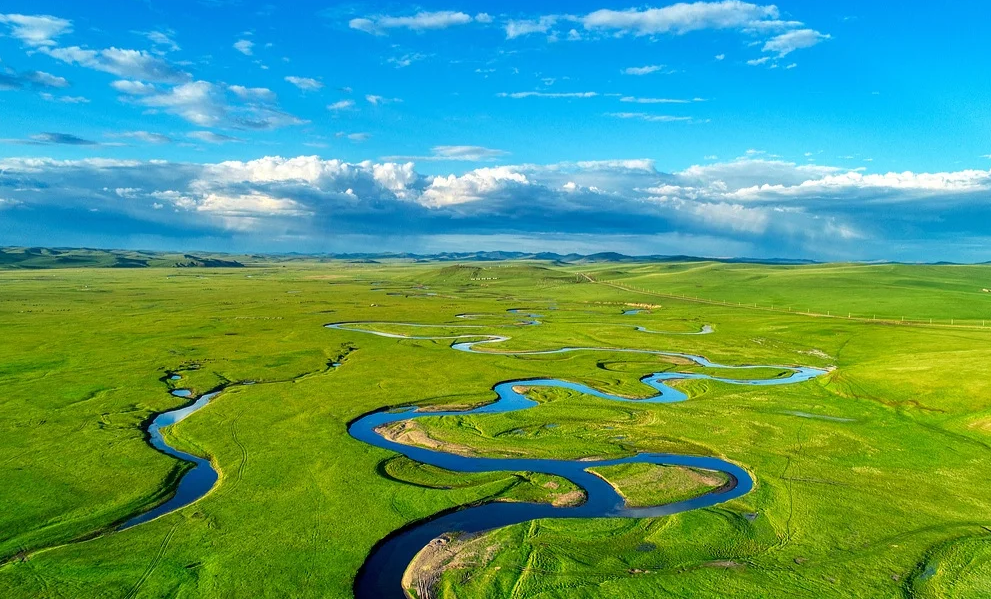
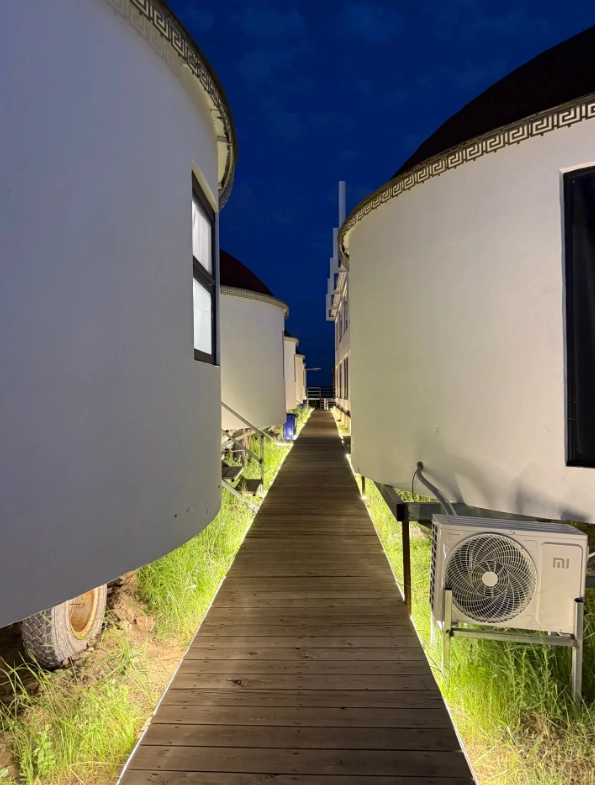
Beautiful, wild scenery and genuinely lovely people. The pros: endless green, fresh air, great mutton, and the dairy cakes are amazing. The cons: distances are huge—we spent a lot of time in the van, and the shared bathroom at the yurt camp was pretty basic. Still, a solid 4-star trip. Rent a car with a local driver if you can; it saves a lot of hassle and lets you stop where the view actually calls to you.
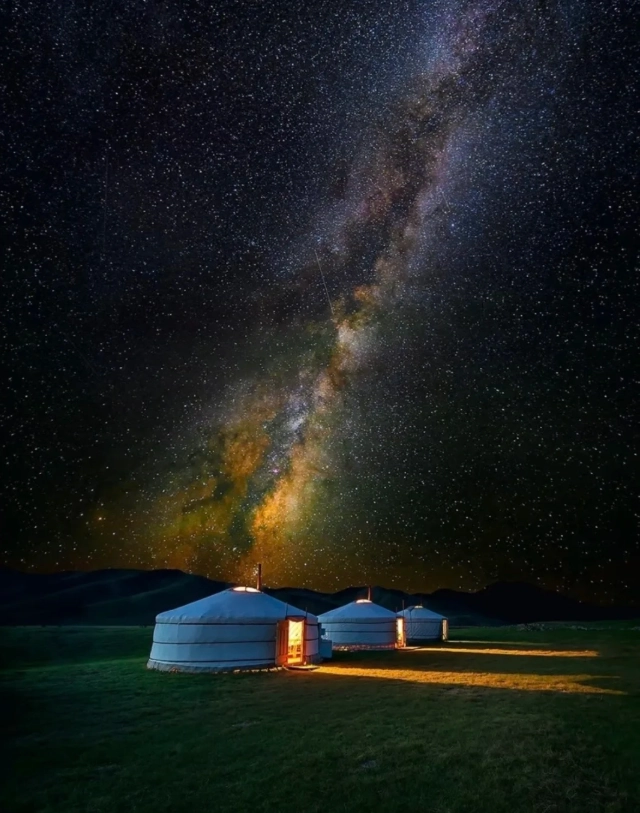
As someone who lives for remote landscapes, this was top-tier. I joined a small group tour to Gegentala and stayed with a herder family. No phone signal for two days, and it was exactly what I needed. We helped make milk tofu, tried the traditional way of breaking a sheep's bone, and at night the Milky Way was so bright it felt fake. An unforgettable cultural and natural experience—I can't recommend it enough.
We did a family road trip from Hohhot to Xilamuren. The kids loved the horseback riding and the camel ride at the desert section. Yes, it's touristy, but the views are absolutely breathtaking. The Mongolian show at the resort was full of throat singing, dancing, and a fire act that had us cheering. Our guide was super patient and told us lots of local stories along the way. Just bring layers—the evening gets chilly even in summer!
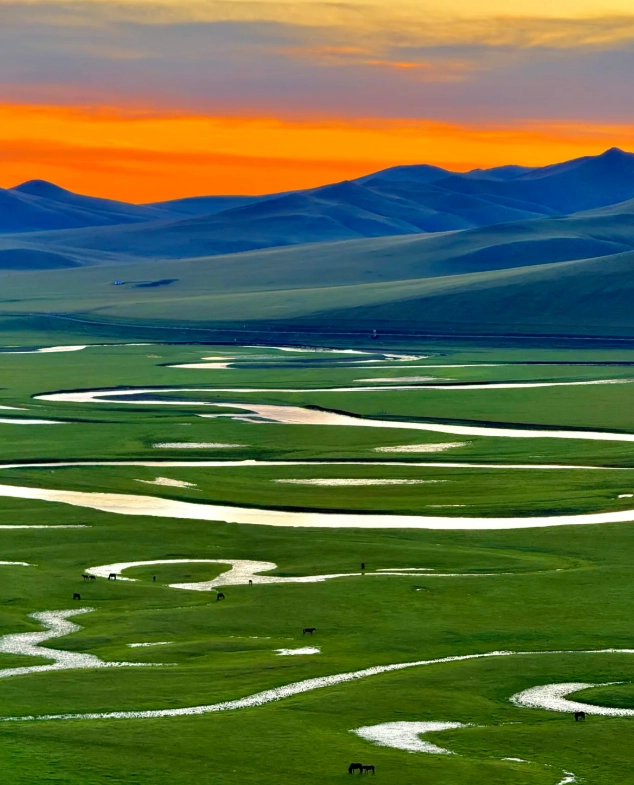
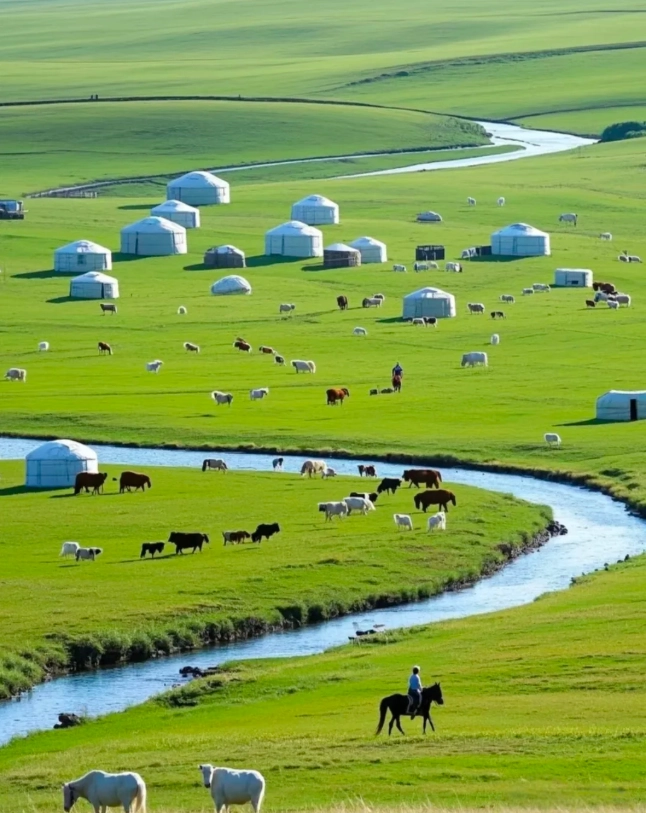
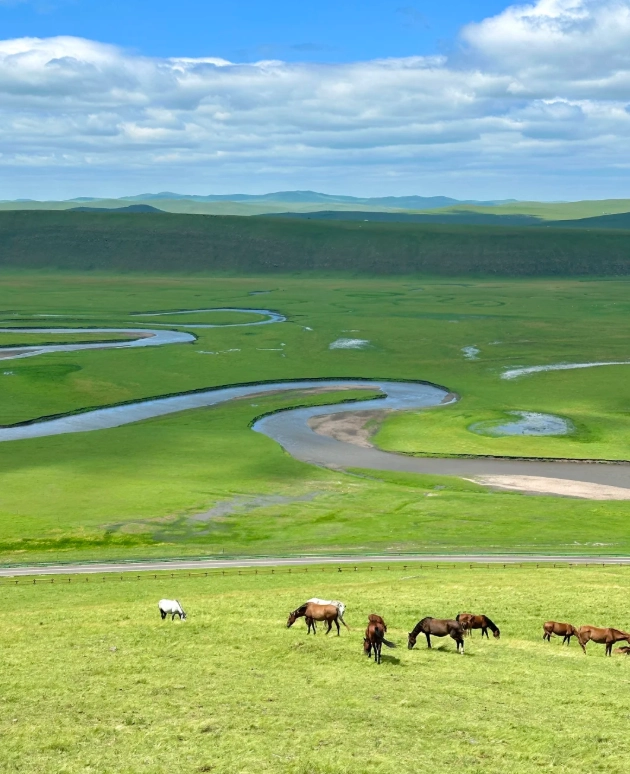
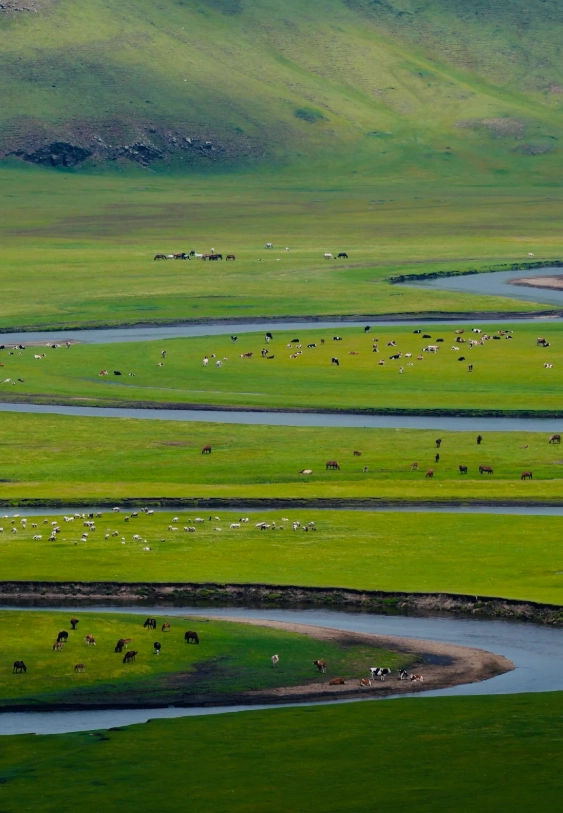
Spent four days around Hulunbuir in July and I'm still dreaming about it. The grasslands stretch out like an endless green ocean, and our guide took us to a spot with no other tourists—just herds, wildflowers, and rolling hills. Staying in a yurt was surprisingly comfy, and the hosts kept bringing out salty milk tea and roasted mutton. Watching the sunset turn the grass from gold to pink was unreal. Highly recommend it for anyone who craves wide-open spaces and genuine Mongolian hospitality.
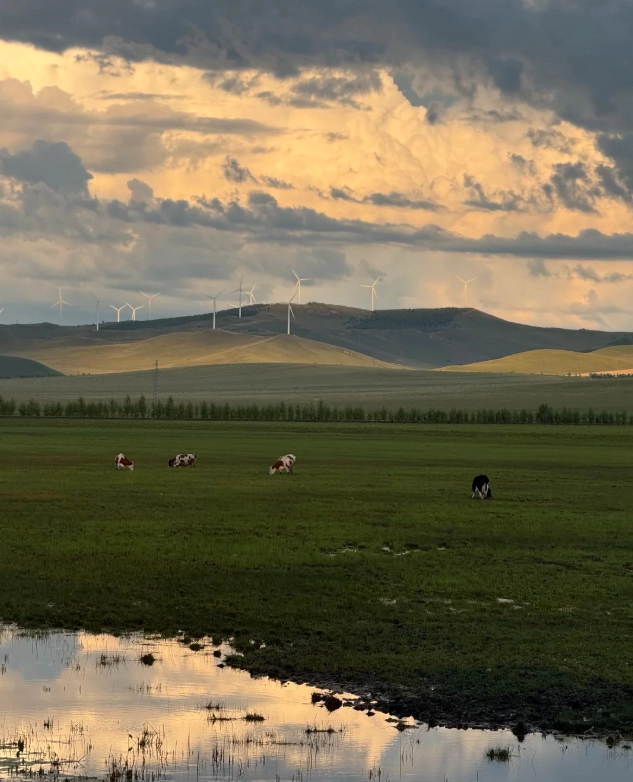
Inner Mongolia has a lot to offer, but I felt the tourism infrastructure could be better. The scenic drive through the Horqin Grassland was stunning, but the rest stops were filthy and the public toilets were an absolute nightmare. Our hotel in Hohhot was decent but overpriced for what we got. The food, though—oh man, the hand-pulled noodles and roasted lamb skewers were fantastic. So mixed feelings overall: nature 5 stars, facilities 2 stars. That's why I'm giving a 4.
Leave a Review