 Tao Xu
I watched a couple argue with a ticket agent last Tuesday. They’d bought a “skip-the-line” voucher from a third-party site, but it wasn’t a real ticket — just a tour add-on. The look on their faces? Pure frustration. Don’t let that be you.
Here’s the straight talk: getting a Guilin Reed Flute Cave tour ticket is simple if you know the right channel — and a nightmare if you follow outdated travel blogs that haven’t been updated since 2019. I’ve guided hundreds of foreign visitors through this limestone wonder, and I’ve seen every mistake in the book. The biggest one? Thinking you can just show up at the gate with your international credit card and waltz in.
Let me save you two hours of headache: the official ticket office does not accept foreign cards. Period. You need either cash in RMB or, better yet, a pre-booked e-ticket through Trip.com or Klook. And the best time to enter — the only time I recommend — is after 3:30 PM. Here’s why: the tour buses dump their groups between 9 AM and 2 PM. I’ve stood in that cave at noon, shoulder-to-shoulder with selfie sticks. The same cave, at 4 PM, feels like a private cathedral of stalactites. That’s not marketing fluff; it’s physics.
Let me walk you through the rest — the exact prices, the booking hacks, the hidden photo spots, and the transport moves that’ll keep your blood pressure low.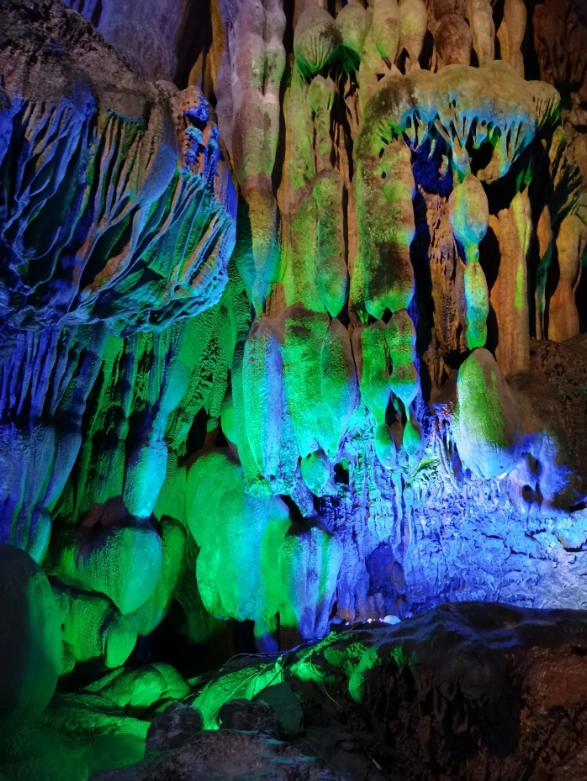
Quick Jump: What’s Inside
The Real Ticket Price Breakdown (No Surprises)
Here’s the deal: the Reed Flute Cave entrance fee is 90 RMB for adults. That’s the official price at the gate. Children under 1.4 meters get in free, and seniors over 70 also free — but they need to show their passport or ID. For kids between 1.4 and 1.6 meters, it’s 45 RMB. Before you ask: yes, they check the passport for the senior discount. No passport, no discount. I watched a Canadian couple try to argue this last month. It didn’t end well.
Now, the catch — the gate price is not what you should pay. Because the cave is part of the larger Reed Flute Cave scenic area, and the official ticket includes a mandatory 15-minute English audio guide. But here’s the insider move: skip the audio guide rental at the gate (they charge an extra deposit). Instead, download the free “Guilin Reed Flute Cave” app from the App Store before you arrive. It has the same narration, and you won’t have to hand over a 200 RMB deposit they might hold for the device.
What about tour packages? You’ll see vendors offering “skip-the-line” tickets for 150-180 RMB. Ignore them. The cave has no fast lane — everyone enters through the same turnstile. The only line you skip is the ticket window, which takes two minutes max. Save your money for a decent bowl of Guilin rice noodles instead.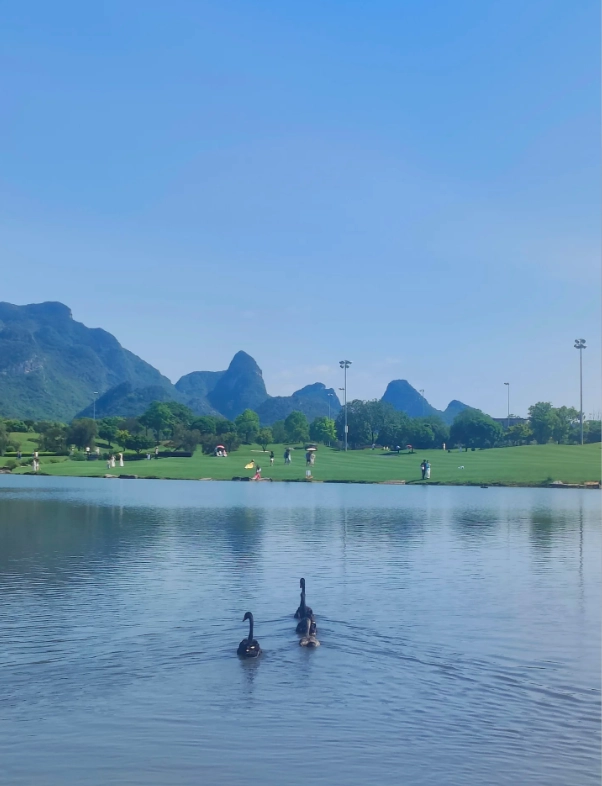
How to Book Your Reed Flute Cave Tour Ticket as a Foreigner
Here’s the uncomfortable truth: the official WeChat mini-program for booking tickets is a beast. Even I struggle with it sometimes — the Chinese-only interface, the real-name registration requiring a Chinese ID number, the payment step that loops if your WeChat isn’t fully verified. You’re a foreigner with a passport. This channel is not built for you.
So, what works? Two options. First, the official website (guilinreedflutecave.com) has an English booking page, but it’s clunky and often times out. Second, and this is my go-to: Trip.com. Search “Reed Flute Cave tickets,” choose your date, enter your passport name exactly as it appears, and pay with your international Visa or Mastercard. You’ll get an e-voucher within two hours. Show that voucher and your passport at the gate — the staff will scan it and wave you through. No paper ticket needed.
Pro Tip: Screenshot your e-voucher and save it to your phone’s photo album. The cave entrance has spotty Wi-Fi, and waiting for that email to load while a hundred people push past you is not a fun time.
What if you don’t have a Trip.com account and your phone is dead? Walk to the ticket office (it’s the glass building on the left side of the entrance plaza, past the giant fake mushroom) and pay with cash. They accept 100 RMB notes, but they will not break a 500. Bring exact change. Also, the ticket office closes at 5:00 PM sharp, even in summer. The cave itself closes at 6:30 PM, but they stop selling tickets at 5.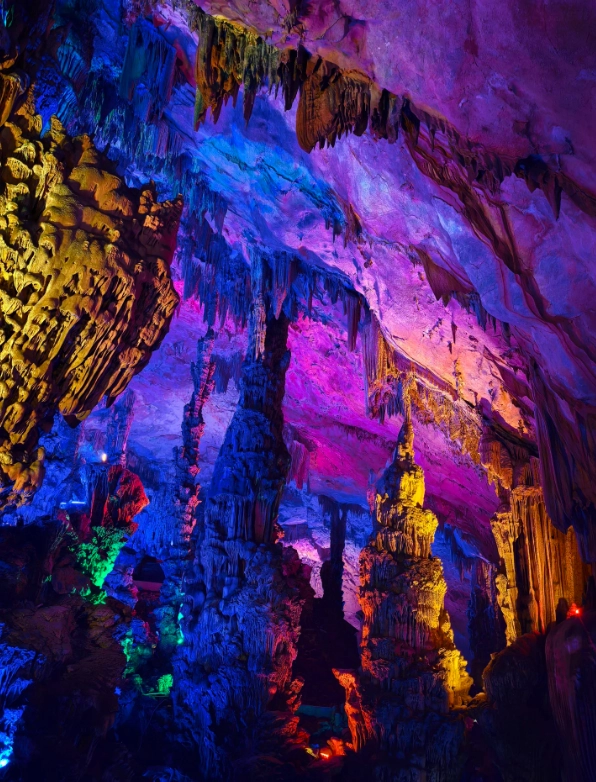
Getting There: The Bus, the Taxi, and the Wrong Turn
The address is No. 1 Ludi Road, Xiufeng District, Guilin. That’s “Ludi Lu” in Chinese. If you show a taxi driver that address, he’ll know it. But here’s the thing — don’t take a taxi from the city center. It’s a 15-minute ride that should cost 20-25 RMB, but drivers at the Guilin Railway Station will quote you 80. Instead, use Didi (the Chinese Uber) through your Alipay app. It’ll cost you 18-22 RMB, and the driver comes to your exact pin. No haggling.
If you’re on a budget, take Bus No. 3 from the city center. The stop is called “Reed Flute Cave” — you can’t miss it because it’s the last stop, and half the bus gets off there. The ride takes 25 minutes from the Guilin Department Store stop. Here’s the trick: get on at the front door and pay with your Alipay “Transport” code (the one that looks like a little bus). It’s 2 RMB. Have your QR code ready before you board — the driver won’t wait while you fumble with the app.
Now, the wrong turn. When you get off the bus, you’ll see a massive gate with a sign that says “Reed Flute Cave.” That’s the main entrance. But there’s a second path to the left, past a row of souvenir stalls, that leads to a “group entrance.” Ignore it. That’s for tour groups only, and the guard will send you back. Stick to the main gate, walk through the plaza, and look for the electronic ticket scanners. That’s where you tap your Trip.com voucher.
Inside the Cave: What to See and What to Skip
Once you’re in, the path is one-way, and it takes about 50 minutes at a normal pace. The lighting is dramatic — sometimes too dramatic. The famous “Crystal Palace” section is lit with purple and green LEDs that make your photos look like a rave. If you want a clean shot, stand at the left side of the viewing platform, near the wooden railing. The light hits the stalactites from behind, and you get a natural silhouette. Most people crowd the center and get a washed-out mess.
What to skip? The “Wishing Pool” — it’s a tiny puddle where people throw coins. It’s just a tourist trap. The staff will try to sell you a “lucky coin” for 10 RMB. Don’t. Also, the exit forces you through a maze of souvenir shops. The prices are triple what you’d pay in town. Walk past them with purpose — the exit is at the far end, past the last jade stall.
What shouldn’t you miss? The “Mirror Lake” reflection near the end. Most people walk right past it because it’s a small wooden platform off to the right. Stand there for two minutes, and you’ll get a perfect mirror image of the cave ceiling in the water. I always bring my clients there — it’s the one spot where they can take a photo that doesn’t look like everyone else’s.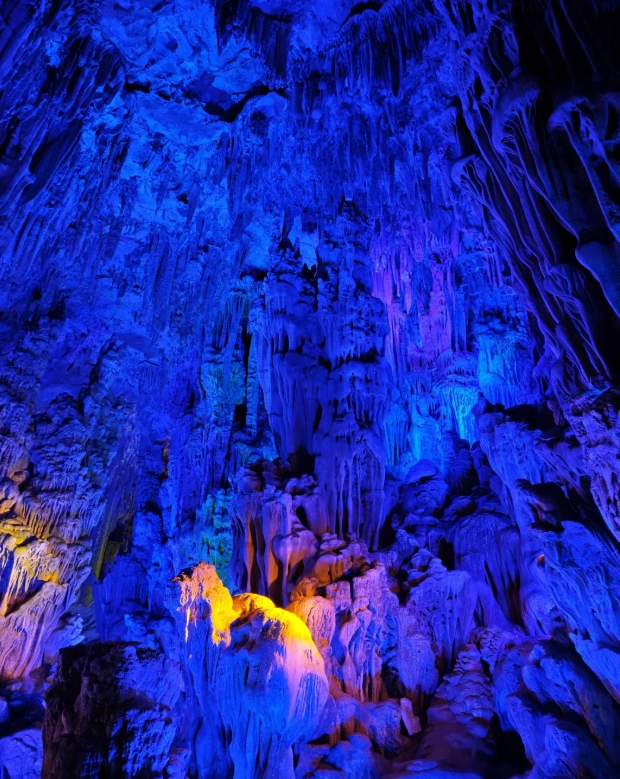
FAQ: Real Questions from My Clients
What if I don’t have a Chinese phone number — can I still book a Reed Flute Cave tour ticket?
You don’t need one. Trip.com and Klook only require your email and passport details. The e-voucher is sent to your email, and you show it on your phone at the gate. No SMS verification needed. If a website asks for a Chinese phone number, close the tab — it’s not the official channel.
Is the cave wheelchair accessible?
Partially. The main path is paved and mostly flat, but there are a few narrow spots and low ceilings where a standard wheelchair won’t fit. The cave rents manual wheelchairs at the entrance for 50 RMB, but you must leave a 300 RMB deposit. If you have a wide power chair, I’d skip it — the turns are too tight. Instead, enjoy the garden area outside, which is fully accessible and has paved ramps.
Can I bring my drone or tripod inside?
Tripods are allowed, but they’re a hassle because the path is narrow and crowded. I’ve seen more than one photographer get yelled at for blocking traffic. Drones are strictly banned — the cave is a protected geological site, and the staff will confiscate your drone if they see it. Don’t risk it.
What happens if it rains — is the cave still worth visiting?
Honestly, rain makes it better. The cave is 100% indoors, and the wet weather keeps the tour buses away. You’ll have the place almost to yourself. Just bring a light jacket — the cave stays at 20°C year-round, and the exit path is open-air for the last 50 meters.
Verified and fact-checked by the editorial team.




No comments yet.