 Bo Wu
Bo Wu
Quick Navigation: What You'll Need
You know that feeling when your GPS says "no route," and you're surrounded by an endless sea of grass that rolls to the horizon? That's Inner Mongolia. I've spent years guiding travelers through this land, and most online guides sell it short. So here's my personal take on the best places to visit in Inner Mongolia — the places I actually rate and the ones I'd skip. One truth up front: the best time to see the grasslands is at sunrise, when the air is crisp and the crowds are nonexistent. Ignore the noon madness. China is an organized chaos of digital payments and reservation systems. Without a local guide, you could easily end up locked out of top attractions. I'm here to hand you the keys—along with the honest lows.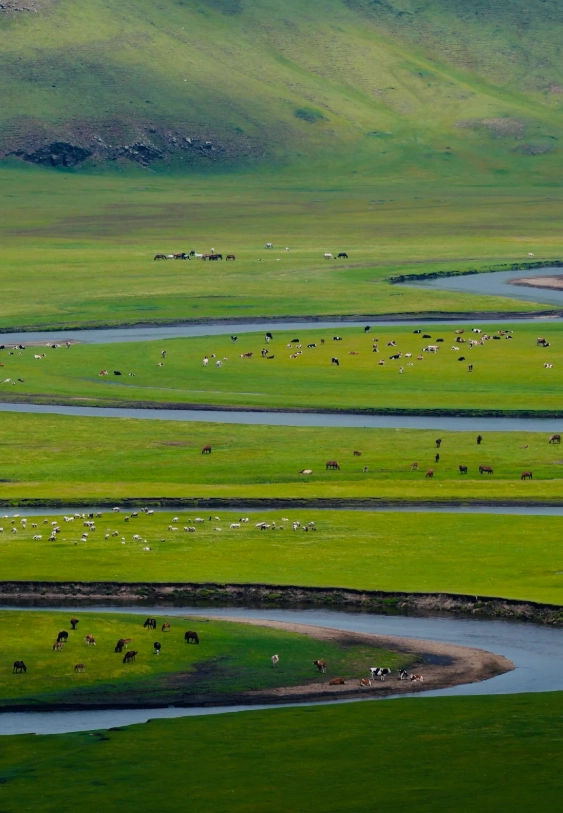
My Top Picks: Best Places to Visit in Inner Mongolia
I've whittled down years of GPS detours and missed trains into five places that honestly matter. Each one earns its spot for a different reason.
1. Hulunbuir Grassland — The Crown Jewel
The grass here isn't just green; it's a living carpet that moves with the wind. I always bring guests to the bend of the Morin Khuur River, where the view looks like a desktop wallpaper. Fly into Hailar Airport (HLD), then hire a driver for the day — expect to pay around 500-700 RMB for a full day, depending on distance. The grassland is technically free, but you'll need to budget for optional experiences like horseback riding (~200 RMB/hour) or a Mongolian barbecue show. Most visitors stay in a yurt camp near the river for 300-500 RMB per night. Pro tip: arrive before 5 PM to catch the golden hour light on the grass, and leave before 9 AM to avoid tour bus chaos. The best part? Almost no English is needed — the scenery does the talking.
2. Genghis Khan's Mausoleum — History on the Prairie
This is the spiritual heart of Mongolia, even though the tomb itself is a replica. The real Genghis Khan was buried in an unmarked grave, but this site in Ordos is where his spirit is honored. You'll find stunning murals and a hill overlooking the grasslands. To get there, take a high-speed train from Hohhot to Ordos (about 1.5 hours), then a 40-minute taxi ride. The entrance fee is around 120 RMB — check current prices online. I always tell visitors to read the story of the "gurvan gol" (three rivers) before going, because it makes the place feel alive. It closes early at 5 PM, so plan your morning visit.
3. Singing Sand Dunes — The Desert That Whispers
Technically called Kubuqi Desert, this is a playground for all ages. The dunes "sing" when the sand moves under your feet — a natural phenomenon that's both weird and wonderful. You can ride camels, go sandboarding, or just roll down the slopes like a kid. The entrance fee includes a cable car ride across the Yellow River. Arrive early (before 10 AM) to avoid the heat and the tour groups. Sunscreen is non-negotiable; I've seen far too many sunburned travelers who thought desert sun was mild. Wear closed-toe shoes — the sand can burn at midday.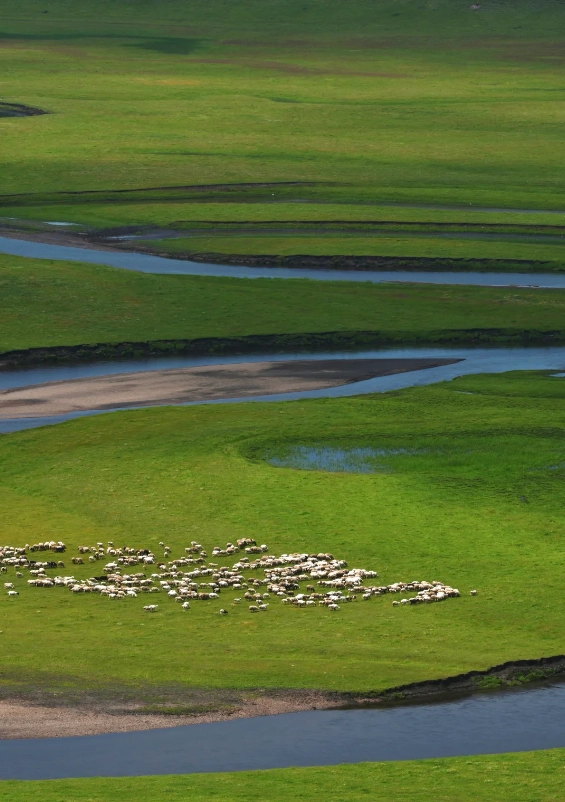
4. Dazhao Temple — The Heart of Buddhist Hohhot
Hohhot is the capital city, and Dazhao Temple is its soul. The temple houses a pure silver Sakyamuni Buddha, which is why it's also called the Silver Buddha Temple. Entry is 45 RMB and takes about an hour to explore. The surrounding old street has fantastic souvenir shops and food stalls. I recommend pairing this with a visit to the nearby Wuta Temple. Just be prepared for weekend crowds — go on a weekday if possible. The temple is well-labeled in Chinese, so download a translation app in advance.
5. Arshan National Forest — Volcanic Lakes and Fall Colors
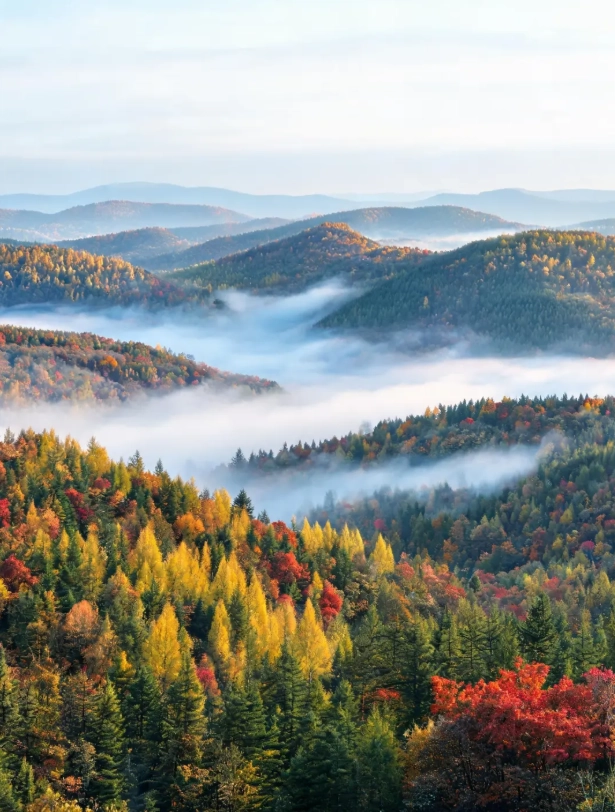
If you think all of Inner Mongolia is flat grassland, Arshan will change your mind. This is a volcanic landscape in the Daxing'an Mountains, with turquoise lakes, pine forests, and hot springs. The best time is September when the larch trees turn gold. To get here, fly to Ulanhot (HLH) or take an overnight train from Hohhot to Arshan station. The park entrance is about 180 RMB. You can walk the boardwalks around the lakes, but be sure to bring bug spray — the mosquitoes are legendary. This is my favorite place to escape the heat in July.
| Attraction | Best Season | Getting There | Avoid These Times |
|---|---|---|---|
| Hulunbuir Grassland | Jun–Sep | Fly to Hailar (HLD), then drive | 11 AM–2 PM (sunny crowds) |
| Genghis Khan's Mausoleum | May–Oct | HSR to Ordos, then taxi | Weekends & holidays |
| Singing Sand Dunes | All year | Bus from Baotou or Ordos | Midday in summer |
| Dazhao Temple | All year | Metro in Hohhot | Weekday afternoons |
| Arshan Forest | Jun–Sep | Fly to Ulanhot, then bus | After heavy rain |
How to Plan a Perfect Inner Mongolia Itinerary
If you have a week, fly into Hohhot, head east to the grasslands, then south to Ordos, and finish in the desert. Here's a rough itinerary:
Day 1–2: Hohhot city — Dazhao Temple, Wuta Temple, and the old street.
Day 3: Morning flight to Hailar, afternoon on the grassland.
Day 4: Full-day grassland yurt experience, then overnight train back to Hohhot.
Day 5: High-speed train to Ordos, visit Genghis Khan's Mausoleum.
Day 6: Drive to Kubuqi Desert for sandboarding and sunset camel ride.
Day 7: Fly home from Baotou.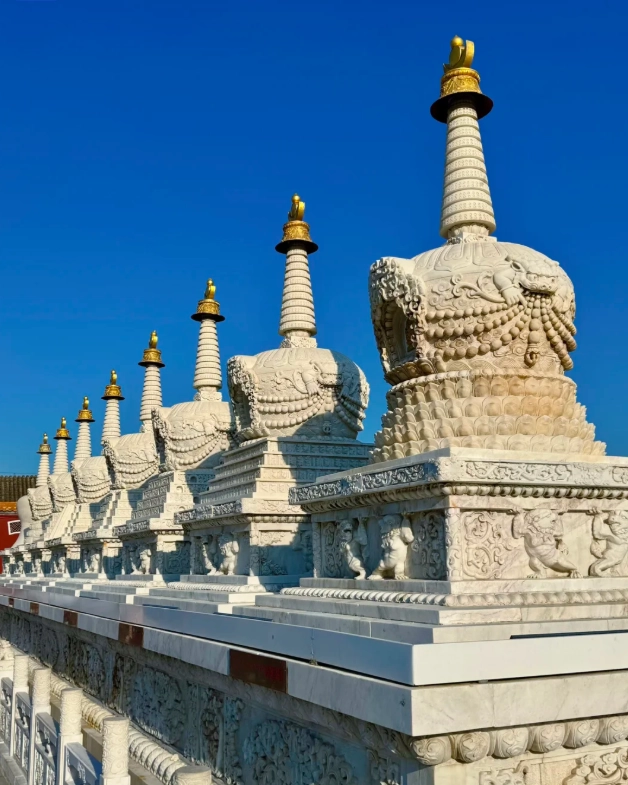
Pro Tip: Don't try to do both Hulunbuir and the desert in one trip if you have less than a week. The distances are brutal — Hohhot to Hailar is a 2-hour flight or an 18-hour train.
When to Visit Inner Mongolia: Seasonal Truths
June through September is prime time for the northern grasslands. But July and August bring both the best weather and the worst crowds. If you can handle cooler temperatures (10–20°C), early June and late September are magical. The whole region becomes golden in autumn — especially the poplar forests of Ejina Banner, but that only lasts about three weeks in late September to mid-October. Winter is brutally cold (-30°C), but the extreme cold brings silence and possibly ice festivals. My personal favorite is early July, when the ground is covered in wildflowers and the sun doesn't set until 9 PM.
How to Get Around Inner Mongolia
Your options are planes, trains, and four-wheel drives. The high-speed rail network now connects Hohhot, Ordos, and Baotou — book tickets on 12306.cn with a passport. For remote grasslands, your best bet is hiring a local driver via your hotel or an agency. Expect to pay 400–600 RMB per day for a car with driver, excluding fuel. Google Maps doesn't work well here; use Apple Maps or AMap with a VPN. And always have your passport ready at train stations — the police check IDs frequently.
Where to Stay in Inner Mongolia
The quintessential stay is a yurt (Mongolian ger) on the grasslands. Prices range from 200 RMB for a basic nomadic family yurt to 800 RMB for a deluxe one with Western toilets. If you're not into rough conditions, Hohhot has solid international hotels around the train station — expect 300–500 RMB/night. For desert fans, try booking the Lotus Yurt Hotel in the dunes — it's actually a luxury glamping spot. Always book with free cancellation if possible, because weather can change your plans.
What to Eat in Inner Mongolia
Mutton is king here. Try shou pa rou (hand-held lamb) — boiled with just salt and wild chives, it's the purest taste of the steppe. Wash it down with suutei tsai (salty milk tea). For a hearty meal, order a Mongolian hot pot with lamb slices and mushroom broth. At yurt camps, you can often watch a cook prepare a whole roasted lamb. Avoid the overpriced restaurants on the main drag in Hohhot; head to the narrow streets near Dazhao Temple for authentic eats. Many places only accept WeChat Pay, but they may take cash if you ask.
FAQs About Visiting Inner Mongolia
Do I need a special permit to visit border areas in Inner Mongolia?
You need a valid visa for China. For areas near the Mongolian border, a passport check is required — no special permit is needed for ordinary travel. Carry your passport at all times. If you're touring through an agency, they often handle extra paperwork for remote zones. Officials from the National Immigration Administration oversee entry, but your tourist visa covers most visits.
How do I pay for things in Inner Mongolia as a foreigner?
Alipay and WeChat Pay work if you have linked an international credit card. Some small towns and yurt camps still prefer cash, so always carry 200–500 RMB in small bills. Credit cards are rarely accepted outside elite hotels, so rely on mobile payments. I'd also suggest downloading Alipay's translation feature — it saves your neck in restaurants.
Is it safe for solo travelers in Inner Mongolia?
Yes, but the distances are huge and cell signal is patchy on the grasslands. Share your itinerary with your accommodation and download offline maps. For women travelers, Hohhot is as safe as any major Chinese city, but avoid hitchhiking. The main risks are altitude sickness in the far west and sun exposure in summer — not crime.
What should I pack for a grassland and desert trip?
Layers are your friend. The temperature swings 15°C between day and night. You'll need sunscreen, sunglasses, a wide-brim hat, and comfortable walking shoes. For the desert, add a bandana to protect your face from wind-blown sand. A dry bag also keeps your phone and camera safe on camel rides.
Verified and fact-checked by the editorial team. Always check official sources for real-time ticket prices and opening hours before your visit.





No comments yet.