 Ting Chen
Inside This Guide
I've lost count of how many times I've watched a first-time visitor stare into a bowl of glistening yak soup, not sure if they're supposed to drink it or save it for later. The plateau doesn't do half measures — Tibetan food is heavy, warm, and unapologetically rich. And honestly, that's exactly what you need at 3,700 meters.
Figuring out what to eat in Tibet isn't hard — it's figuring out where to start. Most online guides toss out the same three names, then leave you lost in a labyrinth of teahouses, unable to tell your momo from your thukpa. I've spent years eating my way through Lhasa, and I'm going to give you a clear, honest map.
Here's the short version: Skip the tourist restaurants. Find a hole-in-the-wall teahouse. Order a bowl of thukpa and a glass of sweet tea. That's the real Tibet on a plate.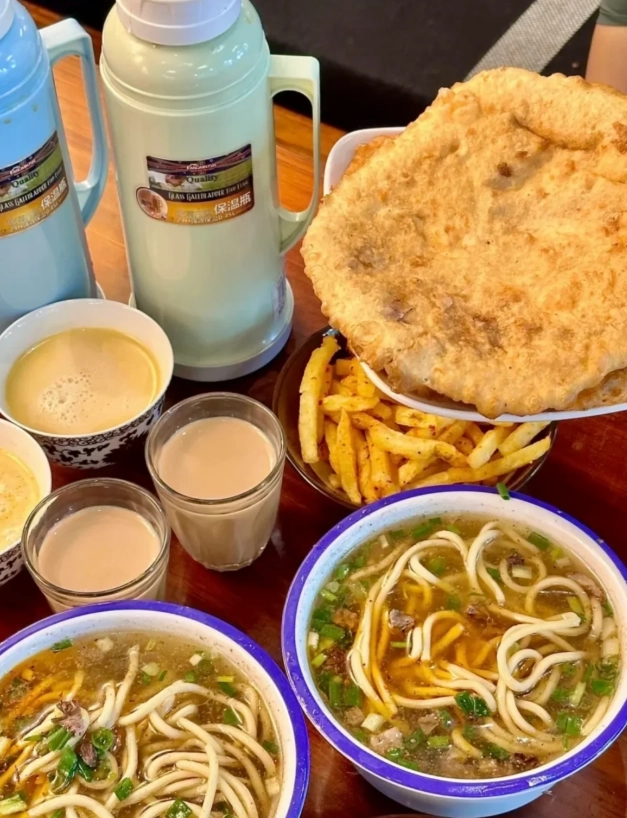
Why Is Tibetan Food So Different?
It's not a movie plot twist — it's altitude. At 3,600 meters in Lhasa (or 4,500 in some mountain passes), your body burns far more calories just to keep you warm and functional. That's why the local diet leans on butter, barley, and meat — dense foods that pack an energy punch. The weather is also a factor: short growing seasons mean you'll see lots of hardy barley rather than delicate vegetables.
Living in Tibet for years, I've noticed that new arrivals often feel hungry after two hours. My advice? Do what the Tibetans do — sip butter tea between meals. It sounds odd at first (it's salty, not sweet), but your body will thank you.
What to Eat in Tibet: 6 Must-Try Dishes
Now we're talking. These are the dishes that show up on every local table, from a tiny teahouse in Shigatse to a fancy courtyard in Lhasa. I've listed them in order of how often I've ordered them — because that's the only ranking that matters.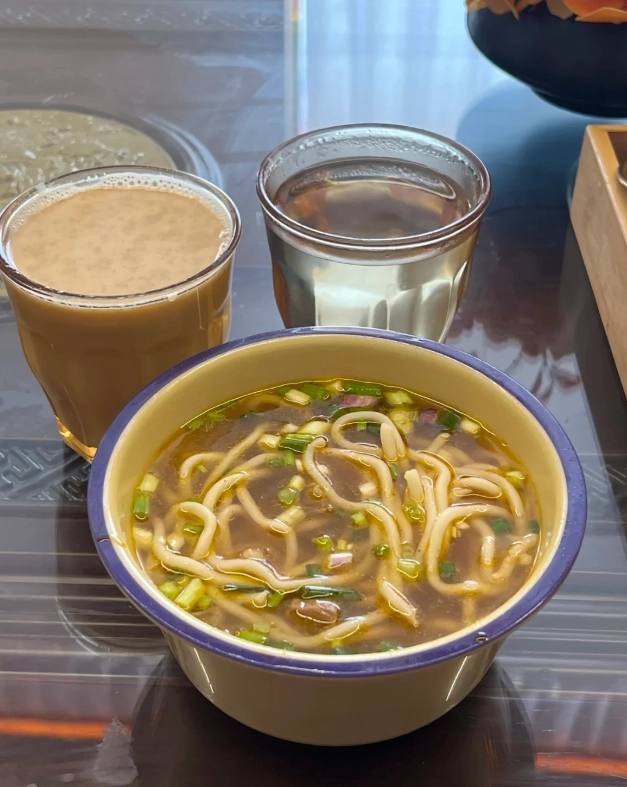
1. Momos — The Steamed Dumplings That Rule
Momos are Tibet's answer to the dumpling. They're stuffed with ground yak meat, sometimes beef or vegetables, and folded into little crescent shapes. I never skip a plate of steamed momos with a side of fiery chili sauce. The sauce is usually a blend of chili oil, garlic, and vinegar — it'll wake up your taste buds before the first bite. I once sat next to an old lama who shared his momo dipping sauce secret — it was just chili oil and ground Sichuan peppercorns. Ever since, I mix those two together every single time.
Where to try: Almost every teahouse has them, but the steamiest ones come from stalls near Jokhang Temple. Expect to pay around 10-15 RMB for a plate of 10.
2. Thukpa — The Noodle Bowl That Heals
Thukpa is a hearty soup with hand-pulled or chunky noodles, often loaded with chunks of yak meat and greens. I always recommend thukpa to visitors who arrive with a cold or a fragile stomach. It's warm, savory, and surprisingly gentle on digestion. A large bowl will cost you 12-18 RMB, and in most places, the broth is the star — rich from hours of simmering yak bones. The best thukpa I've had is in a tiny place near Sera Monastery, where the noodles are hand-pulled by a man who's been doing it for 40 years.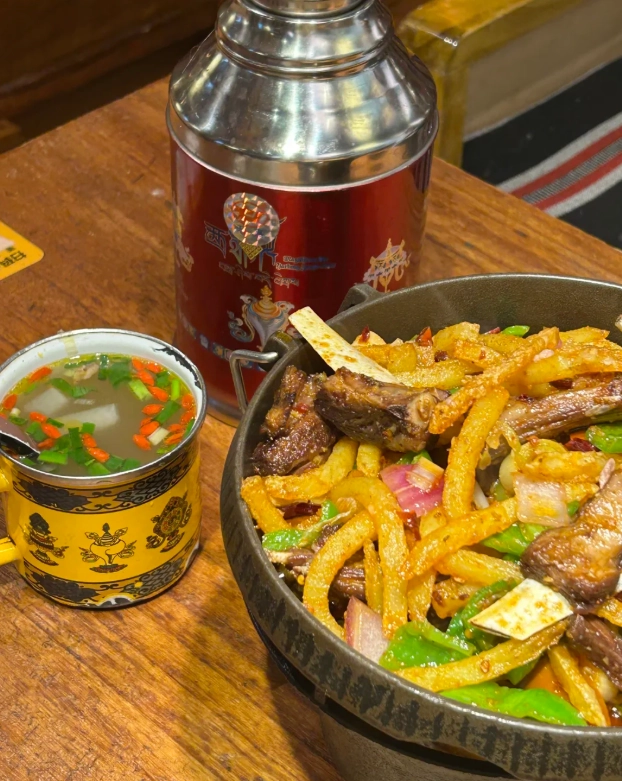
3. Butter Tea (Po Cha) — The Salty Energy Rocket
This is the first thing you'll be offered in a Tibetan home. Butter tea is made with tea leaves, yak butter, and salt, then churned until smooth. It tastes like a light broth with a velvety texture, not a tea. I'll be honest: most Westerners don't love it on the first try. My first tasting made me gag, I'll admit. But now I'm hooked — especially when I'm feeling lightheaded from the altitude. After a day of walking the Barkhor Kora, you'll understand why locals sip it all day. It's high in calories, warms you from the inside, and actually helps your body adjust to the altitude. A small cup costs 3-5 RMB in teahouses.
4. Sweet Tea (Cha Ngarmo) — The Social Glue
If butter tea is an acquired taste, sweet tea is an instant win. It's a creamy, sweet milk tea that tastes like a mild chai. I've spent more afternoons than I care to admit chatting with a thermos of sweet tea in a dimly lit teahouse. I always bring my clients to the same teahouse in the Barkhor neighborhood. The owner, a woman named Pema, knows my order before I sit down: 10 sweet teas and a plate of momos. For about 10 RMB, you get a full thermos that easily serves four cups. It's the cheapest, coziest way to experience local culture.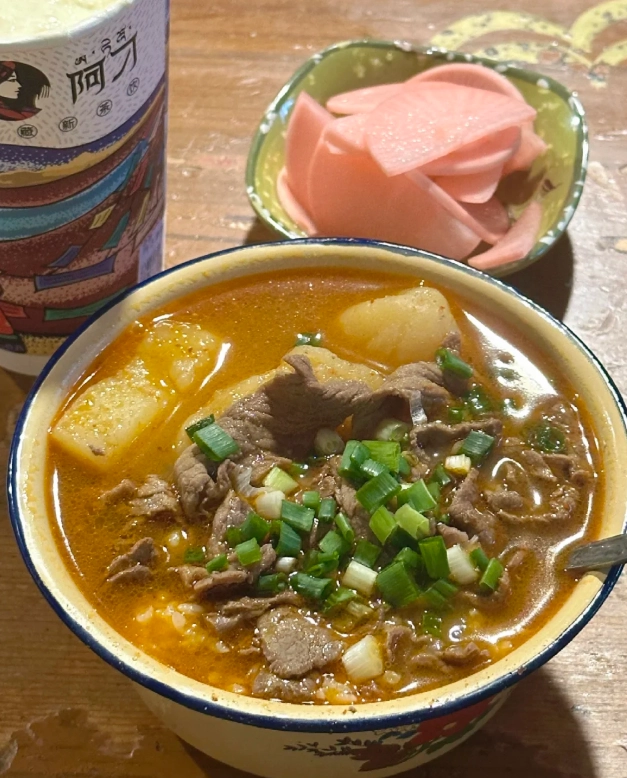
5. Tsampa — The Original Power Bar
Tsampa is roasted barley flour, a staple that's been fueling Tibetans for centuries. You'll often see it mixed with butter tea and shaped into a ball called a 'pasta'. To eat it like a local, pinch a bit, roll it into a dough, and pop it in your mouth. It's a fantastic energy boost for a long trek. In Lhasa, you can find tsampa in most food stores or restaurants that serve traditional breakfast. For a quick bite, I grab a handful of tsampa from the market and mix it with a bit of water and sugar — an instant hiking snack that's cheaper than a chocolate bar. A small bag costs about 5-8 RMB.
6. Yak Meat — From Steak to Jerky
Yak is the cornerstone of Tibetan cuisine. The meat is leaner and slightly gamey compared to beef. My favorite preparation is dried yak jerky — it's saltier, chewier, and incredibly satisfying when you're hiking at high altitudes. For a proper meal, try the slow-braised yak with potatoes or the fire-roasted steaks. Avoid the 'yak hotpot' at tourist strip — they often use beef instead. Ask for 'yairhou' (yak) explicitly. A plate of yak stew with rice will set you back 30-50 RMB in a decent restaurant.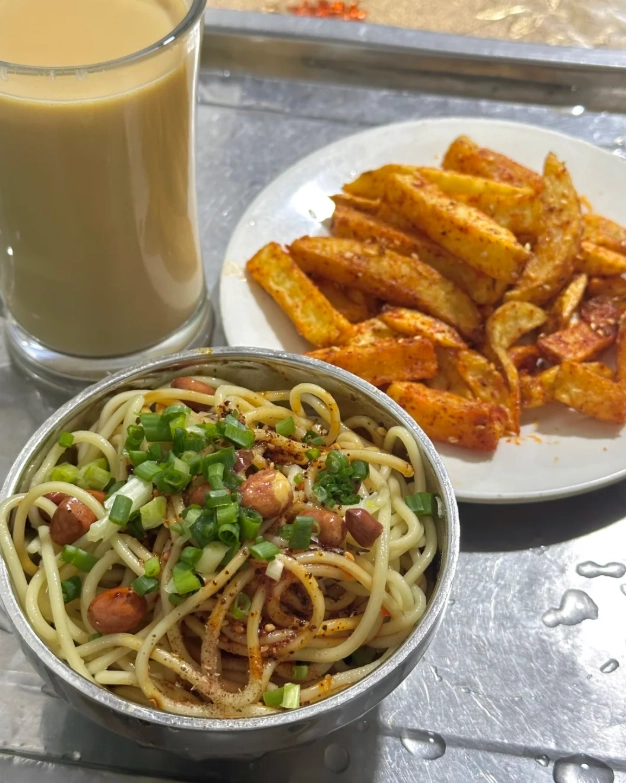
| Dish | Main Ingredients | Taste Profile | Typical Price (RMB) | Where to Find It |
|---|---|---|---|---|
| Momos | Ground yak/beef, onion, dough | Savory, juicy, with spicy dip | 10-15 | Teahouses, street stalls |
| Thukpa | Noodles, yak meat, greens | Warm, brothy, hearty | 12-18 | Teahouses, casual restaurants |
| Butter Tea | Tea, yak butter, salt | Salty, creamy, rich | 3-5 per cup | Everywhere |
| Sweet Tea | Tea, milk, sugar | Sweet, creamy, chai-like | 10 per thermos | Teahouses |
| Tsampa | Roasted barley flour, butter | Nutty, earthy, slightly gritty | 5-8 per bag | Food stalls, bakeries |
| Yak Meat | Yak, potatoes, spices | Gamey, hearty, protein-rich | 30-50 | Restaurants |
Where to Eat in Lhasa: My Favorite Spots
I've narrowed down the chaotic Lhasa eating scene to three places that never fail. They range from a classic teahouse to a touristy-but-worth-it institution. Remember, prices and hours can shift, so treat these as reliable baselines. Since you'll be near the Jokhang Temple — a UNESCO World Heritage listing — you might as well plan your meal around it.
| Venue | Location | What to Order | Price per Person | Opening Hours | Payment |
|---|---|---|---|---|---|
| 光明港琼甜茶馆 (Guangming Gangjiong Sweet Tea House) | On a small alley off Barkhor Street, near Jokhang Temple | Sweet tea, thukpa, momos | 10-20 RMB | Daily, roughly 7 AM – 6 PM | Cash only |
| 仓姑寺甜茶馆 (Tsangbuk Nunnery Sweet Teahouse) | Inside the courtyard of Tsangbuk Nunnery, off Barkhor | Butter tea, tsampa, vegetarian dumplings | 5-15 RMB | Daily, roughly 8 AM – 5 PM | Cash only |
| 玛吉阿米 (Makye Ame) | SE corner of Barkhor Street | Yak steak, spiced potato soup, yogurt cake | 80-120 RMB | Daily, 10 AM – 10 PM | Cash, Alipay, cards |
Pro Tip: For the teahouses, carry small bills. The old ladies serving the tea will appreciate it. For Makye Ame, go around 3 PM to grab a window seat — the view over Barkhor is unbeatable, but it gets packed at dinner.
How to Order Food in Tibet Without Getting Lost (or Ripped Off)
Here's the part where I save you from the most common tourist traps. Make sure your visa is in order before you fly — check the official entry requirements from the National Immigration Administration. Now, let's break it down, one headache at a time.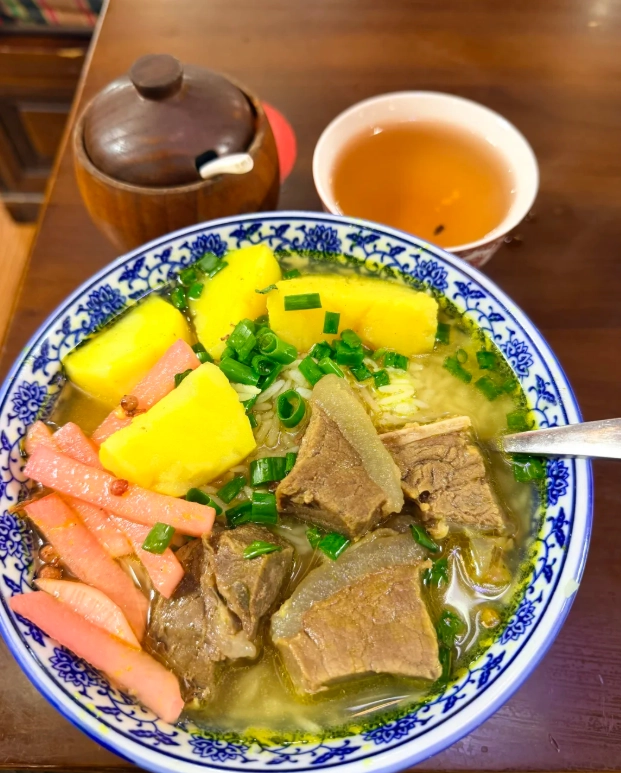
Payment: Cash Is Still King for Street Food
I know you've been told to download Alipay and WeChat Pay — and yes, most restaurants accept them. But those tiny teahouses that serve the best momos? They'll look at your phone and shake their heads. Always carry at least 300 RMB in small notes. You'll need them for snacks, the bus to Sera Monastery, and, ironically, the places that don't accept card.
Translation: The Menu Is Usually Pictures, but Not Always
English menus are rare outside tourist-friendly restaurants. Get a translation app ready — I prefer Baidu Translate because it works offline with the download pack. If you're stuck, just point at someone's plate and say 'same' — that's worked for me more times than I care to admit.
Navigation: Google Maps Is Useless Here
I cannot stress this enough: Google Maps will show you a vacant lot where your lunch spot should be. Download Apple Maps or AMap (高德地图) before you arrive. AMap has an English toggle now, and it's the only reason I never lose my hungry groups in the hutongs.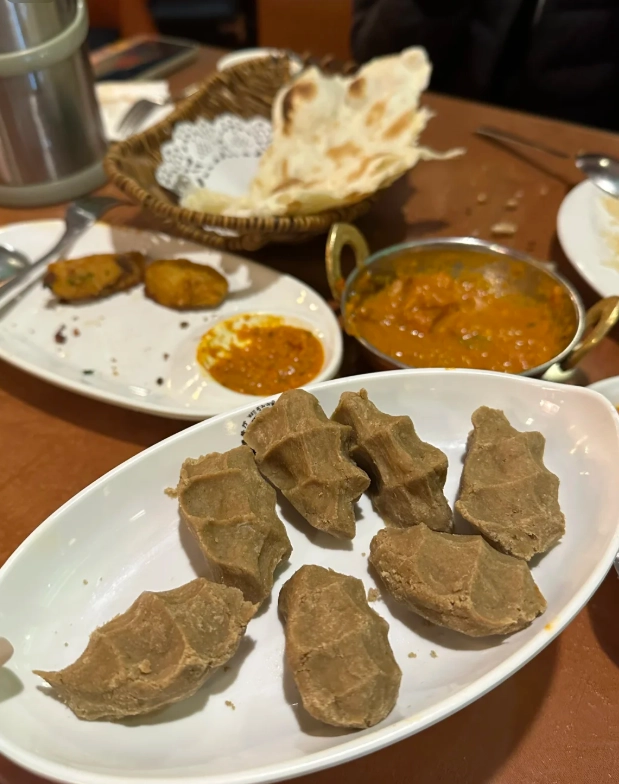
Ordering Etiquette: Respect the Kora
The Barkhor is the pilgrimage path around Jokhang. If you're snacking there, keep it quick — locals move clockwise and don't appreciate people blocking the walkway. However, don't point at food with one finger; it's considered rude. Use an open palm or your whole hand.
Vegetarian? You Can Still Eat Well
Though yak meat dominates, there are plenty of vegetarian options. Look for 'tsetsa' (vegetable momos), thukpa without meat, and the legendary potato-and-chili dish called 'shakam' (but ask for it without meat). The Tsangbuk Nunnery teahouse above is a life-saver — their vegetarian dumplings are the best I've had.
What Should Foreigners Know About Tibetan Food Etiquette?
I've dragged a few groups into homes and restaurants, and these are the small things that make a big difference.
- Use your right hand to eat. The left is associated with unclean tasks.
- When drinking tea, keep your thumb on the cup's rim to show appreciation.
- Wait for the oldest or most senior person to start eating first.
- Don't leave without finishing your tea — it's a sign you didn't enjoy it.
- If you're offered more food, don't refuse immediately. A polite 'yes, please' then take a small portion.
Insider Advice: It's not really a strict rule for tourists, but eating with your right hand is an easy sign of respect that locals notice.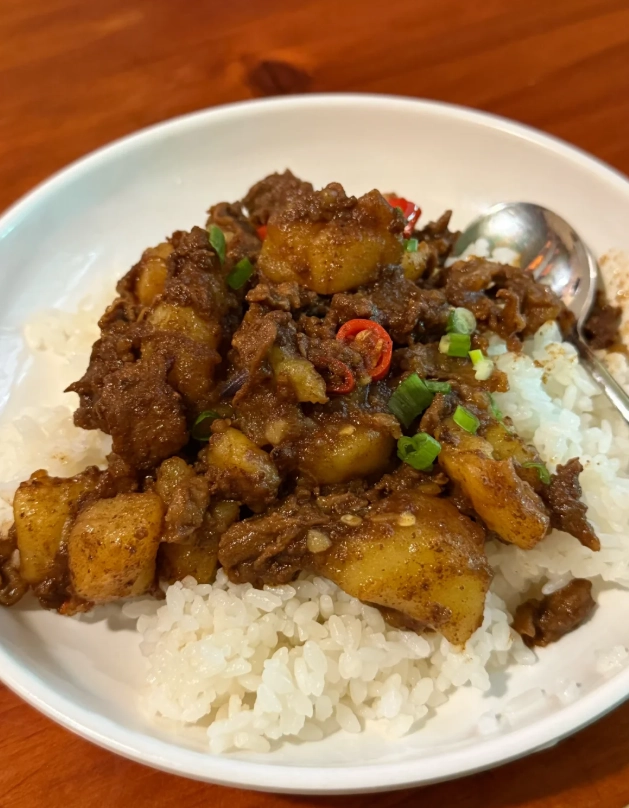
FAQs: Your Burning Questions About Eating in Tibet
Is it safe to eat street food in Tibet?
Yes, on one condition: eat it fresh and hot. Skip anything that's been sitting under a fly net for hours. The strains of bacteria at altitude are different, so your stomach might be confused for a day. I always advise travelers to bring oral rehydration salts — just in case.
What if I'm sensitive to dairy or lactose intolerant?
Butter tea and sweet tea contain dairy. However, you can still enjoy many dishes. Momos and thukpa are usually dairy-free. For a caffeine fix without milk, order 'gorya' (black tea). And don't worry — the nunnery teahouse offers soy milk occasionally, but don't count on it.
Can I use my credit card in Tibetan restaurants?
In Lhasa's tourist restaurants like Makye Ame, yes. But in a local teahouse, no. Rely on cash and mobile payments. In rural areas, cash is the only option.
Is there anything I shouldn't eat in Tibet for religious reasons?
Tibetan Buddhists don't slaughter animals, so you'll see more yak meat than chicken or pork. There's no strong taboo on eating beef, but horsemeat is avoided. Stick to yak and sheep dishes, and you'll be culturally fine.
What's the best time of day to eat in Lhasa?
Follow the local rhythm: breakfast around 8-9 AM, heavy lunch around 1 PM, light dinner around 6-7 PM. Teahouses are busiest mid-morning. And don't plan dinner too late — many kitchens close by 9 PM.
Verified and fact-checked by the editorial team. This content has been fact-checked to ensure informational precision.





No comments yet.