 Ming Yang
Let's get one thing straight: Guizhou is not a place you 'do' in a day. I've spent years leading groups through its misty valleys, and I still find hidden corners. So, what to do in Guizhou? The answer lies in slowing down and tackling the region's raw nature, not just the postcard spots. Here's the key — most tourists head straight to Huangguoshu Waterfall at 9 AM. Skip that. Go at 4 PM, after the tour buses have left, and you'll have the boardwalk almost to yourself. This one move changes everything.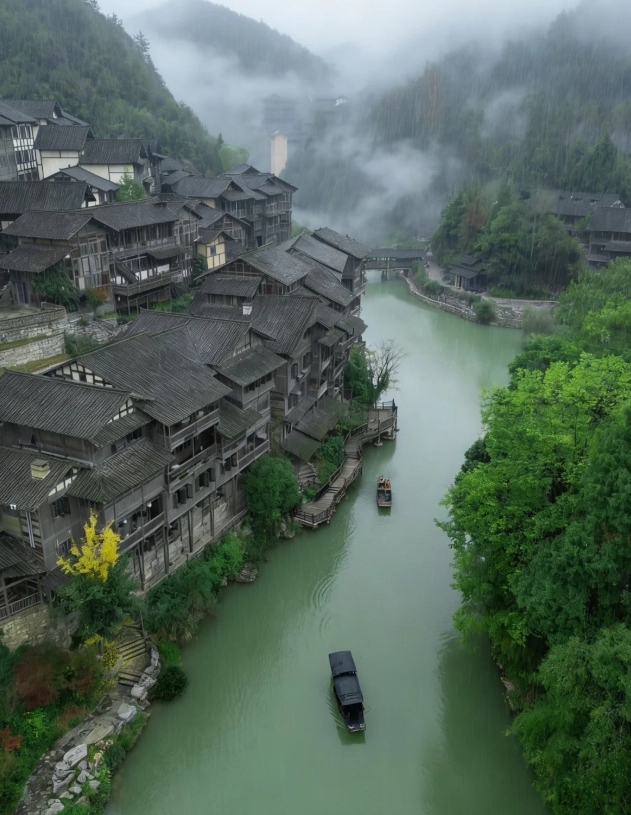
Top 10 Must-Do Experiences in Guizhou
1. Huangguoshu Waterfall: Don't Miss the Back Gate
Start with the main event, but time it right. Huangguoshu is Asia's largest waterfall, dropping 77.8 meters. Most visitors arrive from Guiyang on a day trip — 2 hours by high-speed rail to Anshun, then a 40-minute taxi. The entrance is at 138 Huangguoshu Scenic Area, Anshun. Tickets usually go for about ¥150-200, but you must book through the WeChat mini-program or Trip.com with your passport. The catch: the park becomes a zoo at noon. Instead, take the less-known back gate — walk from the nearby Doupotang trail, which avoids the crowds and gives you a different angle. Bring a raincoat; you'll get soaked.
2. Xiaoqikong (Seven Small Arches) in Libo
This is the most serene spot on my list. Part of the UNESCO South China Karst World Heritage Site, Xiaoqikong is about 3 hours from Guiyang by bus or car. The bridge spans a jade-green river surrounded by bamboo and stone pathways. Entry is around ¥130, and you'll need to buy a seat on the shuttle bus to get between sections. Go early — the light is magical before 10 AM. The word 'qikong' means 'seven arches'; count them all, but don't stop at the main bridge. Walk further to the Wolong Lake, where the water looks almost fake.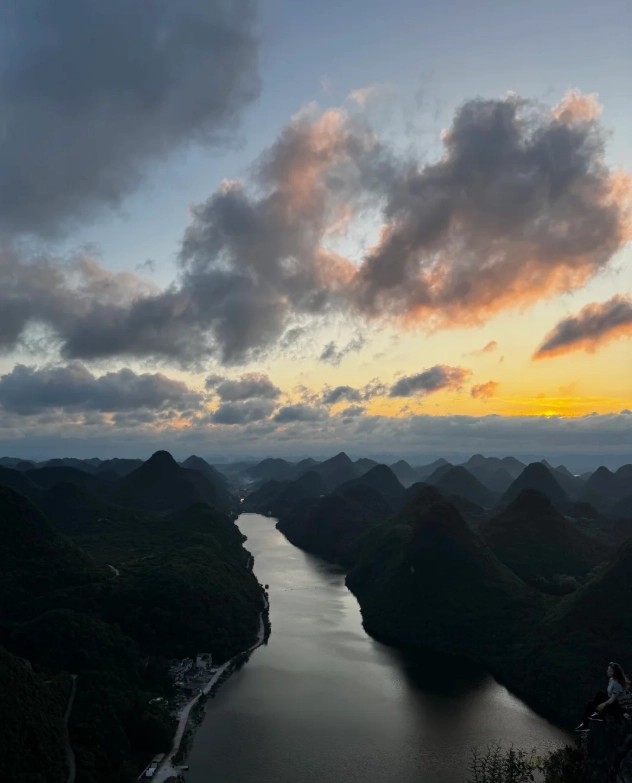
3. Xijiang Qianhu Miao Village
The world's largest Miao village has become a bit too commercial for me, but there's a reason. Over a thousand wooden stilt houses climb the hill, glowing at dusk. It's 1.5 hours by bus from Guiyang to Leishan, then a shuttle to the entrance. Tickets are about ¥110, and it's open late. Insider move: spend the night inside the village. Fewer crowds after 10 PM, and the morning mist over the roofs is a photographer's dream. Book a room with a view; ask for the 1st floor or higher for good sightlines. But beware: navigating the stone stairs with luggage is a workout.
4. Fanjingshan (Mount Fanjing)
This sacred mountain is not for the faint of heart. It's a UNESCO World Heritage Site and China's most stunning piece of rock — two peaks joined by a bridge. The nearest gateway is Tongren, about 2 hours by high-speed rail from Guiyang. Entry tickets are around ¥120, and you must reserve a time slot online for the cable car. Personally, I recommend hiking up the Wuling Mountains trail if you can handle 8,000 steps, then taking the cable car down to save your knees. The weather is unpredictable — always check the official forecast before your climb.
5. Zhenyuan Ancient Town
Skip the busy riverside promenade and explore the alleyways behind the main street. Zhenyuan is a 600-year-old town with black-tiled roofs and a winding river through the center. It's about 2.5 hours by train from Guiyang. The town is free to enter, but some sites like the Confucius Temple need a small ticket. Late afternoon, climb the stone steps to the top of Yuping Mountain for a panoramic view. Ask locals for the "old stilt houses" — they're hiding in plain sight.
6. Qingyan Ancient Town (Guiyang's Backyard)
If you only have one day in Guiyang, this is where I'd take you. A small walled town built of gray stone, it's an easy 45-minute ride from downtown Guiyang (take bus 210 or a taxi). Entrance is about ¥50. The lime-glazed rice cakes (米豆腐) sold at the entrance are a must-try. But honestly, the best part is wandering the side lanes after 5 PM to see families cooking and kids playing.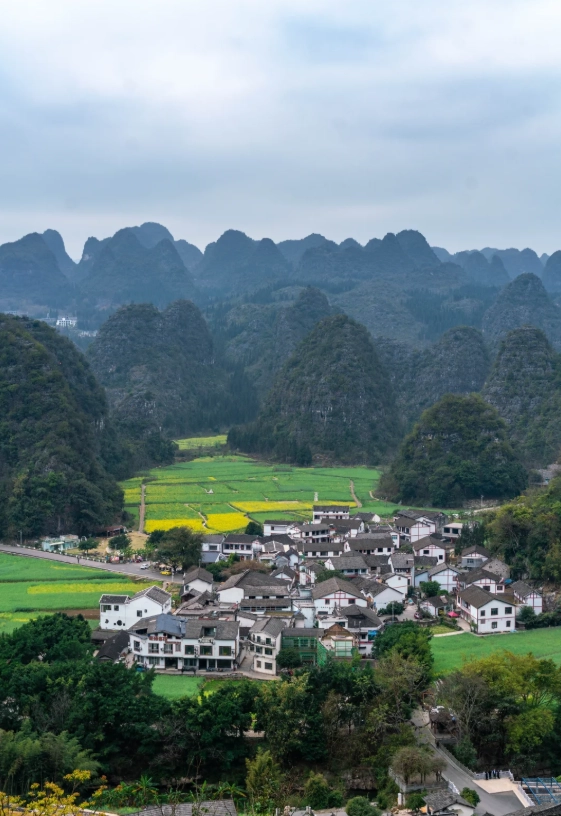
7. Longgong (Dragon Palace) Cave
A cave you boat through — yes, a real boat ride underground. Located about an hour from Anshun, Longgong is a karst cave system with an underground river. The main cave is so tall that the ceiling disappears in the dark. Expect narrow walkways and damp floors; wear sturdy shoes. Tickets are around ¥120. The boat guide for visitors is in Chinese, but the visual wonder needs no translation.
8. Guiyang's Jiaxiu Tower and Night Food Street
Guiyang, the provincial capital, is often skipped, which is a mistake. The iconic Jiaxiu Tower sits on a small island in the Nanming River. It's free to see from outside — the lights at night are gorgeous. Better yet, head to Erqi Road Food Street (one of the best night food streets in China). Try the smoked pork, the stinky tofu, and the famous sour and spicy hot pot. Bring cash? Not necessary — everything takes Alipay or WeChat.
9. Zhaoxing Dong Village
If you want to experience authentic Dong culture, head south. Zhaoxing is the largest Dong village, known for its five wind-and-rain bridges and drum towers. It's about 3 hours by bus from Guiyang to Congjiang, then a short transfer. Entrance costs about ¥80. The Dong chorus performances at 8 PM are hauntingly beautiful. I still get goosebumps when they sing in harmony without any instrumentation.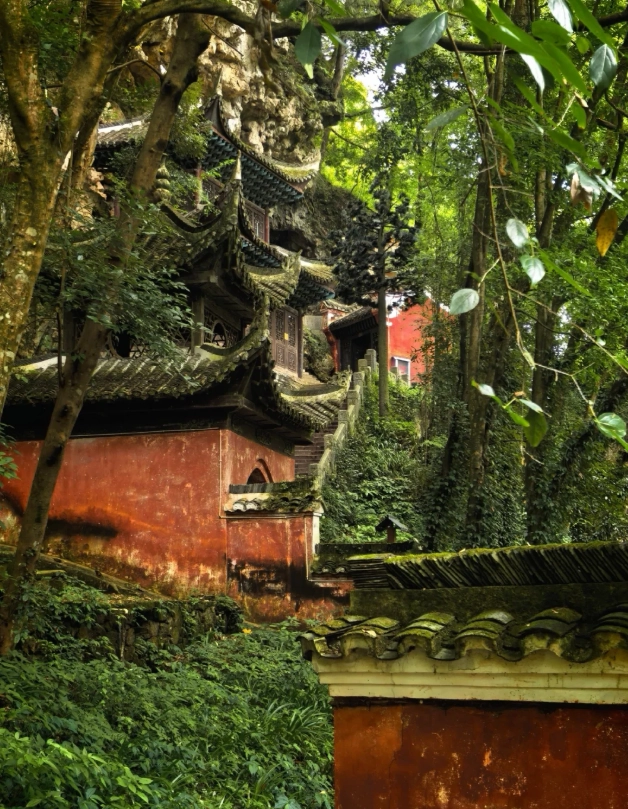
10. Jiabang Rice Terraces
The most underrated spot in Guizhou, in my opinion. Jiabang, in Guiding County, is where the sky meets 47 degrees of terraced rice fields. It's best visited during the week, as locals often visit on weekends. Getting there requires a careful drive (a 4x4 is helpful in the rainy season). No entrance fee, and you'll likely have the place to yourself. Sunrise is stunning — the terraces mirror the clouds like panels of glass.
How to Plan a Guizhou Itinerary
Don't try to see everything in one trip. I often tell my clients to focus on one region and go deep. Here's a realistic 5-day plan that covers the highlights without turning you into a zombie:
Day 1-2: Anshun & Huangguoshu. Take the high-speed train from Guiyang to Anshun (30 minutes). Spend the first afternoon at Longgong Cave, then the next morning at Huangguoshu (remember the back gate trick). Stay overnight in Anshun for the local snacks.
Day 3: Libo. Take an early bus from Anshun to Libo (about 4 hours). They have a direct bus now — check the station. Spend the afternoon at Xiaoqikong. Stay near the park entrance for an early morning return.
Day 4: Xijiang. From Libo, go to Kaili by train then a taxi to Xijiang (or book a direct tour bus from Libo to Xijiang in summer). Stay overnight in a stilt house.
Day 5: Return to Guiyang or extend to Fanjingshan. If you're fit, swing by Fanjingshan for a day trip. Otherwise, head back to Guiyang for dinner and a foot massage.
For a longer trip, add Zhenyuan and Zhaoxing. But be aware: distances are long, and buses often have only one daily departure. Always confirm the schedule the day before.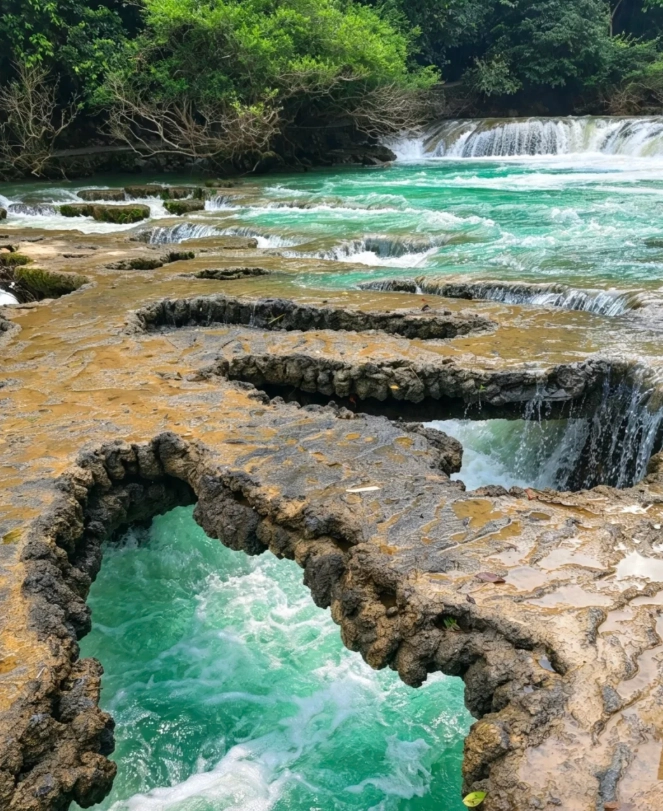
What Are the Best Transport Options for Getting Around Guizhou?
High-speed rail is your best friend in Guizhou. Main routes connect Guiyang with Anshun, Tongren (for Fanjingshan), Kaili (for Xijiang), and Congjiang (for Zhaoxing). Book tickets on 12306, which has an English interface now. The site might confuse you with its login requirements — prepare your passport number. For short hauls, as of my trips, taxis and ride-hailing (Didi) are cheap and widely available. But in rural villages, minibuses or shared vans are the norm. They usually leave when full, not on a schedule.
Pro Tip: Never rely solely on Google Maps in Guizhou. It's inaccurate and sometimes shows roads that don't exist. Use Apple Maps for basic navigation, but download the 'AMap' app for insider routing — it has an English-mode toggle.
What to Eat in Guizhou: A Food Lover's Guide
Guizhou food hits you with sour and spicy — a combo that wakes up your soul. The signature is the sour fish soup (凯里酸汤鱼) — fish simmered in a fermented tomato broth. I always send clients to the touristy but reliable 'Lao KaiLi' in Kaili, but a better bet is any street stall with locals queued. Ask for a 'chuān' (spicy) level of 1 or 2 if you're just starting.
Another must-try is 肠旺面 (Changwang noodles) — pork intestine and blood pudding in a rich broth, found at breakfast spots across Guiyang. The noodles are thin but chewy, and the chili oil is dangerously addictive. For a snack, look for 烤豆腐 (grilled tofu) dipped in a dry chili mix — it's sold by the dozen on most night streets.
If you need a break from spice, the 青岩猪脚 (Qingyan braised pig's feet) is a sweet, sticky treat worth the trip. And don't forget the local rice wine (米酒) — a gentle, fruity drink that sneaks up on you.
What Do Foreign Travelers Need to Know in Guizhou?
Payment is king. Bring your phone, not your wallet. Almost everywhere in Guizhou, from a noodle stall to a mountain ticket office, accepts Alipay or WeChat Pay. Cash is rarely used, and credit cards are almost never accepted outside international hotels. Before you fly, set up Alipay and link your international Visa or Mastercard. Then add your passport information for verification.
Booking attractions needs your passport. For major sites like Huangguoshu and Fanjingshan, you must book a time slot online. The WeChat mini-programs are in Chinese, which can be a pain but actually not impossible. Use the 'translate page' feature or ask your hotel's front desk to book for you — they're used to it. Alternatively, use Trip.com or Klook, which handle the booking for you in English. Never show up to a major site without a reserved ticket; you'll be turned away.
VPNs are essential. Google, WhatsApp, and Instagram won't work without a reliable VPN. Set it up before you arrive. Also download a translation app — the best I've used for Chinese is the native 'Translate' app on Apple, but Baidu Translate handles menus well.
As for safety, Guizhou is incredibly safe for travelers. I've had solo female travelers walk at 10 PM without worry. But take normal precautions: don't flash valuables, and watch out for motorbike riders when crossing streets.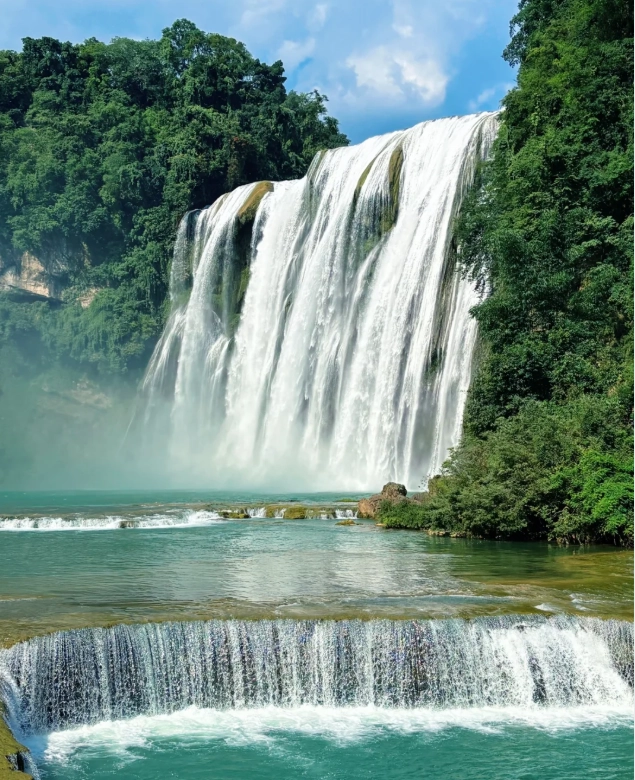





No comments yet.