 Wei Zhang
Let me be honest – I’ve lost count of the times I’ve watched tourists blow cash on ticketed attractions in Sichuan while missing the real magic. The province’s heartbeat isn’t in overpriced gondolas or staged shows – it’s in shady teahouses, ancient alleyways, and riverside walks that don’t cost a penny. Whether you’re a budget backpacker or just someone who hates wasted money, free things to do in Sichuan are everywhere – you just need to know where to look. I’ve spent years steering first-time visitors through these no-cost treasures, and here’s the kicker: the best stuff doesn’t require a ticket at all. So before you book another pay-to-play tour, read this – your wallet (and your camera) will thank you.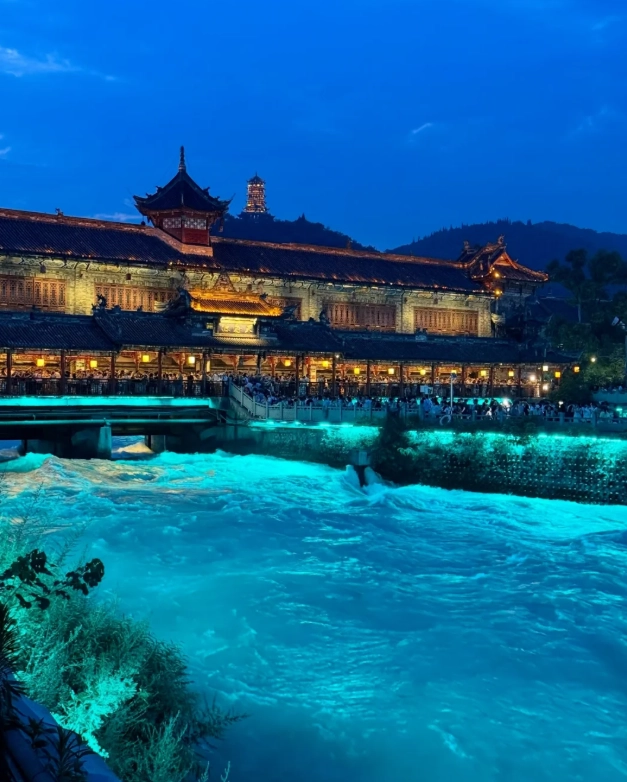
Why Free Things Actually Win in Sichuan
Sichuan is famous for pandas, hotpot, and jaw-dropping scenery — but most travelers don't realize that the province’s most beautiful urban spaces are completely free to enter. The local government has invested heavily in parks, museums, and restored historic districts that welcome visitors without charging a single yuan. That means your budget can stretch further while still soaking up authentic culture.
In my decade of guiding, I’ve watched people spend 200 RMB on a cable car ticket when a 30-minute riverside walk gave them the same mountain view. Free doesn't mean second-rate here — it often means you’re sharing space with locals, not tour groups. Plus, many free attractions in Chengdu are walkable from each other, turning a single afternoon into a zero-cost mini itinerary.
Now, the big question: where do you go? Let me walk you through the 10 free experiences I always recommend first.
The 10 Best Free Things to Do in Sichuan
1. People's Park: A Slice of Local Life
People's Park (Renmin Park) is the heart of Sichuan's free-attraction scene — a lush, sprawling green space in the middle of Chengdu where life unfolds in slow motion. The park is open all day without a ticket, and it’s the perfect spot to watch locals practice tai chi, play mahjong, or sing opera. Don’t miss the famous Heming Teahouse — you can buy a cup of jasmine tea for under 20 RMB, and drinking it while people-watching is a quintessential Chengdu experience. Pro tip: arrive before 10 a.m. to see the morning exercise groups in full swing, and check the small pavilion near the south gate for impromptu folk music performances.
2. Kuanzhai Alley: The Ancient Quarter That's Always Alive
Kuanzhai Alley (Kuanzhai Xiangzi) is a beautifully restored Qing-dynasty street trio — Kuan, Zhai, and Jing — that lets you wander through old courtyard homes, craft shops, and food stalls without paying an entrance fee. The lanes are free to enter, and the atmosphere shifts from peaceful mornings to neon-lit evenings. I always tell travelers to skip the overpriced snacks near the main entrance and walk to the quieter Zhai Alley for a cheaper bowl of dandan noodles. Insider advice: the side alleys often have free art exhibitions and street performances — look for the small signs.
3. Jinli Street: A Night Market Without the Entry Fee
Jinli Street is a pedestrian-only ancient street that recreates Shu-era architecture, and although it’s a tourist magnet, entry is completely free. It’s at its most magical after sunset when hundreds of red lanterns glow over the cobblestones. You can browse silk shops, sample local sweets, and watch mask artisans at work. The street is compact — a 20-minute walk from edge to edge — but I always budget at least an hour to soak in the details. Free entry doesn’t mean you won’t be tempted, so set a budget for souvenirs.
4. Sichuan Provincial Museum: Culture on a Budget
Sichuan Provincial Museum (Sichuan Bowuyuan) boasts a rich collection of Bronze Age artifacts, including pieces from the ancient Shu civilization, and admission is free but requires a reservation. You’ll need to bring your passport and make a booking either online via the official WeChat mini-program or through an English-friendly platform like Trip.com. The museum is quiet on weekdays, and the second-floor gallery on Sanxingdui relics is a must-see. Allow two hours to explore. Pro tip: the free audio guide needs a deposit, so bring cash or your card.
5. Wangjianglou Park: Bamboo and Poetry for Free
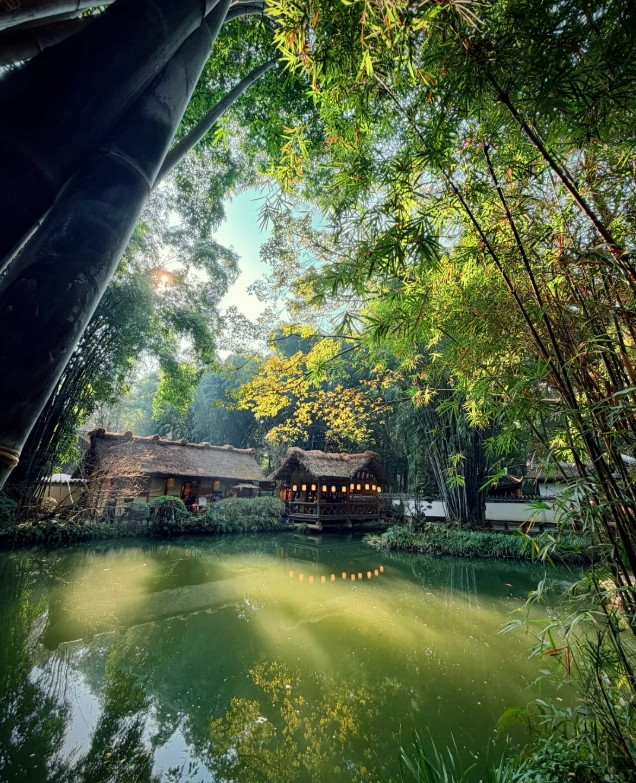
Wangjianglou Park, dedicated to the Tang poet Xue Tao, is a serene riverside park with towering bamboo groves and a famous pagoda — and the park itself is free to enter. The park’s highlight is the eight-sided Wangjiang Tower, which you can view from outside for free; climbing it costs a small fee if you’re curious. The park is less crowded than People’s Park, making it ideal for a morning stroll. Walk along the Jin River from the east gate to catch local fishermen — it’s a slice of life you won’t see in a guidebook.
6. Eastern Suburb Memory: Industrial Cool, Free Entry
Eastern Suburb Memory (Dongfang Jiyi) is Chengdu’s former electronics factory turned creative hub — a raw, industrial space filled with street art, pop-up galleries, and vintage coffee shops, and it’s free to wander. The old machine parts are now sculptures, and the huge chimneys create a cool backdrop for photos. Unlike conventional museums, there’s no entry gate, so you can dive in and out. The area is especially lively on weekends when the vintage market pops up. Insider advice: head to the second-floor balcony near the main hall to see the whole complex from above.
7. Huanhuaxi Park: The City's Green Lung
Huanhuaxi Park, located west of the city center, is a vast wetland park with meandering paths, willow trees, and wild birds — completely free and open all day. It’s larger than People’s Park and feels wilder, making it a favorite for joggers and birdwatchers. Rent a bamboo boat for 20 RMB if you want a ride, but the walking trails are the real attraction. Bring a picnic blanket; the lawns near the south lake are perfect for unwinding. Most tourists miss this park, so you’ll often have it nearly to yourself.
8. Dujiangyan South Bridge: A Riverside Stroll with History
Dujiangyan South Bridge, spanning the Min River, is a historic covered bridge with wooden galleries and stone pillars — and it’s completely free to walk across. The bridge connects the old town to a scenic riverfront promenade where you can watch the swirling turquoise water. While the nearby Dujiangyan Irrigation System charges an entrance fee, the bridge and the river walk offer a perfect free alternative. The irrigation system itself is a UNESCO World Heritage site — you can see it from afar without paying. Best at golden hour, when the mountains behind light up. To get there, take the high-speed train from Chengdu to Dujiangyan station (about 30 minutes) — you can book tickets via 12306.cn — then walk 15 minutes south.
9. Leshan Riverside Walk: See the Giant Buddha for Free
The Leshan Riverside Walk along the Minjiang River offers a jaw-dropping view of the Giant Buddha — without paying the 80 RMB ticket. From the river bank near the parking lot at the east side of the scenic area, you can see the Buddha’s head and shoulders from a unique angle. The walk is free, and it’s a popular local spot for strolling and kite-flying. If you want to get closer, you can take a river cruise (around 60 RMB), but the free view is surprisingly satisfying. I often tell my clients to skip the crowded queue and enjoy the view from here instead.
10. Huanglongxi Ancient Town: Step Back in Time, No Ticket Required
Huanglongxi Ancient Town, about 40 kilometers from Chengdu, is a well-preserved Qing-era water town with creaking bridges and stone streets — and entry is free. The town runs along a small river, and you can spend hours exploring old ferry docks, temples, and teahouses. Unlike some touristy ancient towns, it’s still a living community, so expect laundry hanging from balconies and grandmothers selling pickled vegetables. Take a local bus from Chengdu South Station (about 1 hour) or join a day-trip tour that includes transport. Pro tip: visit on a weekdays to dodge the weekend crowds.
| Free Activity | Location | Best Time | Reservation Needed? | Time Needed |
|---|---|---|---|---|
| People's Park | Chengdu | Morning | No | 1-2 hours |
| Kuanzhai Alley | Chengdu | Evening | No | 1-2 hours |
| Jinli Street | Chengdu | Sunset | No | 1-1.5 hours |
| Sichuan Provincial Museum | Chengdu | Weekday morning | Yes (passport) | 2 hours |
| Wangjianglou Park | Chengdu | Morning | No | 1-2 hours |
| Eastern Suburb Memory | Chengdu | Afternoon | No | 2-3 hours |
| Huanhuaxi Park | Chengdu | Sunset | No | 2 hours |
| Dujiangyan South Bridge | Dujiangyan | Golden hour | No | 1 hour |
| Leshan Riverside Walk | Leshan | Morning | No | 1-1.5 hours |
| Huanglongxi Ancient Town | Near Chengdu | Weekdays | No | Half day |
What Are the Hidden Costs of Free Attractions?
While the attractions themselves are free, there are a few traps that can turn a budget day into a wallet-draining bust. Here’s what I always tell my guests.
- Transportation: Some free spots are far from the city center. A ride-hailing trip from downtown Chengdu to Huanglongxi can cost 100 RMB, so consider public buses or high-speed trains.
- Food and drink: The teahouses inside People’s Park are free to sit, but tea starts at 20 RMB — that’s fine if you want a drink, but be aware.
- Souvenirs: Kuanzhai and Jinli are designed to make you buy. If you’re on a strict budget, leave your card at the hotel room.
- Reservation fees: Some museums use paid platforms for booking even if entry is free. Trip.com sometimes charges a small convenience fee — use the official WeChat mini-program to avoid it.
How to Plan a Zero-Spend Day Around These Free Sichuan Gems
Start your morning at People’s Park, where you can join the locals for tai chi. From there, walk 20 minutes to Kuanzhai Alley to explore the ancient streets before the heat sets in. For lunch, grab takeaway from the nearby Qingyang market — a huge bowl of dan dan noodles costs about 8 RMB. In the afternoon, hop on Metro Line 2 to Sichuan Provincial Museum (reserve ahead) and spend two hours diving into Sanxingdui artifacts. End your day with a slow stroll through Wangjianglou Park, where the sunset light filters through bamboo groves. Total transportation cost for this itinerary: just 6 RMB for the metro — everything else is free.
If you have extra energy, substitute the museum with a trip to Dujiangyan South Bridge — it’s a bit further, but the high-speed rail round trip costs around 50 RMB and the riverside views are unmatched.
Seasonal Free Festivals and Events in Sichuan
Sichuan loves a celebration, and many festivals are completely free. In spring, the Peach Blossom Festival at Longquan invites visitors to walk through endless pink orchards at no charge. In late autumn, temple fairs in Chengdu’s old town districts pop up with free performances and food stalls. The most spectacular is the Lantern Festival in winter, which lights up parks across the province with thousands of glowing lanterns — entry is often free for the outdoor exhibition. Always check the local tourism board’s website for exact dates, as these events move with the lunar calendar.
FAQ: Free Things to Do in Sichuan – Your Questions, Answered
Verified and fact-checked by the editorial team. This content has been fact-checked to ensure informational precision.





No comments yet.