 Hui Lin
- What to Do in Datong: My Personal Take Before Planning
- How to Get to Datong Without Getting Lost?
- Top Attractions in Datong You Cannot Miss
- How to Plan a 2-Day Datong Itinerary?
- Where to Eat in Datong: Local Dishes and Restaurants
- Where to Stay in Datong for Every Budget
- Datong Travel Tips: Payments, Navigation, and Booking
- Frequently Asked Questions About Datong Travel
Squeezing through the narrow stairs of the Yungang Grottoes, I felt the cool sandstone under my palm. That's the moment every visitor needs here. Datong punches way above its weight — a northern Chinese city that once was the capital of the Northern Wei dynasty. Most travelers rush here for just one day, see the grottoes, and leave. That's a mistake.
If you're wondering what to do in Datong without wasting time and money, let's be clear: this city rewards patient travelers. Your biggest headache? Paying for anything with cash, navigating with Google Maps, and booking tickets that demand a Chinese phone number. I've watched many tourists get stuck at the ticket gate.
Here's my blunt advice: start your day at Yungang at 4pm — yes, really — and skip that chaotic morning crowd. For train tickets, the official 12306 app is your only reliable friend. And pack a VPN; otherwise, your maps and translation tools will fail you.
Now, let's map out your Datong adventure step by step.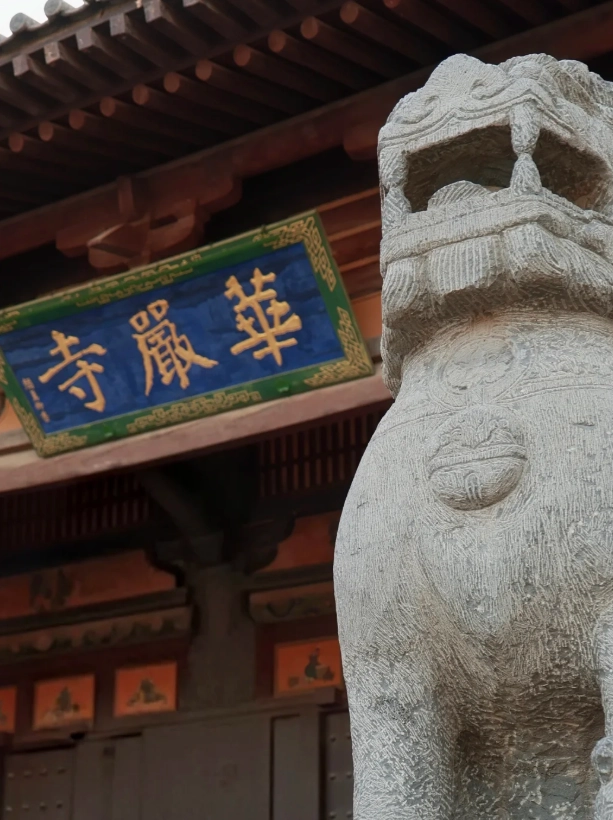
What to Do in Datong: My Personal Take Before Planning
Datong isn't just a jump-off point to the grottoes. It's a living museum of ancient Chinese architecture and Buddhist art. The city walls, which date back to the Ming dynasty, still wrap around the old town. Walking through the four main gates feels like stepping into a time machine.
Here's what most travel guides won't tell you: the 1,500-year-old Yungang Grottoes are only half the story. The Huayan Monastery and the Shanhua Temple in the city center hold some of China's best-preserved Liao-dynasty sculptures and murals. I've spent countless afternoons just sitting in the courtyard of Huayan Temple, watching locals burn incense — it's almost meditative.
So, when you plan your what-to-do-in-Datong checklist, don't prioritize only the famous spots. Weave in the lesser-known treasures that give you context.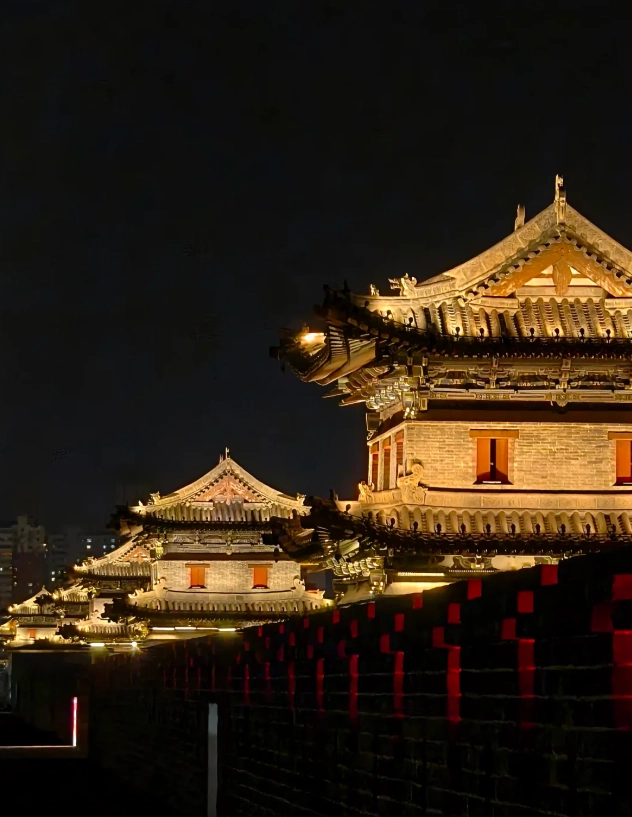
How to Get to Datong Without Getting Lost?
Getting to Datong is easier than most people think. The Datong South high-speed rail station connects directly with Beijing (about 2 hours), including the bullet train from Beijing North or Qinghe. If you prefer flying, Datong Yungang Airport (DLU) has daily flights from major cities like Shanghai, Guangzhou, and Shenzhen.
Now, the navigation headache. Forget Google Maps — it's inaccurate in China and often shows you outdated routes. Instead, download Apple Maps (which uses Chinese map data) or the high-tech AMap (Gaode Maps). AMap's English interface is limited, so I always ask my clients to search the Chinese name — for example, type '大同站' for the train station. Here's a trick: save the addresses in Chinese in your phone before you leave home. That way, you can show them to taxi drivers without fumbling.
For train tickets, book through the official 12306. The website has an English version, but the mobile app is mostly Chinese. Use your passport number when buying tickets — same as how you'd fly. If you encounter a payment hurdle, ask your hotel front desk to assist; I've seen many travelers struggle with the QR code payment on 12306.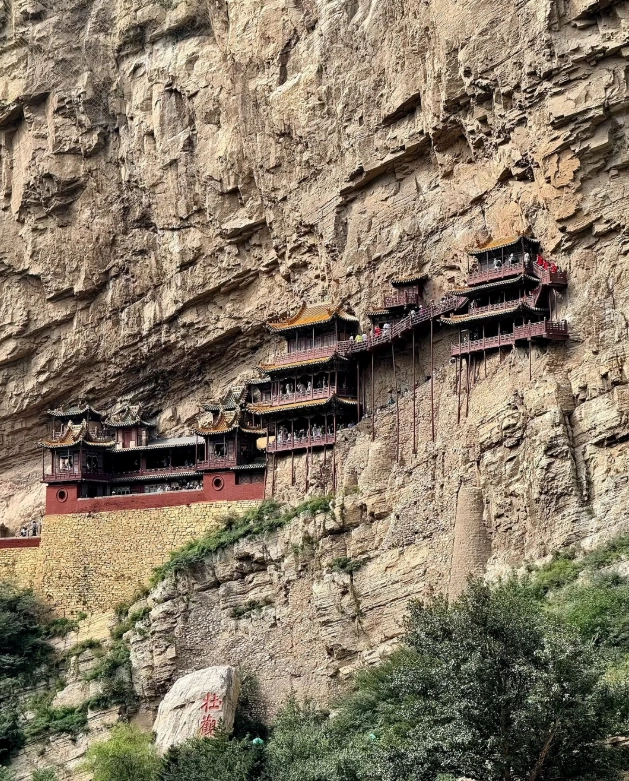
Top Attractions in Datong You Cannot Miss
Now let's dive into the sites that make Datong special. Here's a quick comparison of the big four tickets:
| Attraction | Ticket Price | Opening Hours | Suggested Time |
|---|---|---|---|
| Yungang Grottoes | ~120 RMB (peak) | 8:30 - 17:30 | 3-4 hours |
| Hanging Temple | ~115 RMB (incl. climbing) | 8:00 - 16:30 | 2 hours |
| Huayan Temple | ~50 RMB | 8:00 - 17:30 | 1.5 hours |
| Datong Ancient City Wall | Free | All day (gates close at night) | 1 hour |
Prices can change, so always confirm on the official channels or at the ticket booth with your passport.
Yungang Grottoes — The Crown Jewel
The Yungang Grottoes are a UNESCO World Heritage Site and the main reason most travelers come to Datong. The site was carved between 460 and 524 AD. You can read the official UNESCO history to appreciate the scale. All 45 major caves are worth seeing, but don't try to see them all in a rush. My personal favorite is Cave 5, with its massive 17-meter-tall Buddha. The detail in his eyes and smile is haunting.
Here's the tip that'll save you a lot of frustration: the usual drill is to arrive at the main entrance and follow the crowds. But I always direct my groups to the ticket office first (they accept passports) and then take the electric shuttle (20 RMB) to the far end. Walk backward through the caves, ending at the main entrance. This reverses the flow and gives you fewer crowds.
If possible, visit after 4 pm. The light turns golden, casting dramatic shadows on the carved faces. Many tourists have already left, and you'll almost have Cave 3 to yourself.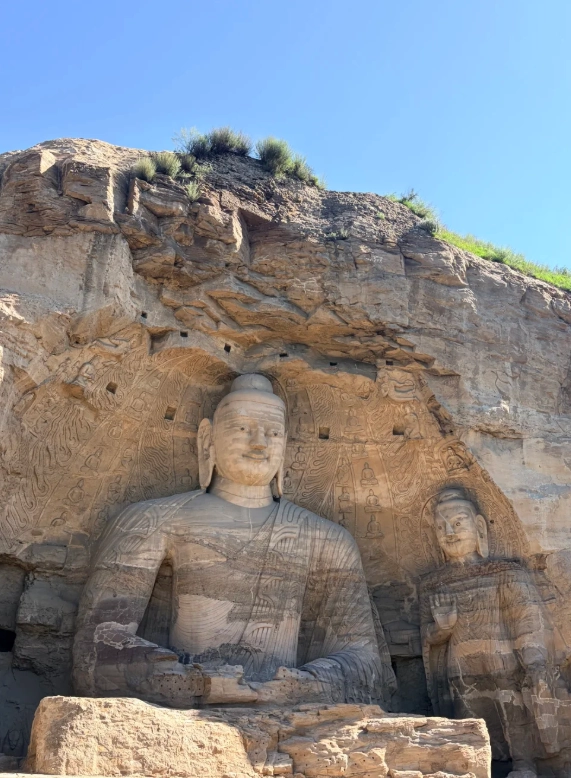
Pro Tip: Bring a small flashlight to see the dark interior details of Cave 5 — the overhead lights are dim.
Hanging Temple — A Gravity-Defying Wonder
The Hanging Temple (Xuankong Si) clings to a cliff above Jinlong Canyon, an hour's drive from Datong city. It's a marvel of engineering that has survived for over 1,400 years. You'll need a combination of bus and shuttle, or simply hire a private car — I usually book a driver for the day (around 300 RMB) to also cover the nearby county.
Be prepared: the temple is small, and the stone staircases are narrow. The climb is steep, and if you're afraid of heights, you might feel queasy. In that case, just admire it from the courtyard below — you still get a great view. Tip: go early (right when it opens) because tour buses arrive by 10am and turn the place into a human traffic jam. Also, the temple often closes for weather; call ahead or check with your hotel.
Huayan Temple — The Hidden Gem
In the center of old Datong, Huayan Temple is a hidden gem that many day-trippers skip. Unlike the glitzy commercial temples, this one retains a quiet, solemn atmosphere. The main hall, Mahavira Hall, is one of the largest Buddhist halls in China and contains stunning 16th-century murals. Bring your camera — but remember, no flashing photos inside.
Ticket prices are around 50 RMB, and the temple is a pleasant 15-minute walk from the Drum Tower. Combine it with a stroll through the surrounding hutong alleys, where you'll find elderly men playing Chinese chess and the aroma of local snacks.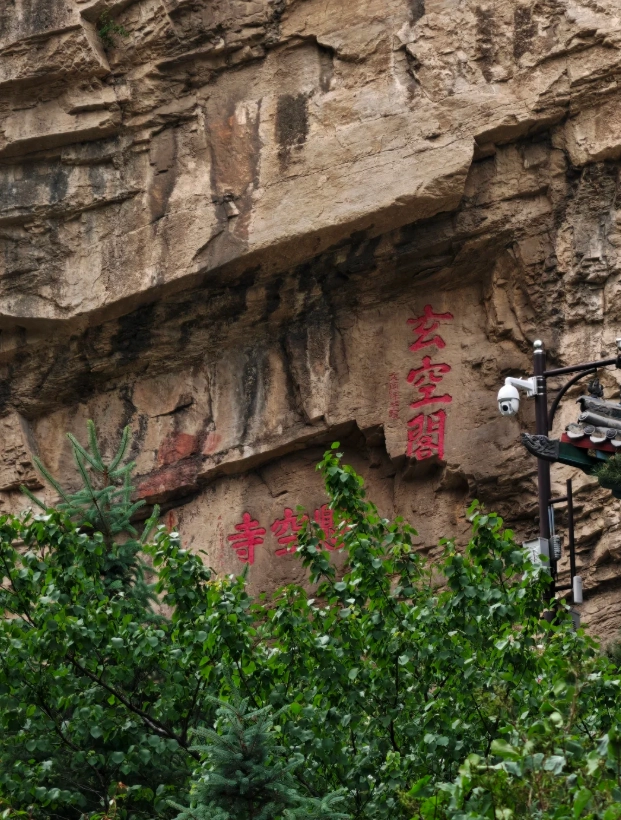
Shanhua Temple — The Overlooked Neighbor
Just a five-minute walk from Huayan Temple, Shanhua Temple is often missed by tourists. It's older and quieter, with a serene courtyard that feels worlds away from the bustle. The main hall dates from 1072 AD and has massive bronze statues that will make you wonder how they were cast so perfectly. Entry is free but closed on Mondays. I always tell my groups: if you only have time for one extra temple, make it this one.
Datong Ancient City Wall — Sunset Spot
The Ming-dynasty city wall is free to enter and offers a perfect sunset vantage point. You can rent a bicycle (about 30 RMB for 2 hours) and ride the full 7 km loop. At sunset, the views of the old city are memorable. The four watchtowers are perfect photography spots. Watch out: the gates close around 8 pm, so plan accordingly.
How to Plan a 2-Day Datong Itinerary?
Here's a realistic itinerary that I use for my own clients. It balances the big sites with local life, and leaves room for a leisurely coffee break.
Day 1: Caves, Cliff, and City Wall
This day is packed with the two most famous sites and a sunset ride. Start early to hit the grottoes before the crowds:
- 8:00 Pickup from your hotel. Drive to Yungang Grottoes (about 40 minutes, 30 km from the center).
- 8:40 Arrive and buy tickets with passport. Hire an audio guide (10 RMB) or a human guide for history.
- 9:00 Explore Caves 1-20. By noon, you'll have seen the best.
- 12:30 Lunch at a local noodle shop. I always take my group to 东方削面 (Dongfang Xuemian) — their knife-cut noodles are tender, topped with a savory beef sauce. It's a 15-minute drive from the grottoes.
- 14:00 Drive to the Hanging Temple (about 1 hour). Pass a section of the old Great Wall for a photo.
- 15:30 Climb the Hanging Temple. Steady hands and comfortable shoes needed.
- 18:00 Head back to Datong. If you're not too tired, visit the city wall an hour before sunset. Rent a bike and ride for a bit.
- 19:30 Dinner at 凤临阁 (Fenglin Ge). Try their "Datong Fenzheng" (steamed dumpling) and a bowl of spicy "yangza".
Day 2: Old Town and Museums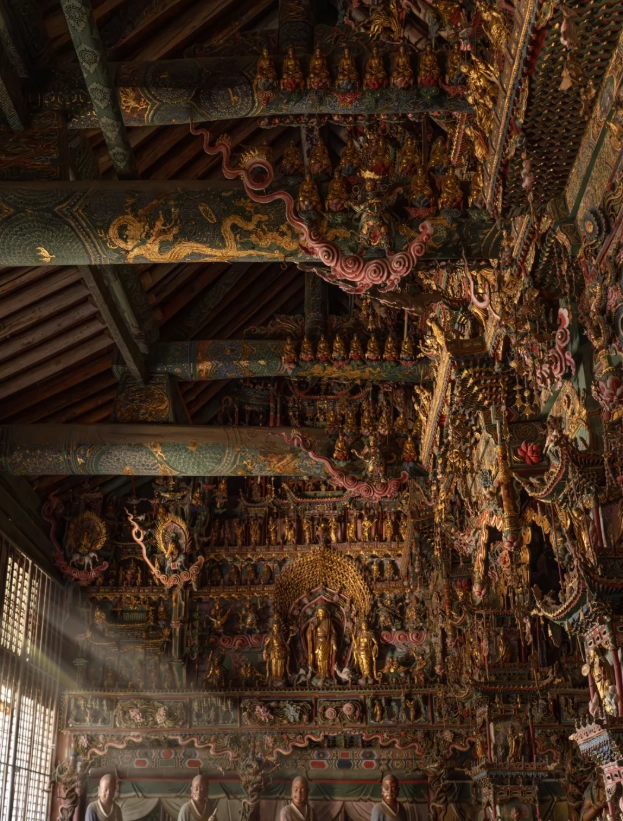
Today is relaxed, focusing on ancient architecture and local life. You'll need comfortable shoes:
- 8:30 Start at Huayan Temple. Spend a peaceful hour among the ancient halls and murals.
- 10:00 Walk east to Shanhua Temple, another Liao-dynasty gem. The bronze roofs glint in the morning sun.
- 12:00 Lunch at a local snack street, like Xingguo Street. Try "Youtou Fen" (potato starch jelly) and "Huanggao" (yellow millet cake).
- 13:30 Visit the Datong Museum (free, closed on Mondays). It's one of China's best prefecture-level museums, with a stunning collection of Northern Wei relics.
- 16:00 Return to the city center for a rest. If the weather is bad, swap the museum for an iced coffee at a rooftop café overlooking the Drum Tower.
- 18:30 Final dinner: order a whole roasted lamb leg at a local hotpot chain like Little Sheep, a popular choice among Chinese tourists.
Plan B (Rainy or extreme heat): The Datong Museum is a lifesaver, but also check out the Datong Exhibition Hall for local mineral art. For a relaxed afternoon, book a tea house inside Huayan Temple and watch the rain.
Where to Eat in Datong: Local Dishes and Restaurants
Datong's cuisine is bold and hearty, influenced by the Inner Mongolian frontier. You absolutely must try:
- Knife-cut noodles (Dao Xiao Mian): Thick, chewy noodles cut by hand. The best I've had are at 东方削面 (Dongfang Xuemian), a no-frills joint near the old city wall. A bowl costs around 20 RMB and comes with a spicy braised beef or pork topping. Peak at 12-1pm, you'll queue for about 10 minutes.
- Huanggao: A yellow millet cake, slightly sweet, often served with a smear of fermented bean curd. Try it at street stalls near the Drum Tower.
- Youtou Fen: A slippery potato-starch jelly served with garlic and vinegar sauce. Refreshing on a hot day. Head to Xingguo Street to find the best old stalls.
- Shumai (steamed dumplings): At 凤临阁 (Fenglin Ge), the restaurant claims its origin dates back to the Ming dynasty. The signature pork and crab roe filling is juicy. It's a bit pricey — count on 80 RMB per person — but worth the splurge.
Where to find them? Most popular places are on AMap with their phone numbers. Bring your phone, show the Chinese name, and point. Many restaurants now have English menus — just ask.
Where to Stay in Datong for Every Budget
Datong's hotel scene ranges from budget-friendly to comfortable. Here's my breakdown based on clients' feedback:
| Hotel | Area | Est. Price | Best For | Key Feature |
|---|---|---|---|---|
| Hanting Hotel (汉庭) | Near Datong Station | 150-250 RMB | Budget travelers | 24h front desk, free Wi-Fi |
| Ji Hotel (全季) | Near Drum Tower | 300-500 RMB | Couples | Rooftop café, English-speaking staff |
| Datong Grand Hotel (大同宾馆) | City Center | 500-800 RMB | Families | On-site restaurant, luggage storage |
All three are walkable to the old city wall. For longer stays, I recommend booking directly via Trip.com — you'll get English support and no booking surprises. If you prefer guesthouses, check for ones with luggage storage; many traditional courtyard hotels around the Drum Tower offer it.
Datong Travel Tips: Payments, Navigation, and Booking
Let's face it — China isn't a cash-friendly country for tourists. Most restaurants, taxis, and even some temples only accept Alipay or WeChat Pay. Here's what I tell every foreign guest:
- Set up Alipay or WeChat Pay before you land. Link an international Visa or Mastercard — it works seamlessly. But note: some offline vendors only accept the Chinese version, and the QR code scanning is universal. For cash, you can still use it, but you'll get weird looks. Better to always carry a small amount as backup.
- Download AMap (with an English interface? Not really) — Apple Maps is your best bet since it's based on Chinese map data. Turn on the Chinese language for your phone's map app to input addresses like '大同站'.
- Book every major attraction with your passport. For Yungang Grottoes, you can book via Trip.com or Klook. The official WeChat mini-program is a headache even for me — it's in pure Chinese and demands a Chinese phone number. So use a third-party platform or ask your hotel to call the tourist hotline (12301) for you.
- Get a VPN. Without it, you can't access Google, WhatsApp, or even your email. I recommend checking your VPN provider before you leave home — some free ones don't work. Also, download an offline Chinese translation app like Apple Translate; it works without internet.
Another thing with language: English is not widely spoken in Datong. Learn a few key phrases like 'Nǐ hǎo' (hello), 'Xièxiè' (thank you), and 'Zhè ge duō shǎo qián?' (how much is this?). Write down your destinations in Chinese — it'll save you from awkward charades. I always hand my clients a card with the Chinese addresses of their hotel and the main attractions.
For visa policies, the National Immigration Administration provides up-to-date entry regulations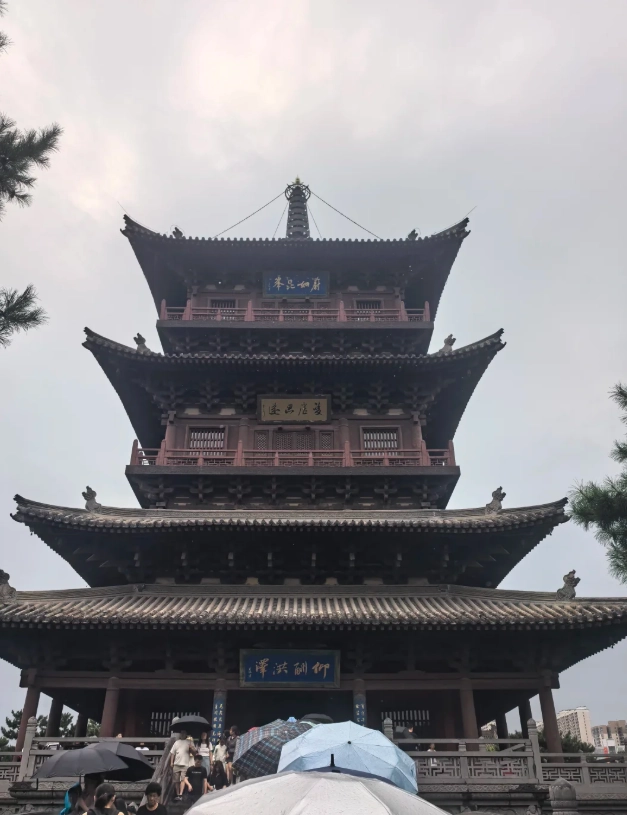
Frequently Asked Questions About Datong Travel
Verified and fact-checked by the editorial team.





No comments yet.