 Chen Liu
Quick Jump: What You'll Need
I've led dozens of groups from Hong Kong into mainland China. And every single time, someone's phone goes silent the second they step past the border. International roaming from your HK carrier? Costs a fortune. No signal at all? Worse. Let me save you the headache. Here's everything I've learned about getting a HK to mainland China SIM card—the real deal, not the fluff.
Why You Need a Separate SIM for Mainland China
Your Hong Kong SIM card won't work on the mainland—not reliably, not cheaply. Hong Kong carriers like CMHK, 3, and SmarTone offer roaming packs, but they're expensive (think HKD 100+/day for decent data) and often throttle after 500MB. The Chinese firewall also blocks Google, WhatsApp, Instagram. A local mainland SIM gives you a mainland IP, meaning faster access to WeChat, Alipay, and local apps. Plus, you'll get a real mainland phone number—essential for booking taxis (Didi), restaurants, and registering at hotels.
The 5 Best HK to Mainland China SIM Cards (Compared)
I've tested these personally. Here's a cheat sheet.
| SIM Card | Data Allowance | Validity | Price (HKD) | Where to Buy | Best For |
|---|---|---|---|---|---|
| China Mobile HK (CMHK) 4G/5G Prepaid | 8GB high-speed then 256kbps | 7 days | 68 | CMHK shops, 7-Eleven | Heavy data users, reliable coverage |
| 3HK Global Prepaid SIM | 5GB high-speed then 384kbps | 8 days | 58 | 3 shops, Circle K | Budget-conscious, short trips |
| SmarTone Prepaid SIM | 6GB high-speed then 128kbps | 7 days | 78 | SmarTone stores | Stable connection in cities |
| China Unicom (via HK resellers) | 10GB high-speed | 7 days | 88 | Online (Trip.com), some 7-Eleven | Big data needs, eSIM option |
| Airalo eSIM (China plan) | 1GB–20GB options | 7–30 days | From USD 5 | Airalo app (install before trip) | No physical SIM, instant activation |
My go-to for most travelers: CMHK 8GB 7-day prepaid. It's sold everywhere, activation is straightforward (instructions in English), and the coverage inside mainland China beats others—especially in subways and remote areas. If your phone supports eSIM, Airalo's China plan is a lifesaver because you can buy and install it while still in Hong Kong, and it activates as soon as you connect to a mainland cell tower. No queuing.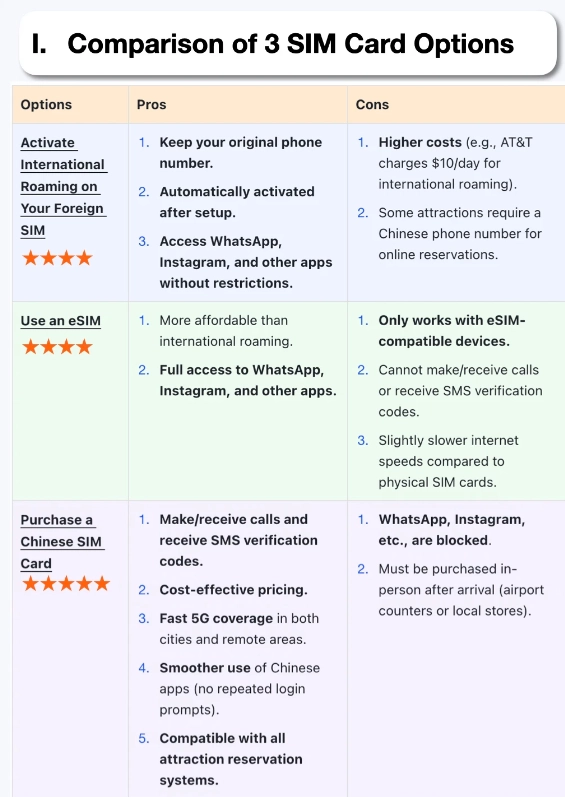
Where to Buy Before Crossing the Border
You have three windows to grab your SIM:
1. In Hong Kong city (before heading to the border)
Head to any 7-Eleven, Circle K, or carrier store. The best spot is Mong Kok—dozens of phone shops on Nathan Road. SmarTone and CMHK stores have English-speaking staff. Show them your passport. They'll handle registration (required by Chinese law). Pay with cash or Octopus. Passport needed.
2. At the Hong Kong side of the border (Lo Wu, Lok Ma Chau, Hong Kong-Zhuhai-Macau Bridge)
Every major port has a 7-Eleven or carrier kiosk right before immigration. I've bought SIMs at Lo Wu's 7-Eleven 3 minutes before crossing. Just check the package says "Mainland China Data" —some only work in HK.
3. Online (pre-order for pickup or mail to your HK hotel)
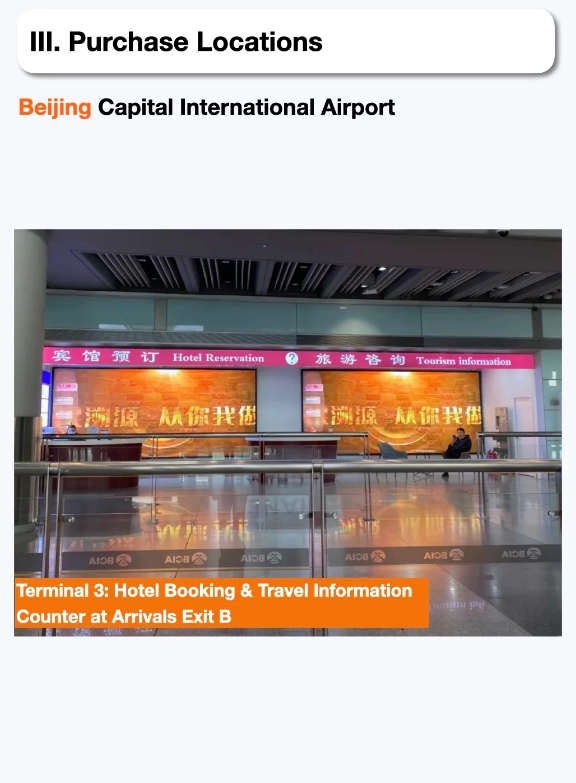
Trip.com and Klook sell prepaid SIMs that you can pick up at Hong Kong International Airport or specific 7-Eleven stores. This is the most convenient if you're arriving by flight. Example: Trip.com China 7-day SIM (search "China 4G SIM Hong Kong").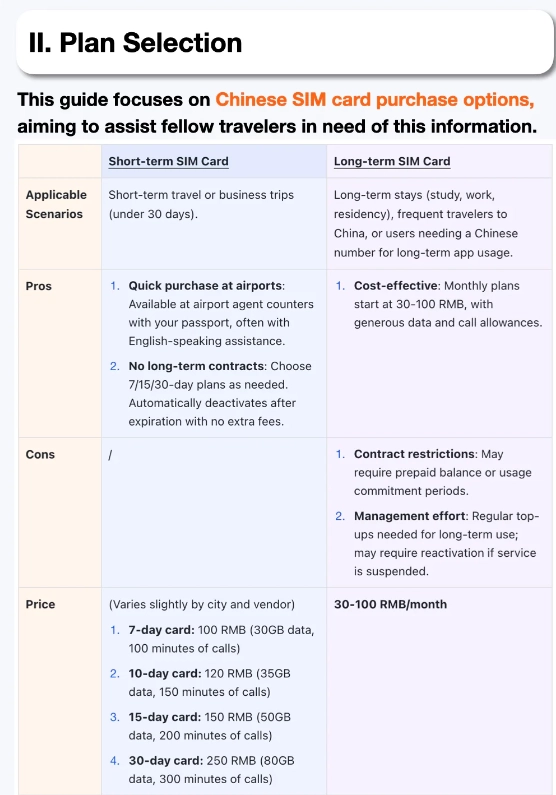
eSIM vs Physical SIM: Which One Should You Pick?
I've used both extensively. Here's my take.
eSIM advantages: No physical swapping. You keep your HK number active for SMS/calls (dual SIM). Can buy and install from home. Activation is instant once you land in mainland China. Perfect for iPhone XS and later, and many Android flagships.
eSIM disadvantages: Requires an unlocked phone. Some Chinese eSIMs don't give you a mainland phone number—only data. That's a problem: without a local number, you can't use Didi (taxi app) or receive verification codes for WeChat Pay. Check the product details carefully. Airalo's China eSIM, for instance, is data-only.
Physical SIM advantages: Always includes a mainland phone number. You can hand it to a Chinese friend to top up. Works in any unlocked phone. The SIM itself is cheap.
Physical SIM disadvantages: You lose your HK number while the physical card is in (unless you carry a second phone). Registration takes 5 minutes at the store. Can't buy it after entering China easily.
My recommendation: If you need a mainland number (and you do, trust me), get a physical SIM from CMHK or 3HK. If your phone supports dual SIM (eSIM + physical), use the eSIM for your regular HK line and the physical SIM for mainland. If you absolutely cannot get a physical card, use Airalo eSIM plus a separate app for virtual numbers (like Dingtone) to get a mainland number—but that's clunky.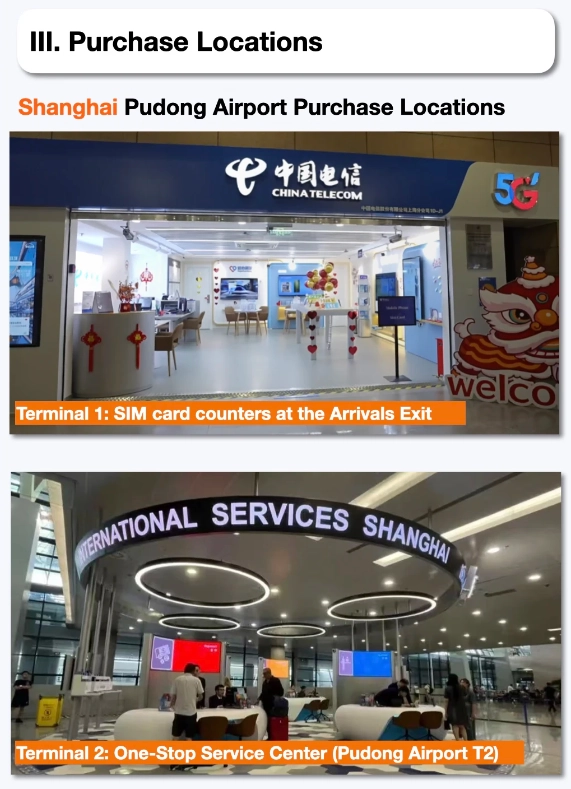
Activating Your SIM Card: Step-by-Step (What No One Tells You)
Most prepaid SIMs sold in Hong Kong come pre-activated for mainland use, but you still need to do a few things once you cross the border.
- Insert the SIM while still in Hong Kong. Install it in the correct slot (usually SIM 1).
- Cross the border. As soon as the phone connects to a mainland network (China Mobile, China Unicom), you should see signal. It might take 1–2 minutes.
- Check APN settings. If data doesn't work, go to Settings > Cellular > Cellular Data Network. For CMHK, set APN to
cmnet. Others usually auto-configure. - Test by opening a Chinese website (like baidu.com). If it loads, you're good. Google and Facebook won't work until you enable your VPN. Already have one? Connect now. Don't have one? Install one while you still have Wi-Fi in Hong Kong.
- Keep the SIM's PIN code spare. Some cards have a PUK code on the package. Write it down. I've seen travelers lock themselves out by entering wrong PIN.
Common Pitfalls (and How to Dodge Them)
Pitfall #1: Buying a SIM that only works in Hong Kong.
Some cheap SIMs sold at 7-Eleven are HK-only. The package will say "Local Data" in small print. Always look for "Mainland China" or "China Roaming" explicitly.
Pitfall #2: Assuming your phone is unlocked.
If you bought your phone from a carrier (e.g., AT&T, T-Mobile, EE), it might be locked. Test with another carrier's SIM before your trip. Unlock requests take days.
Pitfall #3: Not registering the SIM with your passport.
Chinese law requires real-name registration. Hong Kong shops do this for you when you buy. But if you buy online from a non-HK source, you might get an unregistered SIM that will be blocked after a few hours. Always buy from an authorized retailer.
Pitfall #4: Forgetting to turn off data roaming for your HK line.
I see this all the time. You have two SIMs: HK physical and mainland eSIM. Your phone might automatically use the HK line for data, racking up roaming charges. Go to Settings > Cellular > turn off "Data Roaming" for your HK line, set the mainland SIM as default for data.
Pitfall #5: Running out of data during a long train ride.
The high-speed rail from Hong Kong to Beijing takes 8 hours. You'll burn through 2GB easily. Buy a package with at least 5GB for a week. If you need more, top up via the carrier's WeChat mini-program (ask a Chinese friend to help) or buy an add-on at 7-Eleven in China.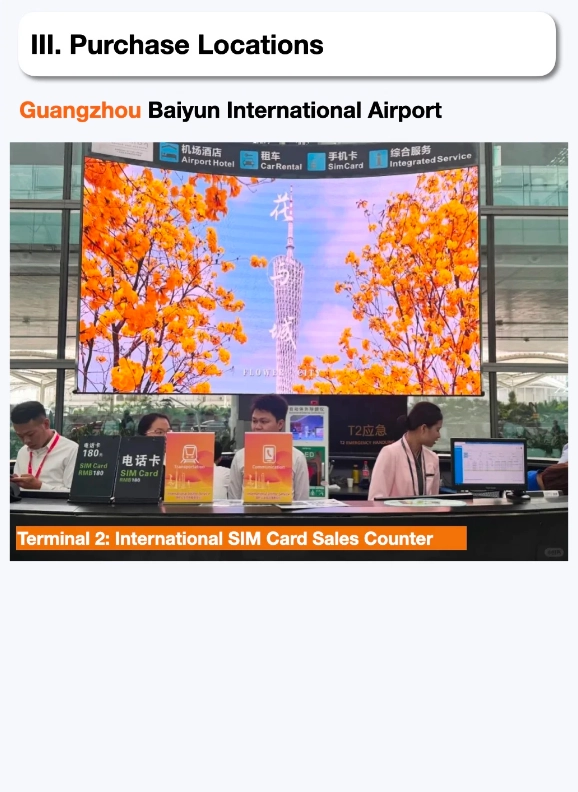








No comments yet.