 Wei Zhang
What's Inside
I still remember the first time I ordered “vegetable fried rice” in Beijing. Waitress nodded. Plate arrived. Hidden pork shreds everywhere. That moment taught me: finding real vegetarian food in China is an art. You need the right words, the right spots, and a bit of street-smart.
Here's the truth: most Chinese restaurants assume “vegetarian” means no big chunks of meat, but they'll still use lard, chicken powder, or shrimp paste. If you're strict plant-based, you can't just say “I don't eat meat.” You need to be specific.
The ultimate shortcut? Head to Buddhist temple cafeterias. They serve 100% vegan food, dirt cheap, and the monks know exactly what “no garlic, no onion” means for religious reasons. I've guided dozens of tourists to Longhua Temple in Shanghai for a bowl of their legendary noodles — and they never left disappointed.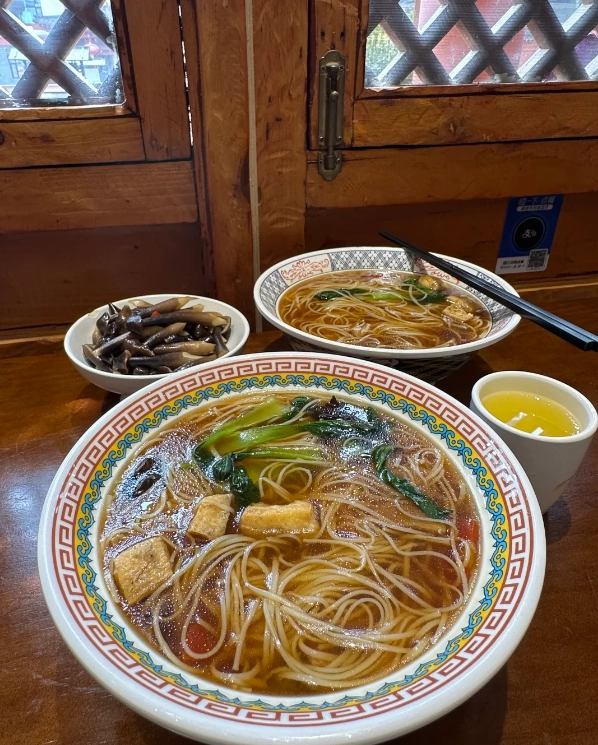
Why Finding Vegetarian Food in China Can Feel Like a Puzzle
Chinese cuisine has a deep culture of “umami” that often relies on meat-based broths and condiments. Even a simple-looking “green vegetable” stir-fry might be cooked with lard or drizzled with oyster sauce. Common pitfalls include:
- Chicken powder (鸡精): A staple in most kitchens, added to nearly every dish.
- Lard (猪油): Used for stir-frying to add fragrance, especially in Sichuan and Hunan cuisine.
- Oyster sauce (蚝油): Splashed on veggies in Cantonese-style restaurants.
- Shrimp paste (虾酱): Common in stir-fried greens in southern China.
On top of that, many Chinese people don't understand the concept of veganism — they might offer you eggs or dairy thinking it's fine. Learning a few key phrases in Mandarin (and showing a written card) is essential.
5 Must-Know Tips for Eating Vegetarian in China
1. Master the Magic Phrases
Memorize these (or save them on your phone):
- “Wǒ chī sù” (I eat vegetarian) — but this is too vague.
- “Wǒ bù chī ròu, bù chī yú, bù chī jīdàn, bù hē niúnǎi, bù chī dàsuàn hé cōng” (I don't eat meat, fish, eggs, milk, garlic, or onion).
- “Qǐng bù yào fàng jījīng hé zhīyóu” (Please don't use chicken powder or lard).
Pro tip: Print this in Chinese on a small card. Show it to the waiter before ordering. Even better, have the card laminated — it gets splattered sometimes.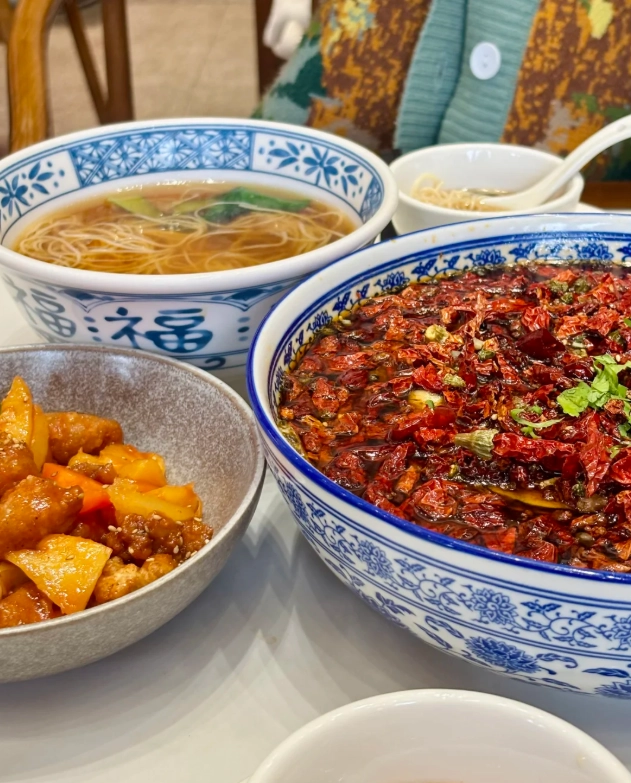
2. Use the Right Apps
Google Maps is unreliable in China. Instead, use HappyCow (it works on VPN) or Dianping (大众点评) with a translation app. HappyCow lists verified vegetarian and vegan restaurants with reviews from expats. But to use Dianping, you'll need WeChat Pay or Alipay — and many stalls only accept mobile payments. Be ready with a Chinese payment method: link your foreign credit card to Alipay before you arrive, or ask a friend to transfer you some money.
3. Go to Buddhist Temple Restaurants
This is my #1 recommendation. Temples like:
- Longhua Temple (Shanghai): 2853 Longhua Road. Open 7am-2pm for breakfast and lunch. The noodle soup with fried gluten (面筋) is incredible. ~15 RMB per bowl. Cash or WeChat. No English menu but they have pictures.
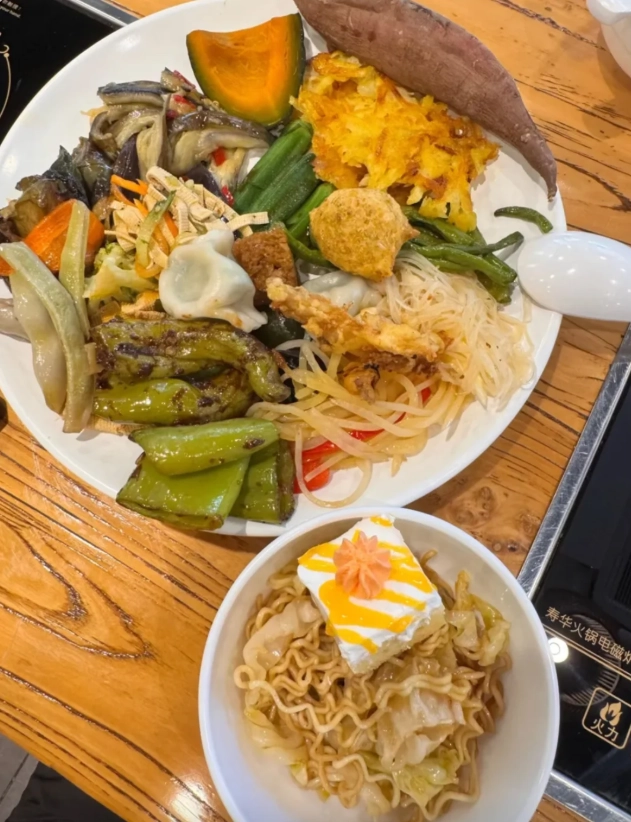
- Wenshu Monastery (Chengdu): 66 Wenshu Temple Street. Vegetarian buffet lunch 11:30-13:30, 20 RMB. You'll see locals queuing.
- Bamboo Temple (Kunming): Located on Yuantong Mountain. Simple set meal ~10 RMB. The setting alone is worth it.
All temple restaurants are strictly vegan (no garlic, onion, eggs, dairy). Perfect for foreign tourists.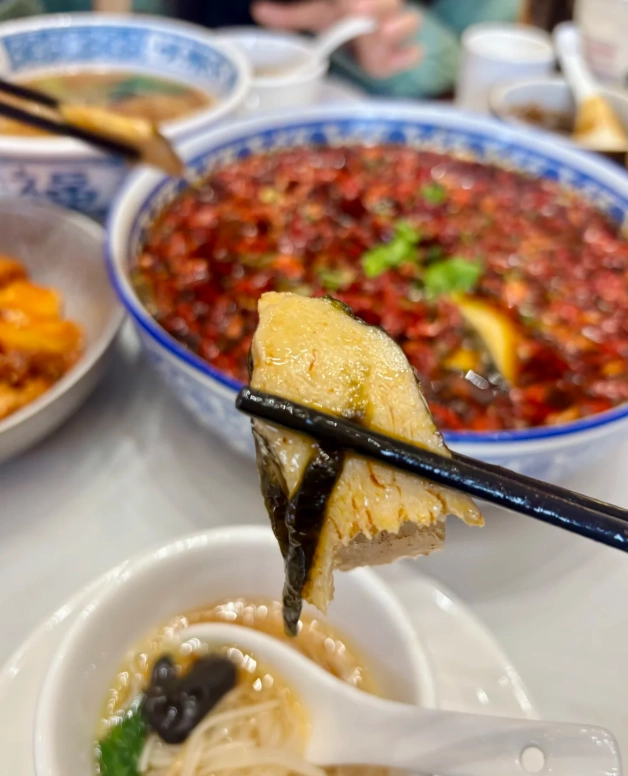
4. Carry a Plant-Based Card
I always give my clients a printed card (credit-card size) that says in Chinese: “I am vegan (strict vegetarian). Please do not use any meat, fish, eggs, milk, honey, garlic, onion, chicken powder, lard, oyster sauce, shrimp paste, or any animal products. Thank you!” You can get these made at any print shop in China for a few yuan. Or order a laminated version online before you go.
5. Beware of “Mock Meat”
Many Chinese vegetarian restaurants serve imitation meat (素肉) made from soy or wheat gluten. These are usually fine, but always ask if they contain any animal derivatives. Some mock duck products may contain egg.
Best Cities for Vegetarian Food in China
Based on my experience, these cities have the most reliable vegetarian scenes:
| City | Top Pick | Why It Works |
|---|---|---|
| Shanghai | Longhua Temple Restaurant | Historic temple, cheap, 100% vegan. Also check out Vegetarian Lifestyle on Wukang Road (Western-friendly). |
| Chengdu | Wenshu Monastery Vegetarian Buffet | Even in spice-central, the temple food is mild and pure. Outside, look for “chao su cai” (stir-fried veg) but confirm no lard. |
| Kunming | Bamboo Temple Canteen | Yunnan has amazing mushrooms and greens. The temple meal is simple but satisfying. |
| Beijing | Jing'an Temple? No, that's in Shanghai. In Beijing, try Pure Lotus near the Lama Temple (upscale vegan). Address: 23 Yonghegong Street. ~120 RMB per person. English menu available. | |
| Guangzhou | Baiyun Mountain Vegetarian Restaurant | Inside the Baiyun Mountain scenic area. The “vegetarian goose” (made of tofu skin) is a local favorite. ~40 RMB. |
Payment note: All these places accept WeChat Pay/AliPay. Some accept cash but don't expect change for large bills. International credit cards are rarely accepted.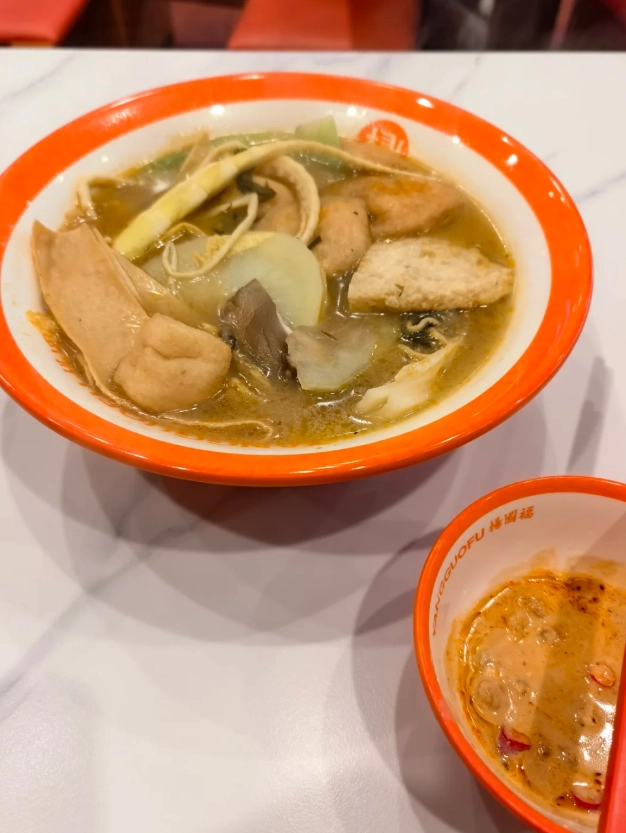
Common Hidden Ingredients Traps
Even when you think you're safe, these ingredients can ruin a meal:
- Lard in noodle soups: Many noodle shops use lard to cook the broth. Ask specifically: “Is this soup made with vegetable oil?”
- Chicken powder in vegetable stir-fries: Assume it's present unless the restaurant is explicitly vegetarian.
- Oyster sauce in green vegetables: Classic Cantonese “green veg” (choi sum, gai lan) often comes drenched in oyster sauce. Request “without oyster sauce” (bú yào háo yóu).
- Egg or milk in “vegetarian” dumplings: Many vegetable dumplings have egg binder. Ask if they're “pure vegetable without egg” (chún sù bú dài jīdàn).
My rule of thumb: If you can't communicate clearly, order at Buddhist temple restaurants. No questions asked. Or visit fully vegan restaurants listed on HappyCow — you'll find them in tier-1 cities.
Frequently Asked Questions
Verified and fact-checked by the editorial team.





No comments yet.