 Ting Chen
What's Inside This Guide
First, the honest answer: yes, Yunnan is worth visiting — but not the way most travel blogs suggest. I've guided more than 20 tours through this province, and the places that truly blew my mind aren't even on the mainstream Google results. Here's the problem: almost every foreigner lands in Kunming, rushes to Lijiang, and gets stuck in selfie-stick traffic. Sound familiar? In this guide, I'll show you the route I'd take personally, the costs that actually make sense, and the mistakes that can ruin your trip. No sugar-coating. You'll know exactly how to decide if Yunnan fits your travel style.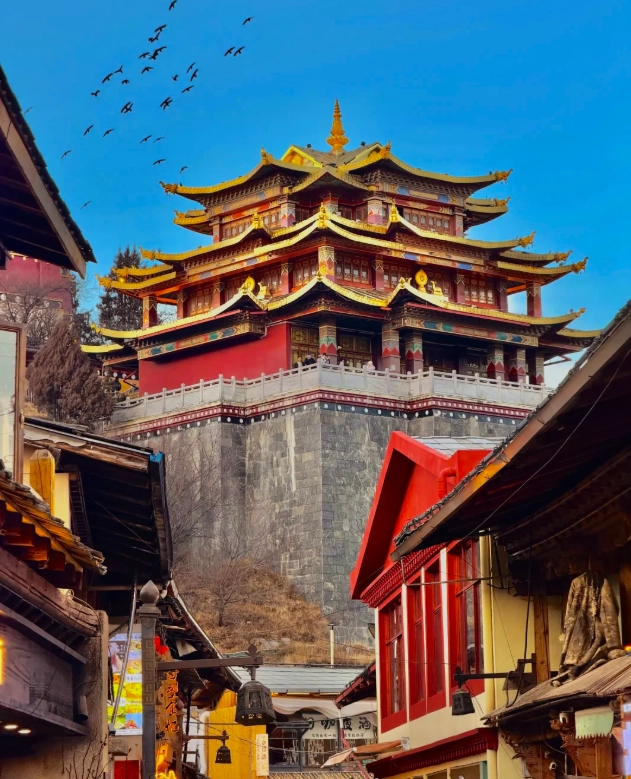
Why Yunnan Is (Really) Worth Visiting
Landscape Variety You Won't Find Anywhere Else
Yunnan is the only province in China where you can see snow mountains, rainforest, rice terraces, and desert-like valleys all in one trip. The province borders Tibet, Myanmar, Laos, and Vietnam, and its geography is a wild mix of the Himalayas and Southeast Asia. I've taken travelers from the glacier-carved peaks of Meili Snow Mountain to the tropical jungle of Xishuangbanna in the same week — mind-blowing. But here's the catch: this variety also means long travel distances. Don't try to see it all in 5 days.
Cultural Diversity Beyond Imagination
With 25 ethnic minority groups, Yunnan is a cultural mosaic that feels like a whole continent in one province. The Naxi people in Lijiang, the Bai in Dali, the Tibetan in Shangri-La, and the Hani of the Yuanyang rice terraces — each has its own language, cuisine, and festivals. I once walked into a Bai village during the third month fair and was handed a bowl of spicy sausage without any explanation. That kind of spontaneous welcome happens all the time. But the flip side? Many so-called ethnic villages are now souvenir shops. The real culture survives in smaller towns like Shaxi or Nuxia.
The Food Scene Is Underrated (and Spicy)
Don't believe the bland Chinese food stereotype — Yunnan's food is a flavor explosion of mushrooms, herbs, and chili. The famous 'crossing-the-bridge noodles' from Mengzi are a ritual you must try: a huge bowl of boiling broth, raw slices of meat, and a mountain of vegetables. Then there's the wild mushroom hot pot in Kunming — I've nearly overdosed on the porcini broth (in a good way). But be careful: many dishes are sneaky spicy. My rule? Always order a side of 'glucose' water or a bottle of yogurt to cool down.
When Should You Go?
The Best Months to Go (and When to Avoid)
The sweet spots are March to May and September to November, when the weather is dry and temperatures are pleasant. Spring brings azaleas and cherry blossoms; autumn paints the terraces gold. Avoid July and August unless you love monsoon rain — the roads can wash out, and Yuanyang views become a white-out. Also, steer clear of Chinese national holidays (early October, May Day) when domestic crowds turn every bridge into a human chain.
How to Dodge the Crowds in Popular Spots
Get to the big sites by 8 AM or stay until after 4 PM — the hours in between are a sea of tour buses. I always tell my clients: if your itinerary forces you to be at Lijiang Old Town at noon, you might as well be in a shopping mall. The magic happens at dawn, when the stone streets are empty and the cobblestones glisten with morning dew. Same for the Yuanyang terraces: sunrise is magical, but the popular viewing platform gets packed. Instead, I take groups to a hidden spot near Laohuzui that is empty even at golden hour.
How Much Does a Yunnan Trip Cost?
Daily Budget for Backpackers vs. Comfort Travelers
A backpacker can scrape by on 150-250 RMB per day, while a comfortable trip costs around 500-800 RMB. Hostels in Dali and Lijiang start at 50 RMB per bed, while a mid-range hotel runs 200-300 RMB. A local noodle shop meal is 15-25 RMB, but a feast of wild mushrooms at a restaurant like 'Yunxian Ji' in Kunming will set you back 150 RMB per person. Budget tip: use public buses and trains instead of taxis. The high-speed train from Kunming to Dali cost me 145 RMB for a second-class seat — new and super smooth.
Where to Save Money Without Missing Out
Skip the cable cars at every stop and take the walking paths — that's where the real vibes are. At Jade Dragon Snow Mountain, the cable car up to Glacier Park is pricey (about 180 RMB) and can have a two-hour queue. Instead, walk the Blue Moon Valley at the base, which is free and equally scenic. Also, book your tickets via the official WeChat mini-program or Trip.com to avoid inflated counter prices. And always negotiate prices for souvenirs in old towns — I watched a friend buy a tie-dye scarf for half the listed price after he started to walk away.
How to Plan Your Yunnan Itinerary
Classic Route: Kunming to Lijiang to Shangri-La
For a 7-10 day trip, start in Kunming, head to Dali, then Lijiang, and finish in Shangri-La. I usually break it down like this: Kunming for 2 days (Stone Forest and Green Lake Park), Dali for 2 days (Erhai Lake bike loop, Three Pagodas), Lijiang for 3 days (Old Town, Jade Dragon Snow Mountain, Baisha Village), and Shangri-La for 2 days (Songzanlin Monastery, Pudacuo National Park). The transport between cities is easy with high-speed trains or buses. But remember to add at least one day of buffer for weather delays, especially in the mountains.
Off-the-Beaten-Path Add-Ons for the Bold
Extend into Baima Snow Mountain or the Nujiang Canyon region if you're craving adventures without the tourist crowds. Baima is a lesser-known nature reserve where you can hike among yaks and alpine flowers without seeing another selfie stick. Nujiang Canyon is remote but breathtaking, with twisting roads along the Salween River. Just be prepared for rough roads and limited amenities. I once drove a group to a Nujiang village and the only place to eat was a local family's kitchen — the pork stew was the best we had all trip.
What to Skip (Even If the Brochures Say Otherwise)
Unless you're into commercialized street stalls, you can skip the Sifang Street in Lijiang and explore the quieter side alleys. The main square is a tourist zoo. Instead, wander to the black dragon pool area or the Wenzhi village area for actual local life. Also, the Three Pagodas in Dali are pretty from the entrance gate — you don't need to pay the 75 RMB entry fee to see them up close. And skip the 'eagle village' shows near Kangding; they are often overly staged.
Getting Around Without Losing Your Mind
Flights, Trains, and Buses: A Comparison Table
| Route | Option | Cost (RMB) | Travel Time | Pros | Cons |
|---|---|---|---|---|---|
| Kunming to Dali | High-speed train | 145 (2nd class) | 2 hours | Fast, punctual, comfortable | Sells out quickly |
| Kunming to Lijiang | Overnight train | 210 (sleeper) | 9 hours | Saves a hotel night | Bumpy, early wake-up |
| Dali to Lijiang | Bus | 50 | 3 hours | Scenic countryside views | Traffic delays |
| Lijiang to Shangri-La | Bus | 60 | 3.5 hours | Mountain views | Winding roads |
Pro Tip: Book your train tickets on the official 12306.cn website (English version available) or via Trip.com. The overnight train from Kunming to Lijiang is a classic — get a VIP sleeper to avoid cramped seats. Book early; they sell out fast.
Essential Travel Prep for Yunnan
Do You Need a Visa? And How to Get One
Yes, most nationalities need a tourist visa (L visa) from the Chinese embassy before you arrive. The process is straightforward: fill an application, provide your passport, photo, travel itinerary, and a hotel booking. You can apply at your nearest Chinese embassy or visa center. The visa officially costs about 150 USD for a single entry, but processing fees varies. For up-to-date requirements, check the National Immigration Administration's website at nia.gov.cn. Don't rely on a traveler's stories — rules change.
How to Survive Without Google (Maps, VPN, Translation)
Install a VPN before you arrive, download AMap (高德地图) or use Apple Maps for navigation, and keep a translation app handy. Google Maps is blocked and often inaccurate for walking directions. I always set up my group with Apple Maps, which uses Chinese map data and works in English. For remote areas, download offline maps. Also, download a translation app with offline pack — Baidu Translate and Apple Translate both work without a signal.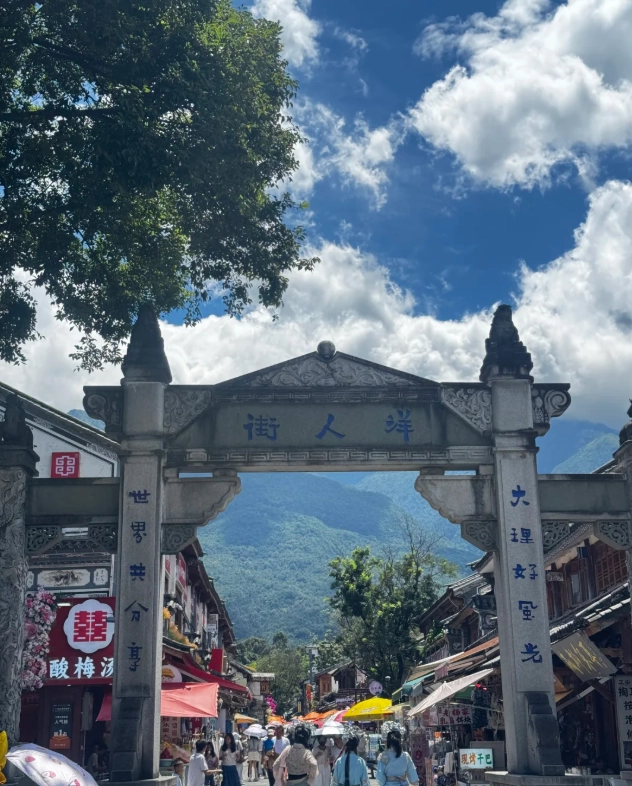
Cash, Cards, or Alipay? The Payment Reality
While Alipay and WeChat Pay dominate, some remote spots still only take cash — bring a mix. Alipay can link your international credit card, but not all international cards work. I've seen travelers stuck at a tiny noodle shop with no card machine and only a few yuan in cash. My advice: have at least 500 RMB in cash for emergencies. Even in big cities, some street vendors only take these apps. To link Alipay, do it before you arrive — the process is easier with your home phone number.
Top Attractions Worth Your Time
The Must-Sees with Real Details
Lijiang Old Town (UNESCO World Heritage Site) is worth your time if you take the side streets. No entry fee for the town itself, but the Jade Dragon Snow Mountain is a must. Entry ticket is around 100 RMB, plus cable car up to Glacier Park (180 RMB) and bus pass (20 RMB). Hours are 7:30 AM to 6 PM. The best time to visit is early morning to avoid tour groups. Pro Tip: take a taxi to the less crowded 'Blue Moon Valley' entrance instead of the main gate — it saves an hour of queueing.
Yuanyang Rice Terraces are a true wonder, especially at sunrise. The entrance ticket is 100 RMB for the whole area, open 24/7. I recommend the Duoyishu viewing platform at sunrise — it's free and less crowded. The terraces are best from December to March when the fields are flooded.
Underrated Gems Most Tourists Miss
Sha Xi Ancient Town (沙溪古镇) is like a quiet Lijiang from ten years ago. Located near Jianchuan, it's 3 hours by bus from Lijiang, but the old stone streets, the age-old market square, and the laid-back atmosphere are worth the detour. There's no entry fee, and you can stay in an old inn for 150 RMB a night. Stroll to the nearby Xingjiao Temple for a dose of authentic local Buddhism.
My Honest Disappointments (Yes, There Are Some)
The Three Pagodas in Dali are pretty from the outside but the park ticket (75 RMB) feels steep. The pagodas are historic, yes, but you can see them just as well from the pedestrian bridge ridge across the lake. Also, the 'impression Lijiang' outdoor show is pure tourist bait — skip it and save the 30 RMB.
FAQs From My Travelers
Verified and fact-checked by the editorial team. This content has been fact-checked to ensure informational precision.







No comments yet.