 Lei Li
Why Shanxi Food Deserves Your Attention
You've booked your flight to Shanxi, and you're already dreaming of the Forbidden City in Beijing or the Terracotta Army in Xi'an. But here's the thing I tell every traveler I guide: Shanxi's food is the real hidden gem — and most tourists miss it completely because they're too busy rushing to the historical sights.
I've spent over a decade leading tours in this province. I've watched visitors stare suspiciously at a bowl of knife-cut noodles, then take one bite and light up like a kid on Christmas morning. That's the magic of Shanxi eating.
But let me save you some pain: Google Maps is unreliable here, many menus are Chinese-only, and paying with a foreign credit card at a street stall is about as effective as shouting in English. This guide is packed with hard-won knowledge — from dishes you absolutely cannot skip to the exact way to order without looking like a clueless tourist.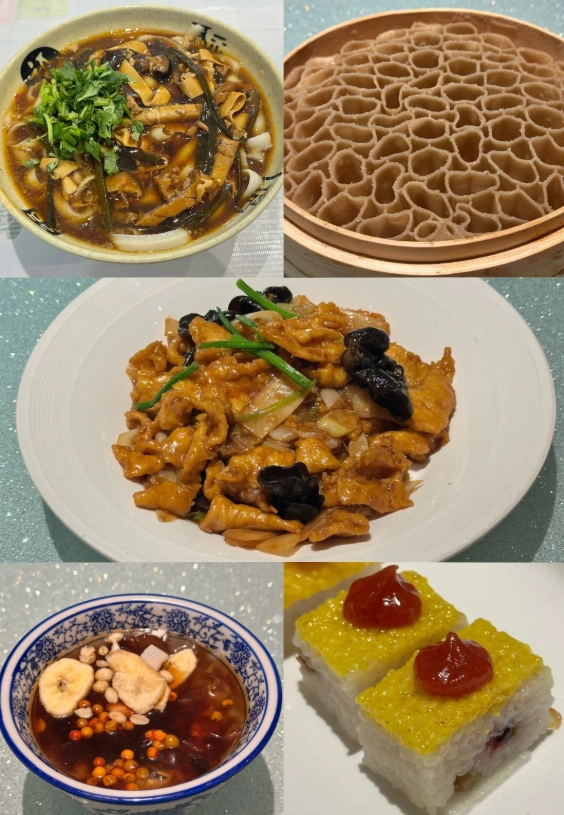
The Must-Try Dishes of Shanxi
There are dozens of regional specialties, but I've narrowed it down to the ones that win over every foreign visitor I've hosted. Mark these on your mental map — you'll thank me later.
1. Knife-Cut Noodles (Dao Xiao Mian)
This is the poster child of Shanxi noodles. The cook holds a block of dough in one hand and shaves thin strips into boiling water with the other. The result is chewy, slightly irregular noodles that absorb broth like a sponge. I always tell clients to watch a skilled maker at work — it's part performance, part delicious.
Order it with braised pork or the traditional tomato-egg sauce. If you're in a noodle shop and see a big boiling pot with a guy shaving dough, just point at that and say "dao xiao mian" — the staff will know.
2. You Mian Kao Lao Lao (Oat Noodles Steamed)
These rolled oat rolls look like tiny honeycomb tubes. They have a distinct nutty flavor and a lovely chewy texture. Typically served with a dipping sauce made of tomato, garlic, and herbs — I still dream about it.
You'll find them in nearly every local restaurant, but for the real deal, visit a village-style place in the countryside around Datong or Pingyao. Ask for "kao lao lao" — even if you can't pronounce it well, writing it on your phone works.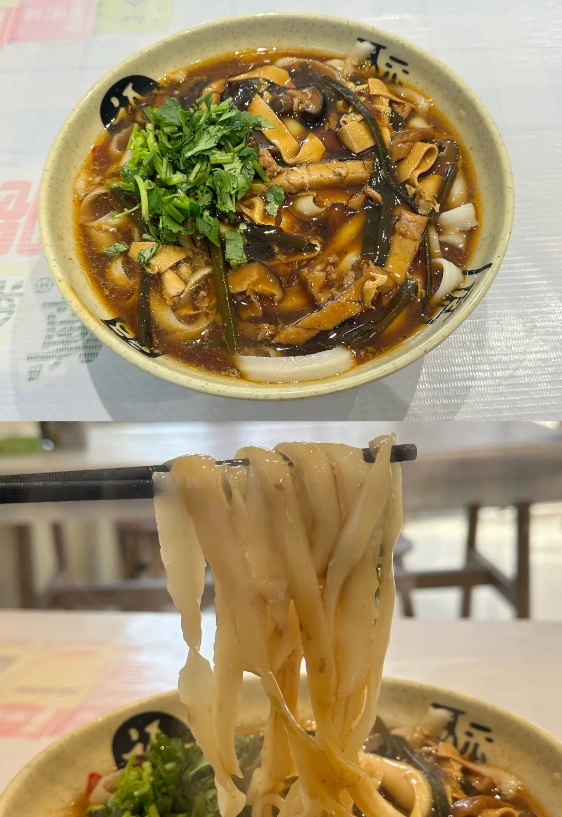
3. Pingyao Beef
Pingyao is famous for its savory, spiced beef that's been cured and pressed. It's not the tenderest meat, but the deep flavor and long finish are unforgettable. Perfect with a slice of local bread or just on its own as a snack.
In Pingyao Ancient City, you'll see shops selling vacuum-packed versions everywhere. But I recommend tasting it fresh at a restaurant — the texture and flavor are completely different.
4. Guo You Rou (Over-Oil Sliced Pork)
Don't let the name scare you — "over-oil" means the pork is quickly fried to give it a crispy-tender bite. The dish is loaded with garlic and scallions, with a light soy-vinegar sauce. It's simple, rustic, and deeply satisfying.
I always order this in Taiyuan restaurants; it's a test of a chef's skill because it's so easy to dry out the meat. When done right, it glistens and melts in your mouth.
5. Yang Ge (Sheep Soup with Offal)
If you're feeling adventurous, this is a local breakfast staple. Sheep offal (like liver, heart, and tripe) simmered in a rich broth, usually with glass noodles. The flavor is strong, so it's not for everyone — but I've had clients who couldn't stop raving about it.
Find a morning market or an old teahouse in Taiyuan; they typically serve it from dawn until around 10 AM. So set an alarm and go early.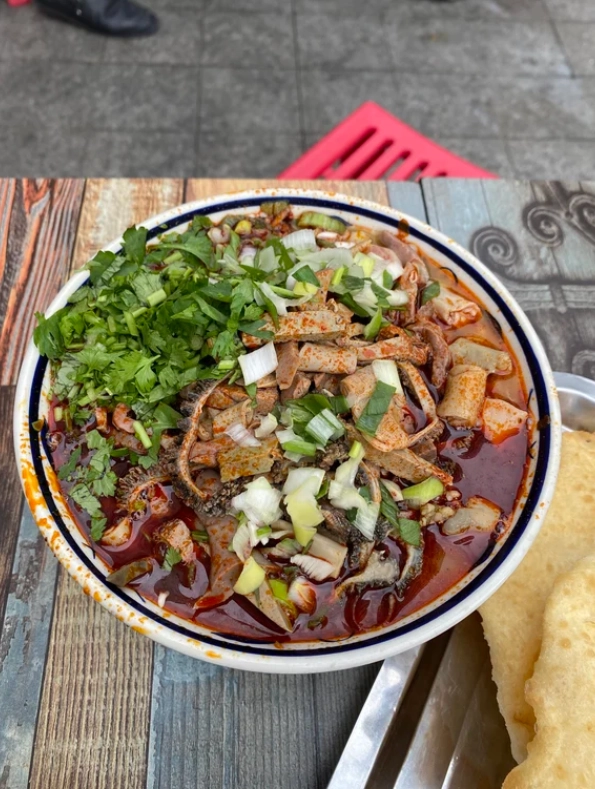
6. Wan Tuo (Cold Buckwheat Jelly)
This is my personal go-to for a hot summer day. A smooth, quivering sheet of buckwheat jelly, sliced into strips and dressed with vinegar, garlic, and chili oil. It's refreshing, tangy, and spicy. I've seen tourists taste it and then order three more bowls.
It's sold on almost every street corner in Pingyao and Taiyuan. For a more substantial version, you can add shredded potatoes or other toppings.
7. Vinegar-Flavored Soups and Dishes
Shanxi is the vinegar capital of China, so you'll see it used in ways you'd never imagine. Try "sweet vinegar ribs" or a simple tomato-egg soup with a splash of vinegar at the end — it brightens the entire dish. Don't worry, it's not as bizarre as it sounds; the vinegar mellows and adds depth.
Ask for "ping cu" (Shanxi mature vinegar) when you buy a bottle to take home — the aged ones are smooth and sweet, nothing like the harsh distilled vinegars you might know.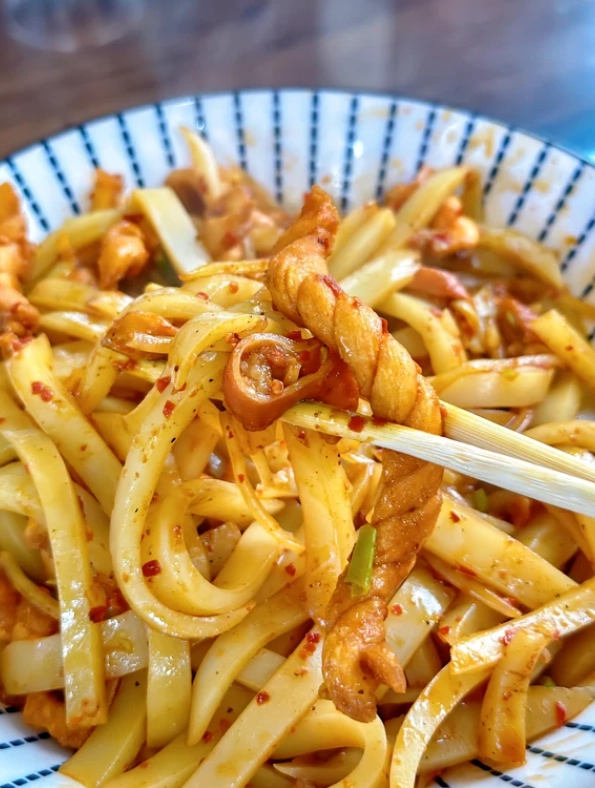
What Is the Signature Flavor of Shanxi?
If you think Sichuan food is all about numbness, then Shanxi is all about vinegar. The province has been making vinegar for over 3,000 years, and the locals splash it on everything — noodles, dumplings, vegetables, even soup. The most famous type is "Shanxi mature vinegar" (Shanxi Laochencu), which is dark, aromatic, and complex.
As a guide, I always warn my clients: the vinegar in Shanxi is not the thick, sweet balsamic you're used to. It's sharper and more assertive. But give it a chance — dip your dumpling in it, and you'll understand why locals douse their food.
I often tell travelers to visit the Donghu Vinegar Factory in Taiyuan if they have a spare afternoon. They offer tours that walk you through the fermentation process, and you can sample different vintages. It's a unique cultural experience — even for people who don't consider themselves foodies.
How to Order Like a Local: My Real-World Tips
You're staring at a menu with 100 items, all in Chinese, and the waitress is clearly impatient. Here's what I've taught hundreds of travelers:
- Use your phone to show a photo. Save a picture of the dish you want from this guide or from TripAdvisor. Showing a photo is instantly understood.
- Learn these three key phrases: "bù là" (not spicy), "kě yǐ zhào piàn ma?" (can I take a photo?), and "yǒu yīngwén càidān ma?" (do you have an English menu?). Most tourist-friendly places in Taiyuan do have an English menu, but you may need to ask.
- Point at what other people are eating. In local restaurants, just walk over, point at a steaming plate, and say "yào zhège" (I want this). It's the best way to discover something you didn't know you loved.
Here's a trick I always pass on: ask for a bottle of local vinegar on the table. Then, taste your noodles first, then add a drop of vinegar. It's a game-changer.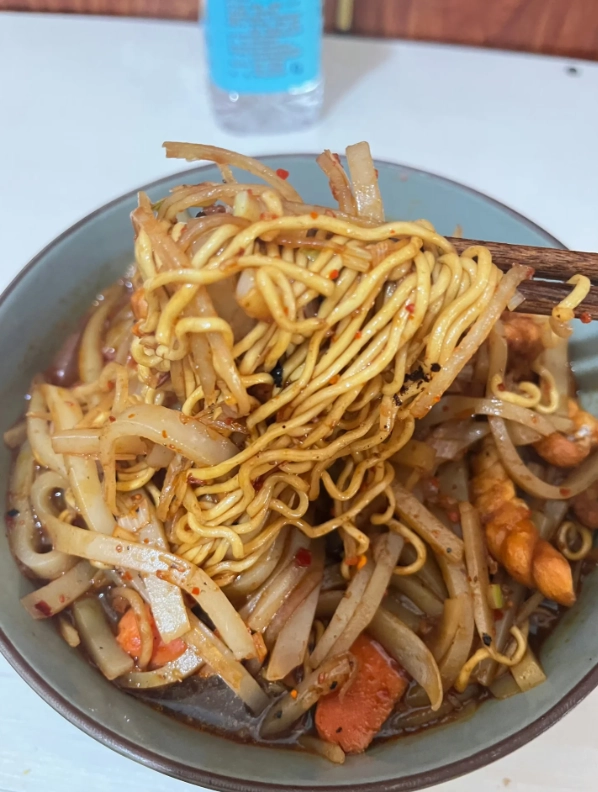
Pro Tip: In Shanxi, the difference between a good restaurant and a bad one is often the noodles. If they make their noodles by hand in front of you, it's almost always worth the wait. If they hand you a pack of instant noodles, walk out.
Street Food vs. Sit-Down Restaurants: Which to Choose?
You might be torn. I always tell travelers to do both — but with strategy. Street food is perfect for snacks and quick bites: you can try 10 different things in an hour and not spend more than 30 yuan. Restaurants are better for a full meal with seating, English menus (sometimes), and a wider range of dishes.
Here's a quick comparison table based on my years of personal testing:
| Type | Best For | Average Cost | Menu Language | English Friendly? |
|---|---|---|---|---|
| Street stall | Wan Tuo, noodles, small bites | 10-30 yuan | No menu, just point | Not needed |
| Local restaurant | Full meal, comfort dishes | 40-80 yuan per person | Chinese, occasional English | Usually okay |
| Tourist restaurant in Pingyao | Traditional dishes, atmosphere | 80-150 yuan per person | Often English + photos | Yes |
My rule of thumb: if you see a queue of locals, join it. The tourist spots in Pingyao are hit-or-miss; I've had better luck in the back alleys than on the main street.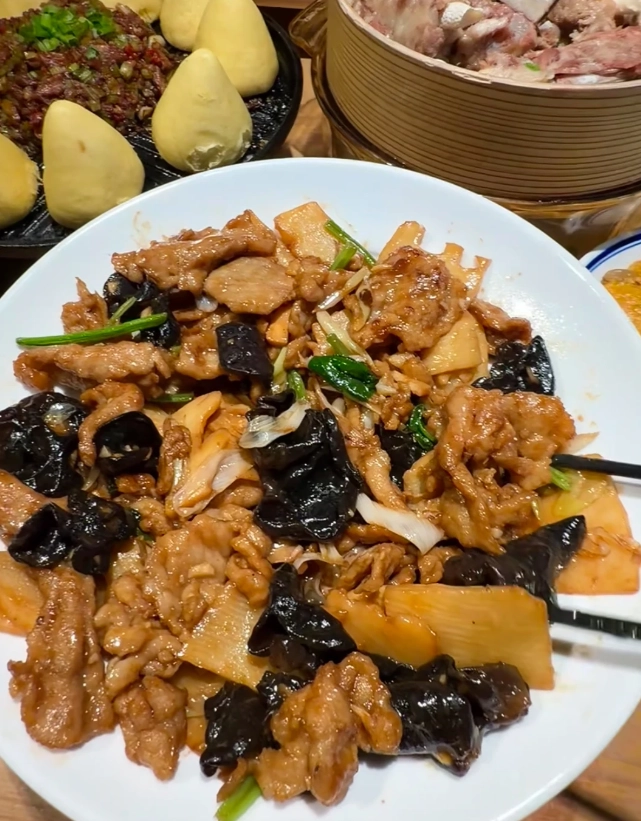
Honest Tips for Foreign Diners in Shanxi
Now for the stuff I wish someone had told me before my first trip. These are the things you'll never find in a glossy travel guide:
- Payment: Many street stalls only accept WeChat Pay or Alipay. I've rarely seen cash accepted, and international credit cards are useless. Set up Alipay with your international card before you arrive — it's a lifesaver.
- Navigation: Google Maps doesn't work well in China. I use Apple Maps or download Amap (高德地图) in advance. The English interface is decent, and it's far more accurate for finding a specific noodle shop.
- Tissues: Many local restaurants don't provide free napkins. I always carry a small pack of tissues — you'll be thankful when you're slurping hot soup.
- Water: Never tap water. Even locals don't drink it. Ask for "kāishuǐ" (boiled water) or buy bottles everywhere.
- Spice alert: Though Shanxi is not as spicy as Sichuan, many dishes do contain dried peppers. If you're sensitive, always say "bú là" (not spicy) when ordering.
One more thing — don't be surprised if the restaurant is packed and you're told to share a table with strangers. That's normal and actually a great way to experience local culture. Just smile and point at an empty seat.
FAQ: Your Top Questions About Shanxi Food, Answered
Verified and fact-checked by the editorial team.





No comments yet.