 Peng Gao
In This Guide
I still remember the first time I brought a group to Lanzhou. They all wanted the same thing: beef noodles. But they headed to a touristy spot near the train station and got a bowl that tasted like warm dishwater. That's when I realized — most visitors have no clue what to eat in Gansu. The province's real flavors hide in tiny alleys, where a noodle master pulls ribbons of dough like magic and the broth simmers overnight. Here's the truth: Gansu's cuisine is one of China's most underrated, and you don't need to spend a fortune to eat like a king. This guide covers the 10 dishes I always tell my clients to try, plus the exact spots to find them — and how to avoid the rookie mistakes.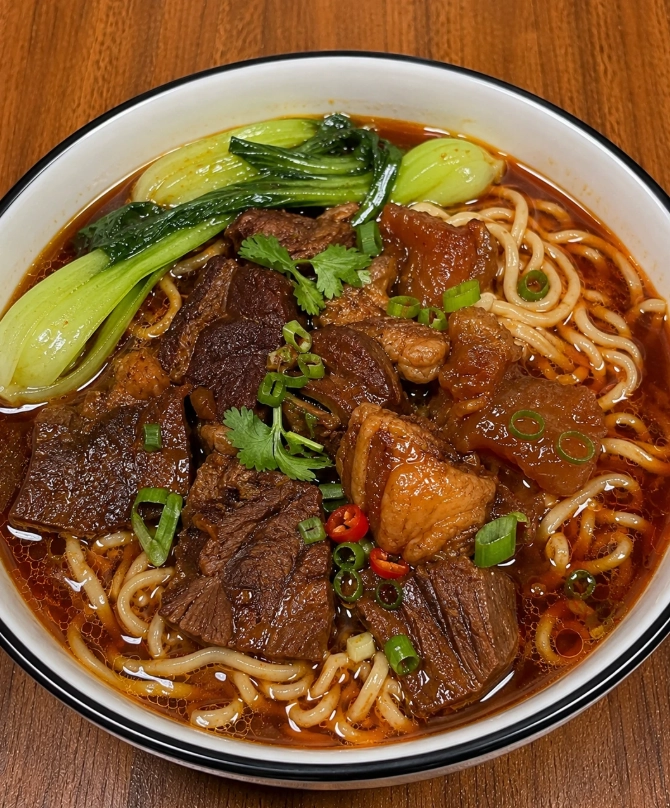
Why Gansu Food Deserves Your Attention
Gansu's cuisine is a flavor bridge between Central Asia and East Asia. Stretching along the Yellow River and the Silk Road, this province has been a melting pot for centuries. The ancient Silk Road's cultural legacy here is so significant that UNESCO's World Heritage Centre lists several sites in Gansu. You'll taste influences from the Uyghur, Hui, and Tibetan communities, all while staying wonderfully local. Lamb and beef dominate, noodles are stretched by hand, and dairy pops up in unexpected ways. If you're tired of the same old sweet-and-sour chicken from home, Gansu will reset your taste buds.
One of the things I love most is how seasonal and ingredient-driven the food is. In summer, cold noodles and apricot drinks cool you down; in winter, hearty lamb stews and hotpot warm you up. And the price? A satisfying meal often costs under 25 RMB.
Before diving into the dishes, a quick heads-up: payment is almost exclusively via Alipay or WeChat Pay — cash and international credit cards are rarely accepted outside big hotels. Download these apps and link your international card before you arrive. For visa requirements, check the latest policies from the National Immigration Administration. That official source is your safest bet.
The 10 Must-Try Dishes (With Local Tips)
Here's my personal list, ranked by how much my clients rave about them after their trip. I've included where to try them, what they cost, and the insider move that makes all the difference.
1. Lanzhou Beef Noodles (兰州牛肉面)
The real deal isn't just noodle soup — it's a bowl of artistry. You'll see locals order with a specific set of terms: '毛细' (extra thin), '三细' (medium), or '二细' (thick). The broth should be clear, the noodles hand-pulled, and the chili oil (red) is optional but recommended. My go-to spot in Lanzhou is the old branch of Ma Zilu on Dazhong Lane — it's been here for over a century. Go before 9 a.m. to catch the freshest broth, and expect to pay about 20-25 RMB. A bowl usually comes with a few thin slices of beef, so if you want more, order an extra plate.
2. Hand-Grabbed Lamb (手抓羊肉)
Nothing says Gansu like a plate of lamb cooked with just salt and water. This is the quintessential dish of Linxia, about 2 hours south of Lanzhou. The meat is so tender it falls off the bone, and it's usually served with a garlic-y dipping sauce and a sprinkling of cumin. I always tell travelers to look for a restaurant named 'Mai Ke Si' or just follow the locals — the best spots are packed with families. Price ranges from 60 to 90 RMB per jin (500 grams). A half-jin is enough for one hungry person.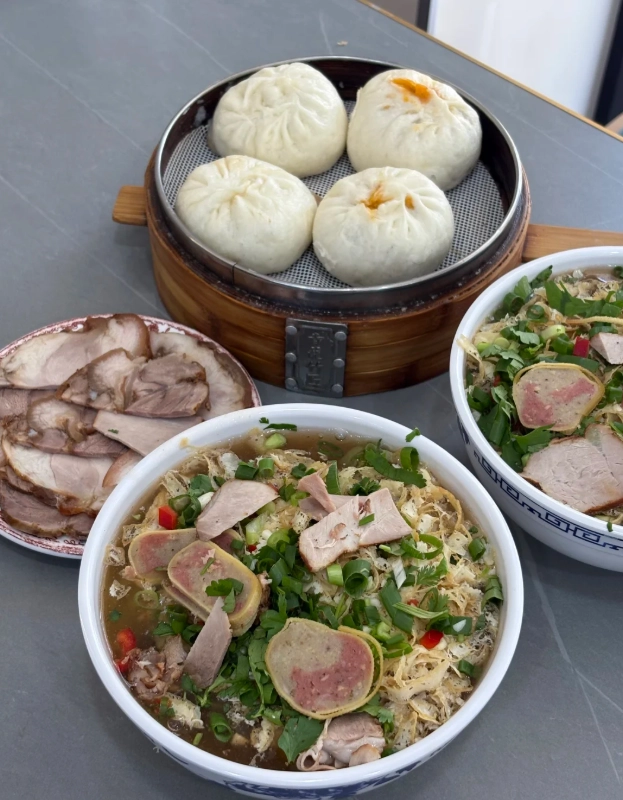
3. Liangpi (凉皮)
These cold noodles, made from wheat or rice flour, are Gansu's answer to hot summer days. Unlike the thicker round noodles you see elsewhere, Gansu's liangpi are often wide and flat, topped with bean sprouts, cucumber, a tangy vinegar mix, and a punch of chili oil. In Lanzhou, try the street carts on Zhangye Road or locate a branch of 'Zhen Ning Road' night market — but go early because they sell out. A bowl costs about 8-12 RMB. It's usually served at room temperature, so it's perfect for a quick lunch. Important: If you're sensitive to gluten, this dish won't work for you.
4. Hui Dou Zi (灰豆子) – Sweet Gray Bean Pudding
This dessert is a unique combination of peas, dates, and sugar, cooked until creamy. It looks grey and dense, but the taste is comforting and earthy. You'll often see it sold from big aluminum pots in night markets. The most famous stall is in Lanzhou's 正宁路夜市 (Zhengning Road Night Market), run by a family that has been doing it for decades. A cup costs around 5-8 RMB. It's a great way to end a spicy meal. I always order mine with an extra sprinkle of white sugar.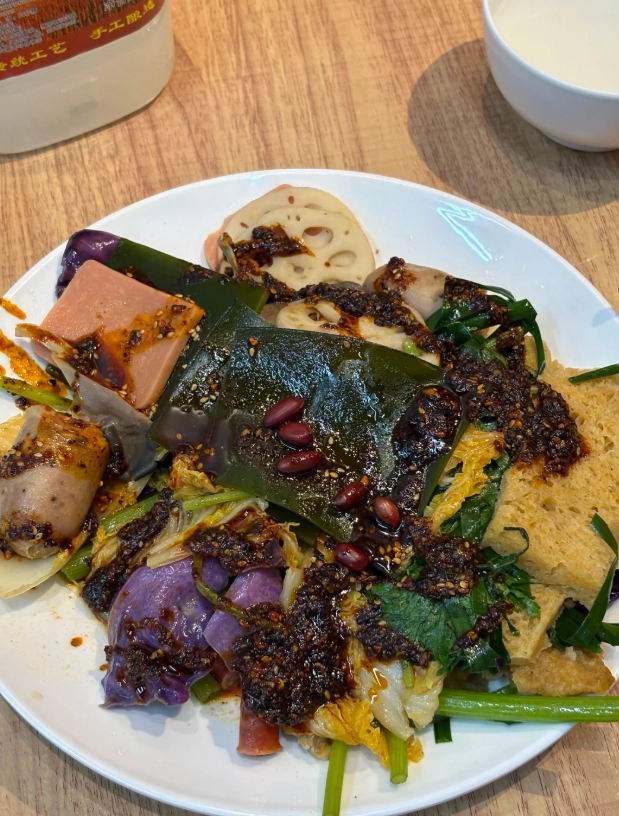
5. Tian Pei Zi (甜醅子) – Fermented Wheat/Rice
Think of this as a mildly alcoholic, sweet and sour drink with chewy bits of grain. Made from highland barley or wheat, it's fermented for a few days, giving it a fizz that reminds me of kombucha. In summer, you'll find it sold cold from carts — a perfect pick-me-up. Try 'Xibei Hezong' (a local chain) or any stall with a big glass jar. A glass costs about 3-5 RMB. The alcohol content is negligible, so it's safe for all ages.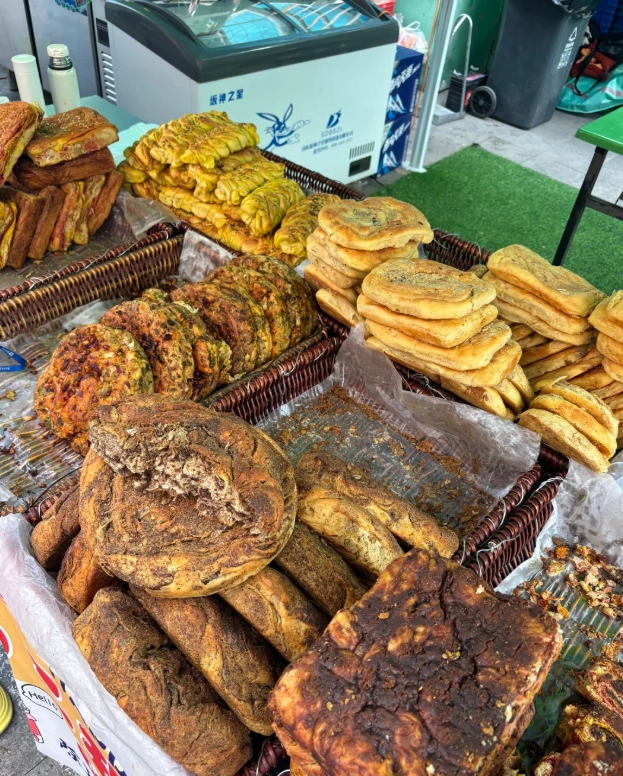
6. Cuo Yu (搓鱼) – Hand-Rolled Wheat Noodles from Zhangye
Zhangye's signature noodle is cut into little fish-like shapes, hence the name. The dough is rolled and then pinched into tiny concave shapes that catch sauce beautifully. It's typically served with a stir-fry of vegetables and sometimes lamb, in a light soy-based sauce. To try this, head to Zhangye city and look for a restaurant called 'Sunset Tower' (夕阳楼) or just ask for 'cuo yu' at any local eatery. A bowl is about 15-20 RMB. The texture is surprisingly chewy — you'll want to eat it slowly.
7. Hu Guo (糊锅) – A Jiuquan Breakfast Stew
This is a hearty, strange-sounding breakfast that travelers either love or hate. It's a thick soup made with chicken stock, sliced chicken or beef, fried dough sticks, and pieces of bean curd — all in a gluey, gelatinous broth. Locals swear by it for cold mornings in Jiuquan, which is the gateway to Dunhuang. You'll find it in most hotels' breakfast buffets or at small street stands. A bowl costs around 10-15 RMB. It's heavy, so maybe share it if you're not used to rich flavors.
8. Lǘ Rou Huang Mian (驴肉黄面) – Donkey Meat Yellow Noodles from Dunhuang
Yes, you read that right — donkey meat is a local delicacy in Dunhuang. The meat is slow-cooked and sliced thin, served over a pile of soft yellow noodles. It has a slightly sweet, gamey taste, not unlike lean beef. The best-known shop is 'Da Zhangguai' (大张怪) on Shazhou Night Market road. A plate with a bowl of soup is about 20-30 RMB. If you're ethically okay with it, this is a memorable bite. If you're not, ask for the vegetarian version with scrambled eggs instead.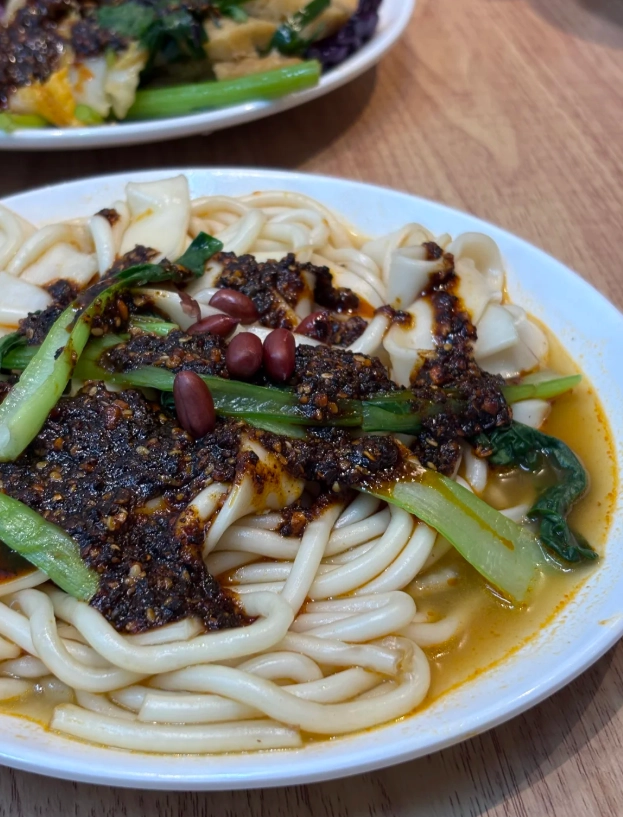
9. Yang Rou Dian Juan Zi (羊肉垫卷子) – Lamb with Steamed Rolls
This is the ultimate comfort food in central Gansu – lamb braised with leeks, potatoes, and hat-shaped steamed buns. The rolls soak up the lamb broth, making each bite succulent. It's a family-style dish, so order it when you're eating with at least two people. Good versions can be found across Wuwei and Jinchang. In Lanzhou, try 'Guozhuang' (锅庄) restaurant near the Yellow River. Expect to pay 50-70 RMB for a large portion. It's incredibly warming in winter.
10. Xing Pi Shui (杏皮水) – Apricot Peel Drink
This is the perfect non-alcoholic beverage to pair with spicy food. Made by boiling dried apricot peels with rock sugar, it's sweet, slightly tart, and incredibly refreshing. You'll find it bottled at most convenience stores, but the best version is freshly brewed at restaurants. Ask for 'zhu xingpishui' (煮杏皮水) – that's the homemade kind. A large glass costs about 5-8 RMB. It's my go-to after any lamb-heavy meal.
Gansu Dishes at a Glance
| Dish | Best City | Price Range | Spice Level | Key Tip |
|---|---|---|---|---|
| Beef Noodles | Lanzhou | 20-25 RMB | Medium | Go before 9 a.m. |
| Hand-Grabbed Lamb | Linxia | 60-90 RMB/jin | Mild | Half jin per person |
| Liangpi | Lanzhou | 8-12 RMB | Spicy | Find a street cart |
| Hui Dou Zi | Lanzhou | 5-8 RMB | None | Great evening dessert |
| Tian Pei Zi | Lanzhou | 3-5 RMB | None | Serve cold |
| Cuo Yu | Zhangye | 15-20 RMB | Mild | Ask at local restaurants |
| Hu Guo | Jiuquan | 10-15 RMB | None | Breakfast only |
| Donkey Meat Noodles | Dunhuang | 20-30 RMB | Mild | Try with soup |
| Lamb with Rolls | Wuwei | 50-70 RMB | Mild | Share it |
| Apricot Peel Drink | Everywhere | 5-8 RMB | None | Ask for fresh |
How to Order Like a Local
The number one barrier for foreign visitors is the digital ordering system. Many small shops ask you to scan a QR code to order on your phone. The interface is in Chinese, and international cards sometimes don't work. Don't panic — here's how I handle it with my groups.
- Use the Alipay mini-program called '美团' (Meituan) or just point your phone's camera at the QR code, and the restaurant's menu pops up. Screenshot the menu and show it to the staff if you can't read it.
- For sit-down places, you'll usually order by simply pointing at what the next table is eating — that's actually an approved local method!
- Install a translation app like Baidu Translate or Apple Translate. The voice function is a lifesaver when you're trying to say 'no MSG' or 'allergic to nuts.'
- Always carry a small amount of cash as a backup. Some tiny stalls may not support digital payment, especially outside cities.
If you need to book a train to reach a food destination, use the official railway website 12306 — but create an account and complete verification before your trip. For international travelers, Trip.com is a simpler alternative, though it adds a small fee.
What About Vegetarians, Halal, and Diet Restrictions?
Gansu is a paradise for meat-lovers, but that doesn't mean vegetarians go hungry. Because of the large Hui Muslim population, you'll find plenty of certified halal restaurants. Look for the Arabic sign that says 'حلال' or the Chinese characters '清真正宗'. For vegetarians, your safest bets are liangpi (ask for no meat), Tian Pei Zi, and stir-fried greens. You can also order '素砂锅' (vegetarian hotpot at many restaurants).
Vegans will have to be more cautious. Many dishes use animal-based broths. Always say '我吃素,不要放肉和荤油' (I'm vegetarian, no meat or lard). At beef noodle shops, you can request a plain noodle soup without the meat and ask for extra chili oil.
Food allergies are a bigger challenge. Learn the Chinese phrases for your allergens: 花生 (peanuts), 坚果 (tree nuts), 海鲜 (shellfish), 麸质 (gluten). The staff might not fully understand, so it's safer to eat at hotels or international-style restaurants if you have severe allergies.
How to Eat Your Way Through Gansu in 24 Hours (Lanzhou Focus)
If you only have a day in Lanzhou, here's my bulletproof itinerary. I've run this route with dozens of clients — it covers the classics without making you rush.
7:30 AM – Beef Noodles at a classic joint. Skip the hotel breakfast. Head to Ma Zilu or Wu Mule Pork Noodles (both respected). Arrive before 8 to catch the morning batch, when the broth is at its freshest. Wait about 15 minutes for a bowl, usually around 20 RMB.
9:00 AM – Walk it off along the Yellow River. The famous Waterwheel Garden is right in the city center. It's free, open at all times, and gives you a classic photo op with the river.
10:30 AM – Second breakfast: Liangpi. Find a liangpi stall near Zhangye Road. The medley of sour and spicy will perk you up. Sprinkle some sesame seeds if they offer.
12:30 PM – Lunch: Hand-grabbed lamb. Take a taxi to Linxia Road (20 minutes). Have a decent portion of lamb at a local spot like 东乡手抓. Pair it with a glass of apricot tea.
3:00 PM – Snack: Tian Pei Zi. Look for a vendor selling it on the street. The cool, slightly fizzy drink is perfect for the afternoon.
5:30 PM – Night market crawl at Zhengning Road. This is the heart of Lanzhou's snack scene. Try Hui Dou Zi, grilled lamb skewers, and fried potato slices. Keep an eye on your phone — it's a little chaotic. Prices are fair, but don't be shy to bargain at stalls that don't list prices.
8:00 PM – Dinner: Lamb with rolls. If you're still hungry, head to a restaurant that serves 羊肉垫卷子. A big portion for two is enough.
For an alternative plan in case of rain, swap the river walk for the Gansu Provincial Museum — it's indoors and excellent.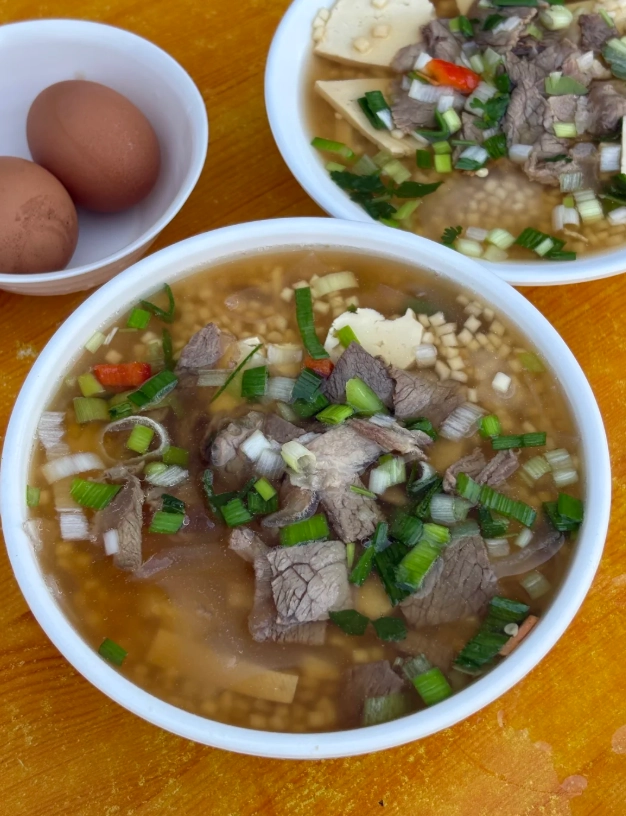
FAQ on Gansu Food
Verified and fact-checked by the editorial team.





No comments yet.