 Chen Liu
Let me get straight to the point: Hunan food is the kind of cuisine that grabs you by the taste buds and doesn't let go. It's fiery, aromatic, and unapologetically salty. But if you know what to look for, it's also one of the most deeply satisfying food cultures in China.
I've spent years crisscrossing Changsha with travelers, and the most common question I get is what to eat in Hunan? The answer isn't a dish—it's a whole strategy. From dodging tourist traps to knowing exactly how to ask for "mild" without insulting the chef, this guide covers everything you need to eat like a local.
Here's the golden rule: stay away from the big-name chains in shopping malls. Instead, follow the smell of chili oil down a narrow alley. That's where the magic happens.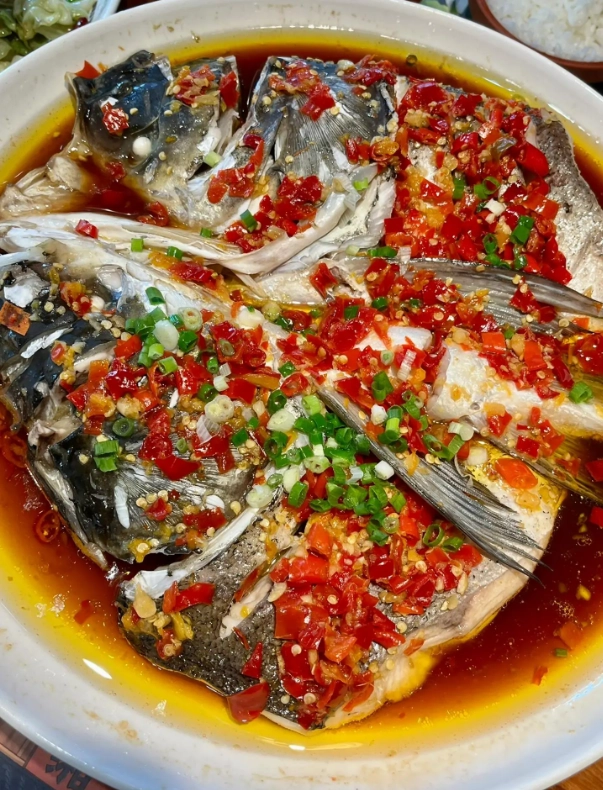
What Makes Hunan Food So Unique?
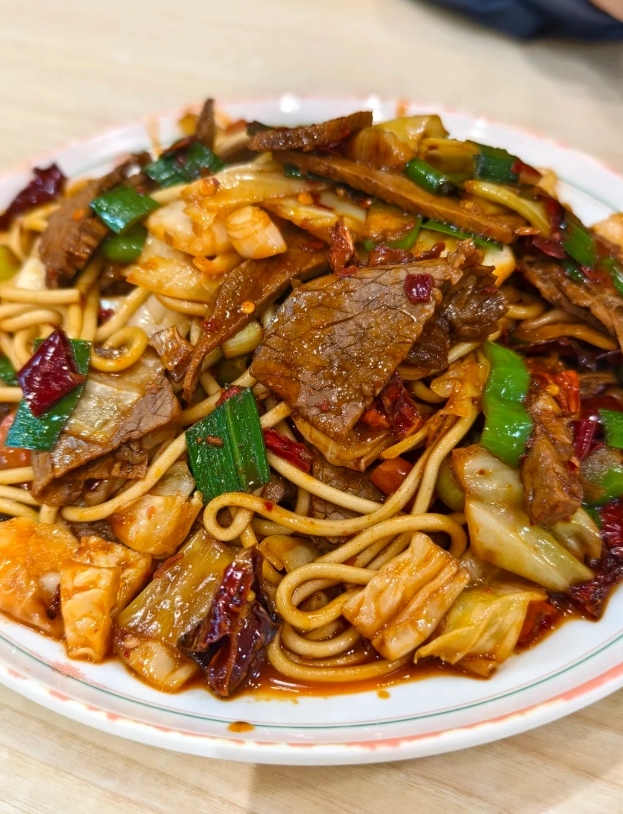
Hunan cuisine, or Xiang cai, is often compared to Sichuan food, but they're as different as night and day. Sichuan relies on numbing Sichuan peppercorns to create that tingly sensation. Hunan goes straight for the heat—fresh chilies, pickled chilies, and dried chilies, all used generously. The result? A punishingly spicy, yet strangely addictive, flavor profile that locals claim is "the only true flavor."
The Difference Between Hunan and Sichuan Spice
The core difference lies in the type of spice. Sichuan's "ma la" combines numbing and hot, while Hunan focuses purely on "la"—simple, direct heat. You won't find peppercorns here. Instead, expect fiery green peppers, red chili paste, and a whole lot of garlic.
Key Ingredients You'll See Everywhere
Chilies are just the beginning of the story. To really understand Hunan food, you need to know the supporting cast:
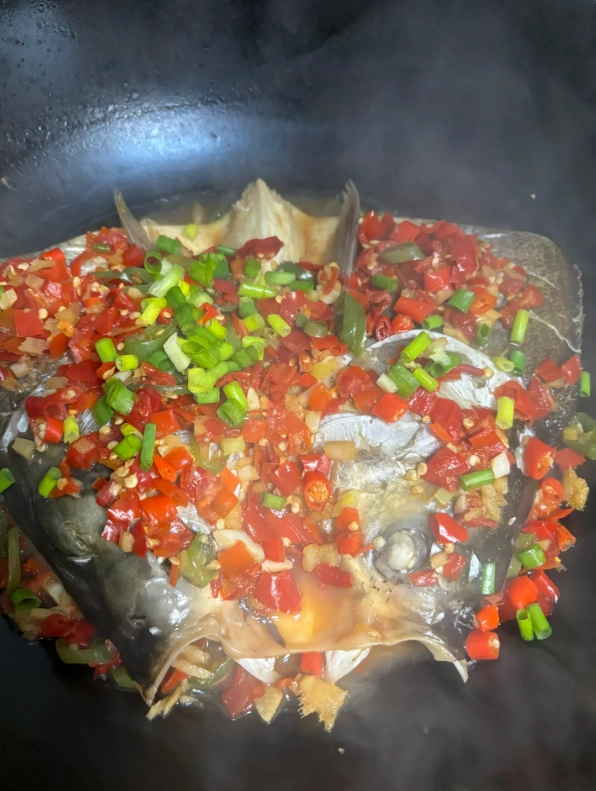
- Pickled peppers (泡椒): sour and fiery, often used in fish dishes.
- Smoked meats (腊味): pork or duck preserved over smoke, adding a deep umami punch.
- Black beans (豆豉): fermented, salty, and packed with flavor.
- Fresh green chilies: stir-fried with just about anything.
- Rice: not just a side—it's a necessary defense against the heat.
Top 10 Hunan Dishes You Can't Miss
To help you navigate, I've put together a cheat sheet of the dishes that define this region. These are the plates you'll see on every local table, and the ones your taste buds will never forget.
| Dish | Heat (1-5) | Key Ingredients | Where It's Best |
|---|---|---|---|
| Steamed Fish Head with Chopped Chili | 4 | Fish head, chopped chili, pickled peppers | Local dedicated restaurants |
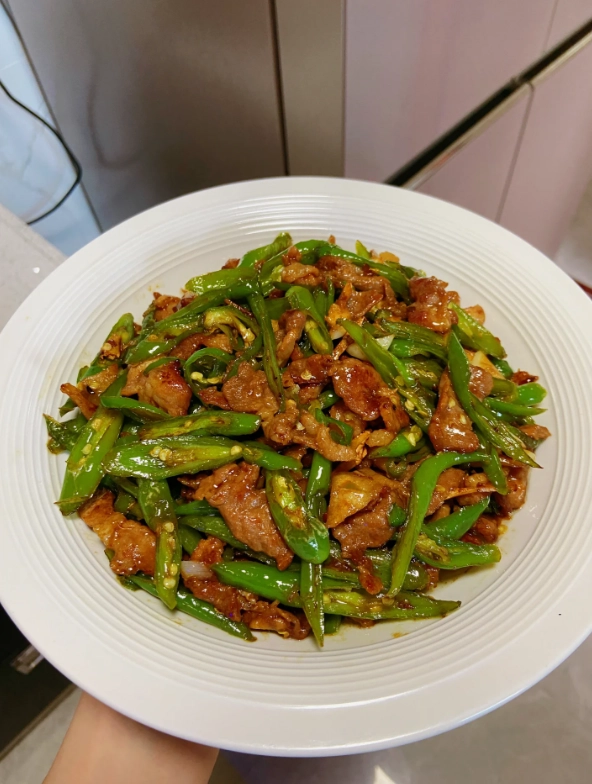
| Stir-fried Pork with Green Chili | 3 | Pork belly, long green peppers, garlic | Any household-style restaurant |
| Mao's Braised Pork | 2 | Pork belly, soy sauce, sugar | Historic-style Hunan restaurants |
| Stinky Tofu | 3 | Firm tofu, fermented brine, chili oil | Street stalls in Wuyi Square area |
| Spicy Crayfish | 5 | Crayfish, garlic, ginger, chili | Late-night snack streets |
| Hunan Rice Noodles | 2-4 | Rice noodles, broth, minced pork, pickled cabbage | Breakfast spots, noodle shops |
| Pig Blood Tofu Balls | 3 | Pig blood, tofu, smoked meat | Western Hunan restaurants |
| Steamed Smoked Meats | 2 | Smoked pork, sausage, dried vegetables | Traditional Hunan restaurants |
| Grandma's Vegetable from Western Hunan | 3 | Dried vegetables, chili, garlic | Small local eateries |
| Pounded Chili with Century Egg | 4 | Century egg, green chili, garlic | Home-style guesthouses |
Now, let me save you some trouble. You don't need to hunt down every single dish. Instead, hit these four essential ones:
- Stir-fried Pork with Green Chili — the comfort food of every Hunan household. Simple, savory, and dangerously addictive.
- Steamed Fish Head with Chopped Chili — the crown jewel of Hunan banquets. The meat is tender, and the chili paste is a flavor bomb.
- Stinky Tofu — don't let the smell fool you. The crispy exterior and spicy sauce make it a street-food legend.
- Hunan Rice Noodles — your best breakfast bet. Slurp them with pickled beans and a chili-heavy broth.
Where to Eat in Changsha: My Personal Favorites
If you only have a couple of days, here's where I bring every group that trusts my taste buds. These spots range from legendary institutions to hole-in-the-wall finds, but they all share one thing: they're where actual locals fill their stomachs.
Huogongdian (火宫殿) — The Historical Institution
Yes, it's touristy, but it earns its reputation. Located at 78 Pozi Street, Tianxin District, this temple-like complex has been serving snacks since the Qing dynasty. The architecture alone is worth the trip. Order a plate of stinky tofu and a bowl of sugar-oil cake (糖油粑粑) to start. Expect to pay around 50-100 RMB per person. It's open until late, but I recommend going before 7 PM to avoid the dinner rush.
My insider tip: the counter that sells lotus-leaf wrapped rice with cured meat is often overlooked. Grab one on your way out—you'll thank me.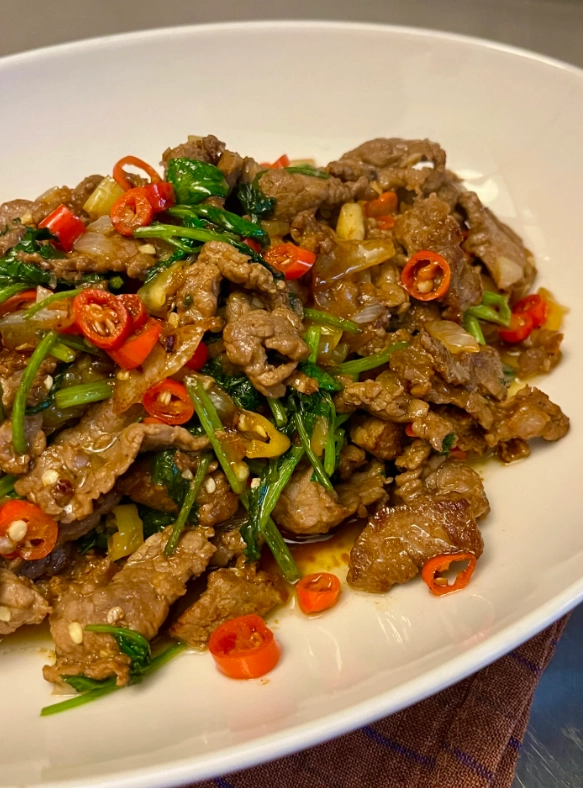
Yizhan Deng (一盏灯) — The Spiciest Local Chain
This is where Hunan people go to eat the way their grandmothers cooked. With a branch in Lehecheng Mall (walk from Huangxing Square Metro Station), this casual chain is famous for dishes like sour pickled pepper chicken gizzards and stir-fried pork with preserved vegetables. The heat level here is unapologetic—bring your game face. Expect a wait during peak hours (around 6:30 PM), so either arrive early or put your name down and grab a bubble tea nearby. Budget for 80-100 RMB per person.
Wenheyou (文和友) — The Retro Instagram Trap (Sort of)
This is a love-it-or-hate-it experience. Housed in a multi-story building styled like 1980s Changsha, it's a photo dream with street-food booths and vintage signage. The food is decent but a bit overpriced. Locals rarely come here—it's mainly for first-time visitors. If you're into aesthetics, go for a happy-hour beer and some grilled skewers. If you're tight on time, skip it; the line can be over an hour on weekends.
Hidden gems near Changsha High School
Now, this is where the real advice kicks in. Walk from Jiefang West Road into the narrow lanes beside Changsha High School (长郡中学). You'll find tiny, weathered shops selling fried dough sticks, tofu pudding, and the single best "炸炸炸" (deep-fried skewers) I've had in this city. Expect to spend under 20 RMB for a full stomach. The catch? These places are cash-first, so bring a few 20-yuan bills.
Street Food vs. Sit-Down: Picking Your Battle
Both are essential to the Hunan experience, but they serve different moods. Let me break it down so you don't end up in the wrong setting for your cravings.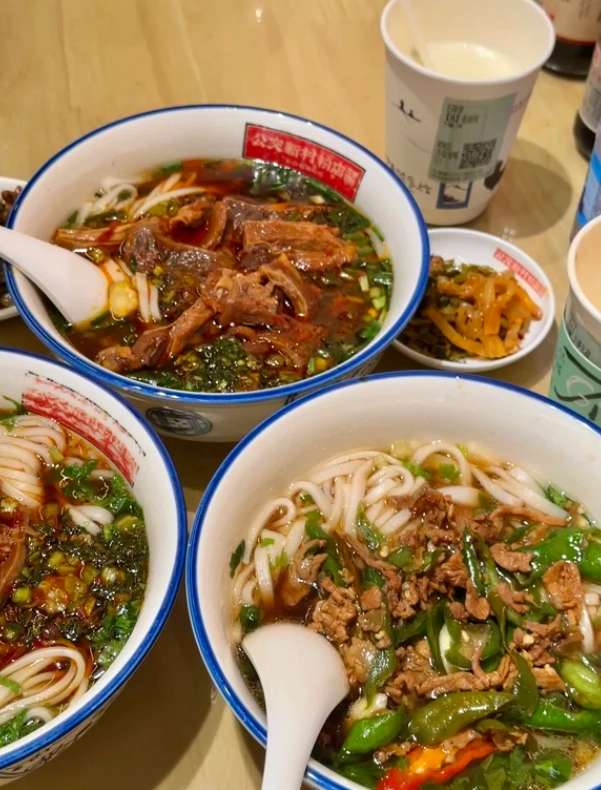
| Factor | Street Food | Sit-Down Restaurant |
|---|---|---|
| Price (per person) | 15-40 RMB | 60-150 RMB |
| Atmosphere | Loud, fast, on-the-go | Comfortable, relaxed, often busy |
| Best For | Snacking, quick taste, late-night cravings | Full meals, trying multiple dishes, family-style dining |
| Menu Language | Usually no English, point-and-eat | Some have English menus, but not always |
| Payment | Often mobile payment or cash | Mobile payment, some accept credit cards (rare) |
My recommendation? Use street food for breakfast and late-night snacks, but save your main meals for sit-down restaurants where you can savor the flavors properly. And never, ever skip an opportunity to dip a piece of bread into the chili oil that pools at the bottom of a stir-fry bowl—that's a pro move.
How to Survive the Spice: Success Tips
Let's address the elephant in the room: Hunan heat can be relentless. I've watched grown adults cry into their rice bowls. But with a few tricks, you'll not only survive—you'll thrive.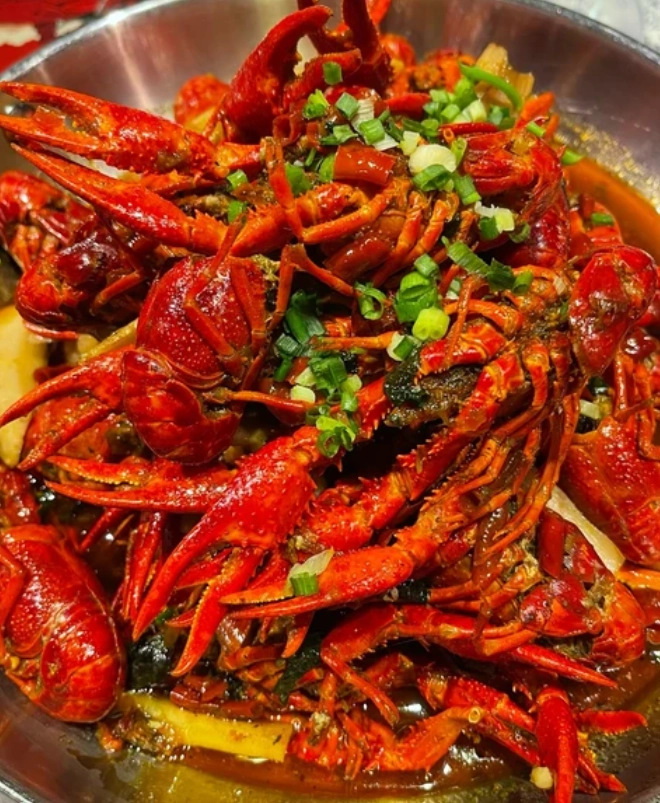
- Order a bowl of steamed rice first. It's your best friend. The starch soothes the fire in ways that water never will.
- Say "bu la" (不辣) if you want a dish with zero heat. Warning: many chefs genuinely can't compute this concept. They'll nod, then add half the chilies anyway. Don't be shy to emphasize it.
- Eat pickled vegetables (泡菜) alongside your meal. The vinegar helps cut through the oil and chili.
- Don't chug ice water. It might feel good for a second, but it actually spreads the capsaicin around your mouth. Take small sips of room-temp tea or beer.
- Ask for a side of "sour bean soup" (酸豆角汤) if available. It's a local home remedy that neutralizes the burn.
Pro Tip: The biggest mistake foreigners make is trying to "beat the spice" by ordering the most extreme dish on the menu. Start with a mild stir-fry, gauge your tolerance, and work your way up. There's no shame in a gentle start.
How to Pay and Navigate Like a Hunan Local
This section might save you from a major headache. China is cashless society, and Hunan is no exception. Here's what you need to know before you hit the streets.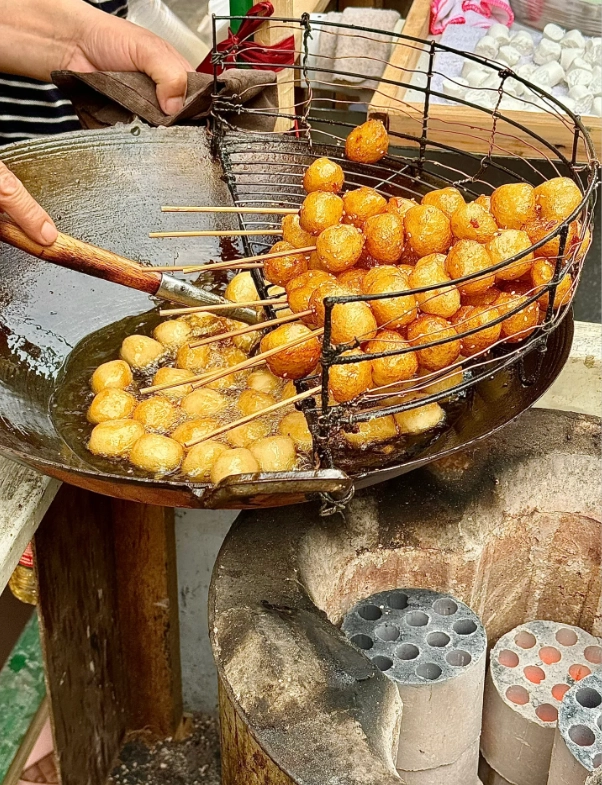
Payment Methods
WeChat Pay and Alipay are king here. Almost every vendor, from fancy restaurants to street stalls, accepts either. If you're an international traveler, download Alipay and link your foreign credit card—it works surprisingly well now. Cash is becoming rare, but for those tiny street stalls, keep a handful of 20-yuan notes handy. International credit cards directly? Good luck with that—most POS terminals won't even accept them. The safest bet is mobile payment.
Navigation Tools
Forget Google Maps—it's unreliable and sometimes flat-out wrong in China. Your best options are:
- Apple Maps (if you have an iPhone) — surprisingly accurate for major cities.
- AMap (Gaode) — the local favorite, but it's in Chinese. The English interface exists, but it's clunky.
- Baidu Maps — also decent, with some English support.
Insider Advice: When you're in a taxi, don't rely on GPS alone. Have your phone ready with the Chinese address texted to you. This saves you from an awkward "fingering" ballet with the driver.
Language & Connectivity
Download a translation app (I use Apple Translate or Baidu Translate) and a VPN before you fly. Many restaurant menus only have Chinese characters. Pinyin on Google can help, but pointing at a photo is often faster. And let's be real: unless you can say "no cilantro," your salad might come with a bush of it.
Before your trip, double-check your visa and entry requirements. The National Immigration Administration is the official source for China's current travel policies. For visa-free transit options, you can also check the Ministry of Foreign Affairs' website.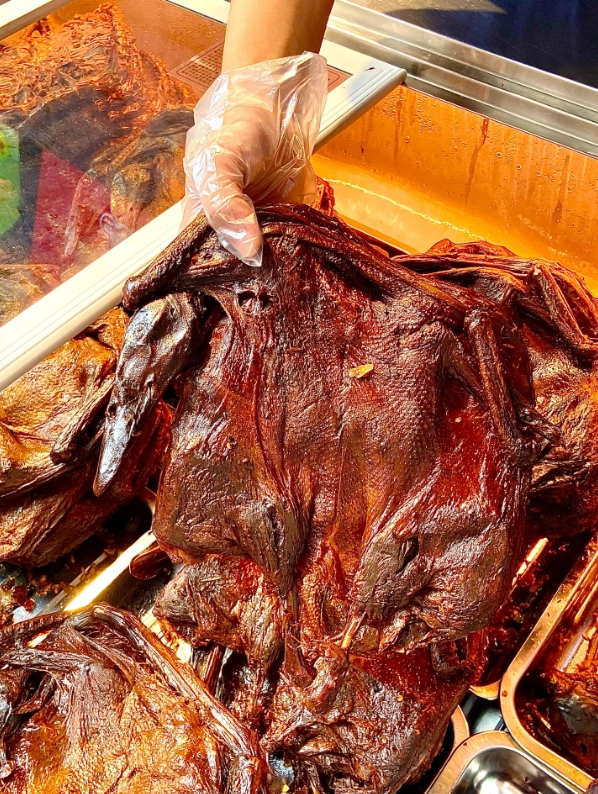
Your Hunan Food Questions, Answered
Verified and fact-checked by the editorial team.





No comments yet.