 Hong Ma
Desert heat hits your face the moment you step out of the car. You're at the edge of the Taklamakan. But then you walk into the cool darkness of the Mogao Caves and see a thousand-year-old painting that looks fresh. That's Gansu for you — full of surprises.
Most travelers ask me: 'What are the best places to visit in Gansu?' But honestly, they ask the wrong question. The real challenge is how to connect these distant spots without losing your mind — or your money. Foreigners often get stuck because Google Maps doesn't work, tickets sell out online, and credit cards are rejected at small stalls.
Here's my expert advice: plan at least five days, start with Dunhuang, and book every major attraction before you arrive. This guide covers the must-see spots, the practical details, and the mistakes you should avoid.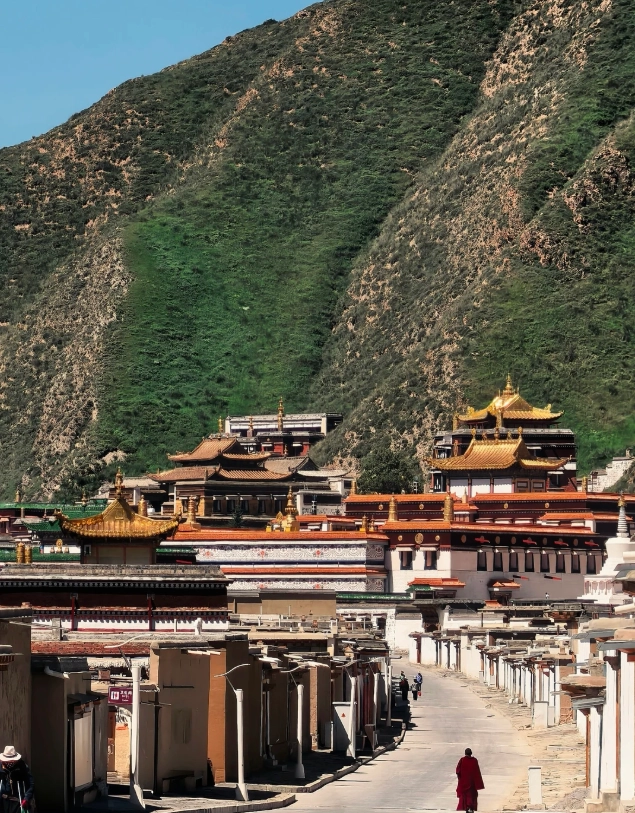
Why Gansu Deserves a Spot on Your China Itinerary
Gansu is the bridge between central China and the Silk Road. It stretches across deserts, grasslands, and snow-capped mountains, offering a diversity you won't find elsewhere in China. Unlike Beijing or Shanghai, Gansu remains off the beaten path for many international tourists, which means you'll often find yourself alone with ancient art and vast landscapes.
Most people fly into Dunhuang or Lanzhou. But the real magic lies in the journey. I've guided travelers who thought they'd just 'pass through' Gansu on their way to Xinjiang — they ended up spending a week here. The region's history spans millennia, from Buddhist cave temples to Ming Dynasty fortifications.
That's why Gansu deserves more than a quick stop. It deserves your full attention.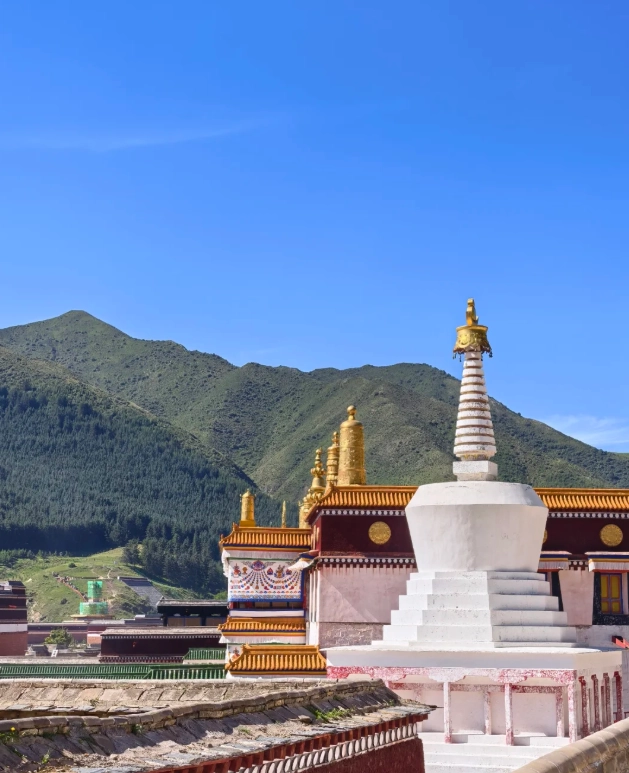
What Are the Best Places to Visit in Gansu?
This is the essential checklist, based on my years of guiding. Prices below are approximate — always confirm on official or trusted booking platforms.
| Place | Location | Entry Fee | Best Time |
|---|---|---|---|
| Mogao Caves | Dunhuang | ~238 RMB | Morning |
| Crescent Lake | Dunhuang | ~110 RMB | Sunset |
| Yumen Pass | Dunhuang | ~40 RMB | Early morning |
| Zhangye Danxia | Zhangye | ~54 RMB + shuttle | Sunset |
| Jiayuguan Fortress | Jiayuguan | ~110 RMB | Morning |
| Bingling Temple | Yongjing | ~50 RMB + boat | Spring and Autumn |
| Labrang Monastery | Xiahe | ~40 RMB | Early morning |
| Mati Temple | Sunan | ~70 RMB | Morning |
1. Mogao Caves: The Crown Jewel of Dunhuang
The Mogao Caves are the most significant repository of Buddhist art on the Silk Road. A UNESCO World Heritage Site, they house 735 caves decorated with exquisite murals and sculptures spanning a thousand years. I always tell my travelers to watch the short documentary in the digital center first — it sets the context and helps you appreciate what you're about to see.
Ticket details: The combined ticket (including the digital center and shuttle bus) costs around 238 RMB in peak season. You must book in advance — reservations open typically two weeks ahead via the official WeChat account or through platforms like Trip.com, which is more foreigner-friendly. Don't forget your passport; it's required for the real-name system.
Getting there: From Dunhuang city, it's a 30-minute taxi ride (about 60 RMB). The shuttle bus from the digital center takes you right to the caves. The site is open from 8:00 to 18:00, but the last entry is usually at 16:30. Arrive for the first slot at 8:30 to beat the tour groups.
Insider warnings: Photography is strictly forbidden inside. You'll have to deposit your bags, and they'll give you a numbered ticket. The only way to visit is with a guided tour (English tours are limited, so book early). Also, the steps inside are steep and a bit dusty — wear sturdy shoes.
For the UNESCO listing that explains its importance, check the UNESCO page.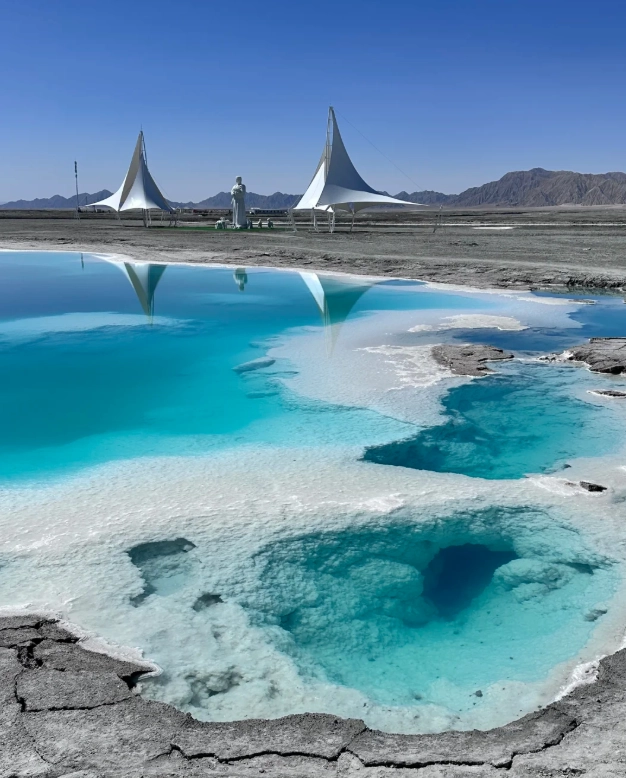
2. Crescent Lake and the Singing Sand Dunes
These dunes are famous for the booming sound they make when sand slides, but most visitors come for the stunning desert oasis at their heart. Crescent Lake (Yuèyáquán) has survived for millennia, nestled between the dunes. The contrast of golden sand and the blue spring is a photographer's dream.
Ticket details: The entrance fee is about 110 RMB, which gives you access to the park. Camel rides are extra (around 100 RMB for about 30 minutes). You can also walk to the top of the dunes — it's a 20-minute climb, and the view is worth it. The ticket is valid for three days, so you can return for sunrise if you want.
Best time to go: Sunset is spectacular. The gates open at 5:30 in peak season and close at 21:30. I usually tell travelers to enter around 16:00 to give enough time to climb the dunes and watch the sunset over the desert.
Practical notes: Wear socks or rent disposable shoe covers (they sell them at the entrance for 15 RMB). The sand gets into everything — protect your camera. The park has a light show at night in summer, but if you're not staying for that, plan your exit before 21:00 to avoid the crowds.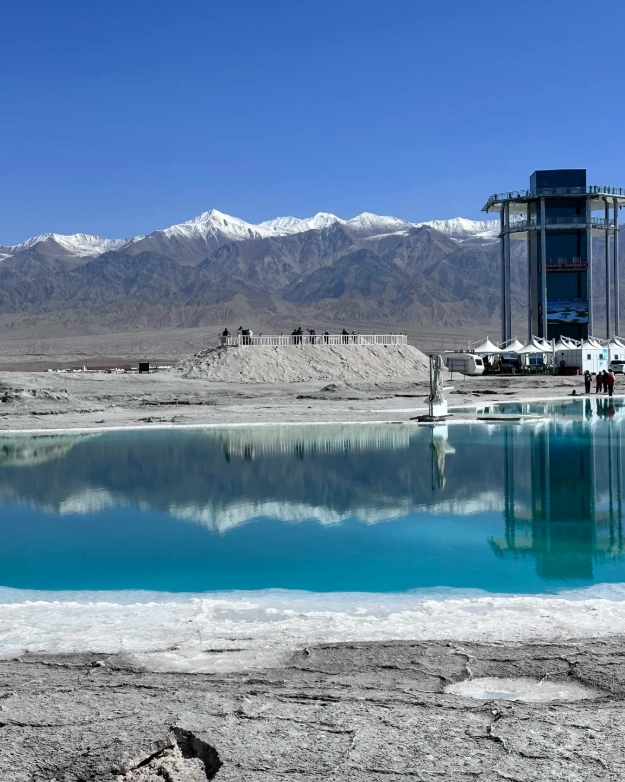
3. Yumen Pass: A Gateway to the Desert Past
Yumen Pass was the gateway through which traders and armies passed on their way westward. Today, it's a lonely, windswept fort that evokes the harsh realities of the Silk Road. The site includes a small museum and the remains of the gate. It's not as 'instagrammable' as other spots, but it carries a deep historical weight.
Ticket details: Entrance is about 40 RMB, but many travelers buy a combined ticket with the nearby Yardang National Geological Park (a.k.a. the 'Ghost City') for around 120 RMB. Check if you want to include that — it's another 500 RMB if you take a chartered car.
Getting there: The site is 90 km northwest of Dunhuang with no public transport. You'll need to hire a day-trip driver (around 400-500 RMB) or join a small group tour. The drive takes about 1.5 hours each way, and there's almost no shade, so bring water and sun protection.
Timing: I recommend going early, right after it opens at 8:00. By 10:00, tour buses start flooding in. The wind can be brutal, so a windproof jacket is non-negotiable.
4. Zhangye Danxia National Geopark: A Painter's Palette
The Danxia landform at Zhangye looks like a rainbow painted across the hills. The vividly colored sandstones create layers of red, orange, and yellow that are best seen in the late afternoon light. It's one of the most photographed landscapes in China — and for good reason.
Ticket details: The entrance costs about 54 RMB plus a 20 RMB optional shuttle bus fare. The shuttle bus is necessary — the park is huge, and the four viewpoints are kilometers apart. The ticket is valid for the day only; if you want to return for sunset, you'll need to rebook (or stay in the park — they allow camping in certain areas).
Getting there: From Zhangye city, take the bus to the park at Zhangye West Bus Station or hire a taxi for about 150 RMB round trip. The drive is about an hour. The park is open from 7:00 to 19:00, but the shuttle buses stop pick-ups 30 minutes before closing.
Best time: Sunset is magical, but it gets busy. To avoid crowds, try the North Gate (newer) rather than the West Gate. The No. 4 viewing platform is the highest and offers the best panorama — but it's also the most crowded. If you arrive after 16:00, you'll have enough time to see all four with a gentle pace.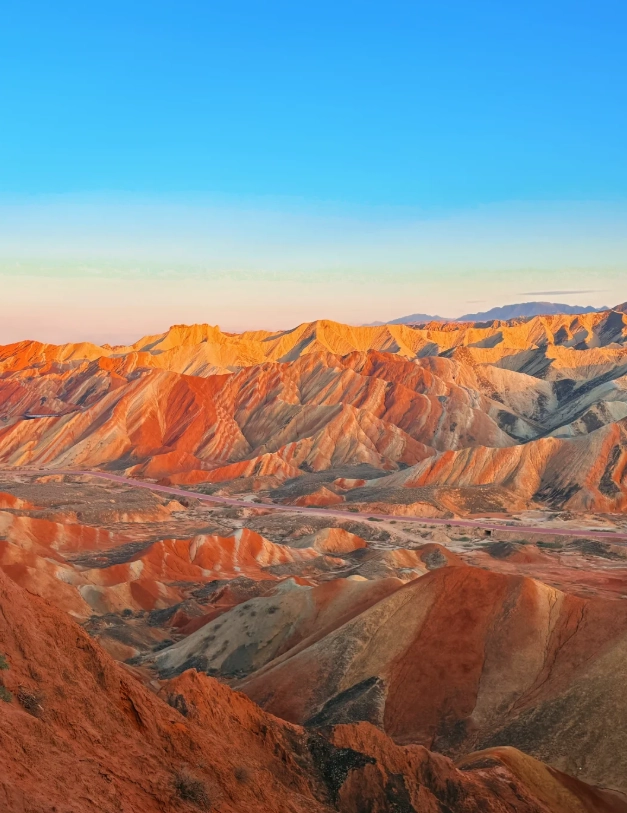
5. Jiayuguan Fortress: The Last Stronghold of the Great Wall
Jiayuguan marks the westernmost end of the Ming Dynasty Great Wall. The impressive fortress, known as the 'First Pass Under Heaven,' is remarkably well-preserved. You can walk along the ramparts and imagine the soldiers who guarded this strategic choke point.
Ticket details: A combined ticket (110 RMB) includes the fortress, the Overhanging Great Wall, and the First Mound of the Great Wall. They're scattered, so plan for a half-day. If you only have time for one, focus on the fortress itself.
Getting there: From Jiayuguan city, it's a 15-minute taxi ride (about 20 RMB). The fortress is open from 8:30 to 17:30, and the ticket office stops selling at 16:30. I suggest going in the late morning to avoid the midday heat and to get better light for photos.
Insider tip: The fortress is a bit of a wind tunnel. The sun is intense, so use sunscreen and wear a hat. Also, there are few places to buy water inside — bring your own.
6. Bingling Temple: A Hidden Cliff-Hanging Treasure
Bingling Temple is a series of Buddhist grottoes cut into a sheer cliff along the Yellow River. It's much less visited than Mogao, giving you a more intimate experience. The 27-meter-high Maitreya Buddha is particularly impressive. What sets this place apart is the approach: you arrive by boat across the turquoise waters of the Liujiaxia Reservoir.
Ticket details: The temple entrance is about 50 RMB. The boat ride (from Liujiaxia pier) costs around 100-150 RMB round trip and takes about 1.5 hours each way. Boats leave when there are enough passengers, so go early. The trip is scenic in itself.
Getting there: From Lanzhou, take a bus to Liujiaxia (about 2 hours) and then a taxi to the pier. The whole day trip from Lanzhou easily fills 10-12 hours, so start at 7:00. The temple is open from 8:30 to 17:30, but the last boat back is usually at 16:00 — check with the boat driver.
Note: The site is less developed, so bring snacks and water. There are no restaurants nearby.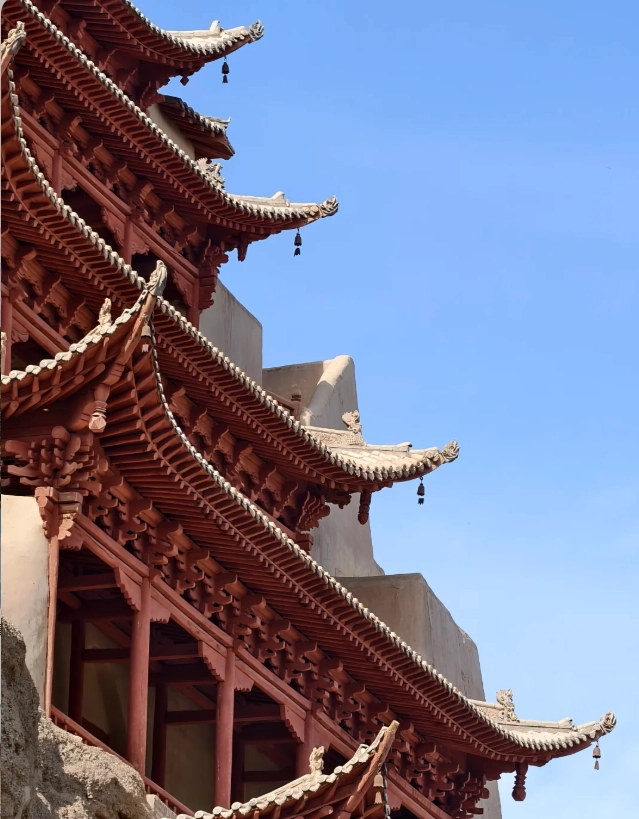
7. Labrang Monastery: A Living Tibetan Buddhist Center
Labrang is one of the six great monasteries of the Gelug school of Tibetan Buddhism. It's not a tourist attraction in the usual sense — it's a working monastery with over a thousand monks. You'll see pilgrims prostrating and monks debating in the courtyards. The atmosphere is profound.
Ticket details: Entrance is about 40 RMB, which includes a guide (but usually Chinese only). You can walk around the outside freely, but to enter the main halls, you need the ticket. It's open from 8:00 to 18:00.
Getting there: From Lanzhou, take a bus from the South Bus Station to Xiahe (about 4 hours, 75 RMB). The monastery is in the town center, so you can walk. Alternatively, hire a driver for the round trip (around 800 RMB).
Best time: Go in the early morning (around 7:30) to see the morning prayer and avoid crowds. The kora (pilgrimage path) around the monastery is about 3 km long and marked with prayer wheels — walk it to see everyday life.
Respect: Dress modestly and behave quietly inside the temples. Photography isn't allowed in most interiors. Don't point your feet at Buddha statues.
8. Mati Temple: Caves Carved into Sheer Cliffs
Mati Temple is a lesser-known gem in the Qilian Mountains, with grottoes embedded in a 60-meter-high cliff. The climb in and out of the caves is adventurous and offers jaw-dropping views. The temple complex includes a Tibetan-style cave temple and a Chinese-style one. It's a great combination of nature and culture.
Ticket details: The entrance is about 70 RMB. Some caves require an extra small fee. The site is open from 8:00 to 18:00.
Getting there: Mati Temple is about 65 km from Zhangye city. You can take a bus to Sunan County and then a taxi, but the easiest is to charter a car for the day (around 300-400 RMB). The road is winding, so give yourself an hour.
Insider note: The ladders inside the caves can be slippery. Wear non-slip shoes and be prepared for tight squeezes. If you're afraid of heights, skip the highest cave ('Buddhist Cave') and explore the lower ones.
How to Plan a Gansu Itinerary That Fits Your Style?
The biggest mistake is trying to see everything in three days. Gansu's attractions are spread out, and travel times are long. Below are two tested routes — one for the Silk Road classics, one for a more off-beat exploration.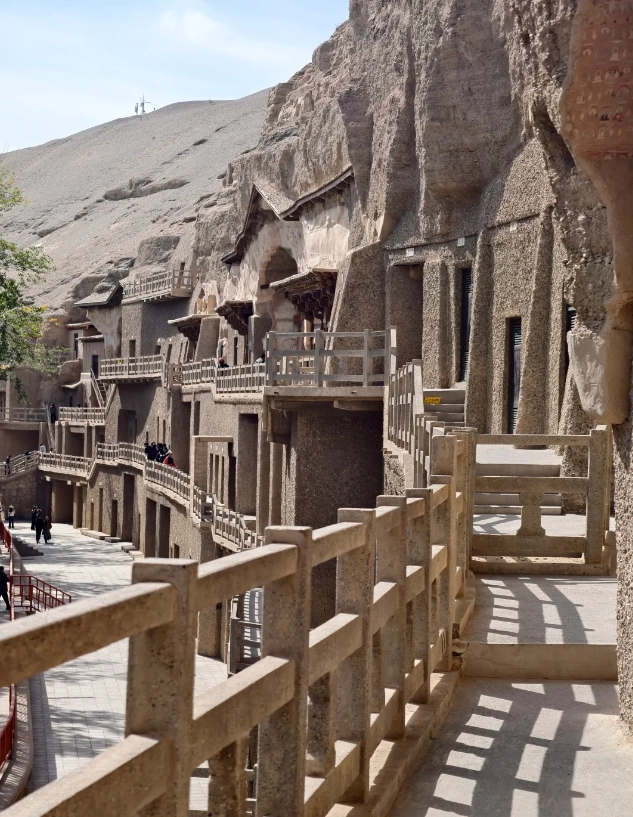
Route A: Classic Silk Road Highlights (5 days)
- Day 1: Arrive in Dunhuang. Visit the Mogao Caves in the morning and the Shazhou Night Market in the evening.
- Day 2: Morning at Crescent Lake and Singing Sand Dunes. Afternoon: drive to Yumen Pass and Yardang Landform (or skip if time is tight).
- Day 3: Morning flight or bullet train to Zhangye (approx. 2.5 hours from Dunhuang by high-speed rail). Afternoon: visit the Danxia landform for sunset.
- Day 4: Morning: visit Mati Temple. Afternoon: take a train or drive to Jiayuguan (approx. 2 hours). Evening: stroll the old town.
- Day 5: Visit Jiayuguan Fortress in the morning. Then take a high-speed train to Lanzhou (approx. 3.5 hours) or continue to other parts of China.
Route B: Deep Culture and Monastery Path (4-5 days)
- Day 1: Fly into Lanzhou. Explore the Yellow River and the Gansu Provincial Museum.
- Day 2: Hire a car for the day trip to Bingling Temple (leave early).
- Day 3: Bus to Xiahe (4 hours). Explore Labrang Monastery in the afternoon.
- Day 4: Morning kora and visit the monastery's Buddhist academy. Afternoon: return to Lanzhou.
- Day 5: Fly from Lanzhou to your next destination.
Adapt if you have less time: If you're squeezed for time, focus on Dunhuang and Zhangye. Fly into Dunhuang, spend two days, and take the bullet train to Zhangye for one afternoon at Danxia. You can skip the remote sites if needed.
Weather backup: If a sandstorm or heavy rain hits your Danxia day, visit the Zhangye Danxia Geology Museum or the Dunhuang Museum instead. In Dunhuang, the night market has a decent indoor food court.
Practical Tips for Traveling in Gansu
Master the payment system before you go. Most attractions, restaurants, and taxis only accept WeChat Pay or Alipay. While some larger shops accept foreign credit cards, it's not reliable. Set up Alipay with your foreign card before you depart — it works in most places. Cash is still accepted, but many small vendors don't like making change.
Navigation secrets. Google Maps is inaccurate in China, especially in rural areas like Gansu. Download an offline map or use Apple Maps (which is powered by AutoNavi) for English navigation. For public transport, use the 'AMap Global' app — it can be set to English.
Book tickets online — and before you leave. For the Mogao Caves, reservations are mandatory and often sell out days in advance. Use Trip.com or Klook, which are English-friendly and accept international cards. These platforms also handle other attractions like Jiayuguan and Zhangye Danxia.
Language for taxis. Few taxi drivers speak English. Have your destination written in Chinese — or better, use a translation app like Apple Translate or Baidu Translate. Show the driver the Chinese text or let the app read it aloud.
Staying connected. You'll need a VPN to access Google, WhatsApp, or Facebook. Download one before you arrive. For local data, buy an eSIM from providers like Airalo or get a physical SIM at the airport.
Packing list. Even in summer, evenings can be cool in the desert. Bring layers, a windproof jacket, a scarf (for dust), and good walking shoes. Sunscreen with high SPF is critical — the UV index is high.
For up-to-date visa policies, always check the National Immigration Administration website before your trip.
Where to stay. In Dunhuang, stay near the Shazhou Night Market for easy access to food and taxis. In Zhangye, the city center is walkable to most restaurants. In Jiayuguan, stay near the train station if you have an early departure. Budget guesthouses in Gansu are usually simple but clean.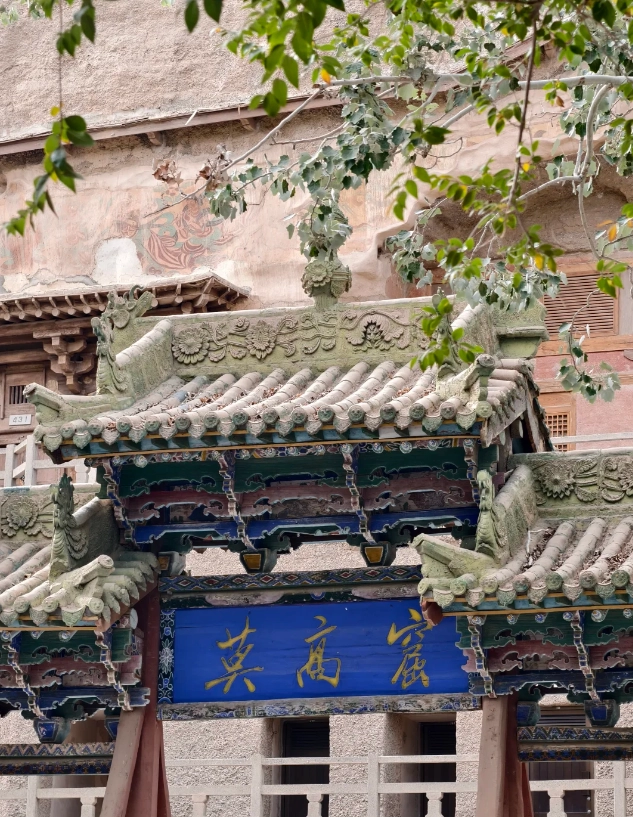
Gansu Travel FAQ: Answers to Your Top Questions
Verified and fact-checked by the editorial team.





No comments yet.