 Wei Zhang
On This Page
Sunset in Lhasa is a trickster. One moment the sky is blazing orange over the Potala, the next you're shivering under three layers. Most travel groups race back to the hotel after dinner. But I always tell my clients: the real Tibet quietly wakes up after dark. This guide is for the curious few who want to know what to do in Tibet at night without freezing or getting lost. I've led dozens of night walks here, and I'll show you exactly where to go, what to skip, and how to stay safe.
Why Lhasa at Night Is Different
Lhasa sits at 3,650 meters, so nights here are cold even in summer. But that thin air also means the sky is absurdly clear. The city's population is mostly Buddhist, and religion doesn't stop at dusk. While most of mainland China shuts down by 10 PM, Lhasa's old town keeps a gentle hum. You'll see pilgrims circumambulating the Jokhang, monks in maroon robes slipping into tea houses, and young Tibetans drinking sweet tea in open-air courtyards.
Here's the catch: night activities are almost all in Lhasa. If you're in Shigatse or Nyingchi, you'll mostly be in your hotel. So when travelers ask me 'what to do in Tibet at night', I know they're asking about Lhasa. And my answer always starts with the same three words: wrap up warm.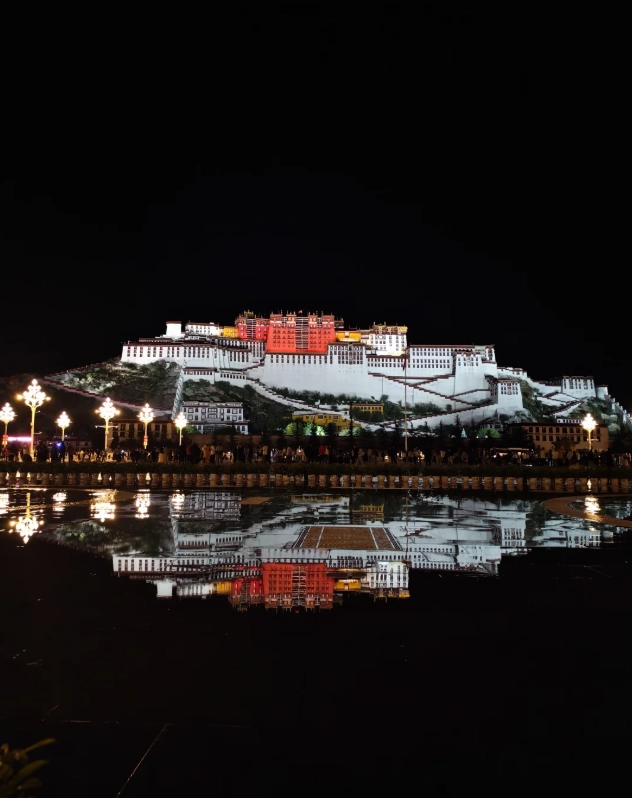
7 Things to Do in Lhasa After Dark
I've grouped these by vibe, so you can pick based on your energy level. Altitude takes a toll, so don't try to do all seven in one night. Pick two, max three.
Watch the Potala Palace Light Up from the Square
The Potala Palace is best seen from the square below, not from inside. Entrance closes at 4 PM in winter, but the exterior is always visible. After sunset, spotlights wash over the white and red walls, making the palace glow against the black sky. The reflection pond directly in front of the square gives you a perfect mirror image — my favorite spot for photos.
Get there by 8 PM in summer, 7 PM in winter. The light show usually lasts until 10 PM, though I've seen them cut it earlier on windy nights. Don't bother climbing to the Deyang Shar observation deck; it closes at dusk. Instead, walk the edge of the square near the road, where you'll hear prayer bells mixed with traffic sounds — a bizarre but strangely poetic loop.
Pro Tip: the wind here is fierce. I once watched a tourist's hat fly into the fountain. Hold onto everything, and bring a scarf for your face.
Join the Locals on the Barkhor Street Kora
Barkhor Street is the holiest pilgrimage route in Lhasa, and at night it turns intimate. During the day, it's packed with vendors and tourists. After 8 PM, the stalls roll away, and you'll only see pilgrims — grandmothers with prayer beads, young monks deep in conversation, and families with kids holding glowing lanterns. Join the clockwise flow. Walk slowly. Keep your right shoulder toward the Jokhang Temple.
The street is dimly lit by traditional lanterns, so watch your step — the stones are uneven. You can start from the roundabout near the Jokhang entrance and do one full circle, about 20 minutes. I like to pause at the Muru Nyingba Monastery entrance; the smell of juniper incense is strongest there.
If you're brave, try a cup of 'chang' — local barley beer — from a street stall. But I'd recommend waiting for a tea house, because drinking on a high-altitude pilgrimage route is a recipe for a headache.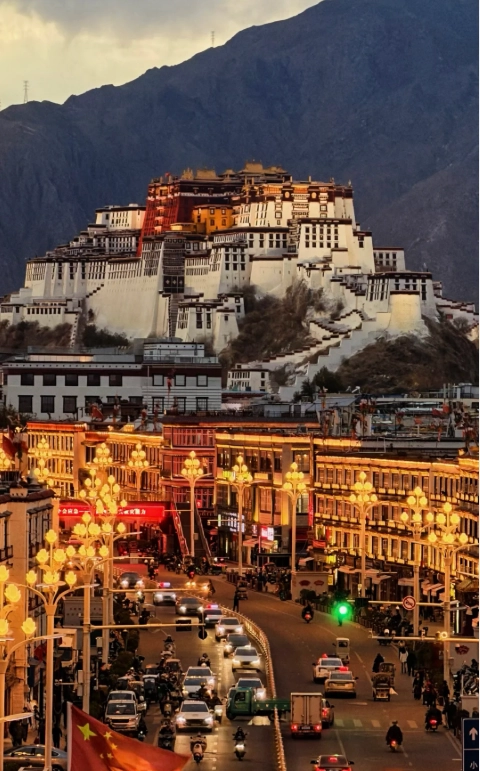
See the 'Princess Wencheng' Outdoor Drama
The 'Princess Wencheng' show is Tibet's answer to Impression Lijiang — but on a Himalayan scale. It's an open-air performance on a mountain slope near Cijuelin Village, about 20 minutes by taxi from the old town. The story follows the Chinese princess who married a Tibetan king in the 7th century, and it's a spectacle of lights, yaks, and hundreds of performers.
Shows run from May to October, usually starting at 8:30 PM. Tickets are not cheap — expect to pay around 300 to 500 RMB depending on your seat. Book through Trip.com or Klook, because the on-site ticket office rarely speaks English. You'll need your passport for the real-name check.
Here's the thing nobody tells you: the show is at 3,700 meters. The seats are stone bleachers, and the wind cuts through. Rent a blanket at the entrance for 20 RMB, or bring your own down jacket. And don't leave early — the finale with real flaming torches is worth the cold.
Sip Butter Tea in a Local Tea House
Tea houses in Lhasa don't shut down at night. The most famous, Guangming Gangjue Sweet Tea House, is a chaotic two-story hall where you drop money on the table and the server fills your cup with sweet milk tea. It's an institution. But it closes around 7 PM. Instead, look for the smaller places on Xinjiang South Road — many stay open until 10 PM.
Order a small pot of 'su you cha' (butter tea) if you dare. It's salty, oily, and an acquired taste. I personally love it, but my standard disclaimer: first-timers should start with sweet tea. Pair it with a flatbread called 'pale', and you'll see why Tibetans can run on this diet for hours.
Important: tea houses are cash-heavy. Most don't take Alipay or cards, so carry small bills. Also, don't expect a menu — just point at what the table next to you is having.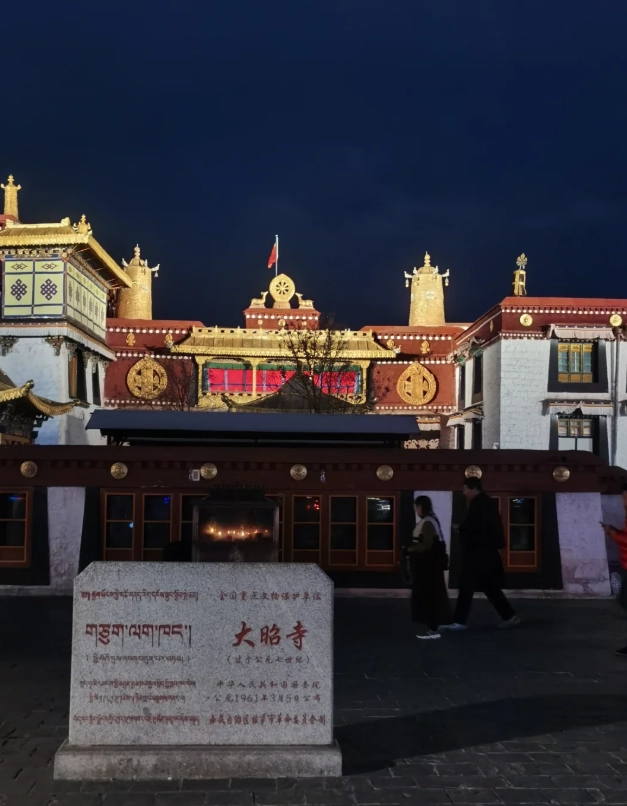
Explore a Tibetan-Style Bar with Live Music
If you want a taste of modern Lhasa nightlife, head to the Danjielin area. The streets behind Danjielin Monastery are packed with bars that blend Tibetan instruments with rock covers. Places like 'The Wall' and 'Low Bar' are popular with travelers, but I prefer 'Lhasa Grassland' — it's smaller, more authentic, and the owner sometimes joins in with a dranyen (a six-stringed lute).
Bars here open around 6 PM, but the singing starts at 9 PM. Drinks are pricey — a bottle of local beer costs 30 RMB, a cocktail 60 RMB. Most accept Alipay and international cards, but it's safer to have some cash. And remember: alcohol hits harder at altitude. One beer here feels like three at sea level.
My advice: go early, sit near the window, and just listen. The mix of Chinese pop and Tibetan ballads tells a story of modern Tibet that you won't find in brochures.
Stargaze from a Monastery Courtyard
The night sky over Lhasa is one of the clearest in the world. But you need to escape the city lights. The Sera Monastery complex, about 5 km north of downtown, has a large courtyard that's open at night (though the temples lock at sunset). Taxi from the center costs about 25 RMB, and the driver will likely think you're crazy.
Bring a blanket and lie on the grass between the white stupas. The Milky Way stretches from the valley ridge to the peak of Nyenchen Tanglha. You'll see more shooting stars than in a planetarium. I did this once at 11 PM, and a monk unlocked a side gate to ask what we were doing. He laughed, then pointed to an especially bright star — Sirius, he said. We never caught his name, but that moment stays with me.
Caveat: this is only for the clear-months from October to March. Summer nights are often cloudy. Also, the ground is damp, so bring a waterproof mat.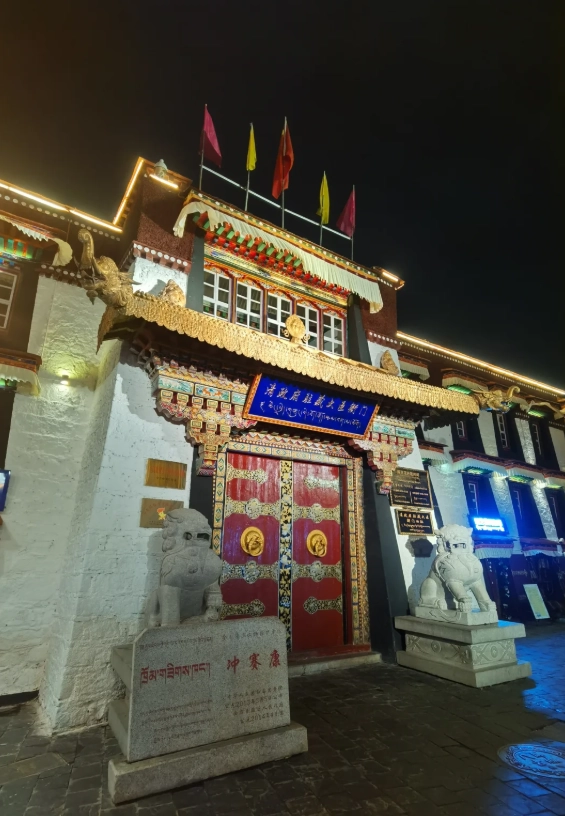
Grab a Late-Night Tibetan Dinner
By 9 PM, most upscale Tibetan restaurants close, but the real eateries start their second shift. Walk along Beijing Middle Road, just east of the Ramoche Monastery. There, you'll find steamers of 'momo' — Tibetan dumplings — and bubbling pots of yak meat soup. My favorite, 'Snow Land Restaurant', runs until 1 AM. The 'yak stew with radish' is the dish I always order. It's hearty, slightly gamey, and pairs perfectly with a side of chili crisp.
Don't expect fancy plating. Expect fluorescent tube lighting, plastic chairs, and a waitress who hands you a laminated picture menu. International credit cards are hit and miss — use Alipay or cash. If you're vegetarian, stick to the 'potato momo' and the 'milk and rice' pudding.
One warning: the spice level is real. If you're not used to Sichuan-level heat, tell them 'la jiang' (no chili).
How Do You Plan a Safe Lhasa Night?
Time is precious, and the altitude makes you slower. Here's a realistic 4-hour plan.
Start at 6:00 PM with dinner at the Mengbang Restaurant on Beijing Road — you want fuel before the cold.
At 7:30 PM, head to the Potala Square for sunset and the first light-up. Stay 30 minutes.
At 8:15 PM, walk 10 minutes to Barkhor Street and join the kora. One lap takes 20-25 minutes.
At 8:50 PM, if you're not exhausted, jump in a taxi to the Wencheng show. It starts at 9:00 PM (the 8:30 listing is door time). The show runs 90 minutes, so you'll be back by 11:00 PM.
If you skip the show, swap in a tea house or bar crawl, and be in bed by 11:30 PM. Your body needs the sleep.
For a budget alternative, skip the show and the bar — a night walk with a thermos of hot tea covers the essential vibe.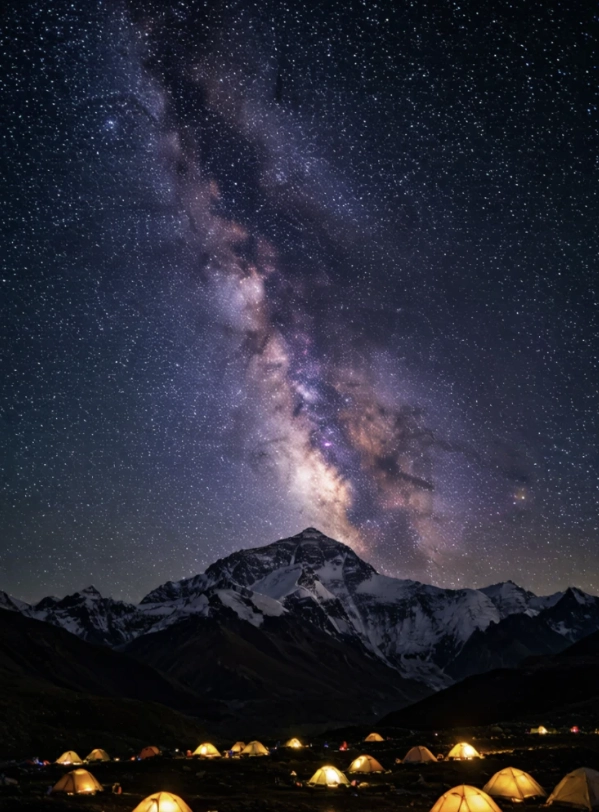
| Plan | Duration | Est. Cost | Best For |
|---|---|---|---|
| Potala Square + Barkhor Kora | 2-3 hours | Free + tea (10 RMB) | First-timers, photographers |
| Wencheng Show | 3.5 hours | 300-500 RMB | Culture enthusiasts, groups |
| Tea House + Bar Experience | 3-4 hours | 60-150 RMB | Night owls, solo travelers |
What Are the Biggest Nighttime Pitfalls?
There are things that will ruin your night if you don't watch out. Here are a few from my personal list:
- Don't do a full kora at full speed. The altitude can trigger pounding headaches. Walk, don't rush.
- Don't trust taxi drivers who quote 'night rate' — they're marking you up. Use a meter or a ride-hailing app like Didi.
- Don't take photos of pilgrims without asking. Many consider it invasive after dusk. A respectful nod and a gesture go a long way.
- Don't forget your passport. Bars and shows sometimes do random checks, and the real-name admission at the Wencheng show requires it.
- Don't drink too much alcohol before breakfast the next morning — you'll regret it at altitude.
- Don't buy 'sunglasses' or souvenirs from the night stalls on Barkhor; they're overpriced and many are not authentic.
FAQs
One last thing — and I can't stress this enough: never underestimate the altitude. If you feel dizzy, go back to your hotel. Lhasa will still be there tomorrow night. The Potala Palace, a UNESCO World Heritage Site (whc.unesco.org), glows all the same without you.
Verified and fact-checked by the editorial team.





No comments yet.