 Fang Wang
Skip to the good parts
I stood at Nanjing South Station with a dead phone and a paper ticket—old-school, but it worked. Over nine years of guiding travelers in Jiangsu, I've watched the same mistake happen again and again: people try to cram every garden and temple into a three-day sprint, and they leave with blisters and random memories that blur together.
So let me save you the burnout. The honest answer to what to do in Jiangsu is to slow down. Pick five cities—Nanjing, Suzhou, Yangzhou, Wuxi, and Zhenjiang—and give each a full day. Take the high-speed rail, eat the local breakfast, and resist the urge to do both the Humble Administrator's Garden and the Lion Grove in the same morning.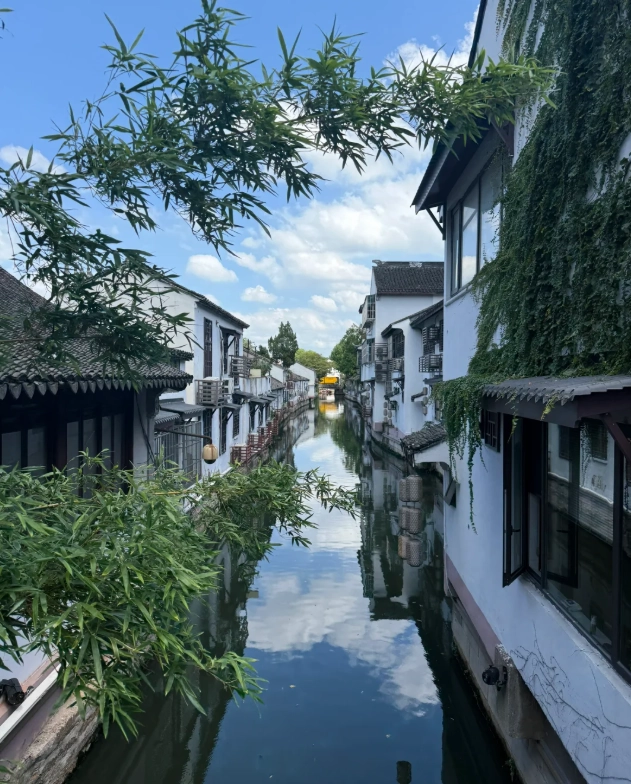
Why Most Tourists Get Jiangsu Wrong (and How to Fix It)
The Internet Tells You to See Everything—Here's What to Actually Skip
Half the guides you read online are written by people who visited once and listed everything in their hotel brochure. I'm telling you the opposite.
- Skip Zhouzhuang or Tongli if your only reason is a water town. They are scenic, yes, but in peak season the bridges turn into human traffic jams. Instead, take the Grand Canal cruise in Yangzhou for a shorter and more intimate canal moment.
- Skip the Humble Administrator's Garden at 10 a.m. Go at 7:30 when the gates open, and you'll have the stone mosaics to yourself for a solid 45 minutes. The garden is stunning, just not with a thousand selfie sticks.
- Schedule the Nanjing Massacre Memorial on the last day, not the first. It's a heavy, stomach-turning experience, and you'll want some distance before you try to enjoy a bowl of duck soup after.
Money and Phones: The Two Things That Fail Foreigners
Your credit card is nearly useless outside major hotels, and Google Maps will guide you into a closed gate. Those are the two biggest culture shocks I see.
- Payments: Download Alipay before you fly, link your foreign Visa or Mastercard, and set the app to Chinese. It's accepted at nearly every street stall. WeChat Pay is less foreigner-friendly because the wallet setup often rejects non-Chinese identity cards.
- Maps: Apple Maps works reasonably well with saved Chinese addresses, but Gaode has an English interface called AMap Global. I use both side by side. And always have the Chinese name of your destination written down to show taxi drivers.
- VPN: Google services, WhatsApp, and Instagram are blocked on local SIMs. Buy a VPN with your phone provider before arrival, or bring a portable Wi-Fi device that already has a roaming plan.
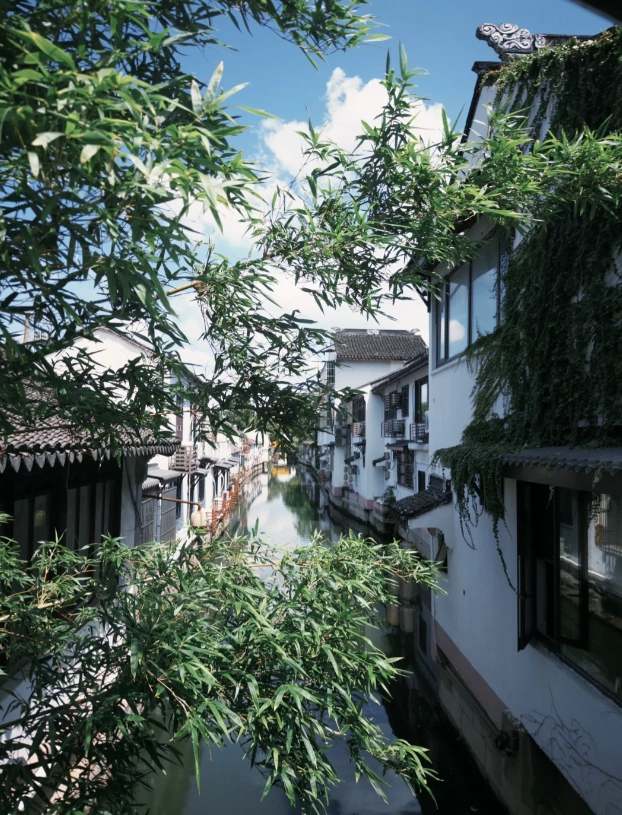
The 5 Best Things to Do in Jiangsu (With Routes, Prices, and Hours)
1. Nanjing: The City That Survived More Than You Think
Nanjing is a history book you can walk through, but you need to start early and wear shoes that don't scream 'tourist'.
Ming Xiaoling Mausoleum is my favorite morning stop. Set inside the dense Purple Mountain forest, the entrance is around 70 CNY per person, and it's open from 7:00 to 18:00. Take Metro Line 2 to Zhongshan Gate Station, then follow the signs for a 20-minute walk under shade. Buy your ticket online via the official WeChat mini-program or Trip.com; you'll need your passport number.
Pro Tip: The real magic is before 9 a.m., when the morning mist sits on the Sacred Way's stone elephants. After 10, buses of tour groups appear and you'll be shuffling behind slow umbrellas.
In the evening, walk along the Confucius Temple area. The temple itself costs 30 CNY to enter, but the surrounding steles and snack alleys are free. The Qinhuai River boat ride is around 80 CNY and takes about half an hour, with recorded English narration. I tell friends to skip the tourist boats and instead sip tea at a second-floor teahouse on Taiping North Road, overlooking the river lights.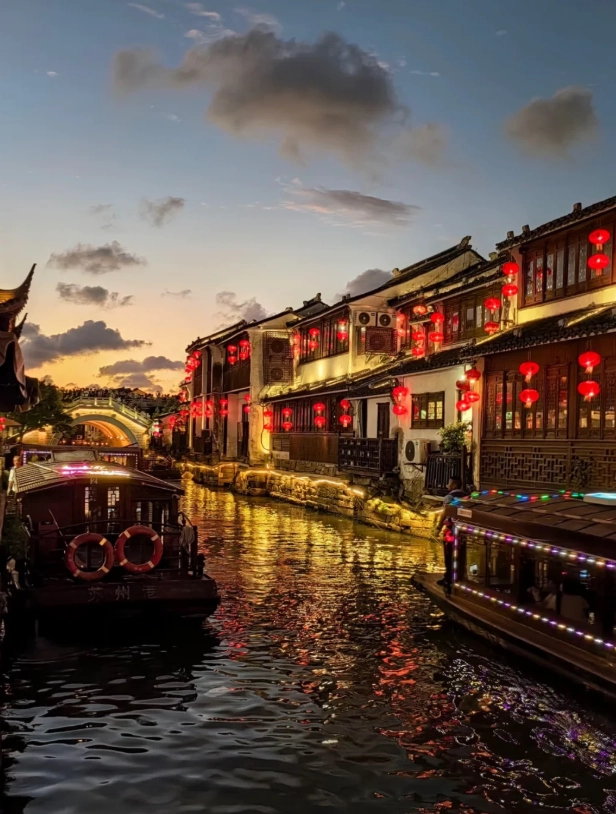
2. Suzhou: Classical Gardens Without the Selfie-Stick Crowd
Suzhou's Humble Administrator's Garden is a UNESCO World Heritage site, and it can be a beautiful disaster if you hit it at the wrong time. The listing calls it a masterpiece, and it is—after sunrise.
Tickets are around 80 CNY in peak season, 70 in low. Opening hours stretch from 7:30 to 17:30, with last entry at 16:30. You must pre-book, with passport in hand. I always book for 7:30 entry through Trip.com, because the garden's aha-moment happens during the first hour when the light hits the lotus pond before the crowds.
If you only have an hour, go to Lion Grove Garden, a 15-minute walk away. It's cheaper at around 15 CNY, and the rock maze is a better playground. On weekdays, no pre-booking is needed, but still bring your passport.
Insider Advice: If the garden is already crowded, walk from the east side to the west. The western part of the garden has more pavilions and fewer tour groups.
Also save Pingjiang Road for sunset. It's a walking-only ancient street running parallel to a shallow canal. Take a side alley—that's where you'll find the old stone bridges without motorbikes on them.
3. Yangzhou: Morning Tea on a Canal
Yangzhou is the only city where I happily wake up at 6:30 a.m. on vacation. The whole breakfast culture here is a ritual.
Go to Fuchun Tea House on Guoqing Road. It's a century-old place where locals debate politics over bamboo steamers. A full dumpling set runs about 60–90 CNY per person, depending on how many baskets you order. The signature three-ding bun is slightly sweet with diced pork, bamboo, and mushrooms. I always order the set with plain boiled tea, because the tea comes in a giant porcelain pot.
After tea, walk off the steam by entering Slender West Lake from the West Gate. Entrance is 100 CNY, open 6:30 to 17:00. From the West Gate you can walk along the willow-shaded path to the North Gate, about 1.5 hours. Sure, there's a boat, but the path is where you'll see locals doing tai chi along the water without any tour buses.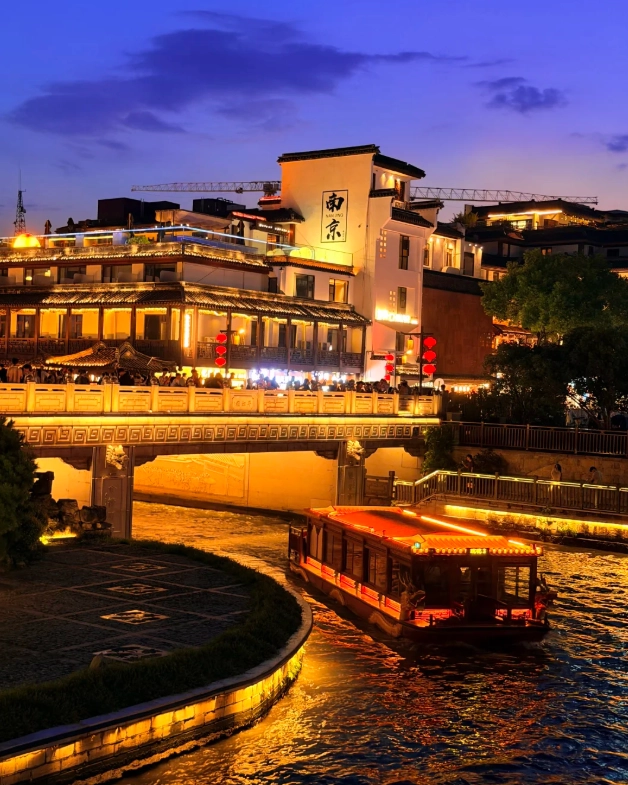
4. Wuxi: The Secret Alternative to Suzhou Gardens
If Suzhou feels overrun, Wuxi is the quiet neighbor with the same classical DNA but a fraction of the visitors. I'm not the biggest fan of Wuxi's modern shopping areas, but Liyuan by Taihu Lake is a hidden gem.
The garden's entrance is around 45 CNY, and it's open from 8:00 to 17:00. From Wuxi Railway Station, a taxi takes about 20 minutes and costs roughly 30–35 CNY. Use the Chinese address: 蠡园. Inside, you get lakeside pavilions, a long corridor that shields you from rain, and ancient camphor trees. Aim for just before closing time, when the light turns the lake into a brass mirror.
Wuxi also serves the best braised pork ribs I've ever tasted. More on food below.
5. Zhenjiang: A 24-Hour Escape on the Grand Canal
Zhenjiang is the city I send clients to when they want to feel like explorers, not tourists. It's small enough to see in a day, but every street corner hides a story.
Start at Jinshan Temple on the Yangtze. Entrance 45 CNY, open 6:00 to 18:00. This is the temple from the legend of the White Snake, and the pagoda gives a commanding view of the river and the skyline. The walk up is steep but short.
Then wander to Xijin Crossing, a free ancient street along the old canal. It's a living neighborhood, not a stage set; people still live in the lane houses. Go at dusk, when the yellow lanterns flicker and the vendors begin to set up. The whole area is quiet by 9 p.m., so pair it with a late lunch in the morning.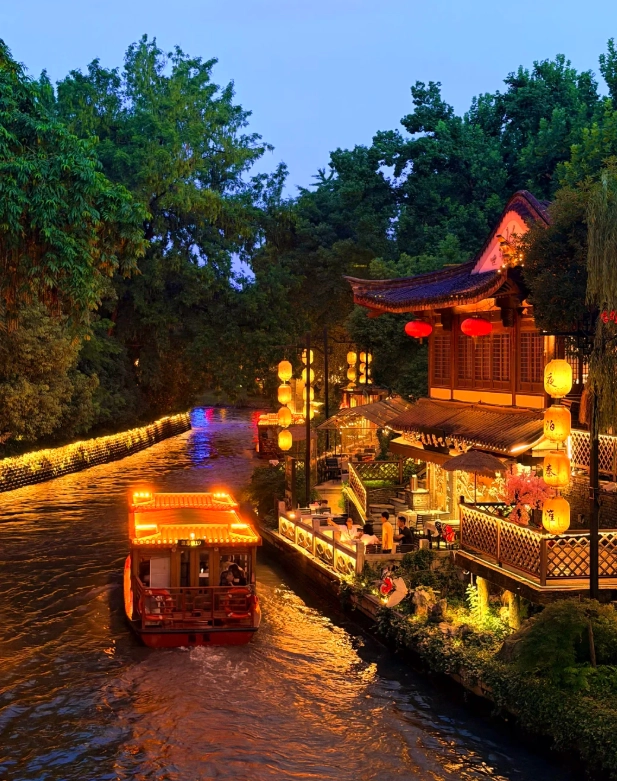
How to Plan a 5-Day Jiangsu Itinerary (Time Budget Included)
Day 1–2: Nanjing
Two days in Nanjing let you cover the heavy history and the light riverfront without speed-walking.
Day 1: Start at 8 a.m. with the Sun Yat-sen Mausoleum (free, but reserve on official WeChat). Take Metro Line 2 to Xiaolingwei Station, then a 10-minute shuttle to the foot of the 392 steps. After that, walk or take the scenic shuttle (10 CNY) to Ming Xiaoling. Go through the empty Sacred Way, then head to the underground palace area. By 1 p.m. consider a late lunch at a nearby countryside restaurant, then rest until the evening. End with the Confucius Temple and Qinhuai River lights.
Day 2: Reserve the morning for the Nanjing Museum (free and huge). Afterwards, take a taxi to Zhonghua Gate (about 10 CNY) and climb the city wall. Plan to leave by 4 p.m. for a snack at Laomendong, a restored old neighborhood. If you still have energy, do a late-night duck soup at a local chain.
Day 3: Suzhou
From Nanjing to Suzhou, the high-speed train takes about 1 hour; book on China Railway's official platform or Trip.com.
Arrive at Suzhou Station, then take Metro Line 4 to Beisita Station and walk 10 minutes to the garden district. Morning: Humble Administrator's Garden at 7:30. Afternoon: Lion Grove and Pingjiang Road. For lunch, try a noodle shop near the garden. End with a sunset walk along Pingjiang Road.
Day 4: Yangzhou
From Suzhou to Yangzhou, take the direct coach from Suzhou North Coach Station; it leaves hourly and takes about 2.5 hours, around 85 CNY. Or take the train via Nanjing and add an extra hour.
At 8 a.m., booking Fuchun Tea House for tea and buns. By 10 a.m., walk to Slender West Lake. Use the West Gate for the quiet edge. After lunch, visit the China Grand Canal Museum (free but reserve with passport). In the evening, walk around Dongguan Street for street food.
Day 5: Buffer Day or Zhenjiang
If you are tired, use today for a slow breakfast and a visit to Nanjing Massacre Memorial before catching out. If you have energy, take the 20-minute train from Nanjing to Zhenjiang and explore Jinshan Temple and Xijin Crossing. The high-speed train from Zhenjiang back to Nanjing runs until late.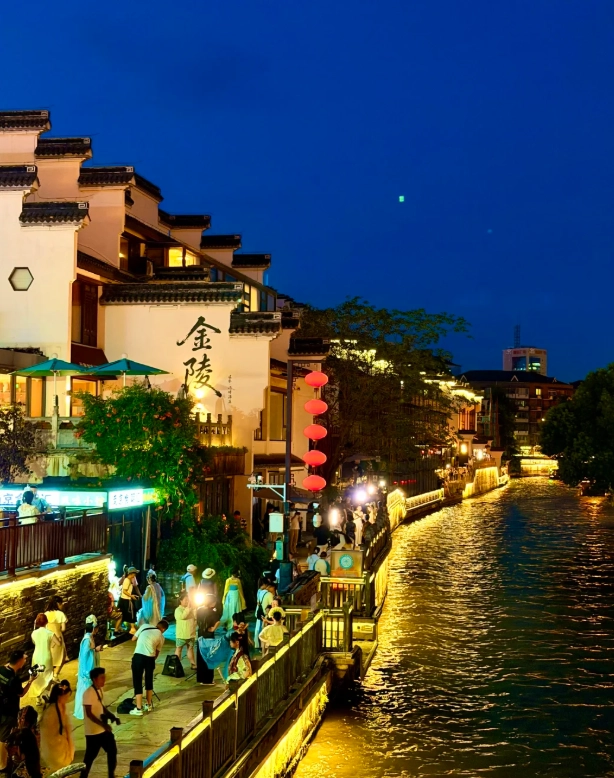
Rainy-Day Plan B
- Nanjing Museum — free, huge, indoor. Reserve with passport.
- China Grand Canal Museum in Yangzhou — high-tech, indoor, free. I have seen adults laugh at the virtual canal boat ride.
- Suzhou Silk Museum — cheap, air-conditioned, and a good escape from the heat.
- Wuxi Museum — quieter than the others, easy to navigate.
What to Eat in Jiangsu Without Falling for Tourist Traps
Nanjing: Duck Blood Soup and Pan-Fried Dumplings
The dish that never fails is duck blood and vermicelli soup; the version at Liu Changxing on Zhongshan South Road is the one I always bring friends to. Order a bowl with crispy turnip cake, and specify 'bu la' to skip the spice.
For a proper meal, step into Nanjing Impressions, a local chain with English menus in central branches. The salted duck is milder than you expect. I always get the mushroom dumplings to balance out the carbs.
Suzhou: Squirrel Mandarin Fish with a Catch
Songhelou is the grand old restaurant for squirrel mandarin fish, but you'll pay for the reputation. The fish arrives with the skin fried like a hedgehog and a sour-sweet sauce that can be one-note. If you are on a budget, head to a small place on Pingjiang Road and order the same dish for half the price. The taste is 80 percent as good, and you won't feel guilty.
Vegetarians: ask for 'vegetarian goose'. It's a soy-skin roll with five-spice, and it's everywhere.
Yangzhou: Morning Tea and the Eel Dish You Didn't Know You Needed
Yangzhou's food scene is the most underrated of the province. After the tea house, try 'soft pocket eel' at a local spot like Yechun. The eel is sliced thin and stir-fried with black pepper and bamboo shoots. It's savory, silky, and a far cry from the sticky sweet dishes of Suzhou.
I always order a bowl of Yangzhou fried rice on the side. Yes, it's cliché, but the original version is so much more than the boring fried rice you have had elsewhere.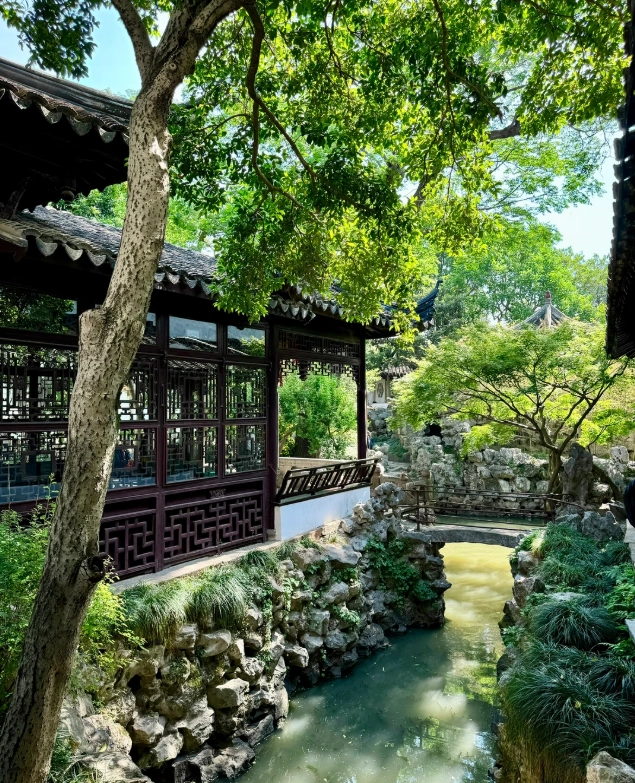
Where to Stay in Jiangsu (Based on Your Shoulders, Not Your Wallet)
You don't need to splurge on a five-star hotel in Jiangsu because your itinerary is mostly outside the room. Pick a clean 3-star chain near a metro line and you'll be better off than paying for a pool you'll never use.
Call ahead to confirm your hotel has an elevator and stable Wi-Fi; most do, but the cheap ones sometimes don't.
Practical Survival Guide: Payments, Passwords, and Getting Around
How to book tickets for trains and gardens with a passport
Everything in Jiangsu runs on real-name ticketing, so keep your passport on you at all times. For trains, China Railway's official platform 12306.cn allows foreign passports, but the interface takes effort. I recommend Trip.com for the same tickets with a small fee, and it generates a QR code that lets you board without collecting paper.
For attractions like Ming Xiaoling and the Humble Administrator's Garden, use the official WeChat mini-program or Trip.com. The QR code from Trip.com works at the scanner; you don't need to print anything.
How to avoid the Great Firewall without going mad
Before you land, download a VPN that you test with your hotel's Wi-Fi. Because you'll need it for Instagram, Facebook, WhatsApp, and Google Maps. Alternatively, add an international roaming plan to your home SIM; that piggybacks on a foreign network and usually bypasses blocking.
Carry a backup offline translator app—Apple Translate works offline more reliably than Google Translate in China.
How to pay for everything when your card fails
Alipay with an international Visa or Mastercard is now widely accepted, but you have to link it before your trip. Open Alipay, go to wallet, and add the card; it usually goes through without a Chinese phone number.
Carry a small amount of cash for emergencies—like a rural bathroom attendant or a failed card reader at a temple ticket booth. In cities, you'll be fine with just Alipay.
For visa and entry rules, check the National Immigration Administration website before you leave; requirements change without warning.
FAQ: What to Do in Jiangsu When You Only Have 48 Hours or a Rainy Day
Verified and fact-checked by the editorial team.







No comments yet.