 Ming Yang
Jump to the Places You Care About
There's a moment I see on every client's face when they step into the Potala Palace: pure awe mixed with panic. Awe at the gold rooftops. Panic because they didn't book a slot in advance and now they're standing at the entrance, being turned away. I've lost count of how many times I've had to rescue travelers from this exact scene.
You've searched must see in Tibet and found endless listicles that ignore the real obstacles—Tibet Travel Permit, altitude sickness, payment apps that refuse your foreign card, and the fact that Google Maps simply doesn't work here. So let me cut through the nonsense. After years of guiding people through Lhasa and beyond, I'm giving you the 7 places actually worth your trip, plus the exact logistics to visit them without a meltdown.
Bottom line upfront: The best time to hit Tibet's biggest names is early morning, and no, you can't just show up at the Potala Palace—you need a timed group slot. Start planning your permit at least a month out through a licensed tour operator. If you only have time for one stop, make it Jokhang Temple. Now, here's an honest look at each spot I'd call a true must see in Tibet.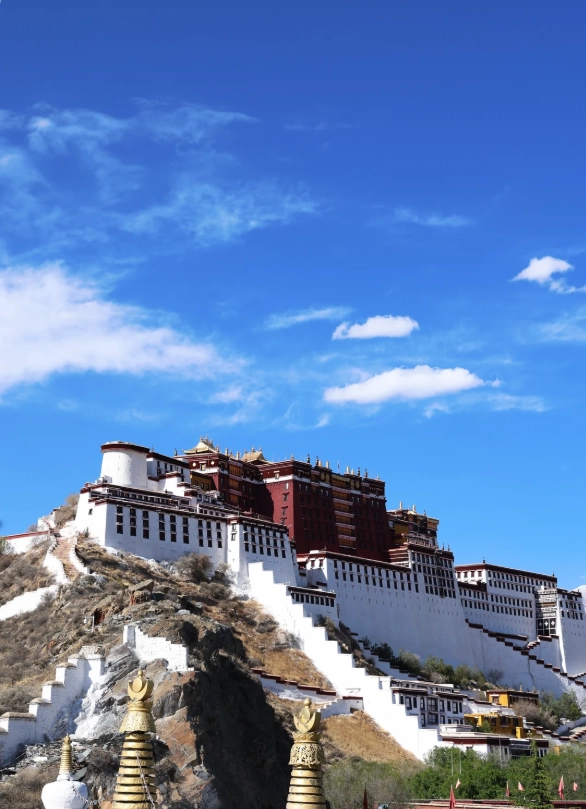
The Real Challenges at Tibet's Must-See Sights
Before I get into the famous landmarks, we need to talk about the three things that trip up every foreign traveler here. Ignore these and your "must see in Tibet" list won't matter—you'll be stuck outside the city, out of cash, or fighting for breath.
The Tibet Travel Permit (No, you can't get it yourself)
Every foreigner needs a Tibet Travel Permit (TTP) in addition to a valid Chinese visa. This isn't a border stamp; it's a separate document issued by the Tibet Tourism Bureau, and the only way to get it is through a licensed local tour agency or travel agent. I always tell clients: start the paperwork at least 30 days before your flight. You'll need to send scanned copies of your passport, visa, and sometimes an entry copy of your flight. Once approved, the original paper is delivered to your hotel in Tibet (usually Lhasa).
You also can't legally travel independently beyond Lhasa. For places like Everest Base Camp or Namtso, you'll need either a private driver from your agency or proof of organized travel. This is set by China's National Immigration Administration, so don't expect the rules to bend. For the latest entry rules, check the official site of the National Immigration Administration before you book anything.
Altitude: the silent trip ruiner
Most flights land you at 3,650m (11,975ft) in Lhasa, which is already higher than anywhere in the U.S. I once had a couple who insisted on visiting Lake Namtso (4,700m) within 24 hours of landing. They didn't make it past the restaurant. If you've never been this high, plan two acclimatization days in Lhasa before any "must see" adventure. Drink more water than you think you need, skip alcohol, and buy a small oxygen canister from any pharmacy for around ¥30. It's not a cure, but it takes the edge off.
Payment, maps, and the Great Firewall
Your Visa or Mastercard won't work at most ticket booths, souvenir stalls, or small restaurants. You'll need Alipay or WeChat Pay with a linked international card. Set it up before you arrive, because the verification SMS may not reach you once you're roaming in Tibet. Cash still works in some places, but don't rely on it for tickets. And whatever you do, get high-definition offline maps downloaded in advance. Google Maps is a ghost here; Apple Maps works reasonably well, but your driver will be using AMap (the Chinese system), so it's best to show them the Chinese text address.
Also—yes, you need a VPN for Google, WhatsApp, etc. Download it before landing. The internet in Tibet is spotty, especially around lakes and mountains. Have offline essentials like translation app and e-tickets saved.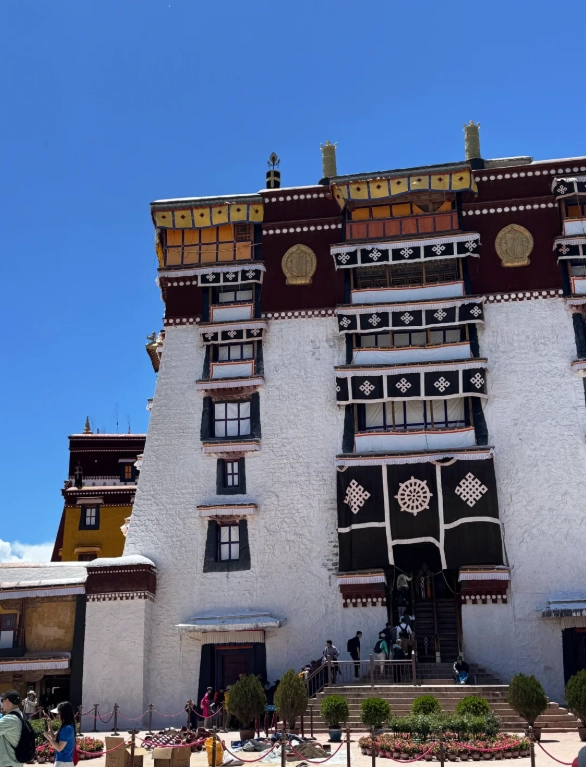
Must See in Tibet: The 7 Places I Rank First
I'll be honest: there's a reason the same seven names keep showing up on every list. They genuinely deserve the hype when you approach them the right way. Here's my ranking, built from dozens of trips and a few hard-earned mistakes.
1. Potala Palace
This isn't just a palace; it's a vertical museum of Tibetan culture built into the mountainside. It's also a victim of its own fame—trust me, the photos you've seen don't prepare you for the sheer scale. You'll climb a steep, winding ramp to the white palace and then into the red palace of meditation halls and gold-encrusted stupas. The walkway is narrow, so you move in a single line guided by timed entry. That's why the booking system is sacred.
- Ticket: Around ¥200 in peak season (May-Oct), ¥100 off-peak. You must buy timed entry through the official WeChat mini-program or your tour agency. Passport required for every member.
- Hours: Typically 9:00-15:30 (last entry around 14:30). Closed occasionally for state events—always confirm the week before.
- Getting there: It's anchored in central Lhasa; take a taxi to the south gate. Say "Potala Palace South Gate" to your driver. From the gate, plan 30-45 minutes for the climb and tour.
- What to avoid: Reaching at 10am when the tour buses arrive. Go at the first entry slot. Also bring your passport—the guard will ask for it twice.
I always tell my clients to spend two hours here, then walk to the nearby Potala Square for the classic reflection shot. But by noon, the sun is brutally harsh; come back at sunrise if you're a photographer. The entire complex is part of the UNESCO World Heritage listing, a status it shares with Jokhang Temple and Norbulingka.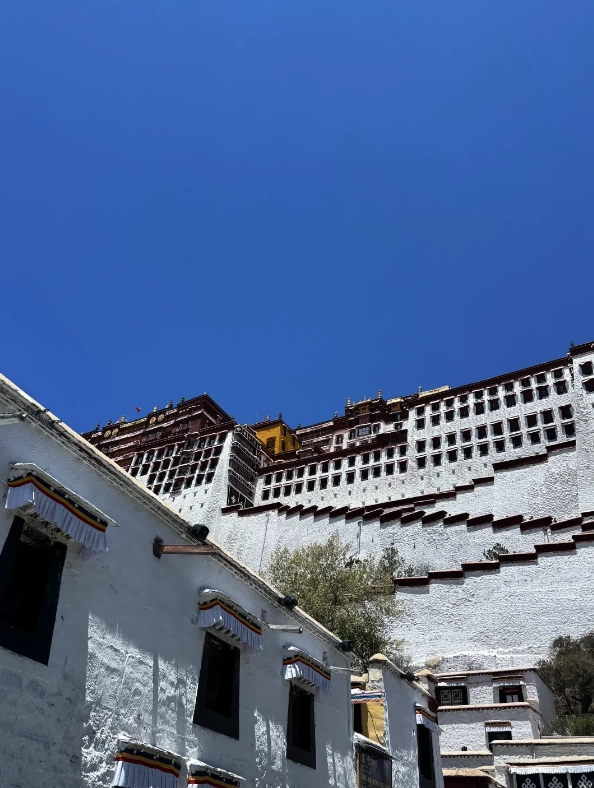
2. Jokhang Temple & Barkhor Street
If you want to taste what Tibetans call the "heart of Lhasa," Jokhang Temple is it. It's the spiritual center of the city, and for centuries pilgrims have traveled across the plateau to touch its golden image of the Jowo Buddha. The surrounding Barkhor street is a circular pilgrimage route lined with prayer wheels and hundreds of stalls. Walk clockwise, join the flow, and you'll feel like you're riding an ocean made of sandalwood and yak butter.
- Ticket: Jokhang Temple costs around ¥85. Barkhor street is free, but you'll need your passport for the security check at the temple entrance.
- Hours: Jokhang opens at 7:30am; most pilgrims come at dawn. The main hall shuts doors around 5pm, so plan to be inside by 4pm.
- Getting there: It's a 15-minute walk from Potala Palace. Taxis can drop you at the entrance of Barkhor street, but vehicles aren't allowed inside the pedestrian zone.
- What to avoid: Don't miss the rooftop terrace. It's easy to walk past the very narrow staircase near the main gate—most foreigners do. The view over Lhasa and the Potala is worth the extra 10 minutes.
Also, don't expect credit card machines anywhere around here. I've seen travelers get stuck while buying a butter lamp offering; keep ¥20 or ¥50 in cash in your pocket, or set up Alipay specifically for these small vendors.
3. Sera Monastery
Sera is where you'll see the famous monks' debate—a loud, theatrical ritual that looks like a mix of performance art and philosophy class. The debates happen every weekday from around 3pm in a shaded courtyard full of worn stones. Sitting there, you'll hear sharp claps and sudden outbursts, and you don't have to speak Tibetan to feel the energy.
- Ticket: About ¥50. Check current price at the entrance.
- Hours: The monastery is open from 9am, but the debate runs only on weekdays (Mon-Fri) from 3-5pm. Plan to arrive at 2:30pm to score a shady spot.
- Getting there: It's 20 minutes north of central Lhasa by taxi. Ask the driver for "Sera Monastery" and expect the fare around ¥50.
- What to avoid: The monastery is partly on a hill, and you might feel altitude strain while climbing paths. Take it slow and bring water.
One detail most guides miss: the debate courtyard is actually in the shadow by 4pm, so the heat fades and the acoustics get even better. Don't leave when the debate ends—stay and watch the monks file out through the stupa-lined exit.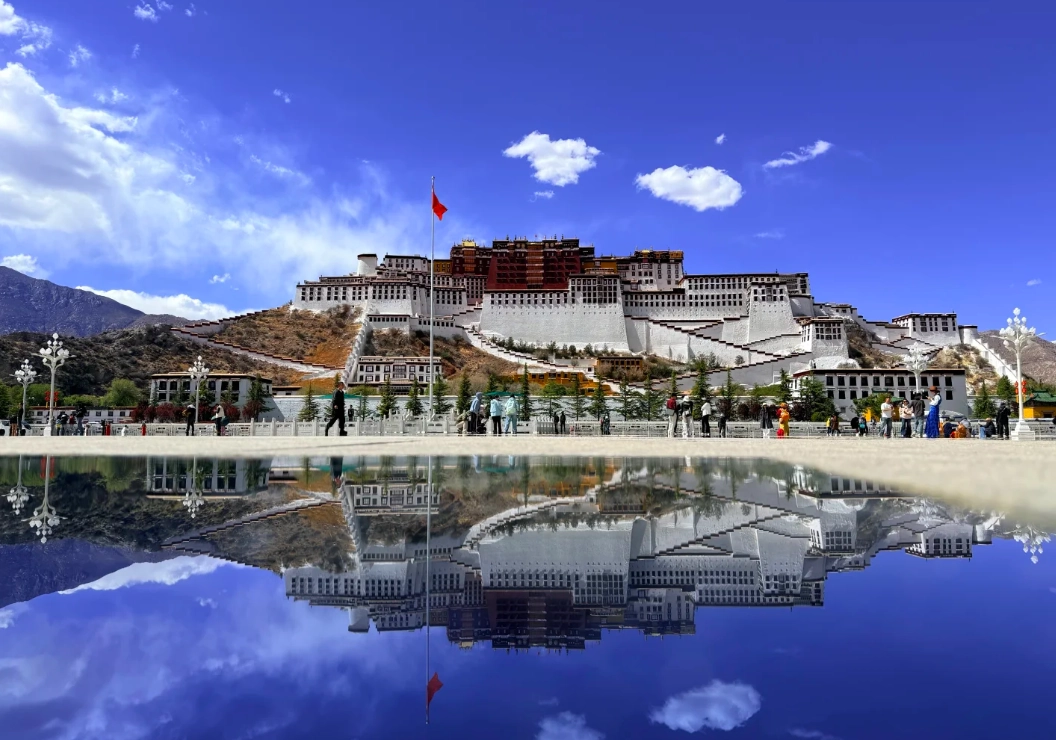
4. Drepung Monastery
Drepung, located on the western edge of Lhasa, was once the largest monastery in the world—and you can feel that scale in every alley. The white-washed buildings are spread over a hillside like a miniature town. The main attractions are the Ganden Palace and the massive Thangka wall used for unspeakable prayer festivals.
- Ticket: About ¥60. It's a somewhat steep walk uphill; you can also take a local van up for a small fee.
- Hours: Open from 9:00-16:00. Arrive early to beat the tour groups that start around 10am.
- Getting there: From central Lhasa taxi costs roughly ¥60, 30-40 minutes.
- What to avoid: Those white buildings are still active monastic residences. Respect privacy—don't photograph private courtyards.
Insider Advice: Go in the late afternoon. The crowds are gone, and the golden light on the whitewashed walls is surreal. But be careful: they close some halls by 4pm, so focus on the key temples first and walk the hill later.
5. Everest Base Camp
You're not going to climb Everest; you're going to stand at the official Base Camp and stare at the world's highest peak from 5,200m (17,060ft). It's a brutal multi-day journey from Lhasa: about 340km to the Baji Ka Lama, then a dusty 4WD track to the Rongbuk Monastery. The air is thin, the road is bumpy, and the food is minimal. But the moment the mountain appears with its plume of snow against a deep blue sky, you'll understand why so many people call it the must-see in Tibet.
- Permit: Besides the Tibet Travel Permit, you'll need an Alien Travel Permit for Shigatse and a border permit for Nyalam. Your tour agency handles these; you cannot get them locally on your own.
- Ticket: The entrance to the Qomolangma Scenic Area is around ¥180. From the checkpoint, you still have to drive to Rongbuk, and then a shuttle takes you to the actual base camp moment (around ¥120, bring cash).
- Best season: March to May and September-November are the clearest. Winter is too harsh and roads can close.
- What to avoid: Plan to sleep overnight at Rongbuk (or near the tent city) so you can catch sunset and sunrise. Day-trip from Lhasa is dangerous and pointless.
Honestly, I get emotional every time I bring a client here. But I always tell them to bring a bathroom kit—the facilities are minimal and the altitude can... you know. Prepare your stomach before you go.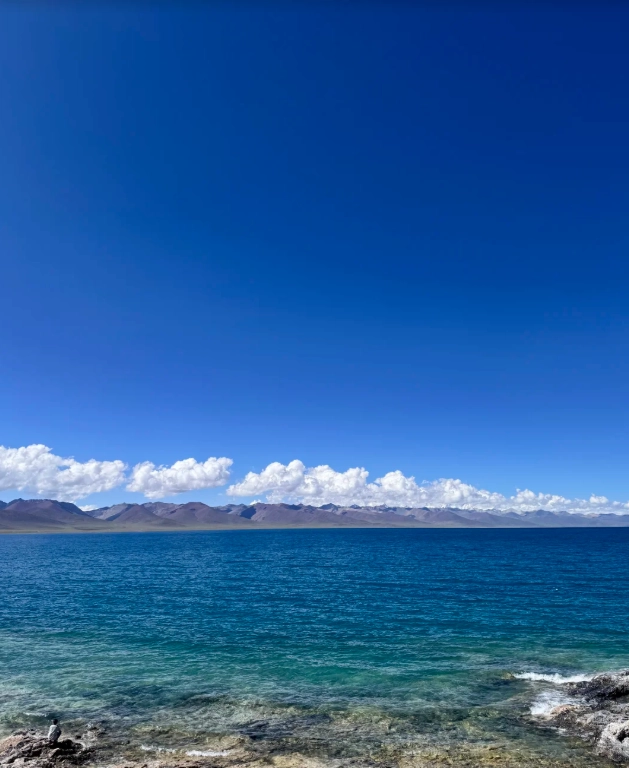
6. Lake Namtso
Namtso—the holy Heavenly Lake—is the saltwater lake that plays with color like a living painting. It's 4,718m above sea level, so it's the highest big lake that most travelers will ever breathe. The 4-hour drive from Lhasa gets you to the mountain pass at Lagen La (5,190m), where the view of the turquoise water will knock you out. But the real experience is wandering the Tashi Peninsula, dodging pilgrims doing their kora around the lake.
- Ticket: Around ¥120 per person for the scenic area.
- Getting there: You need a 4WD because the last 40km is unpaved and often muddy. Most travelers stay the night in the lakeside guesthouse tents so they don't have to rush back. Rooms are basic (think bunk beds), but that's part of the charm.
- Best time: June through September when ice melts. Restrooms, however, are few and far between. Plan accordingly.
- What to avoid: Don't visit on a day trip unless you're acclimatized; the altitude change is steep, and you'll spend more time in the car than by the water.
Pro Tip: The sunrise over the lake from the rocky hill near the guesthouses is worth the freezing walk. I tell people to set an alarm for 5:30am and come back with memories—and a camera full of blue.
7. Yamdrok Lake
Yamdrok Lake lies in a turquoise glacier valley that looks like a painting of itself. It's easily reached as a day trip from Lhasa—about 2.5 hours southwest—and it's the perfect way to see the Himalayan foothills if you're short on time. The official viewpoint stares down from Gampala Pass (4,798m) and your jaw will drop. After the pass, wind down to the shore and stand next to the water surrounded by grazing yaks.
- Ticket: Around ¥60, paid at a checkpoint on the main pass. Keep your ticket for the rest of the tour.
- Getting there: You'll pass Kamba La Pass and then the lake is a short drive below. Taxis from Lhasa cost ¥700-900 for the day if you don't have a tour car.
- Best time: Anytime from May to October. The pass is blanketed with prayer flags in spring.
- What to avoid: The official viewpoint is packed with tour groups by 11am. I always start from Lhasa at 6am to get there before 9am. You'll have the whole northern rim to yourself.
I've been to Yamdrok at least thirty times, and it still makes me hit the brakes. The lake changes color with the cloud shadows—cobalt, silver, then emerald. It's beautiful on a road trip that doesn't demand overnight planning.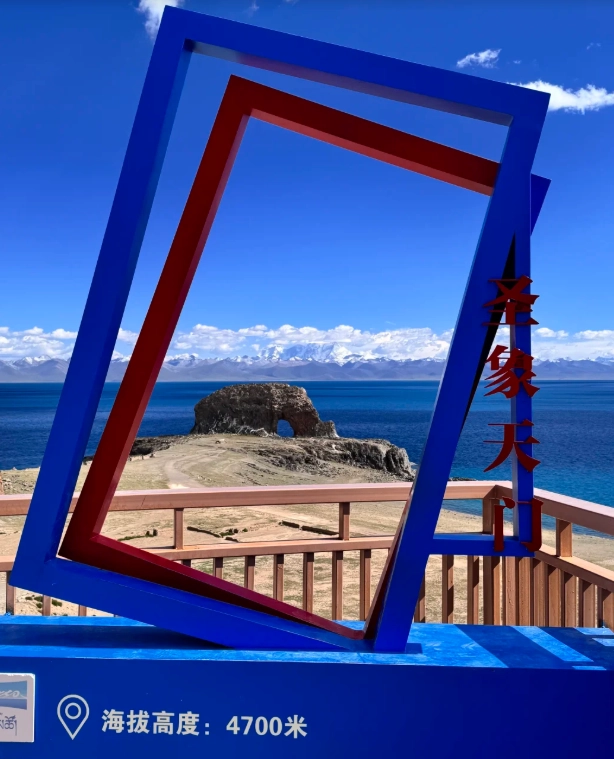
| Attraction | From Lhasa | Suggested Visit Time | Ticket (approx) |
|---|---|---|---|
| Potala Palace | In central Lhasa | 2-3 hours | ¥200 (peak) / ¥100 (off-peak) |
| Jokhang Temple & Barkhor Street | 15-min walk from Potala | 2-3 hours | ¥85 |
| Sera Monastery | 20-min drive | 2-3 hours (incl. debate) | ¥50 |
| Drepung Monastery | 30-min drive | 2 hours | ¥60 |
| Everest Base Camp | Multi-day drive (4 days) | 3-4 days | ¥180 entrance + ¥120 shuttle |
| Lake Namtso | 4-5 hr drive | Day trip or overnight | ¥120 |
| Yamdrok Lake | 2.5-hr drive | Day trip | ¥60 |
Prices change often; treat these as a budgeting guide and confirm at the gate.
How to Beat the Crowds at Tibet's Must-See Attractions
Here's the thing: almost every must-see in Tibet gets slammed by tour groups between 10am and 3pm. The trick is to organize your route to arrive earlier or later than the pack. Here's how I beat the crowd with my own groups:
- Potala Palace: Take the earliest timed entry (usually 9:00). The courtyard is quieter, and the morning light on the white palace is golden. If you're flexible, visit on a Monday when fewer Chinese tour groups schedule it.
- Jokhang Temple: Pilgrims crowd the main hall until 9am, which might feel busy but it's the real atmosphere. For a quieter visit, go after 3pm and watch the monks close up.
- Sera Monastery: The debate starts at 3pm, so expect a crowd. Go to the debate courtyard early to claim the front row, then retreat uphill to less-visited halls after the excitement.
- Drepung Monastery: Aim for 9am opening. Skip the first main temple and do a clockwise loop; most people follow the main visitor path, so you'll lose them.
- Everest Base Camp: Always arrive at the Rongbuk viewpoint by 4pm. Then watch the sunset, sleep, and catch sunrise at 6am. You won't see crowds at dawn.
- Lake Namtso: If you're staying overnight, stay on the peninsula after sunset; the day-trippers leave by 5pm, leaving you with the stars.
- Yamdrok Lake: Drive early and arrive at Gampala Pass by 8am. The daytime crowds arrive at 10:30. I've taken dozens of clients here and the early-window view is the best.
Also, remember that Chinese public holidays (especially October 1-7 and May 1-5) are extreme. If your trip lands during those weeks, shift your plan to the lesser-known spots like Samye Monastery or Norbulingka Palace, or accept you'll be moving with the crowds.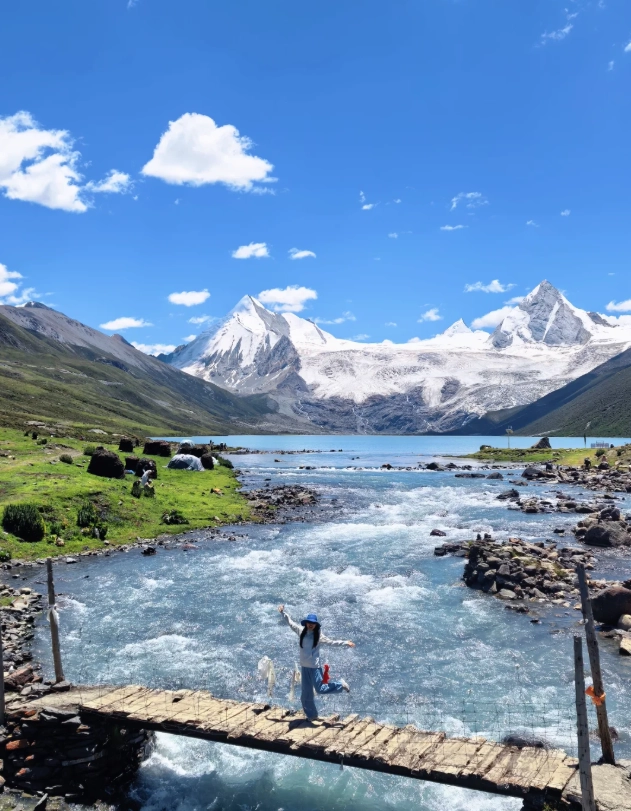
How to Plan a Tibet Must-See Itinerary (Realistically)
If you're normal (meaning you don't want an ICU visit), give yourself at least 6 days to cover the highest-ranking must-sees. Here's a realistic plan that includes driving times and buffer for altitude.
- Day 1: Land in Lhasa. Do nothing but drink water and walk slowly. Force yourself to stay up until 8pm to reset your body to the altitude.
- Day 2: Half-day for Potala Palace (morning), followed by Jokhang Temple and Barkhor in the afternoon. Walk, don't taxi—it helps acclimatization.
- Day 3: Sera Monastery in the morning (arrive 9am, see the monks, then debate at 3pm). If you're still feeling strong, go to Drepung in the afternoon after the debate.
- Day 4: Drive to Namtso, sleep overnight at the lakeside guesthouses. If you're not staying overnight, push the drive earlier and return by evening.
- Day 5: Return from Namtso to Lhasa, recover. Use the afternoon to roam Potala Square or Norbulingka Palace.
- Day 6: Yamdrok Lake day trip. Return in the evening, pack for Everest.
If you want Everest Base Camp, add 4 days to the schedule and cut Namtso or Yamdrok. Most foreigners find it easiest to hire a tour agency that packages the EBC trip with a driver who knows the roads.
And here's my advice about the "right" number of days: you can't see everything in 4 days, so prioritize. If you're only here for a week, skip Namtso (it's cold and hard on the body) and do Yamdrok instead. The lake might be less "wild" but you'll feel better.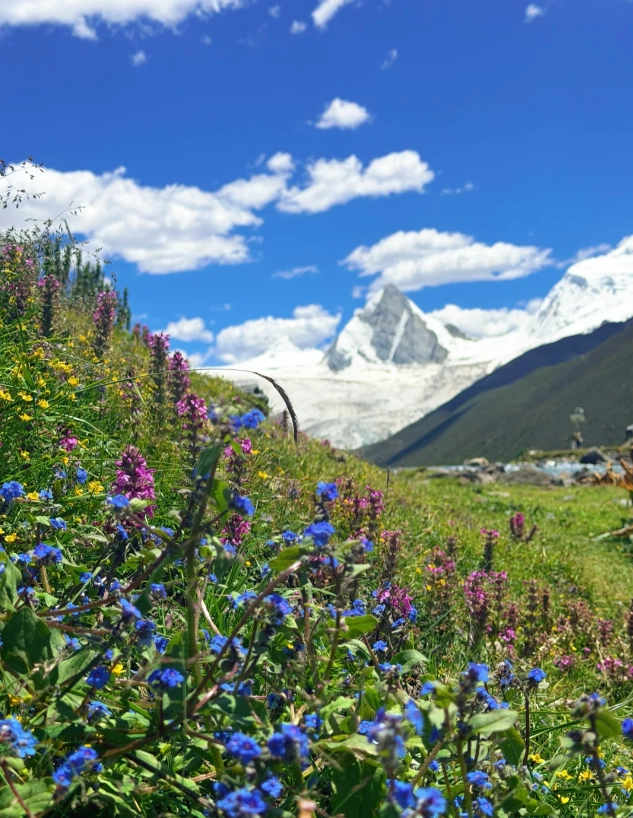
FAQs About Visiting Tibet's Must Sees
No, and this isn't just red tape—it's a rule enforced for all international travelers. Foreign visitors need a Tibet Travel Permit, which can only be issued by a licensed local agency. You also need a pre-booked itinerary for anything beyond Lhasa. I recommend working with a smaller local agency; they know the visa process and can arrange a private driver. You'll pay more for flexibility, but in return you avoid the pressure-cooker bus tours.
If you didn't pre-book via a travel agency, you can still try the official WeChat mini-program, but it opens bookings 7 days in advance and slots vanish within minutes. A better backup: show up before 7am at the ticketing office with your passport and cash. Sometimes leftover group slots are released, but there's no guarantee. To avoid disappointment, book through your tour agency at least a week before you arrive in Tibet.
Yes—Google Maps, WhatsApp, and Instagram are blocked, and that becomes painfully obvious when you try to navigate or message your family. Set up a reliable VPN before landing. Download AMap (Gaode Map) with offline Chinese maps, WeChat with Alipay configured, and a translator like Baidu Translate. Apple Maps also works with local POIs, but AMap is your driver's default, so having it on your phone can help you show addresses to him.
In 99% of cases, no. The official ticket system for Potala Palace, monasteries, and scenic areas uses a Chinese POS terminal that only accepts WeChat Pay or Alipay QR codes. A workaround: link a foreign Visa or Mastercard to Alipay before you arrive. For small vendors, keep a few hundred yuan cash in small denominations—they'll accept paper money even if they shrug at plastic.
Expect to budget around 1,200–2,000 RMB per day for a private tour with hotel, driver, permits, and entrance tickets. The bulk of that is transportation and permit logistics, especially for the Everest Base Camp leg. Budget travelers can lower it to around 600-800 RMB by joining a small group. But don't just pick the lowest quote—once you get here, there are no do-overs. Pay for an experienced driver who knows the mountain roads.
Verified and fact-checked by the editorial team. Always confirm opening hours and pricing with official sources before your visit, as local policies can change with little notice.





No comments yet.