 Jian Zhao
Stepping off the train in Xianyang, the smell of sizzling meat and boiling noodles hits you instantly. Honestly? My knees go weak every single time. This city is Xi'an's quieter sibling — but the food here is just as loud.
If you're wondering what to eat in Xianyang, you're not alone. Most visitors rush straight to Xi'an and miss this. Let me fix that.
Here's the short answer: you need the 15 dishes I list below. But the real secret is timing — hit the night market at 6pm, not 8, or you'll wait forever. Now let's dig in.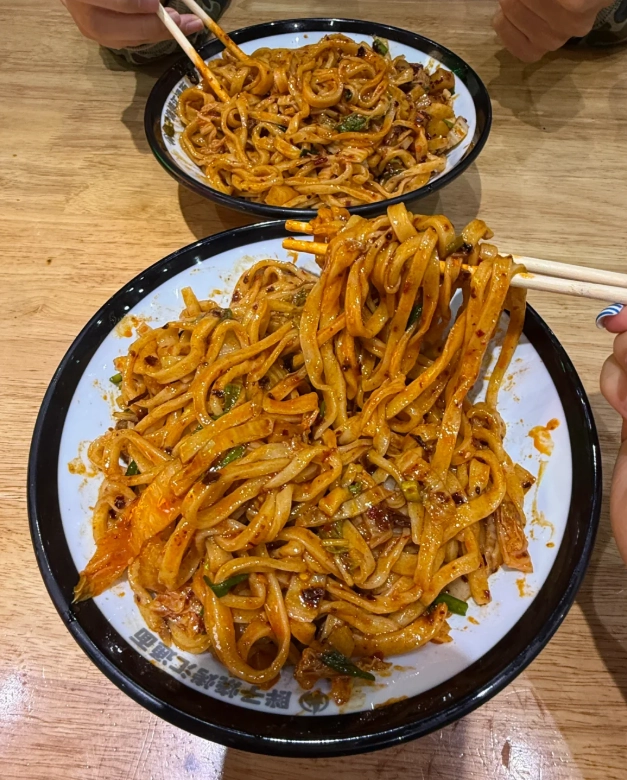
Why Xianyang Food Deserves Your Attention (and Your Stomach)
Yes, Xi'an gets all the love. But Xianyang — only 20 minutes away by high-speed train — is where many locals actually live and eat. The food here is less polished, more affordable, and often more authentic to the Shaanxi palate. You'll find the same hand-pulled noodles, but with a rougher, more home-cooked edge. And because fewer tourists make the trek, the restaurants are still run for locals, not for Instagram.
I usually hop on the high-speed train from Xi'an North Station to Xianyang Qindu Station. It's a quick 20-minute ride, and I always book tickets a few days ahead on 12306, China's official rail website, to avoid sold-out signs.
What Are the 15 Must-Try Dishes in Xianyang?
I have ordered everything on this list at least twice. Some are classics you'll find anywhere in Shaanxi; others are specialties that Xianyang does better. I've grouped them by category so you can plan your attack.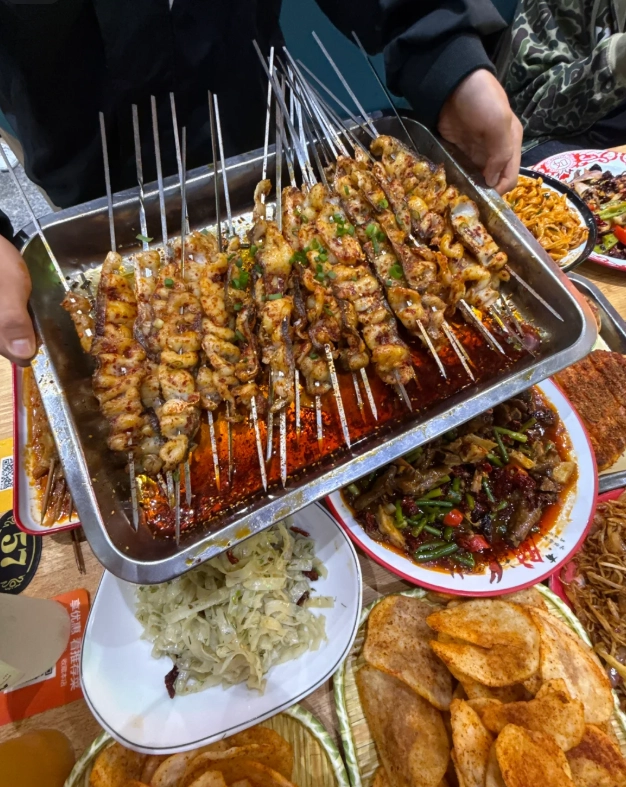
Noodles: The Soul of Xianyang
You haven't truly been to Xianyang if you haven't slurped down a bowl of these hand-pulled beauties. Noodles are the heartbeat of the city, and each shop brings its own spin.
1. Biangbiang Noodles (油泼面)
Belt-like hand-pulled noodles, doused in hot chili oil, garlic, and scallions. The texture is chewy and slightly rough — you feel every fold. You can get these at almost any noodle shop. My go-to: Yi Pin Noodle House on Weiyang Road. A bowl costs around ¥12–15 (about $2). Order it with extra garlic if you're brave. The first bite is an explosion of heat and numbing spices, and the chili oil coats every strand. I always ask for a side of fresh garlic, and the staff now knows me. The bowl is so big you might not finish it, but try.
2. Roujiamo (肉夹馍)
Shaanxi's famous meat-filled bun. Xianyang's version has a slightly crisper bread and more cumin-forward filling. At Lao Wang Roujiamo on Xianyang Street, they chop the pork right in front of you and stuff it into a sesame-crusted mo. ¥8 each. Perfect with a bowl of noodle soup. I always order two — the first one disappears too quickly. The bread crunches, the meat is juicy, and the cumin gives it a smoky kick you won't find in Xi'an.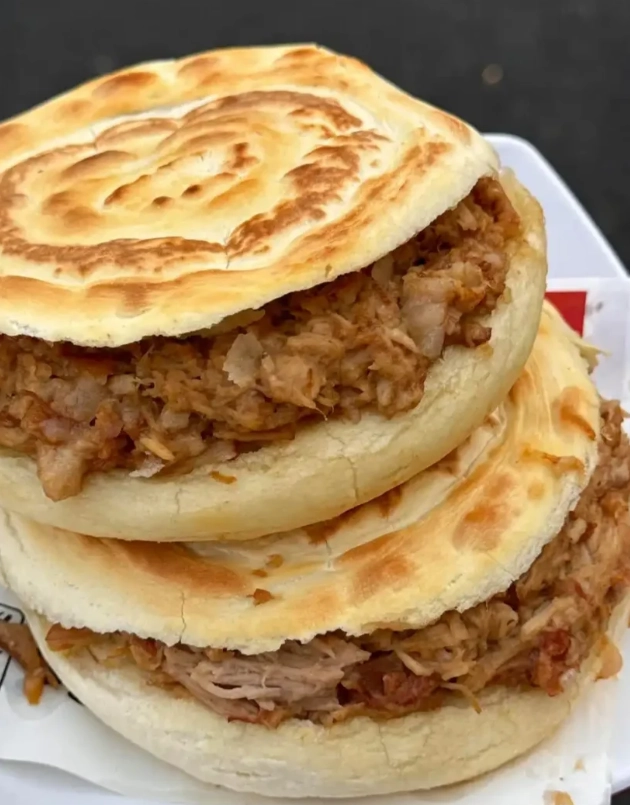
3. Qishan Saozi Noodles (岐山臊子面)
Thin wheat noodles in a sour, spicy vinegar broth, topped with shredded pork and egg. The tang is addictive. I always order a small bowl as a side to something bigger. Try Ma Jia Saozi Noodles near the north gate of the city wall — they've been serving it for 25 years. The broth is bright red from chili oil but sour, not fiery hot. It's the kind of soup that wakes up your taste buds instantly.
4. Yangrou Paomo (羊肉泡馍)
This is the legendary soup you tear your own flatbread into. It's a ritual — make sure you break the bread into tiny pieces or your bao slips apart too early. At Qinweizhai on Renmin Road, they hand you the bread and let you work. The lamb soup is rich, salty, and deeply comforting. ¥30–40. Go with a hungry stomach; it's heavy. The bread absorbs the broth, and the lamb is so tender it falls apart. I usually add a dollop of chili sauce and pickled garlic on the side.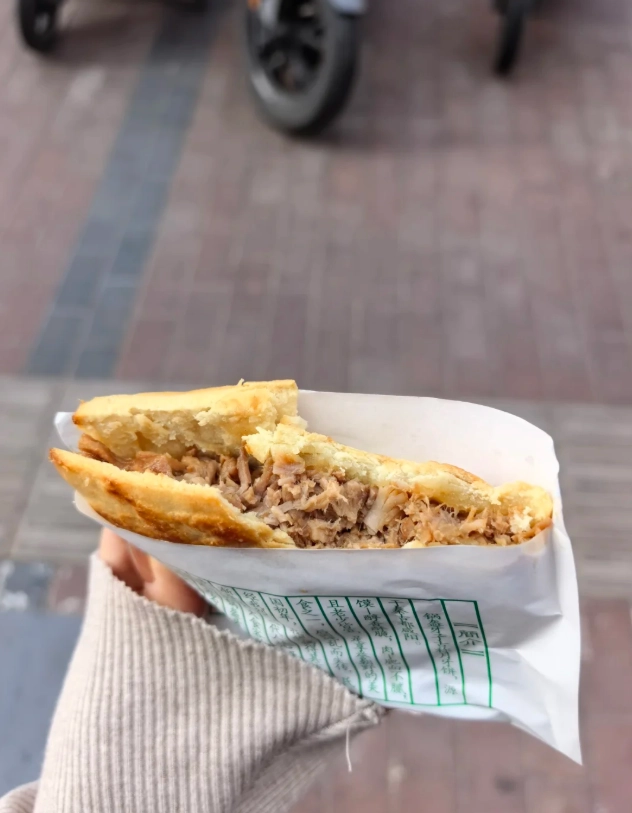
Meat Dishes and Dumplings
If you're a carnivore, this is where Xianyang really flexes its muscle. Bold flavors, ancient cooking methods, and zero apologies for using every part of the animal.
5. Laizi Suanyangxue (辣子蒜羊血)
Sheep blood jelly tossed with garlic and chili. Sounds weird, tastes amazing. The texture is silky, and the chili covers the iron taste. I was scared the first time, now I order it every time I'm in Xianyang. Find it at Fang Shan Guo Kui in the old market area. It's usually served cold, and the garlic-chili oil is so fragrant it'll have you licking the plate.
6. Guo Kui (锅盔)
Actually a massive baked bread, often eaten with spicy bean paste or braised pork. It's like Shaanxi's answer to a baguette. Get it fresh from Qianxian Guo Kui stall on the corner of Qingnian Road. ¥5 for a basket-sized piece. The best way to eat it is torn into pieces and dipped into a bowl of hot bean soup. It's chewy on the inside and hard on the outside — a delightful contrast.
7. Fen Zheng Rou (粉蒸肉)
Steamed pork coated in rice flour, spiced with star anise and cinnamon. Soft, greasy, and wonderful. Usually served on a leaf with a side of garlic. Many local restaurants have it. Try Huimin Restaurant on South Street. The meat is so tender it melts in your mouth, and the rice flour soaks up all the juices. It's the kind of dish that makes you slow down and savor each bite.
8. Dumplings (饺子)
Not unique to Xianyang, but the locals do them well. I love the ones at Dong Lai Shun on Xidan Road — they hand-wrap them with juicy pork and chive filling. 20 pieces cost about ¥15. Order them boiled, not pan-fried, to taste the filling. Dip them in a mix of vinegar and chili oil for the full experience.
Street Snacks and Sweets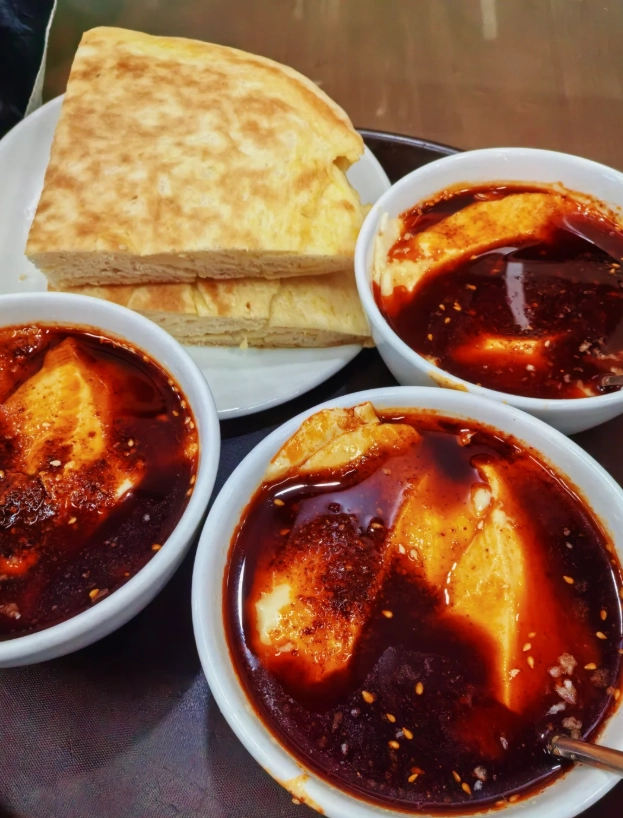
When the sun goes down, the snack stalls light up — and so do the flavors. The street food scene in Xianyang is a treasure hunt for anyone with a curious palate.
9. Huntun (馄饨)
Light wonton soup with tiny but tasty dumplings. Perfect breakfast. On any corner you'll find a stall with a big pot of broth. Yan's Wonton on Zhongshan Road is a safe bet. The broth is clear and peppery, and the wonton wrappers are thin enough to see the filling. It's comfort in a bowl.
10. Liangpi (凉皮)
Cold, slippery rice noodles with vinegar, sesame, and a heavy dose of chili oil. The version here is slightly sweeter than Xi'an's. Grab a small plastic cup from any street vendor. ¥6. I recommend the one outside the Qingwei Mall food court. The noodles are served cold with fresh cucumber and bean sprouts, and the chili oil is numbing and spicy at the same time.
11. Suantang Dumplings (酸汤水饺)
Dumplings served in a sour, chili-spiked soup. It wakes up your taste buds instantly. La Wen Tian on Beidajie has a solid version with huge dumplings. The soup is tangy from vinegar and loaded with garlic and chili, perfect for a cold day.
12. San Yuan Liaohuatang (三原蓼花糖)
A sweet, fluffy candy from nearby Sanyuan county, but you can find it in Xianyang's snack shops. It looks like a fat marshmallow, tastes like caramelized sugar. Pick some up for a train snack. It's light and airy, with a crispy sugar coating that cracks when you bite into it.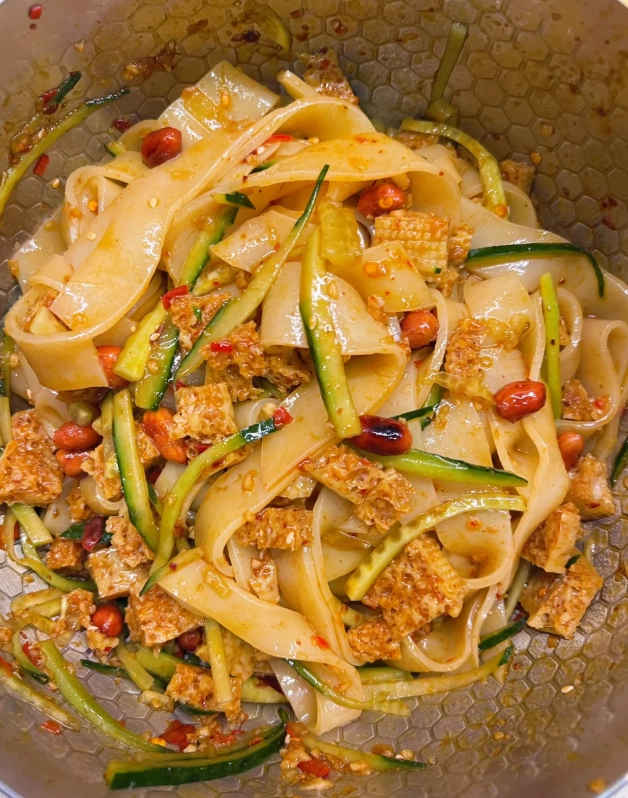
13. Qishan Re Mian (岐山热面)
Hot, soupy noodles with a spicy-sour broth, different from the cold liangpi. It's a winter comfort food. I had a memorable bowl at Mingzhu Mini Restaurant on Bayi Street. The noodles are served in a steaming bowl of broth with minced pork and veggies, and the sourness really opens up the sinuses.
14. Chao He Luo (炒饸饹)
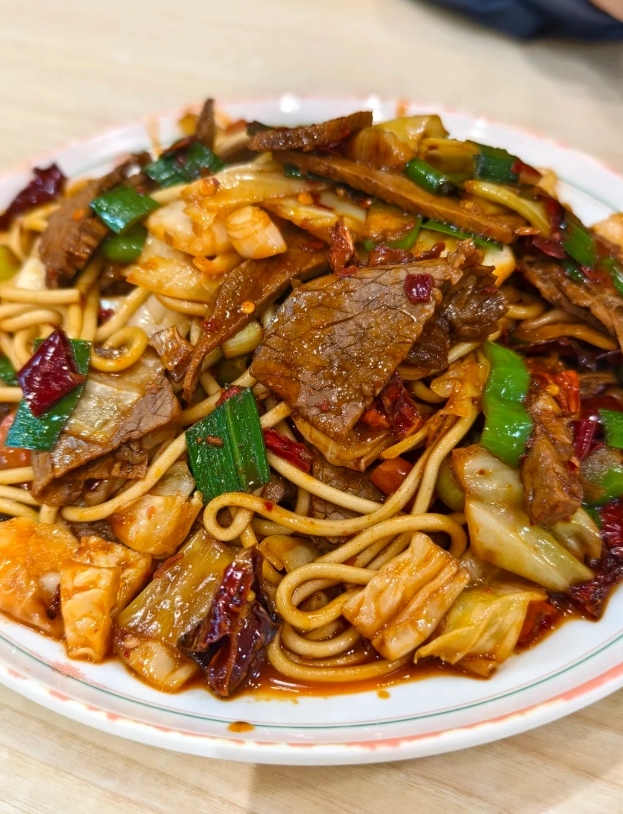
Stir-fried buckwheat noodles with vegetables and meat. Buckwheat gives it an earthy, nutty flavor. Look for it at small roadside shops; the wok hei makes it special. The noodles are stir-fried with onions, peppers, and sometimes beef, and the smoky flavor from the high heat is unbeatable.
15. Xingping Dangao (兴平蛋糕)
There's a famous soft sponge cake from Xingping, a county under Xianyang. It's light, eggy, and not too sweet. Buy it fresh from the Xingping Cake Factory Outlet near Huanglong Road. The cake is so tender it practically dissolves on your tongue, and it's a favorite breakfast on the go.
Where to Eat in Xianyang: My Favorite Restaurants
These aren't the fanciest places on earth, but each one has earned my repeat visits. I've included the must-order dish, approximate price, and when to go to avoid crowds.
| Restaurant | Specialty | Address | Price Range (per person) | Best Time |
|---|---|---|---|---|
| Yi Pin Noodle House | Biangbiang noodles | Weiyang Road, near Gate 3 | ¥12–20 | Lunch, before 12pm |
| Lao Wang Roujiamo | Pork sandwiches | Xianyang Street, across from Post Office | ¥8–12 | Morning, before 9am |
| Qinweizhai | Yangrou Paomo | Renmin Road, next to Jinhua Hotel | ¥30–40 | Dinner, around 6pm |
| Fang Shan Guo Kui | Lamb blood jelly & guokui | Old Market district, near East Gate | ¥10–20 | Afternoon, 2–4pm |
| La Wen Tian | Sour soup dumplings | Beidajie, near the Bell Tower | ¥15–25 | Dinner, 5:30pm |
| Huimin Restaurant | Fen Zheng Rou | South Street | ¥20–35 | Lunch, 12pm |
**Pro Tip:** Many restaurants close for a mid-afternoon break (around 2:30–4:30pm). If you get hungry in that window, head to a street stall — they stay open all day.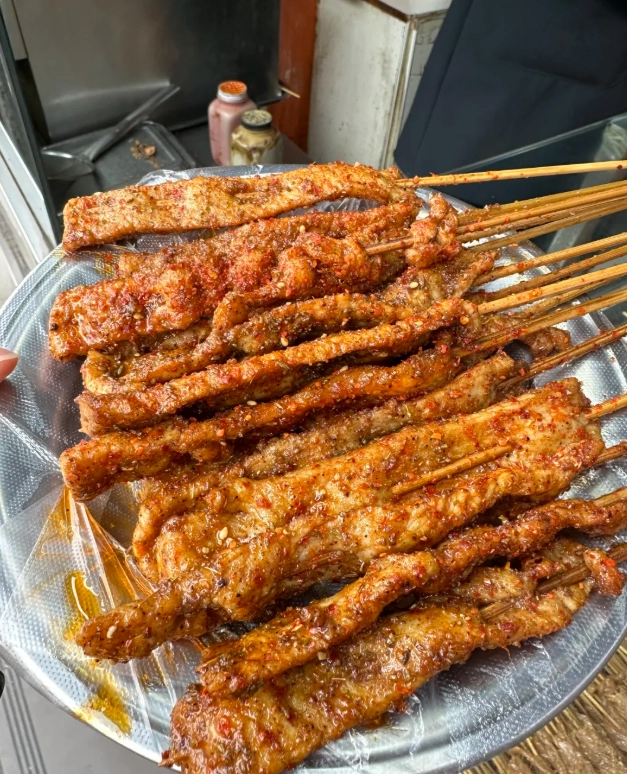
A Quick Street Food Crawl in Xianyang
The real magic happens after dark at the Huitong Night Market (汇通夜市). It's a labyrinth of stalls and plastic stools where locals catch up over skewers and noodles. The star here is Huitong Noodles — a simple sesame-paste noodle dish that's become a Xianyang icon. You'll see dozens of identical stalls; just pick the one with the longest queue.
Start at the Xianyang Bell Tower (the intersection of Renmin Road and Beidajie). Head north on Beidajie — you'll see a cluster of stalls around the Qingwei Mall. Grab a liangpi, then continue to Zhongshan Street for wonton and grilled skewers. End at the Old Market for dessert. The whole loop is about 2 kilometers.
Pro Tip: Go around 5pm — you'll avoid the dinner rush and still catch the stalls at their freshest. And watch for the small carts selling chaoguo (sugared fried dough), a local childhood favorite.
How to Order and Pay for Food in Xianyang
Don't let the language barrier scare you. Most places have either picture menus or English translations. But for those that don't, here's a golden trick: point at what the customer next to you is eating. It's literally the most effective strategy.
Ordering When You Don't Read Chinese
If you have a VPN, Google Translate's camera mode can read the menu in seconds. If not, download a dedicated translation app like Baidu. Also, many restaurants now use QR codes for ordering — you scan, and the menu appears in English on WeChat. If you're stuck, just say "随便来一个" (suibian lai yige) — it means "surprise me." I've done that many times and ended up with some of my favorite dishes.
Payment: Cash, Card, or Phone?
China has been rolling out easier mobile payment options for tourists. For the latest policies, check the National Immigration Administration’s website.
In practice, almost every shop accepts Alipay and WeChat Pay — even tiny street stalls. You can link your foreign credit card to either app with your passport. But don't assume your Visa or Mastercard will work as physical cards; many small places don't have card readers. Always carry at least ¥200 in cash as a backup, and remember that most vendors prefer mobile. If you have Alipay set up, you're golden.
A 24-Hour Eating Plan in Xianyang
If you only have one day, here's how to hit all the highlights without backtracking. This plan maximizes flavor and minimizes waiting.
- 7:30am — Start with a breakfast of huntun and guokui from the stalls near the Bell Tower. The soup is the perfect way to wake up.
- 10:30am — Grab a roujiamo as a snack at Lao Wang. The bread is crispy, and the meat is still warm.
- 12:30pm — Lunch at Yi Pin Noodle House. Order biangbiang noodles and a side of garlic. Go before noon to beat the rush.
- 3:00pm — Take a break and try liangpi and suantang dumplings from a street cart near the Old Market.
- 5:30pm — Dinner at Qinweizhai. Savor yangrou paomo slowly — it's a meal and a meditation.
- 8:00pm — End at the Huitong Night Market. Share a bowl of huitong noodles and some grilled skewers under the lights.
This plan covers all the essential dishes and keeps you moving through the city's food geography. Of course, you could swap the order depending on your hotel location. But this loop is designed to minimize backtracking.
Frequently Asked Questions about What to Eat in Xianyang
This content has been fact-checked to ensure informational precision.





No comments yet.