Xianyang Travel FAQ
1. Can I use foreign credit cards in Xianyang?
Not at most sites. The easiest way is to link a foreign card to Alipay or WeChat Pay before you arrive. For entry tickets, use Trip.com — they accept international cards and give you instant confirmation.
2. Is Xianyang safe for solo travelers?
Absolutely, and I've guided plenty of solo visitors. Violent crime is uncommon. Stick to well-lit areas, keep your passport secure, and use app-based taxis (Didi) via the English interface.
3. Do I need a VPN for my phone in China?
Yes, if you depend on Google services, Facebook, or WhatsApp. Download a VPN before departure and make sure it's configured properly.
4. Which tomb is more impressive: Qianling or Maoling?
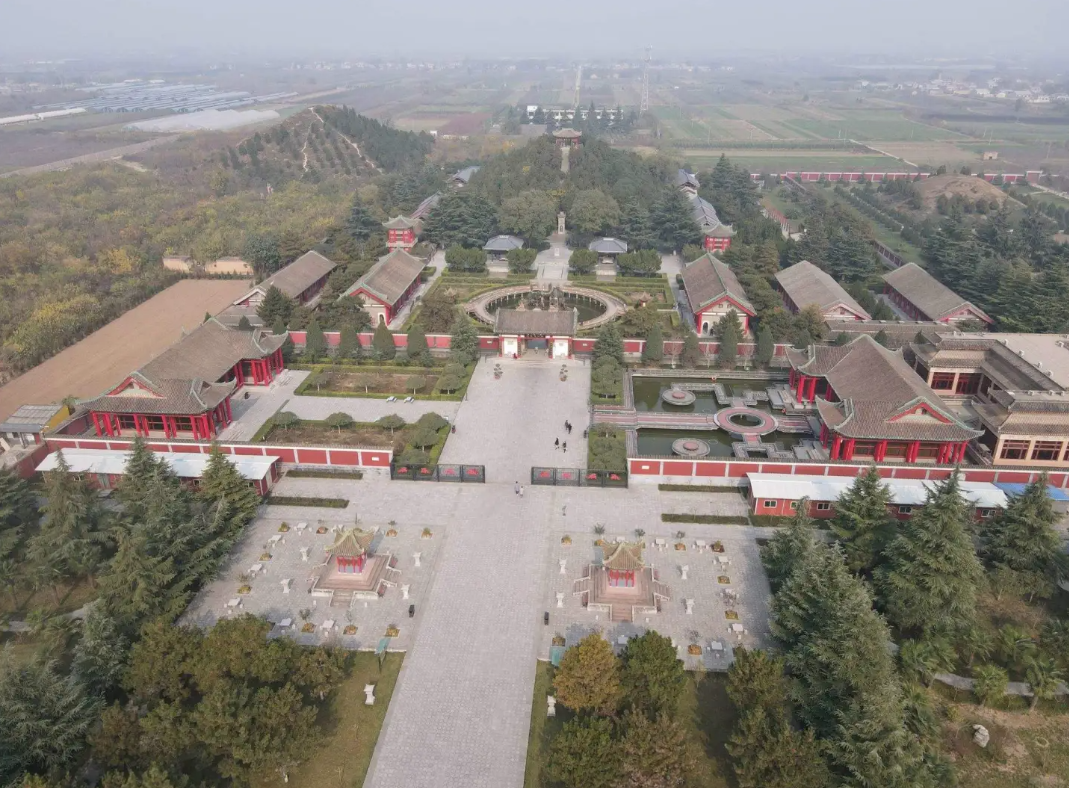
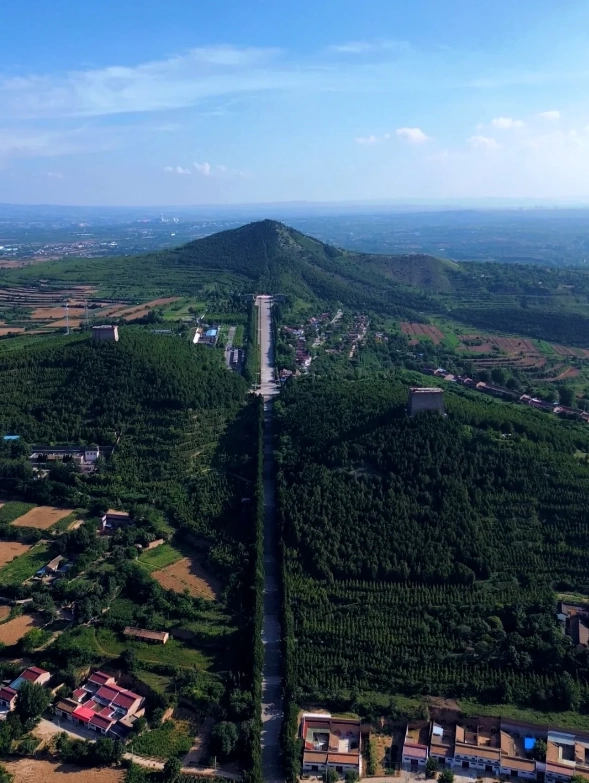
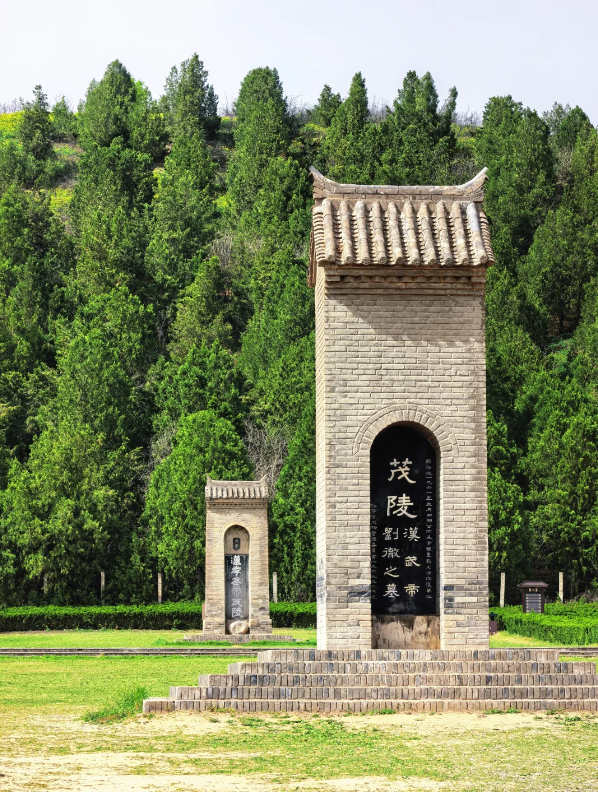
Both, honestly. Qianling has the fame and the 61 envoys, but Maoling feels more intimate. If you only have time for one, pick Qianling for the overall scale. Maoling's stone sculptures are unique, though.
5. How do I get to Xianyang from Xi'an without a car?
The highspeed train is the best option. Take Xi'an Metro Line 2 to Xi'an North Station, then a 15-minute train to Xianyang Qindu Station. From there, you can taxi to sites. Alternatively, Didi (Chinese Uber) is accessible with an English app version.
I only have one day in Xi'an. Can I hit any top things to do in Xianyang without rushing?
Yes, but choose quality over quantity. Stick to two or three locations — Hanyangling Museum and Xianyang Museum are easy, or Qianling and Maoling if you prefer the grand scale. A private car is essential to avoid wasting time on connections.
What’s the actual entrance fee for Qianling vs. Hanyangling? Are there hidden costs?
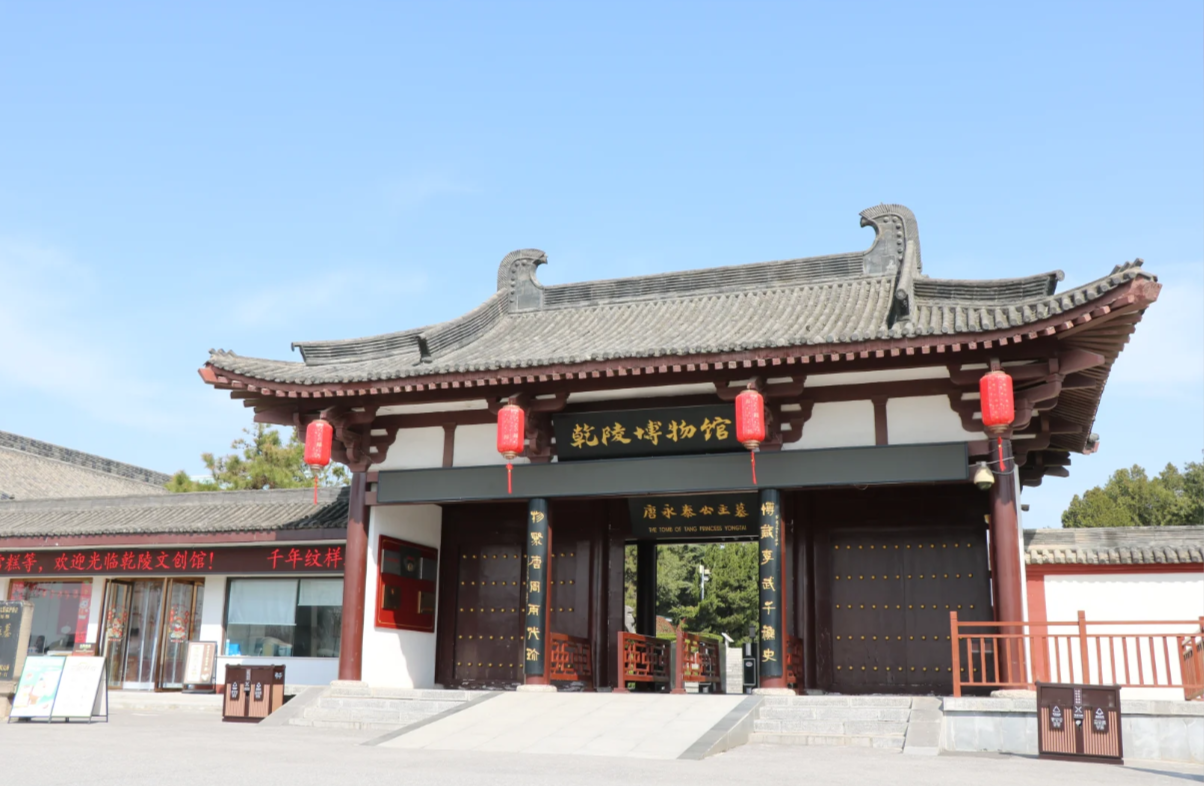
Qianling runs about ¥100–¥130, and Hanyangling is around ¥120. These prices change slightly each year. There are no hidden fees for the main areas, but at Qianling, if you want to visit the adjacent Yongtai Tomb, that's an extra ¥30–¥50. Always carry cash for these add-ons.
My Chinese is zero. How do I navigate the booking systems for these sites?
You only need to book in advance for Hanyangling on public holidays. For other sites, just show up and buy at the ticket office — bring your passport. If you're nervous, ask your hotel in Xi'an to call the site and reserve a ticket in your name. It's easier than struggling with Chinese mini-programs.
Which tomb complex is less crowded and better for photography?
Tang Shunling is the untapped goldmine for photographers — no entry fee, no tour groups, and the stone sculptures are gorgeous in late afternoon light. Zhaoling is also quiet but requires a hike. For the best mix of convenience and low crowds, go to Maoling in the late afternoon.
Are there any safety concerns when walking around the mausoleums?
None at all in terms of crime. The main concern is uneven stone paths and steep steps — wear sturdy shoes. In summer, the heat can be intense; carry water and sunscreen. Some sites (like Zhaoling) have little shade, so plan for that.
Recent Reviews
Mixed feelings about Xianyang. The Hanyangling Museum was interesting, but the site is quite fragmented and the audio guide felt outdated. I arrived in town around midday and found many old streets blocked off with scaffolding, and it was hard to find a quick place to eat that wasn't about to close. The central area has a pleasant enough vibe, but it feels like a city in the middle of renovation. As a stopover before Xi'an, it's fine. I wouldn’t plan a special trip here.
A decent day trip, though not as smooth as I hoped. The Yangling Museum itself is genuinely impressive — the close-up views of the miniature terracotta figurines are unlike anything else in the region. But getting there from the high-speed rail station took a long, confusing bus ride, and the connection was poorly signed. Also, many restaurants close between 2 and 5 pm, so I struggled to find lunch after my visit. Great museum, but the logistics need work. I’d give the experience four stars overall.
A truly underrated stop in Shaanxi. The city itself is laid-back and easy to walk around, with friendly locals and a lively night market by the central square. I tried cold noodle salad and a lamb skewer from a tiny stall, and both were delicious. The Hanyangling Museum was fascinating, mainly because you can see the burial figurines up close in a dark pit with almost no tourists. Even the train station area felt straightforward and manageable. Xianyang deserves way more attention.
I came expecting a quiet transport hub, but Xianyang has an incredible layer of history. The Hanyangling site was the highlight. It’s not flashy like Xi’an’s terracotta army, but the underground museum lets you get right up to thousands of miniature terracotta figures. The light was low and atmospheric, and the silence in the tomb chamber gave me goosebumps. Outside the site, the surrounding park was empty and peaceful. If you like history without the crowds, this city is a gem. I ended up staying an extra day.
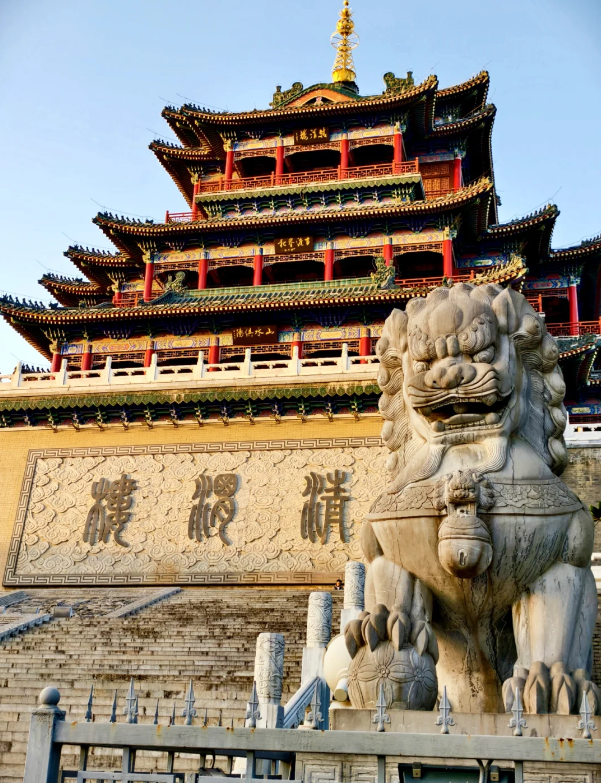
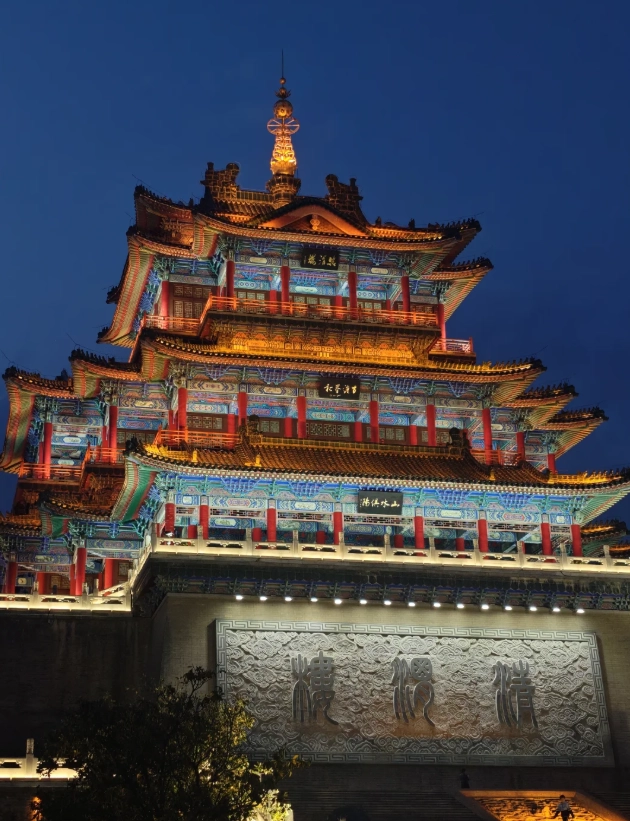
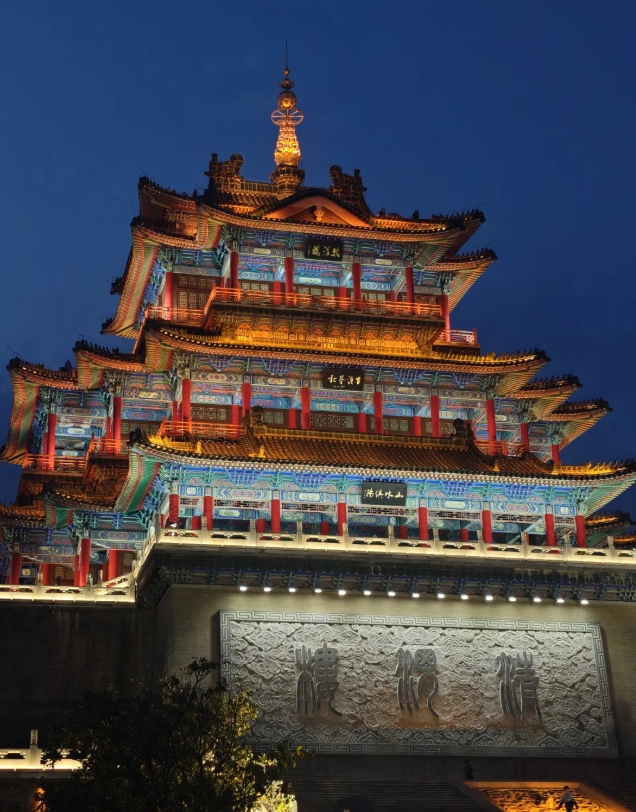
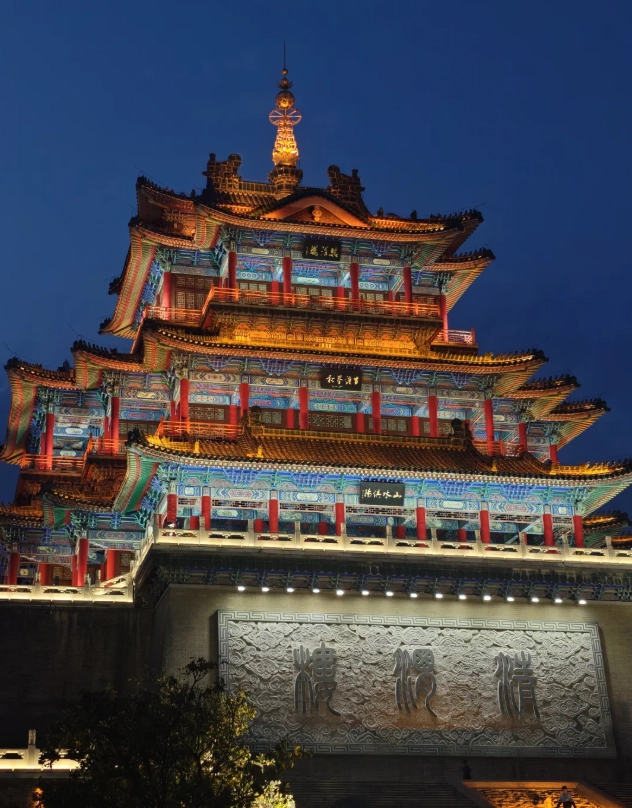
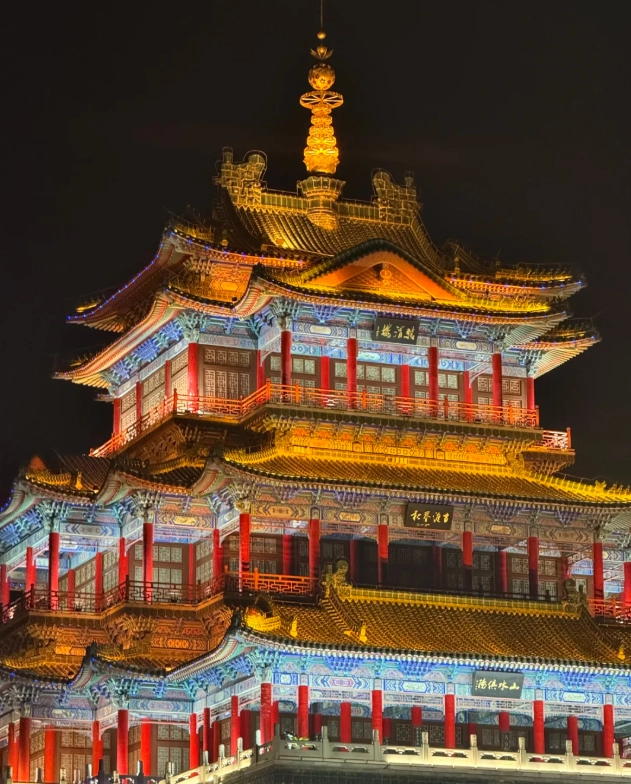
Stayed here on a whim before heading to Xi'an and honestly it was the best part of the trip. The Yangling Mausoleum museum is incredible — you walk over glass panels and look down at tiny terracotta figures and horses, so close you could almost touch them. And there were maybe six other visitors. In the evening, the Qingwei Tower area lit up beautifully and felt calm. A random noodle shop on North Street served biangbiang noodles that were the best I had in China, and the owner kept refilling my tea. Xianyang surprised me completely. Five stars, no question.
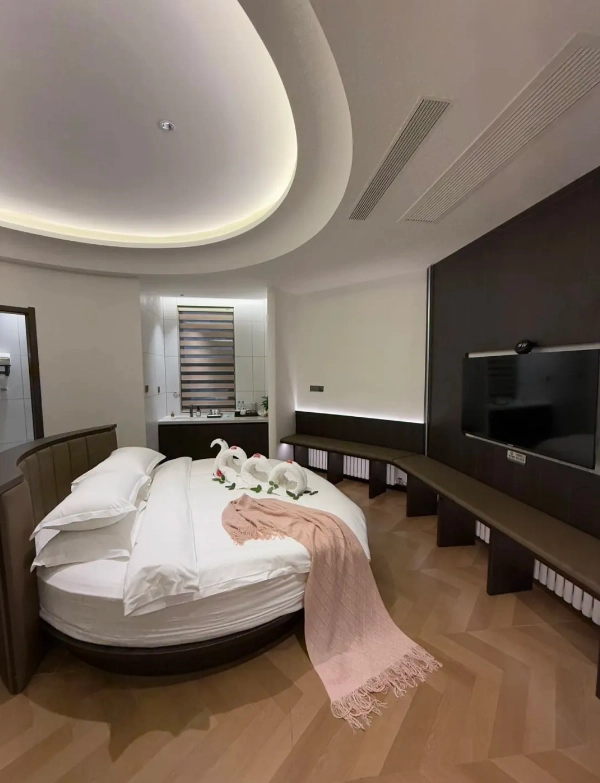
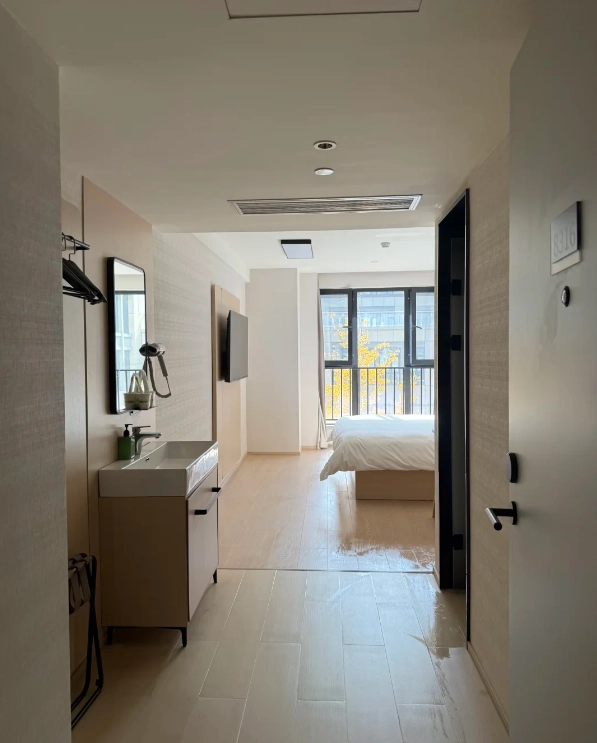
This city doesn't get enough credit. I'm a travel photographer and Xianyang gave me my favourite frames of the whole trip: the rammed-earth remnants by the north gate, morning tai chi crowds in the square near Qingwei Tower, and the shadow of the tower stretching over the Wei River at blue hour. Even the hotel was a pleasant surprise—clean, cheap, and with a great night view of the city lights. I came for one night and stayed three. Absolutely loved it.
Leave a Review