 Yan Zhou
📌 Quick Escape Map
- Why Jiangsu for a Weekend?
- How to Plan Your 48-Hour Jiangsu Weekend Trip
- Nanjing vs Suzhou vs Yangzhou: Which Base to Choose?
- What to See and Do in Nanjing for a Day
- What to See and Do in Suzhou for a Day
- Where to Eat: Jiangsu Food You Can't Miss
- Where to Stay in Jiangsu on a Weekend Budget
- Practical Tips for Foreigners Visiting Jiangsu
- FAQ: Weekend in Jiangsu — Your Top Questions Answered
Your flight lands in Nanjing, and just as you step out of the terminal, your Alipay fails with an international card. Don't panic — I've seen this every week. Here's the thing: Jiangsu's weekend potential is wasted on unpacked plans. After guiding dozens of foreign friends, I've narrowed the perfect 48-hour escape down to one simple rule — base yourself in one city, not two. Let me show you the exact weekend blueprint that works, complete with booking hacks and food stops.
Quick verdict: If you love grand history and metro convenience, choose Nanjing. If you prefer classical gardens and canalside strolls, pick Suzhou. Both are easily reachable by high-speed rail, but cramming both into a weekend will leave you exhausted. Choose one, and go deep — you can always come back for the other.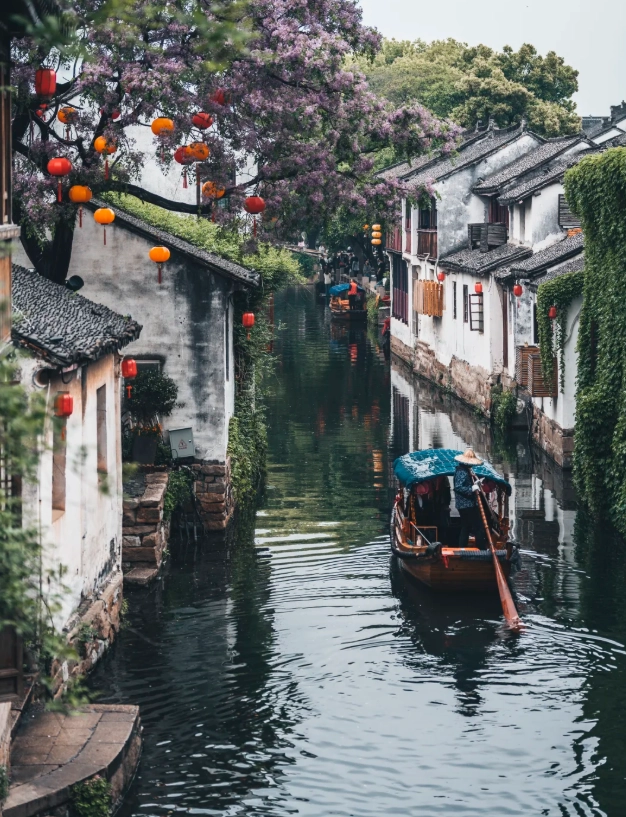
Why Jiangsu for a Weekend?
Jiangsu sits on China's eastern coast, an hour by train from Shanghai. It's where you'll find the Ming Dynasty tombs, the serene water towns, and some of the country's most well-preserved ancient gardens. But for a weekend, you don't need to see everything — you need to enjoy it.
In my years of leading trips here, I've realized that foreign visitors often over-pack their schedule, treating it like a marathon. I always tell my clients: “One city, three experiences — a landmark, a food street, and a local hangout.” That's enough for a Saturday. Add a second city and you'll spend half your time checking in and out of hotel rooms.
How to Plan Your 48-Hour Jiangsu Weekend Trip
Here's the structure I use with every guest. It works because it balances sightseeing with rest, and leaves room for spontaneous detours.
Day 1: Land and focus on one core area. If you're in Nanjing, head straight to the Dr. Sun Yat-sen Mausoleum area (中山陵) in the morning. It's a large complex that also includes Ming Xiaoling Mausoleum and Linggu Temple. You can easily spend the morning there. After lunch, visit the Nanjing Museum (南京博物院) — it's free but requires a reservation, so book ahead. End your day at Confucius Temple (夫子庙) for the animated night market and a cruise on the Qinhuai River.
Day 2: Explore the older neighborhoods. Visit the Presidential Palace (总统府) in the morning, then wander the nearby 1912 District for lunch and people-watching. In the afternoon, take a relaxing walk around Xuanwu Lake or head to the city walls for a photo stop. If you still have energy, catch the sunset at the Nanjing Yangtze River Bridge.
For Suzhou, the flow is similar: Day 1 starts with the classic gardens (Zhuozheng Yuan and the Suzhou Museum), then walks along Pingjiang Road. Day 2 brings Tiger Hill and the older Shan Tang Street vibe.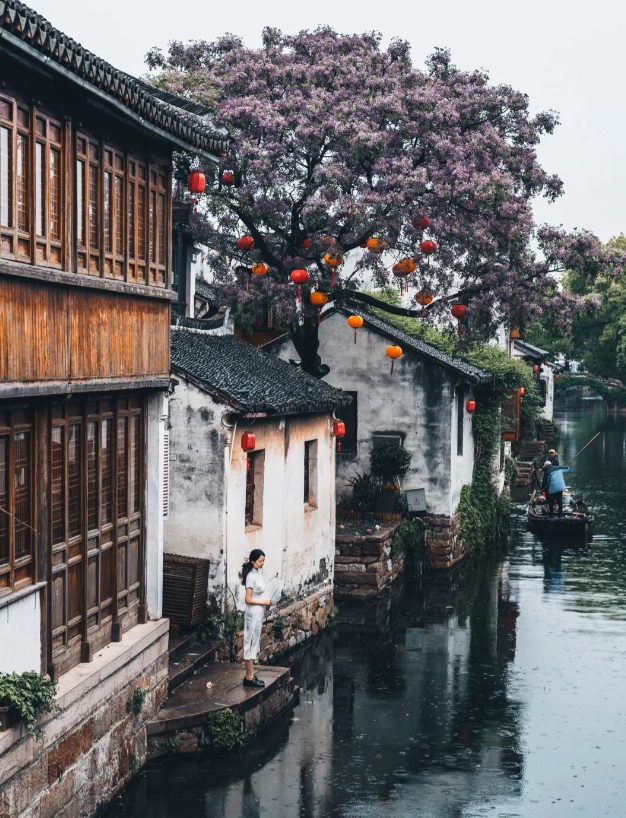
Below is a quick comparison table for each city's weekend essentials:
| City | Core Landmark | Best Food Street | Transport Hub | Weekend Vibe |
|---|---|---|---|---|
| Nanjing | Sun Yat-sen Mausoleum | Confucius Temple area | Nanjing South Railway Station (Metro 1, 3, S1, S3) | Historical & lively |
| Suzhou | Humble Administrator's Garden | Pingjiang Road | Suzhou Railway Station (Metro 2, 4) | Gentle & artistic |
| Yangzhou | Slender West Lake | Dongguan Street | Yangzhou Railway Station (only from Nanjing via bus) | Calm & traditional |
Now, let me save you some money: for train tickets, use the official 12306 website. The English interface is limited, but your hotel can help you book, or you can use Trip.com for a small fee. Tickets for weekend high-speed trains to these cities sell fast, so reserve at least two days in advance.
Nanjing vs Suzhou vs Yangzhou: Which Base to Choose?
This decision is probably the biggest one you'll make for your Jiangsu weekend. Let me break it down from a guide's perspective.
Nanjing is the province capital with a deep political history. It has a metro system that's beginner-friendly, and most attractions are within a 30-minute ride. If you enjoy museums, imperial tombs, and city walls, Nanjing won't disappoint.
Suzhou is the historic silk capital, famous for its delicate gardens and water towns. It's quieter, more romantic, and smaller in scale — easier to explore in a day or two. If you're after that postcard-perfect image of China, Suzhou is your match.
Yangzhou is a slower, food-focused city with the Slender West Lake and a famous breakfast culture. It's less connected by high-speed rail (you'll need a detour through Nanjing), so it's better suited for a three-day trip.
What to See and Do in Nanjing for a Day
Even with just one day, you can hit the highlights. Here's my no-nonsense route.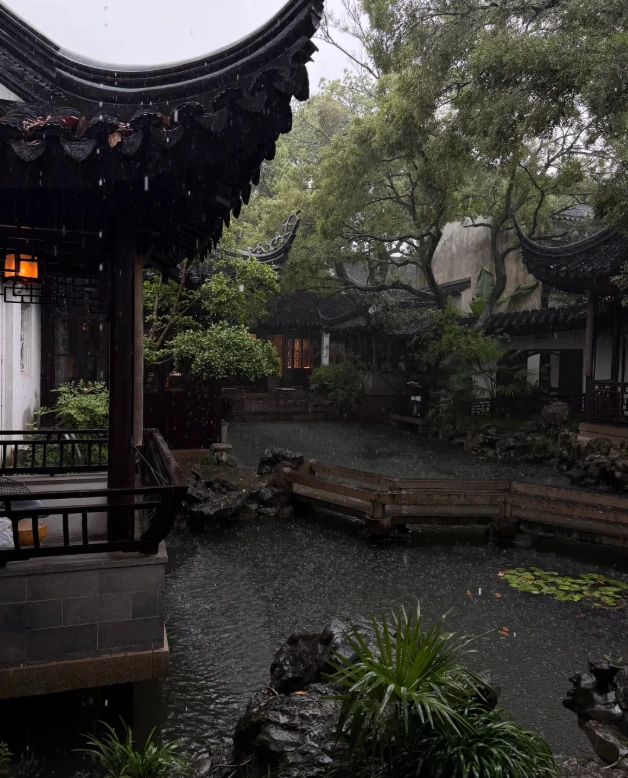
Morning: Dr. Sun Yat-sen Mausoleum (中山陵)
This is Nanjing's must-visit memorial, set on the verdant Purple Mountain. The tall stone steps and blue-tiled pyramid are iconic. It's free to enter, but you must book a time slot in advance either through the official WeChat mini-program or on Trip.com. Bring your passport for entry. It opens at 8:30 AM, and I suggest arriving right as it opens to beat the heat and the tour buses. To get there, take Metro Line 2 to Muxuyuan Station (下马坊), exit from Gate 2, then walk 15 minutes or take the scenic shuttle (¥10). Allow about two hours.
Right next door is Ming Xiaoling Mausoleum (明孝陵), the burial site of the Ming Dynasty founder. Entrance is around ¥70. The stone paths lined with ancient trees are my favorite part — you'll feel like you've stepped into a history book. If you have limited energy, focus on the main tomb area and skip the extra pavilions.
By 11:30, grab a simple lunch at the nearby Jinling Hotel? No, actually, I'd rather take a cab to the city center. There's a fantastic noodle shop near the Xianlin College area, but let's keep it simple — take the metro back to Xinjiekou and hunt for a Starbucks. This is rushed, but manageable.
Afternoon: Nanjing Museum (南京博物院)
One of China's best provincial museums, and it's free. But — you need to reserve a spot on the official app or WeChat. Foreign bookings are tricky, so I usually tell clients to ask their hotel receptionist to do it. The museum is closed on Mondays (except public holidays). Expect to spend two to three hours exploring the Bronze Age artifacts and the vibrant folk customs exhibition. Take the metro Line 2 to Minggugong Station (明故宫), then walk five minutes.
If you're not into museums, swap this for the Nanjing City Wall — specially the Zhonghua Gate (中华门). It's around ¥50 and gives you wonderful views over the old neighborhoods.
Evening: Confucius Temple (夫子庙) & Qinhuai River
This is where the city's energy hits you. As the sun sets, the lanterns light up, and the food stalls sizzle. Entrance to the temple itself is ¥30, but honestly, the riverside walk is free and more fun. I always warn my groups to ignore the hawkers selling “lucky beads” near the temple entrance — they're overpriced. Instead, grab a box of salted duck (盐水鸭) at a store recommended by locals, and join the queue for a boat ride on the river. It's about ¥80 for a 30-minute cruise, and the commentary is in Chinese, but the view is worth it.
For dinner, venture one block away from the main tourist street to find cheaper and more authentic spots. Look for places where local families eat — you'll spot them by the queue of office workers.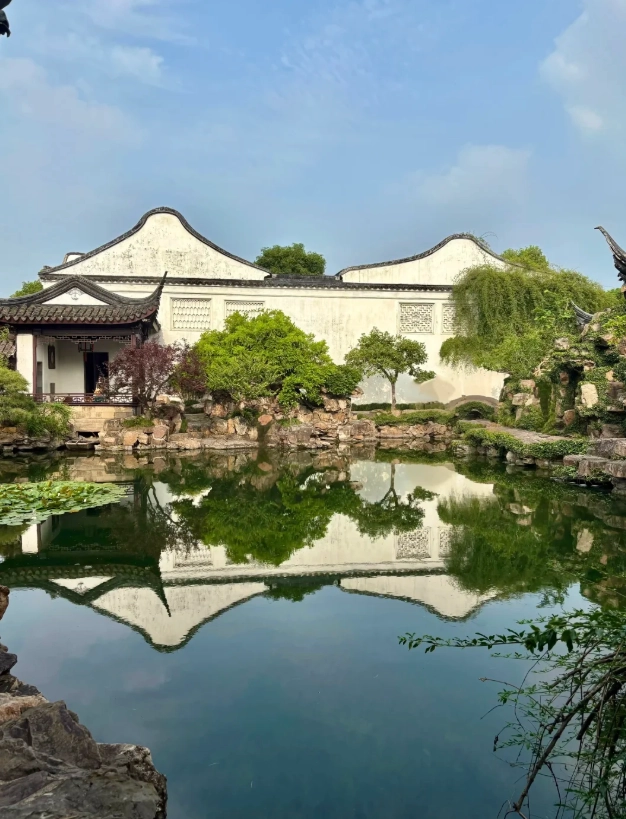
What to See and Do in Suzhou for a Day
Suzhou is smaller, and the pace is slower. Here's how I'd spend a quality day.
Morning: Humble Administrator's Garden (拙政园) + Suzhou Museum
These two are neighbors, and they make a perfect pair. Zhuo Zheng Yuan is the largest classical garden in Suzhou, with ponds, pavilions, and bridges designed to create changing views at every turn. Tickets cost around ¥70–90 depending on the season; book in advance on the official platform or Trip.com. Open from 7:30 AM, so beat the crowds and go early. A leisurely walk through will take you 1.5 hours.
Next door is the Suzhou Museum (苏州博物馆), designed by the late I.M. Pei. It's free, but you must make a reservation online — usually up to a week in advance, and slots fill up quickly. I've seen tourists show up without a booking and get turned away, so don't skip this step. The museum is closed on Mondays. After lunch, take a walk along Pingjiang Road, a beautiful canal street right behind the museum.
Afternoon: Tiger Hill (虎丘)
Tiger Hill is a legend — its leaning tower is the unofficial symbol of Suzhou. It's about 20 minutes by taxi from the center (around ¥20) or take bus line Y2. Entry is ¥60; open 7:30–17:30. Give yourself two hours to climb and explore the gardens, pagoda, and ancient well. The tomb of the legendary prince Helu is here, and the architecture feels older and more mystical than the city’s gardens.
If you're tired, skip Tiger Hill and instead relax in the Liu Garden (留园), a smaller classic garden near the center, also around ¥50. That's a fine substitute.
Evening: Shantang Street (山塘街)
Shantang Street is a restored ancient water town street that glows at dusk. It's free to wander, with shops selling silk, traditional snacks, and souvenirs. The vibe is more commercial than Pingjiang Road, but the canal-side bars are lively. Find a small noodle shop for a bowl of Suzhou-style “soup noodles” (阳春面), and end your night with a canal walk.
Where to Eat: Jiangsu Food You Can't Miss
Jiangsu cuisine is one of the eight great traditions of Chinese cooking. It's elegant, for fresh ingredients, mildly sweet sauces, and extremely tender meats.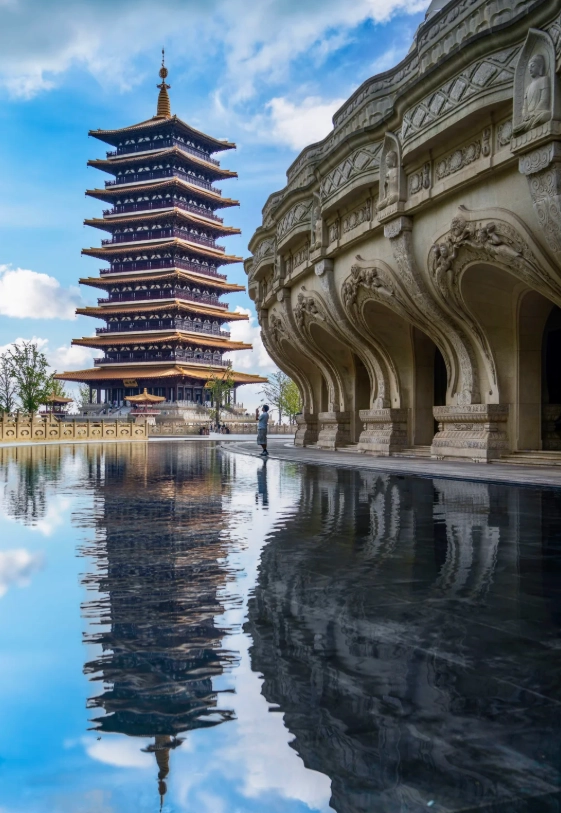
The must-try dishes
- Duck Blood and Vermicelli Soup (鸭血粉丝汤) — The signature Nanjing breakfast. The broth is savory, the duck blood is silky, and it's served with dried tofu and vermicelli. Reminiscent of a comfort stew, not spicy at all.
- Jiangsu Style Squirrel Fish (松鼠桂鱼) — A Suzhou classic. The fish is fried and coated in a sweet-and-sour sauce that's almost caramelized. It looks like a sculpture on the plate. Usually serves two, priced around ¥150–200.
- Braised Pork (苏式红烧肉) — Suzhou-style red-braised pork with a sticky-sweet glaze. It melts in your mouth.
- Salt Boiled Duck (盐水鸭) — Nanjing's signature, delicate and salty, not oily.
- Pan-fried Soup Dumplings (生煎) — Found anywhere, but the crispy bottom and hot broth make them indispensable.
Where to eat them
- In Nanjing, head to Xinjiekou (新街口) underground food court — there's a dizzying array of local chains and stalls. Come hungry and grab an order of duck blood soup at the most crowded counter. If you're feeling brave, try the soup dumplings at a place recommended by the crowd.
- In Suzhou, the Guanqian Street (观前街) is the culinary center. Look for “De Yue Lou” (得月楼), a centuries-old restaurant famous for squirrel fish. Yes, it's touristy, but the quality is solid.
Where to Stay in Jiangsu on a Weekend Budget
You want to be near the action but not in the chaos. Here's my shortlist for both cities.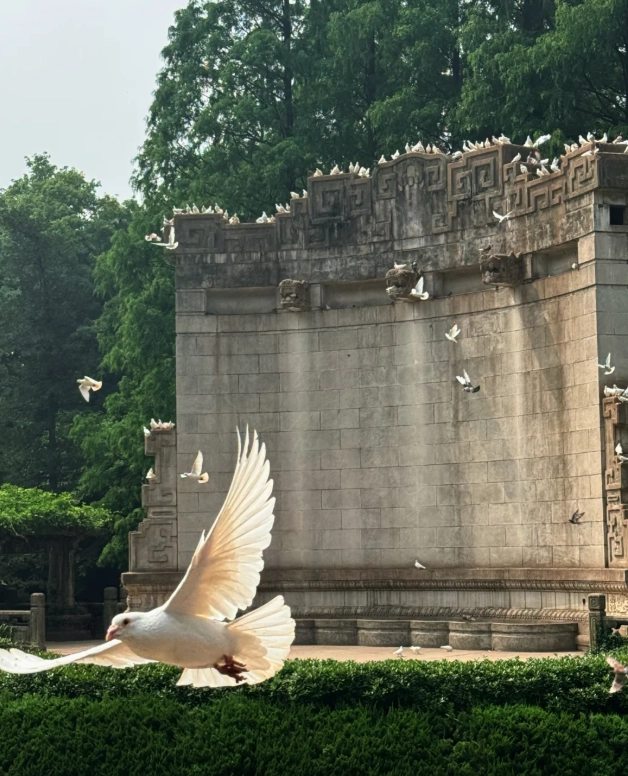
Nanjing
| Hotel Name | Area | Price Range | Best For |
|---|---|---|---|
| Jinling Apartment Hotel | Xinjiekou | 400–700 RMB | First-timers, metro access |
| Sheraton Nanjing King’s Hotel | Nanhu District | 600–900 RMB | Business travelers, families |
| Hostel nearby | Confucius Temple | 150–300 RMB | Backpackers, solo travelers |
The sweet spot for me is the Xinjiekou area. It's a metro hub with malls and 24-hour convenience stores, and you can reach most sights within 20 minutes. The Jinling Apartment Hotel isn't glamorous, but it's clean, quiet, and the staff handles foreign passports without drama. Check if your hotel has an elevator — many budget hotels in old buildings don't.
Suzhou
| Hotel Name | Area | Price Range | Best For |
|---|---|---|---|
| Pingjiang Lodge | Pingjiang Road | 500–1000 RMB | Couples, canal views |
| Holiday Inn Express Suzhou Downtown | Guanqian Street | 300–500 RMB | Convenient, affordable |
| Suzhou Youth Hostel | Pingjiang Road | 100–200 RMB | Backpackers, socializing |
If you're in Suzhou, stay on Pingjiang Road. It's more atmospheric with the canal flowing right along the street, and there are plenty of small restaurants and cafes. Hotels here tend to be boutique-style, with steep prices for the view. For budget options, the Holiday Inn Express is reliable and close to the metro.
Practical Tips for Foreigners Visiting Jiangsu
Now, let's deal with the nitty-gritty that almost every tourist trips over.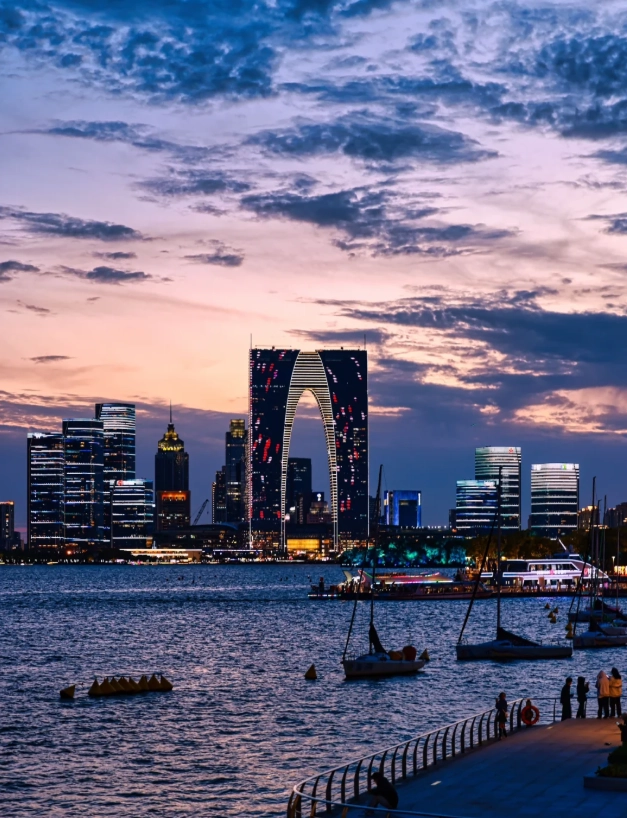
Payments
Forget relying on credit cards — China's digital wallet ecosystem rules. You'll need Alipay or WeChat Pay. The good news is that both now support foreign Visa and Mastercard. But to use them, you need to set up the app before you arrive. Link your card in the Alipay app and test a small payment to make sure the bank approves it. Still, keep a few hundred RMB in cash for emergencies — not all merchants are tech-savvy.
Navigation
Google Maps is mostly outdated in China. It shows wrong locations and doesn't link to public transit schedules. Instead, use Apple Maps (which uses Gaode data) or download AMap Global (the English version of Gaode). Not perfect, but infinitely better. For taxi rides, you'll need to show the driver the Chinese address — keep a list of your destinations in Chinese characters on your phone.
Reservations
Major attractions in Jiangsu now require real-name bookings with your passport. The official channels are often WeChat mini-programs in Chinese, which can be a headache. If you can't figure them out, use Trip.com or Klook to book passes in advance. Hotels also often help their guests with reservations — ask the receptionist to do it for you. That's the easiest fix.
Language & Network
A VPN is essential if you want to use Google, WhatsApp, or Facebook. Set it up before you land. Also, download a translation app like Apple Translate or Google Translate with offline packs. Basic Chinese phrases like “hello”, “thank you”, and “how much” go a long way. Most hotels have staff who speak basic English, but outside the tourist zones, don't expect English signage.
Getting Around
For train travel, download the official 12306 app or use Trip.com. The high-speed rail network connects Nanjing and Suzhou in about 1.5 hours, but remember trains are crowded on weekends. Within cities, the metro is efficient and cheap. Buying a transit card allows you to avoid the ticket machine queues; alternatively, you can pay with Alipay's “Transport” feature.
Safety
Jiangsu, and China overall, is remarkably safe. Violent crime is practically nonexistent. The biggest concerns are petty scams targeted at tourists, like the “lost student” trick near the Confucius Temple, or taxi drivers overcharging. Avoid street hustlers who “invite” you to tea ceremonies — they're scams. Stick to official taxis and rideshare apps (Didi) for reliability.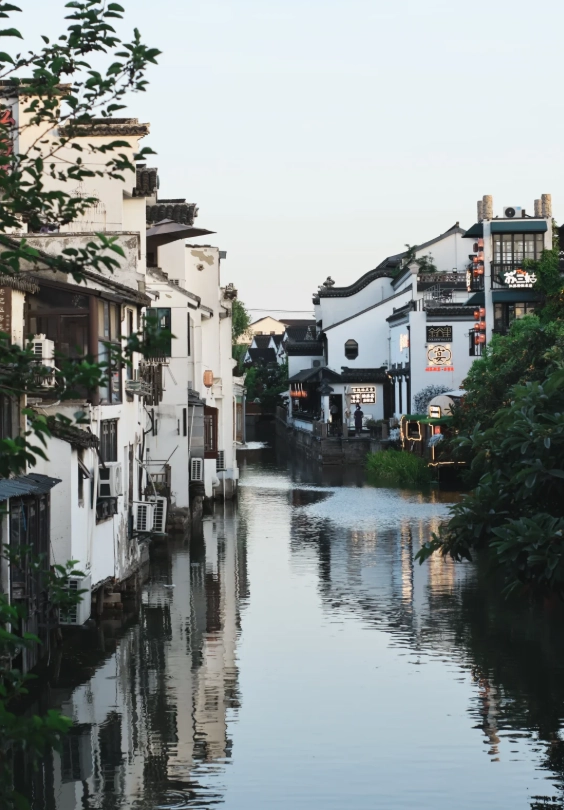





No comments yet.