 Fang Wang
Quick Bites: Your At-a-Glance Food Map
Yantai's food scene hits you like a ocean wave — salty, unapologetic, and unforgettable. In my nearly a decade of guiding tours across coastal China, I've seen tourists make one mistake again and again: they order only the famous Peking duck and dumplings from generic restaurants, completely missing what this city does best. What to eat in Yantai isn't just a list — it's a strategy.
Here's the hard truth: most English-language guides on Yantai food are outdated or copy-paste from mainland Chinese sources. You'll end up paying triple for mediocre dishes in a tourist trap. So I wrote this after personally eating my way through every nook of the city. You'll learn exactly what to order, where to find it without speaking Chinese, and how to avoid the digital payment nightmare that trips up even experienced travelers.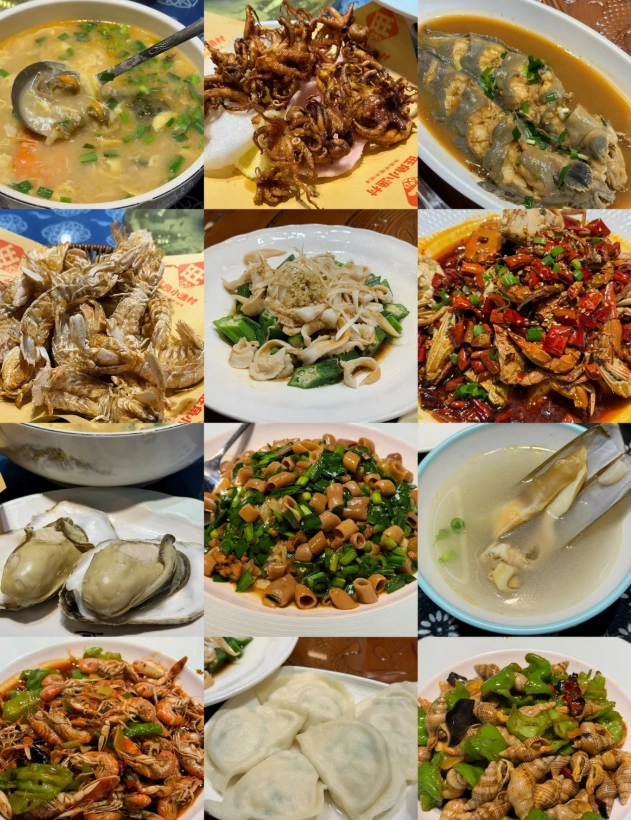
Why Yantai's Food Scene Is Different from the Rest of Shandong
Yantai, sitting on the Bohai Sea, has a food culture that's more about fresh, minimal seasoning compared to landlocked Shandong. The city's proximity to Korea and Japan brings subtle influences — you'll see pickled sides and raw fish in some local dishes. But the star is definitely the seafood. Unlike Qingdao, where everything is heavily marinated, Yantai chefs let the natural sweetness of the ocean shine. Also, this is the birthplace of Changyu, China's oldest wine company, so pairing a glass of local dry white with your oyster is a move locals love.
I've watched tourists order a huge bowl of spicy braised pork and miss out on the delicate sea urchin pancakes that appear only in the spring. That's why I'm giving you the real etiquette.
Must-Try Dishes in Yantai (and Where to Find Them)
These are the dishes you absolutely cannot leave without trying. I've listed them by (roughly) how often you'll encounter them on menus.
Jiajiu Dumplings (鲅鱼水饺)
These aren't your usual pork dumplings. Made with Spanish mackerel, the filling is buttery and light, often mixed with leeks and a bit of pork fat for juiciness. They're typically served in a broth, like a jumbo wonton. Look for restaurants that specialize in jiaozi — the menu will almost always have a mackerel version. My go-to is any place with a queue of locals around 7 p.m. Ask for 'jiā yú shuǐ jiǎo'.
Yantai Menzi (焖子)
This is a street food you won't find anywhere else in China. Made from sweet potato starch and cooked into a translucent jelly, it's cut into cubes and pan-fried with garlic, soybean paste, and scallions. The texture is chewy, almost like mochi, with a crispy outer shell. You'll find it at evening stalls on Nanhong Street. The smell of garlic is unmissable.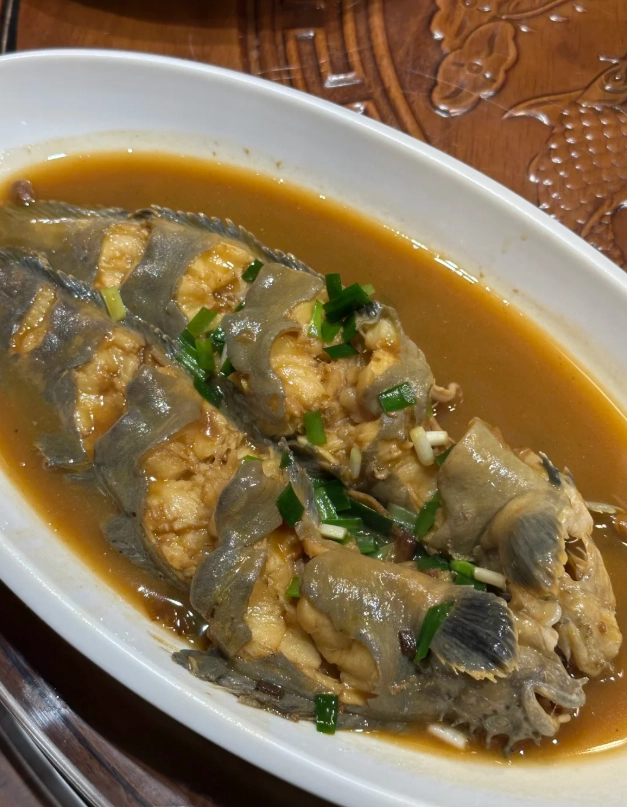
Penglai Noodles (蓬莱小面)
A mountain of umami in one bowl. These are ultra-thin noodles in a rich seafood bone broth, often topped with diced seaweed, shrimp, and pork. They're a breakfast staple, typically served with a fried egg. To add zero risk, just order that — 'péng lái xiǎo miàn'.
Sea Intestine Rice (海肠捞饭)
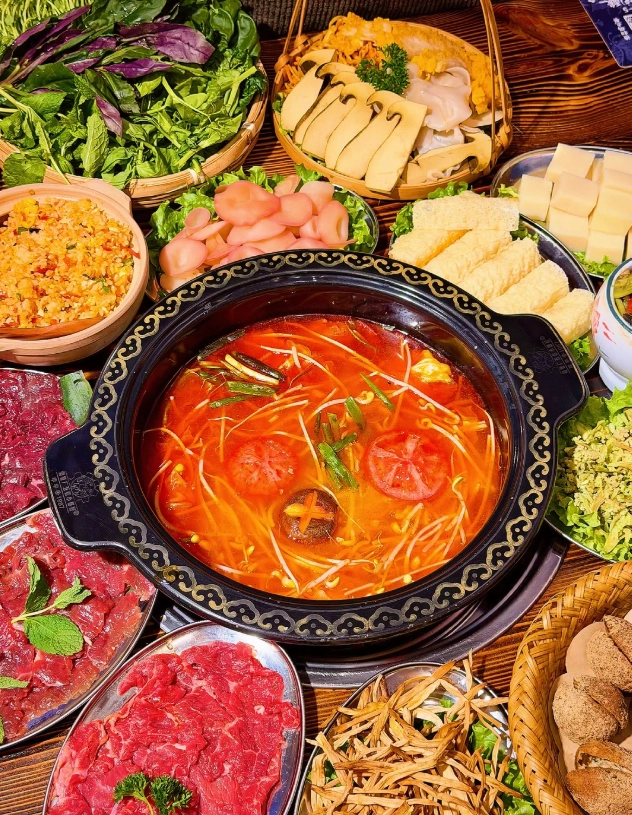
This might look weird — pale, tubular pieces over rice — but sea intestine (actually a kind of sea cucumber) delivers a crunchy texture with a soy-based sauce that's surprisingly mild. It's a luxury dish, so prices run higher. Find it in upscale seafood restaurants or hot pot places.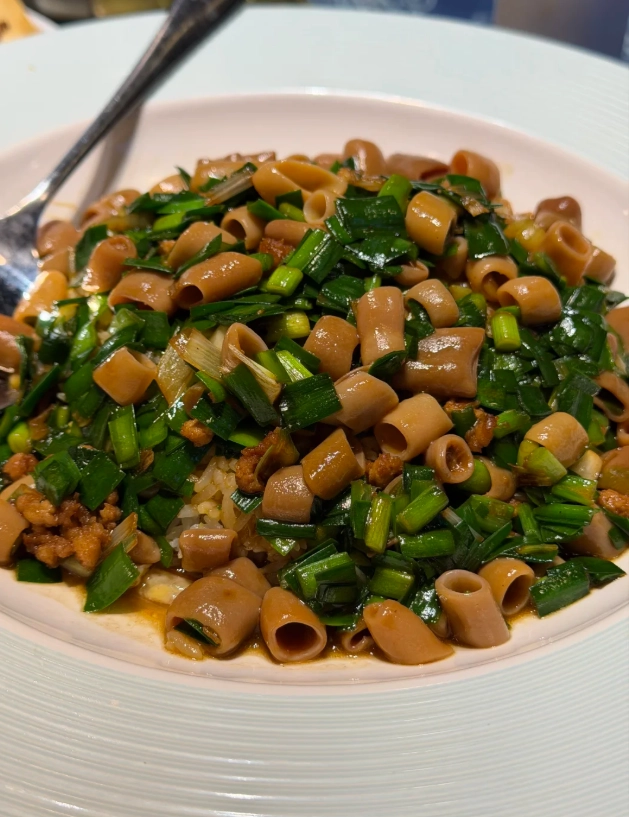
Grilled Oysters (烤生蚝)
Yantai's oysters are fat and creamy, unlike the briny ones from other regions. In summer, the streets are filled with charcoal grills. Choose a spot where you can see the oysters open in front of you. Squeeze lemon or add a dab of garlic sauce.
Smoked Sea Snails (熏海螺)
If you're adventurous, these are a local favorite. The snail is smoked and served cold with a mustard dip. It's chewy and earthier than you'd expect, but pairs beautifully with white wine.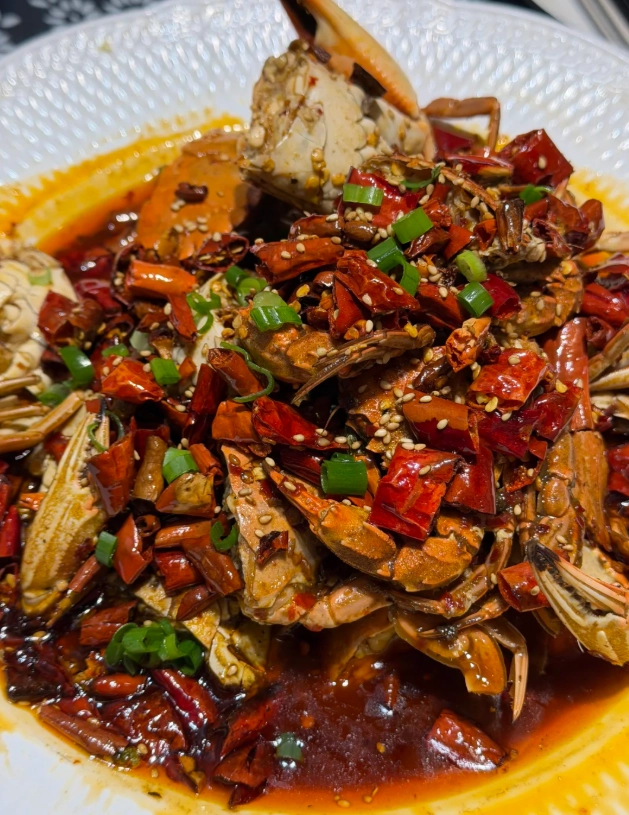
How to Order Like a Local in Yantai
The first and most important rule? Learn how to get the waiter's attention. In Chinese restaurants, you never shout 'weiter'. Instead, say 'lǎo bǎn' (boss) or make eye contact and raise your hand. For non-Chinese speakers, this is a game-changer.
Don't be afraid of the menu — most places have picture menus, especially in the tourist-friendly areas. But if you venture off the beaten path, you'll encounter a menu written entirely in Chinese. My trick: save the characters for your must-try dishes in your phone, then show them to the server.
Another insider tip: portions in Yantai are generous. One person ordering two dishes is typical, but three westerners could share three dishes and a noodle bowl. The Chinese style is to order family-style, so don't be shy to ask for half portions of something you're not sure about.
Pro Tip: Always check the price before you order seafood that's sold by weight. Some places have live fish tanks, and the price is per 500g. I once saw a tourist gasp when the bill arrived because he assumed the total was for the fish, not the per-gram price. So ask for the total upfront or point to the price on the tank.
Where to Go for the Freshest Seafood in Yantai
The freshest catch doesn't come from restaurants — it comes from the fish market. Yantai has a massive morning fish market at the port of Zhifu Island (芝罘岛), where fishers haul in their overnight catch. You'll see turbot, flounder, crabs, and sea cucumbers. Come at 7 a.m. and you can buy a whole fish for pennies.
Many locals then bring their seafood to an adjacent eatery that 'daidai' (代代) — cooks it for a small fee. These are usually small stalls with plastic tables. Don't expect English menus; just show your catch and say 'qǐng wǒ zuò' (please cook for me). It's a sustainable and delicious way to eat.
If you prefer a storefront, head to the area around Chaoyang Street (朝阳街). It's a restored historic street lined with seafood restaurants that cater to tourists but still serve good quality. The plus side: they accept international payment methods and often have English menus.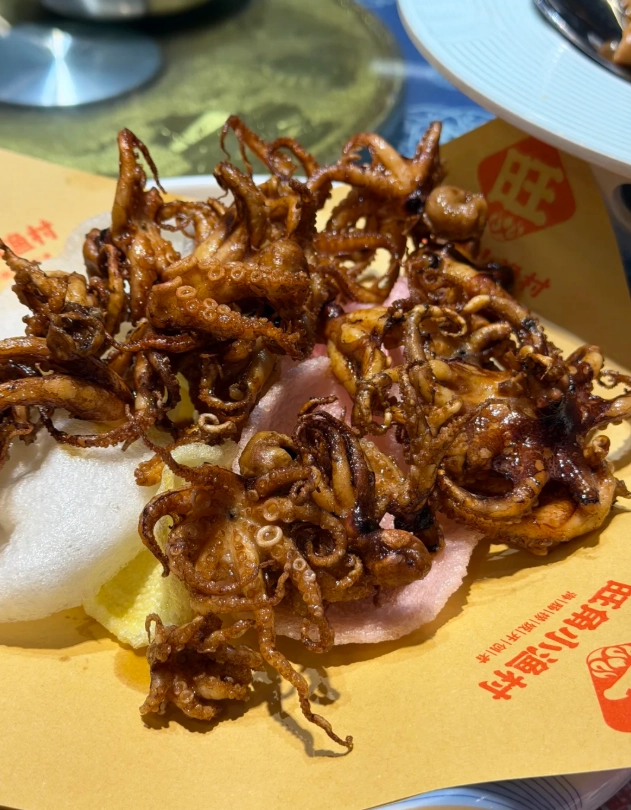
My 24-Hour Food Crawl in Yantai: A Sample Itinerary
I always design this route for clients who have only one day in Yantai. It's ambitious but doable.
| Time | Spot | What to Eat | Notes |
|---|---|---|---|
| 7:00–9:00 | Noodle shop near your hotel | Penglai small noodles | Ask your hotel for their favorite spot |
| 9:30–11:30 | Zhifu Island Fish Market | Fresh oysters, sea urchins | Go early; bring cash for vendors |
| 12:00–13:30 | Cooking stall near market | Your seafood catch | Cooking fee ~20-30 CNY |
| 14:00–17:00 | Yantai Mountain area | Yantai Menzi, street snacks | Best in the afternoon |
| 18:00–20:00 | Jiajiu restaurant near Chaoyang St | Mackerel dumplings | Picture menu available |
| 20:30+ | Local beer garden | Grilled oysters, beers | Great people-watching |
Times can shift based on market activity, but this gives you a framework. If you have extra energy, add a late-night bowl of wonton soup at any stall open past midnight.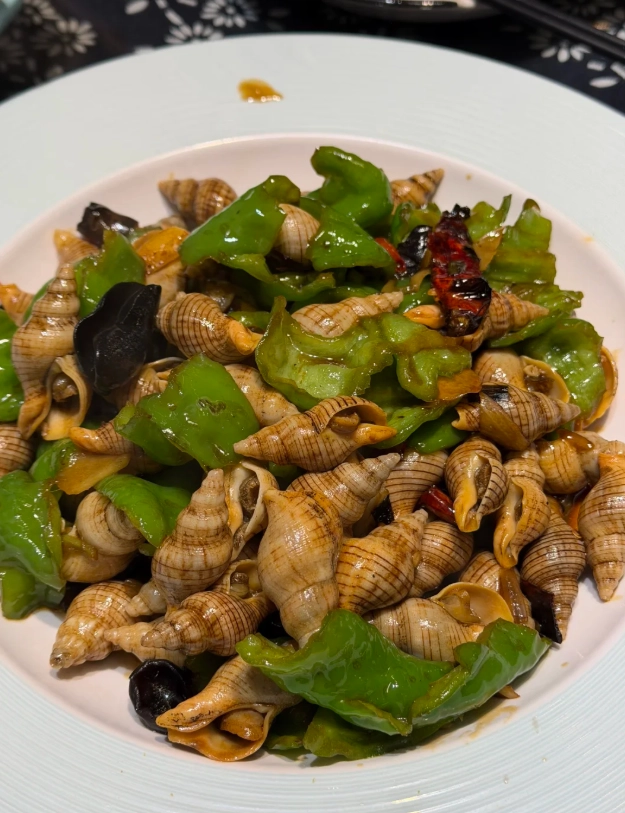
Practical Tips for Foreign Foodies in Yantai
Payment is your biggest hurdle. Many small vendors only accept WeChat Pay or Alipay. While these can be linked to international cards with the help of a Chinese friend, it's often easier to carry cash (small bills). Large restaurants and tourist stores accept international credit cards, but street stalls don't. My advice: get at least 500 CNY in small denominations.
Your phone is your lifeline. Google Maps doesn't work well in China. Download AMap (高德地图) and turn on the English interface. For translations, use Apple's built-in Translate or Baidu translate, and download offline packs for Chinese.
Email or VPN. Yes, China blocks many Western websites. Before you go, set up a VPN on your phone and laptop. Trust me, you'll need it for social media or just booking train tickets on China Railway (12306).
Booking is everything. Popular restaurants, especially in tourist areas, may require queuing via a WeChat mini-program. Even as a veteran, I find this confusing. If you walk into a place that's busy, ask for a helpful staff member and show them your translator — most will add your name to a physical list. Just be patient.
Watch for the 'tourist tax'. Some restaurants near attractions double their prices. I always tell my clients to walk one extra block inland from the waterfront — you'll get the same quality for half the price.
Lastly, always check the latest visa and entry rules on the National Immigration Administration website before you travel.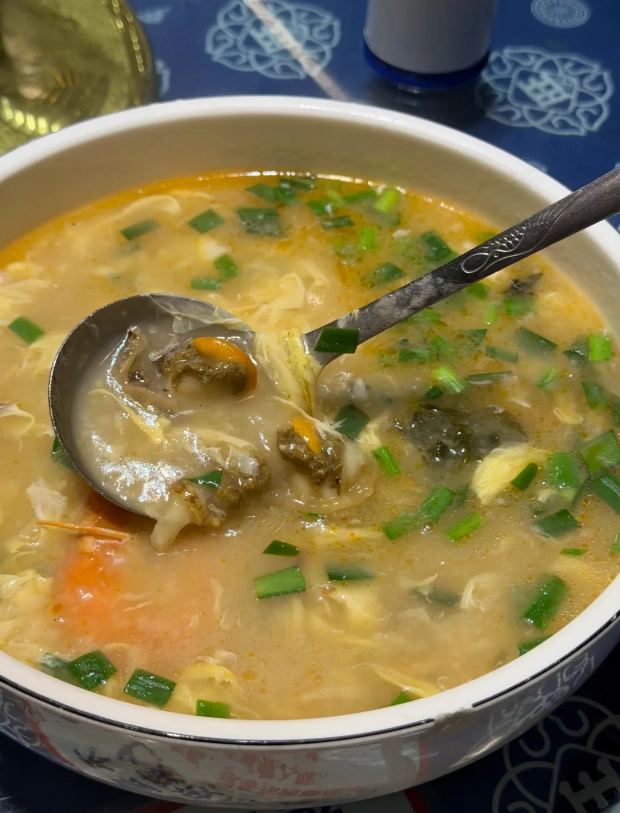
FAQ About Eating in Yantai
Verified and fact-checked by the editorial team.





No comments yet.