 Lei Li
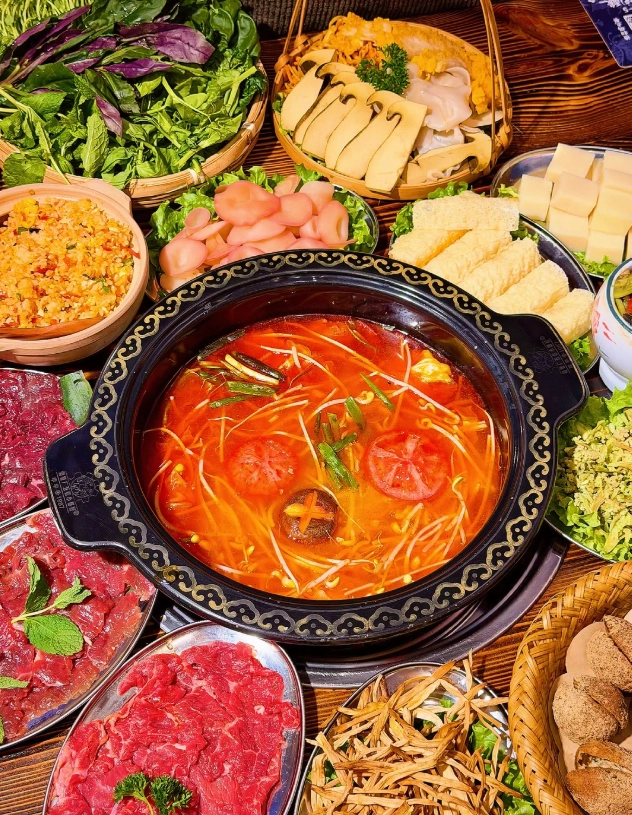
Steam hits your face. A bubbling cauldron of chili oil sits in the center of the table. Your chopsticks hover over a slice of lamb, waiting for the exact moment it turns pink. That's the Chinese hotpot experience — part dinner, part theater, part survival game.
But let's be honest: if you're new to this, it can be overwhelming. Between the dozens of broth options, the mysterious dipping sauce stations, and the unspoken rules about who cooks what, it's easy to feel lost. I've watched too many tourists stare at the menu like it's written in ancient code. This guide is here to change that.
I've been guiding travelers through China's food streets for over a decade. I've helped hundreds of first-timers master the hotpot. And I'm about to tell you everything — the good, the messy, and the deliciously spicy. Here's a quick map of what we'll cover.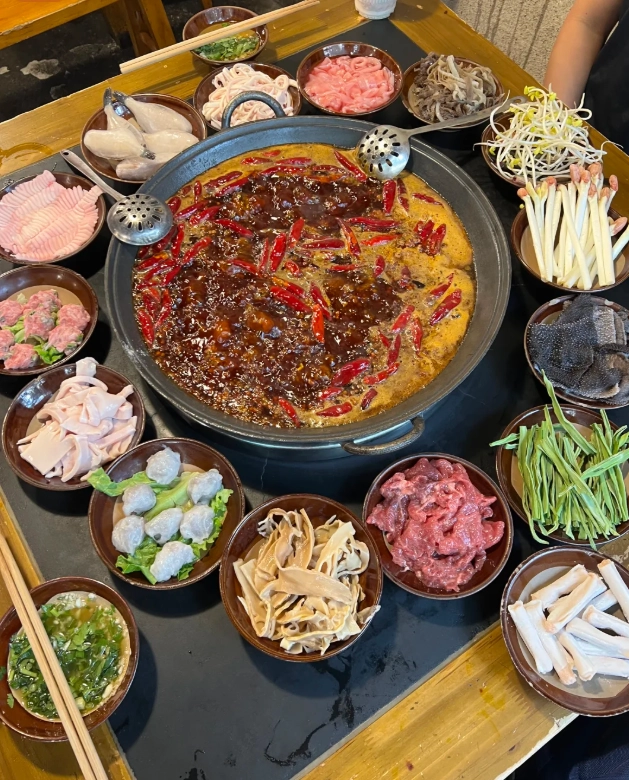
Inside This Guide
What Exactly Is Chinese Hotpot?
Hotpot, known as *huoguo* (火锅) in Mandarin, is a communal meal where you simmer raw ingredients in a bubbling pot of broth placed at the center of the table. It's not just a dish — it's an experience. Everyone cooks together, shares food, and socializes over a steaming cauldron. The broth is the soul, and the dipping sauce is the secret weapon.
The Anatomy of a Hotpot
The setup is simple: a pot of broth sits on a portable stove, surrounded by plates of raw meat, seafood, vegetables, mushrooms, tofu, and noodles. You use chopsticks (or a ladle) to plunge items into the broth, wait a few seconds to minutes depending on the ingredient, then fish them out and dip them into your personal sauce. The beauty is that everyone can customize their meal to their exact taste and pace.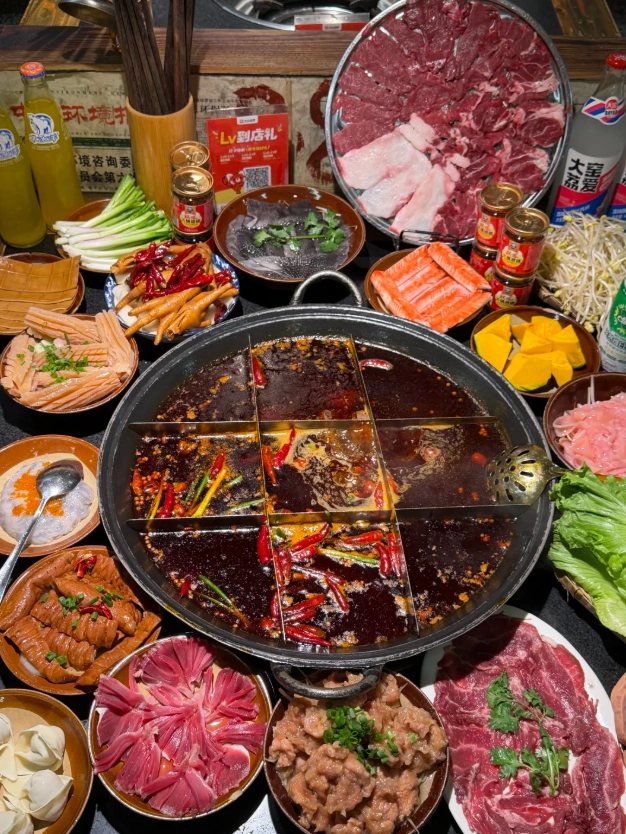
Broth Bases: From Mild to Wild
The broth determines everything. Most restaurants offer a choice of bases, often split into a half-and-half 'Yuanyang' pot (one spicy, one mild) for the cautious. Here's a breakdown of the most common broths you'll encounter:
| Broth Type | Spice Level | Flavor Profile | Best For | Region |
|---|---|---|---|---|
| Clear/Chicken Broth | None | Light, savory | First-timers, seafood | Nationwide |
| Tomato Broth | None | Sweet and tangy | Kids, tomato lovers | North |
| Mushroom Broth | None | Earthy, umami | Vegetarians | Yunnan |
| Sichuan Spicy (Mala) | High | Numbing, fiery, oily | Adventurous eaters | Chengdu |
| Chongqing Nine-Grid | Extreme | Intense, complex, aged oil | Hotpot purists | Chongqing |
| Beijing Shuan Yang | Mild | Savory, mutton-heavy | Mutton lovers | Beijing |
Pro Tip: Start with a half-and-half pot if you're unsure. You can always order a separate spicy mini-pot later, but you can't dial down the heat once it's too much.
How to Order a Hotpot Meal Like a Local
Ordering hotpot is easy once you know the sequence. These steps will make you look like a pro on your first night.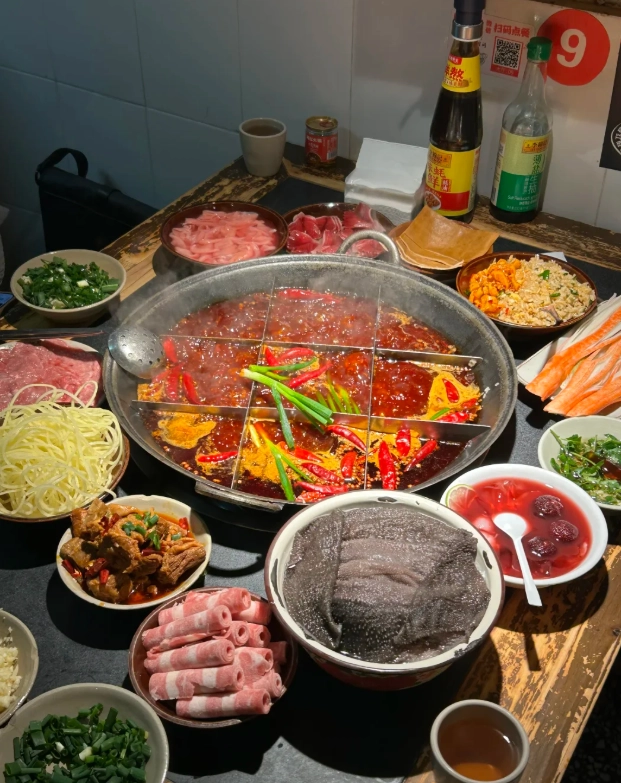
- Pick your broth — choose one or two flavors. If you want both spicy and mild, ask for 'Yuanyang' (鸳鸯锅).
- Choose your dipping sauce ingredients — most places have a self-serve station. I'll guide you below.
- Select your proteins and veggies — common picks include thinly sliced lamb or beef, shrimp, fish balls, lotus root, enoki mushrooms, and leafy greens. Order a few plates to share.
- Add staples — noodles, dumplings, or fried tofu skin are popular additions.
- Wait for it to boil — unlike Western cooking, here you're the chef. Cook each ingredient yourself.
Most menus have pictures, so pointing and gesturing works. But if you want to impress, learn a few Chinese words: *niurou* (beef), *yangrou* (lamb), *mushu* (mushroom), *doufu* (tofu), and *suan* (garlic).
The Art of Dipping Sauces
The sauce is where you personalize your hotpot experience. In most restaurants, you'll find a station stocked with sesame paste (zhima jiang), garlic, chopped scallions, cilantro, chili flakes, oil, soy sauce, vinegar, and more. The classic Northern combo is sesame paste mixed with fermented bean curd and cilantro. But the real magic happens when you create your own.
Two Classic Combinations
The 'Chengdu Special': Mix 2 tablespoons of sesame oil with 1 tablespoon of minced garlic, 1 teaspoon of salt, 1 teaspoon of MSG (yes, it's fine), and a dash of soy sauce. This cooling mixture lowers the heat of spicy broths.
The 'Northern Classic': Blend 3 tablespoons of sesame paste with 1 tablespoon of warm water, add fermented bean curd juice, chopped scallions, and a pinch of sugar. This creamy sauce pairs perfectly with lamb.
My personal rule: always add a spoonful of the broth from the pot into your sauce before dipping. It melts the flavors together.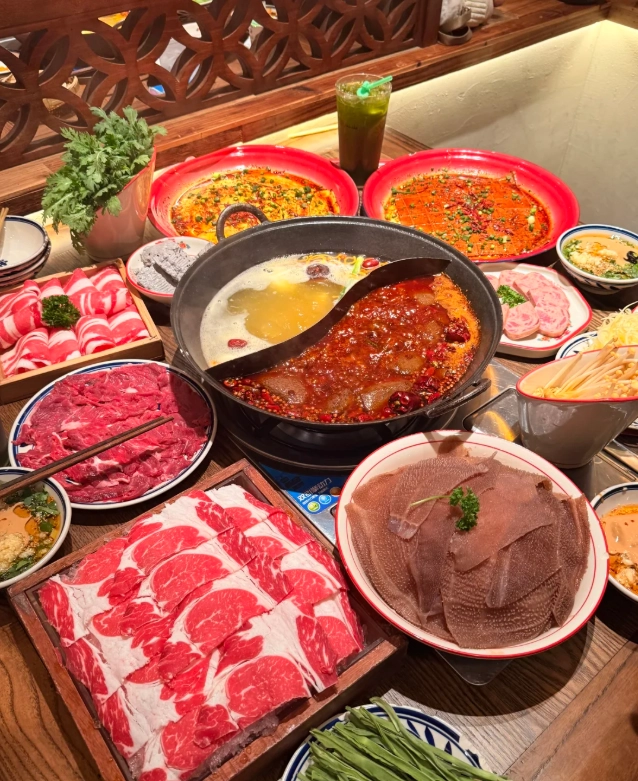
Hotpot Etiquette: Do's and Don'ts
Hotpot is a communal activity, and there are unspoken rules to avoid awkwardness. I've broken them down into simple do's and don'ts.
- Do use the serving chopsticks (often present) for raw food, not your personal ones.
- Don't move your own chopsticks into the pot for a long time hunting for one piece — everyone else is eating too.
- Do cook raw meat first, then veggies. This keeps the broth clean and safe.
- Don't dump all your raw ingredients at once — it cools the broth and makes it muddy.
- Do offer to fill others' cups. It's a sign of respect.
- Don't double-dip your sauce after you've taken a bite. Use a separate spoon if you must.
- Do let the elderly or guests take the first piece from a fresh batch.
Best Cities for an Authentic Hotpot Experience
Not all hotpot is the same. Each region has its own style and secret ingredients. Here are the three cities you should prioritize the most.
Chengdu — The Spicy Soul
Chengdu is the capital of Sichuan cuisine, and its hotpot is famous for the *mala* (numbing and spicy) sensation. The oil is infused with chili peppers, Sichuan peppercorns, and dozens of spices. The city itself is a food haven, and you'll find hotpot restaurants on every corner. My favorite spot is near Jinli Street — it's a bit touristy but still delicious. A meal costs around 80–150 RMB per person.
Chongqing — The Nine-Grid Pioneer
Chongqing is the birthplace of hotpot, and its signature is the nine-grid pot, which divides the broth into nine sections. The broth here is intensely spicy, with a deep, aged oil flavor that you won't find anywhere else. Don't be afraid to get lost in the backstreets — some of the best hotpot joints are hidden in older neighborhoods. Try the Nan Shan area, known for its hotpot clusters. Expect to pay 60–120 RMB per person.
Beijing — A Milder, More Regal Affair
Beijing's hotpot is called *shuan yangrou* (instant-boiled mutton). The broth is simple — often just water with a few scallions and ginger. The star is the hand-sliced mutton, which cooks in seconds and is dipped in a sesame paste sauce. It's a delicate, cleaner experience compared to the spicy southern versions. Try 'Donglaishun', a century-old chain. A meal sets you back around 100–150 RMB per person.
| City | Signature Style | Average Cost (per person) | Must-Try Ingredient |
|---|---|---|---|
| Chengdu | Mala spicy oil | 80–150 RMB | Lotus root |
| Chongqing | Nine-grid, ultra-spicy | 60–120 RMB | Pork intestines |
| Beijing | Mongolian-style mutton | 100–150 RMB | Hand-sliced lamb |
Insider Tips to Level Up Your Hotpot Game
These are the things I wish every tourist knew before stepping into a hotpot restaurant.
Avoid Tourist Traps
Steer clear of restaurants with hosts dragging you inside. These are often overpriced and mediocre. Instead, look for places packed with locals. My rule: if it's 6 PM and the queue is full of office workers, that's your spot. Also, avoid restaurants that force you to buy large combo sets. A la carte always gives you better quality for less money.
Deal with Payment and Reservations
Here's the deal: cash is rarely accepted, and international credit cards are useless. You must use WeChat Pay or Alipay. Link your international card to your Alipay account before you travel — it's straightforward. For reservations, many popular hotpot chains like Hai Di Lao allow booking via Trip.com or Klook. You'll need your passport number for the reservation. Also, download a translation app and a VPN — Google Translate works, but Apple Translate is more reliable offline. For navigation, forget Google Maps. Use Apple Maps or download AMap (高德地图) with the English interface.
My Personal 'Survival Kit' for Hotpot
Always order a pot of clear soup alongside the spicy one — even if you're a spice lover, you'll need a break. And never go on an empty stomach; eat a small snack beforehand. Also, bring a light jacket — the air conditioning is always on max in these places.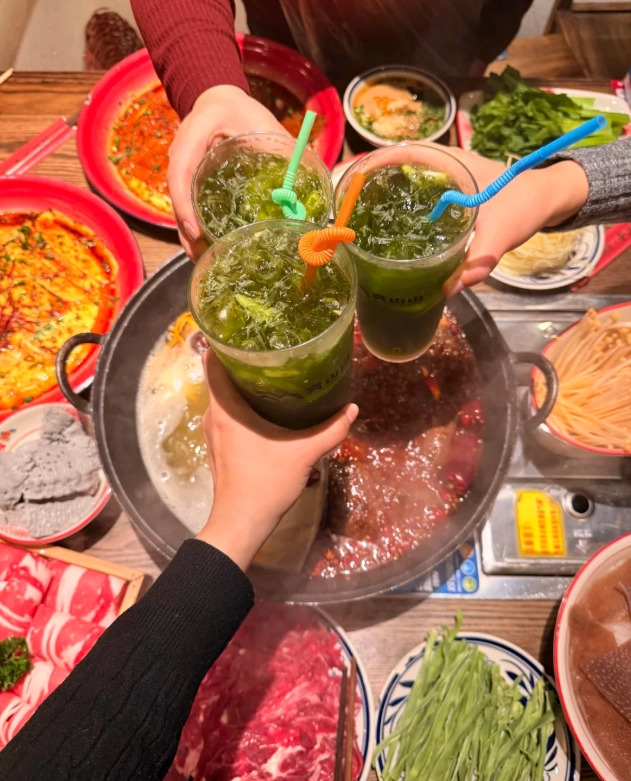
FAQ: Your Burning Hotpot Questions, Answered
Verified and fact-checked by the editorial team.





No comments yet.