 Hong Ma
What's Inside:
I've lost count of how many travelers I've seen staring at their phone, spinning around, completely lost in Kashgar's Old Town. It's not their fault. The map they have is only half the story. The other half is inside these walls — the hidden courtyards, the tea houses tucked behind bakeries, the shortcuts that don't appear on any app.
When you finally find a workable Kashgar Old Town map, make it your lifeline. But know this: even a good map won't save you from the chaos. The Old Town is a living labyrinth where street names change without notice, and alleys that look like shortcuts dead-end into someone's living room.
Here's the good news: you don't need to be a navigation genius. You just need the right tools and a few insider tricks. I've been leading tours here for years, and I've perfected the route that hits the best spots without triggering your 'lost' panic. Let me walk you through it.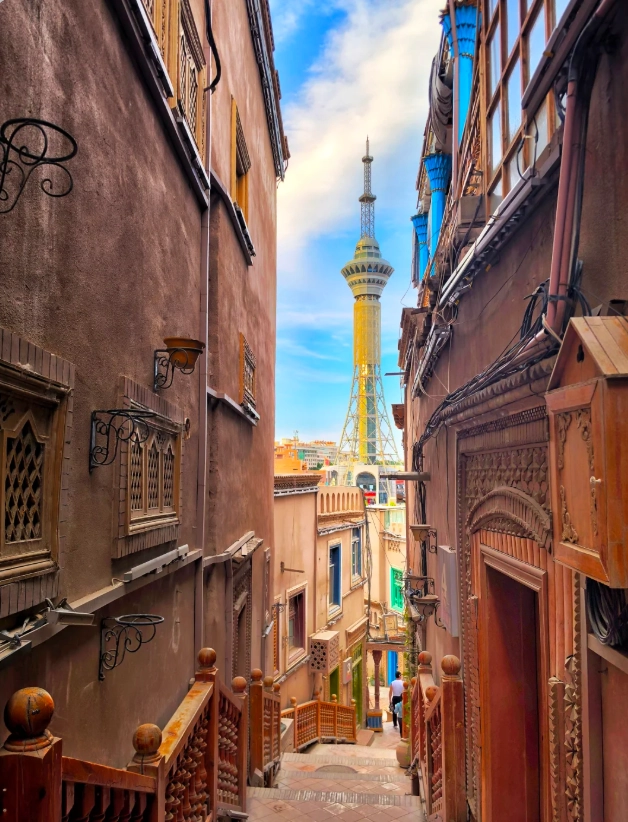
Why You Need a Map
Some travelers think they can wander aimlessly and discover things by chance. That works for an hour or two, but then you realize every alley looks the same. Doors, walls, even the smell of tandoori bread — it all blends together. A map gives you orientation so you can explore without the stress.
Also, a map helps you understand the logic of the Old Town. For example, the main north-south artery is called Jiefang Road, but locals rarely use that name. They just say 'the big street.' Knowing these patterns makes navigation feel less chaotic.
The Old Town Is a Maze — Maps Keep You Sane
The Old Town is a tangled web of alleys, dead ends, and hidden courtyards, but a reliable map turns confusion into curiosity. I always tell my clients to look at the map like a treasure hunt, not a city street plan. You'll find patterns once you start walking — like the main lanes tend to be wider and paved with new bricks, while the secret passageways are narrower and uneven.
Why Google Maps Fails Here
Google Maps might be your best friend anywhere else, but in Kashgar, it's practically useless. First, it lacks accurate data for many smaller lanes. Second, China's internet blocks Google services, so unless you have a VPN, it won't even load. Even with a VPN, the coordinate data is sometimes off by 10 meters, which is enough to walk you into a wall.
But there's a workaround: use a VPN and pre-download the area. Even with a VPN, you'll crash every now and then. My secret? I use a combination of Apple Maps (for the big picture) and a paper map from the local hotel.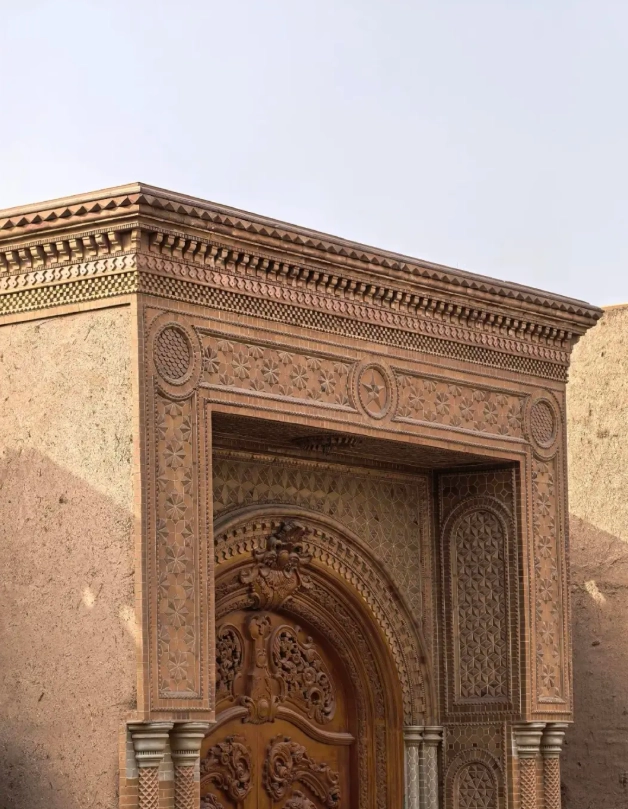
How to Get a Map That Works
The moment you land in Kashgar, you'll see what I mean about maps. Here's how to set yourself up for a stress-free visit.
Whether you're in a hotel or at a café, ask for a paper map. Many guesthouses offer free maps that are surprisingly accurate — sometimes better than digital ones because they're updated.
Offline Maps — Your Lifeline
Before you arrive, download an offline map of Kashgar on your phone. I recommend Maps.me or Organic Maps — they're free, use GPS without internet, and cover the Old Town pretty well. Plus, they don't require a VPN. Just make sure you download the full Kashgar city data while you still have Wi-Fi.
The Best Apps for Foreigners
For online navigation, AMap Global is your safest bet. It's the international version of China's leading map app, and it offers an English interface. You can search 'Kashgar Old Town' and it'll show you the main landmarks. The app is available on both iOS and Android, but remember to set up your account before arriving — some features require a Chinese phone number.
How to Ask Locals for Directions
Locals are your best map, but language can be a wall. Learn this phrase: 'Zai na li?' (Where is it?) and have a map showing the name of your destination in Chinese. Show it to locals, and they'll point you in the right direction. If you're really stuck, wave down a policeman — they're super helpful and often speak some Mandarin.
Map Mistakes to Avoid
Here are the biggest map mistakes I see travelers make: relying solely on one app, not downloading offline maps, and ignoring the signs on the ground. Also, don't trust the distances shown on a flat map — the Old Town's elevation changes and steps can add 20% more time to your walk. One mistake is trusting the map too much — sometimes a dead-end alley looks passable on paper. Another is not allowing buffer time for photo stops and unexpected chit-chat. And never walk with your eyes glued to your phone; you'll miss the beautiful details and might trip over a bump.
How to Get to Kashgar Old Town
Kashgar is remote but well connected. Here's how to get there.
By Air
Kashgar Airport is about 20 minutes by taxi from the Old Town. Flights from Urumqi take around 2 hours. Taxis are metered and cost around 50 yuan. Make sure you have cash or mobile payment ready. The airport is small, but you'll find a money exchange and ATM near arrivals.
By Train
Kashgar Railway Station is about 6 km from the Old Town. You can take a local bus toward the city center and get off at the Old Town stop — ask the driver. A taxi will cost about 20 yuan. The railway station is modern, but English signage is limited. Have your hotel name written in Chinese to show the taxi driver.
By Long-Distance Bus
If you're arriving from other parts of Xinjiang, the main bus station is well-connected. From there, a taxi to the Old Town is quick and cheap. Book your bus tickets in advance via the official China Bus site or at the station. Buses from surrounding towns like Hotan or Aksu are cheaper but slower. Expect rough seats and frequent stops.
When entering the Old Town, you'll need to show your passport at the security checkpoint.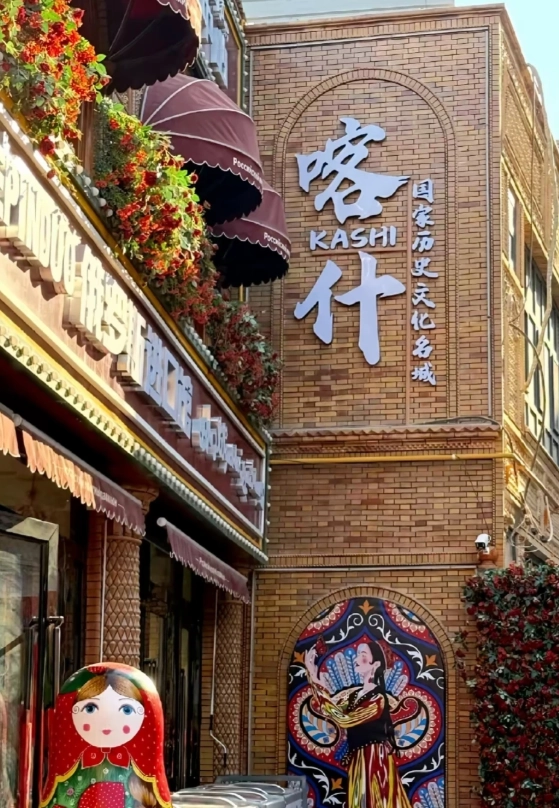
Key Landmarks to Pin
Before you set foot in the maze, open your map and pin these places. They're your anchors when you feel disoriented.
| Landmark | Why It Matters | Map Note |
|---|---|---|
| East Gate (East Entrance) | Main entry point, near the old city wall, where you'll find the ancient watchtower. | Show this to taxi drivers. |
| Id Kah Mosque | Largest mosque in Xinjiang, architectural highlight. | Located at the heart of the Old Town — easy to spot with its tall minaret. |
| Old Tea House | Great spot for a break, watch locals sing and drink tea. | Look for signs saying 'Century-old Tea House'. |
| Food Street | Evening food stalls — lamb skewers, naan, and local sweets. | Ask locals for the 'Night Market' area. |
Now, let me tell you a secret. The best landmarks aren't on most maps. Look for the blue doors — locals paint their doors blue to indicate a family that has made a pilgrimage to Mecca. These blue doors are scattered around and make great mental waypoints.
Another key spot is the Grand Bazaar, but it's more of a district than a single landmark. If you see a cluster of domed roofs on your map, you're probably near the bazaar.
What's the Best Walking Route?
Here's my go-to route for a first-timer — it hits the highlights and keeps you oriented. Total walking time is about 2 to 3 hours, depending on how often you stop for tea and photos.
- Start at the East Gate at around 10 a.m. — before tour groups arrive. The gate itself is a sight, with the renovated old city wall offering a great photo spot. Just inside, you'll find souvenir stalls, but I suggest waiting until you leave to buy — prices drop later.
- Walk straight along the main lane for 10 minutes until you see a small square with an old apricot tree. Turn right here and dive into the residential alleys. You'll see colorful doors, hand-painted tiles, and maybe a craftsman at work.
- Meander for about 30 minutes — don't try to follow a specific path. Just keep an eye on your map so you don't drift too far north. The alleys loop around, and you'll eventually pop out near the Id Kah Mosque.
- Stop for tea at the Old Tea House, which feels straight out of another century. Try their local chai and apricot jam — I always do.
- Visit the Id Kah Mosque (entrance fee applies). Non-Muslims can enter the courtyard but not the prayer hall. Be respectful of worship times.
- Exit through the West Gate, which is less crowded. If it's a Sunday, you'll find the famous Sunday Bazaar right outside.
If you have less time or the heat is getting to you, here's a shortcut: skip the residential meander and walk directly along the main road from East Gate to the mosque. It takes only 15 minutes but you'll miss the soul of the Old Town. I'd advise against that.
For a rainy day or extreme July heat, head to the Kashgar Museum instead — it's a clean, air-conditioned spot that doesn't appear on many tourist maps, but you can find it on AMap. Entry is free with your passport.
Pro Tip: The Old Town is most magical at golden hour, around 7 p.m. in summer. The light makes the brick walls glow and the crowds thin out. Plan your route so you're near the Food Street by then.
FAQ
Before I let you go, one last pro tip: don't rely on a single map. Combine a digital map for general orientation with a downloaded offline map for the tricky corners. And always know where the nearest main lane is — those are your escape routes.
This content has been fact-checked to ensure informational precision.







No comments yet.