 Chen Liu
Quick Guide to Save You Money
- What Makes Shenzhen a Budget Traveler's Dream?
- How to Get Around Shenzhen on a Shoestring?
- Top Free and Cheap Attractions in Shenzhen
- How to Eat Well in Shenzhen Without Spending Much?
- Where to Stay in Shenzhen on a Budget
- A Practical Shenzhen Budget Itinerary (3 Days)
- Extra Tips to Stretch Your Shenzhen Budget
You think Shenzhen is all malls and skyscrapers? Sure, it has plenty of both. But I've spent years guiding travelers through this city—and the truth is, you can have an amazing time here on a tight budget. In fact, I often tell my clients to budget around ¥300 a day, and they still come back with change. This Shenzhen budget travel guide is packed with the exact routes, prices, and tricks I use with my own groups. Stick with me, and you'll save money without missing what matters.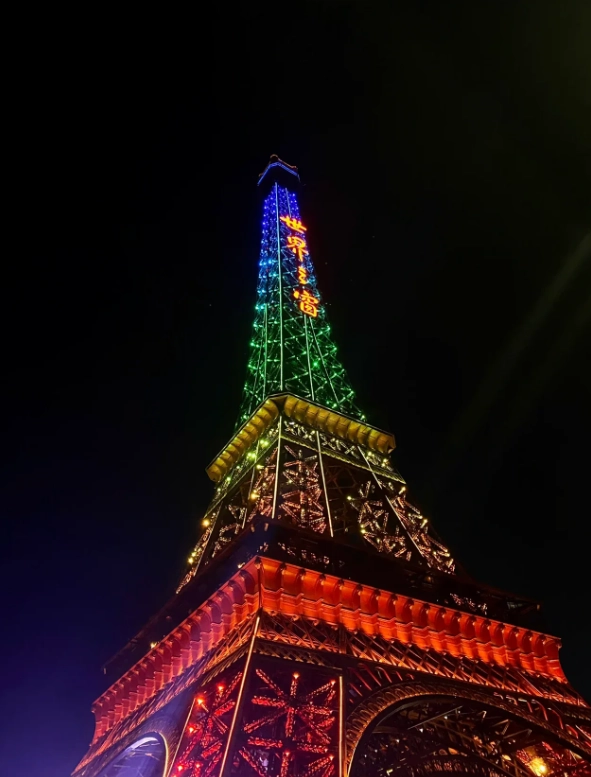
What Makes Shenzhen a Budget Traveler's Dream?
Unlike Beijing or Shanghai, Shenzhen's rapid development has created a city where the cost of living is still surprisingly low for travelers. You get a futuristic skyline, beautiful parks, and a vibrant food scene—all without the sky-high prices of other Chinese first-tier cities. Here's why I always recommend Shenzhen to budget-conscious explorers.
It's a City of Free Parks and Green Spaces
Shenzhen is packed with free natural attractions. I'm not talking about tiny neighborhood patches. I'm talking about sprawling parks like Lianhuashan Park and Shenzhen Bay Park that can easily fill half a day. No entrance fees, no ropes, just open space. My clients often can't believe these are free.
Cheap Food That's Actually Good
A bowl of noodles can cost less than ¥15. A full meal at a local eatery might set you back ¥30-40. Street food markets like Dongmen offer snacks for pocket change. I've had meals there that rival restaurants double the price.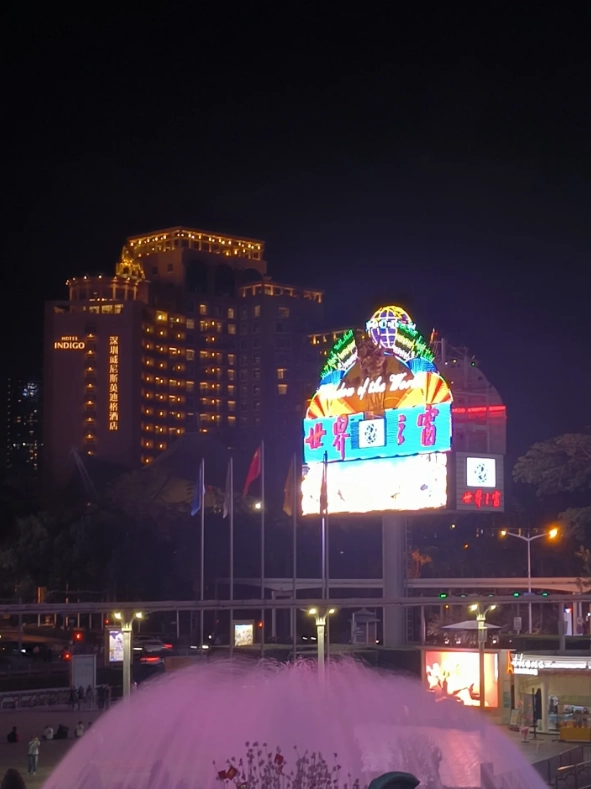
Accommodation Prices Are Still Reasonable
Unlike Hong Kong right next door, Shenzhen's hotel market is competitive. You can find a clean, private room in a good area for under ¥200 a night, and hostels for as low as ¥80 per bed. For a city this modern, that's a steal.
Transportation Is Dirt Cheap
Subway rides start at ¥2. A bus? Less than ¥2. Even a ride-hailing app won't break the bank if you're careful. I always tell travelers to use the metro as their main mode—it's efficient and budget-friendly.
How to Get Around Shenzhen on a Shoestring?
Getting around in Shenzhen is easier and cheaper than most foreign visitors expect. Here's my breakdown of the best ways to move.
Use the Subway Like a Local
With 15+ lines, the Shenzhen Metro is your best budget friend. Fares start at ¥2 and rarely exceed ¥10 for cross-city trips. You can pay with Alipay or WeChat Pay, but I recommend getting a physical Shenzhen Tong card if you plan to stay for more than two days. It works for subways and buses, and you can count on discounted transfers.
Don't have those payment apps? You can buy single tickets at station machines, but note that many machines accept only mobile payment or a Chinese bank card. Do yourself a favor and set up Alipay before arrival.
Buses: The Super Cheapest Option
City buses cost as little as ¥1.50 per ride. They're slower than the subway but cover areas the metro doesn't. I enjoy the routes through Shekou or Huaqiangbei when I'm not in a hurry. Pay with the same Shenzhen Tong card or your phone's QR code.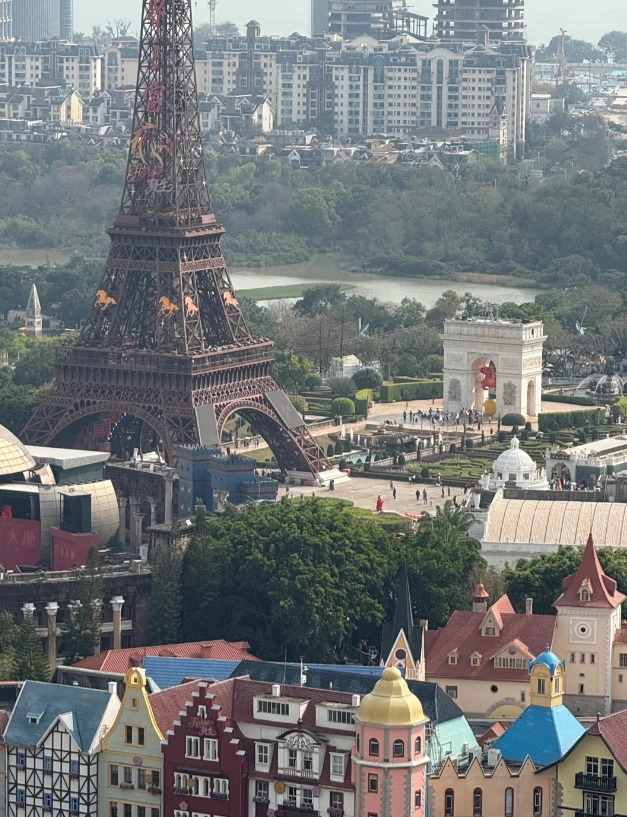
Bikes and Scooters
If you're traveling light, shared bikes like Meituan and Bluegogo are everywhere. Rentals cost about ¥1.50 per 30 minutes, and it's a fabulous way to explore the bayside paths. Just remember: you'll need a Chinese phone number for the apps—or ask your hotel to help you register.
Avoid Taxis During Peak Hours
Taxis are metered but can eat your budget in traffic. I always tell clients to avoid hailing cabs between 8-9 AM and 6-7 PM. If you must ride, use the Didi app for transparent pricing. An average short ride might cost ¥15-25, so it's not terrible, but it adds up.
Here's a quick cost comparison table based on my experience.
| Transport | Typical Cost | Best For |
|---|---|---|
| Subway | ¥2-10 per ride | Efficiency, long distances |
| Bus | ¥1.50-4 | Budget, local experience |
| Shared Bike | ¥1.50/30 min | Short hops, sightseeing |
| Taxi/Didi | ¥15-40 | Late night, heavy luggage |
Top Free and Cheap Attractions in Shenzhen
I'm often surprised by how many of Shenzhen's must-sees are completely free. Here are my picks for the best budget-friendly attractions, with practical details.
Lianhuashan Park
Lianhuashan Park is a local favorite for sunset shots. Entrance is free, open 6 AM to 11 PM, and it's right next to the Civic Center. From the top hill, you get a postcard view of the skyline. I always bring clients here for the golden hour—no tickets required.
- Address: 6030 Wuyi Road, Futian District (福田区红荔路6030号)
- Metro: Lianhuacun Station, Exit B1 – 5-minute walk
- Suggested time: 1-1.5 hours
Pro tip: Bring water. There are few vendors inside, and prices at the base are cheaper.
Shenzhen Bay Park
This coastal park stretches over 15 kilometers and is 100% free forever. It's perfect for a morning jog or an afternoon cycling with the sea breeze. The view of Hong Kong across the water is surreal. Don't miss the small mangrove boardwalk at the west end.
- Address: Shenzhen Bay Park, Nanshan District (南山区深圳湾公园)
- Metro: Shenzhen Bay Park Station, Exit A – right at the entrance
- Suggested time: 2+ hours
Pro tip: Rent a shared bike near the entrance to cover more ground.
OCT Loft – Creative Culture Village
OCT Loft is a former industrial area turned art hub, free to wander. You'll find galleries, indie shops, and cafés in repurposed warehouses. Photography lovers will lose their minds here. Entrance to the main area is free, though some special exhibitions charge a fee.
- Address: Enping Road, Nanshan District (南山区恩平路华侨城创意文化园)
- Metro: Qiaocheng East Station, Exit B – 10-minute walk
- Suggested time: Half a day
Pro tip: Weekends get busy. Go on a weekday morning for the quietest experience.
Dafen Oil Painting Village
Dafen is a quirky village where hundreds of artists sell oil paintings. It's a brilliant place to buy a cheap souvenir (haggling starts at ¥50) or just watch painters at work. The main streets are free, and you can even commission a custom portrait for around ¥200-300.
- Address: Dafen Village, Longgang District (龙岗区大芬村)
- Metro: Dafen Station, Exit A – 3-minute walk
- Suggested time: 1-2 hours
Pro tip: Bring cash—most artists won't accept card, and mobile payment is hit or miss.
Window of the World (only if you have money to burn)
Look, I'm all for budget travel, but Window of the World charges ¥220 for a ticket. It's impressive but not a steal. I'd skip it unless you're really into miniature landmarks. Instead, walk the area around it—the free “Overseas Chinese Town” area is much more authentic.
How to Eat Well in Shenzhen Without Spending Much?
Food is where Shenzhen really shines for budget travelers. You don't need fancy restaurants—the best eats are on the streets and in local food courts. Here's where I take my groups.
Dongmen Old Street Food Market
Dongmen is a chaotic, wonderful food bazaar that feeds crowds all day. You'll find skewers, crepes, dumplings, and fresh fruit stalls. Prices range from ¥5 to ¥20 per item. My personal ritual: a plate of dumplings and a sugarcane juice, all under ¥25.
- Address: Dongmen Old Street, Luohu District (罗湖区东门老街)
- Metro: Laojie Station, Exit A – 2-minute walk
- Hours: 10 AM-11 PM daily
Pro tip: Look for stalls with long lines—that's where the locals are eating.
Huaqiangbei Snack Street
Huaqiangbei isn't just for electronics; its night snack street is budget heaven. Try the stinky tofu (yes, it's pungent, but delicious) and the BBQ skewers. A full snack crawl can cost under ¥40, and you'll be stuffed.
- Address: Huaqiangbei, Futian District (福田区华强北)
- Metro: Huaqiangbei Station, Exit B – at the street
- Hours: 5 PM-midnight
Pro tip: Go with a friend to share and try more dishes.
Shekou Sea World Food Street
Shekou has a waterfront food street with international options too, but stick to the local stalls. The Turkish kebabs and Vietnamese pho are cheap and a nice change from Chinese food. Budget around ¥50 for a hearty meal.
- Address: Sea World Square, Shekou, Nanshan District (南山区蛇口海上世界)
- Metro: Sea World Station, Exit C – 3-minute walk
- Hours: 10 AM-11 PM
Pro tip: The area is touristy, but prices stay reasonable compared to nearby malls.
24-Hour Convenience Stores
For emergency meals, hit FamilyMart or Lawson. A microwaveable rice bowl costs ¥8-15, and there's always a freezer for drinks. They accept Alipay or cash, but rarely foreign cards. I always tell clients to keep some cash handy for these shops.
Where to Stay in Shenzhen on a Budget
Finding a cheap bed in Shenzhen is easy if you know where to look. Here's my comparison of budget-friendly options.
| Type | Price Range (per night) | Best For | Examples |
|---|---|---|---|
| Hostel Dorm | ¥80-100 | Solo travelers, backpackers | Bunch of Hostels, Shenzhen Sail Inn |
| Economy Hotel Chain | ¥150-250 | Comfort seekers, couples | 7 Days Inn, Home Inns, Hanting |
| Budget Hotel (local) | ¥120-180 | Families, long stays | Various on Meituan/Airbnb |
Where to Book
I always use Trip.com for hotels in China because it's in English and reliable. It also offers good discounts. For hostels, Hostelworld works fine, but you'll find better rates if you search in Chinese on Meituan—ask a local friend to help you book if you can.
Best Areas for Budget Travelers
- Luohu District – Close to the Hong Kong border, easy access to metro, plenty of cheap guesthouses.
- Futian District – Central, modern, with budget chains near the metro.
- Nanshan District – Near attractions like OCT Loft and Shenzhen Bay, costs a bit more but still affordable.
- Longgang District – Far from the center but very cheap; good if you're on a super tight budget and don't mind commuting.
A Practical Shenzhen Budget Itinerary (3 Days)
Here's a sample plan I often recommend for first-timers. It assumes you start around 9 AM and uses public transport.
Day 1: Futian Essentials
Morning – Lianhuashan Park to see the skyline. Follow the walking path to the top for panoramic views. From the park, walk south to the Civic Center Plaza for cool architecture. Lunch at the nearby CoCo Park food court (plates around ¥30). Afternoon – Shenzhen Museum (free) to understand the city's history. Evening – Huaqiangbei Snack Street for street food dinner.
Transport: all within walking distance or 1-2 metro stops. Total budget: ¥50 for food + ¥10 transport.
Day 2: Coastal Vibes in Shekou
Morning – Shenzhen Bay Park for a long walk or bike ride. Grab breakfast at a local congee shop in Shekou. Midday – Sea World, where you can see the huge ship-shaped building and the water features. Afternoon – OCT Loft for art and culture. Evening – Shekou Food Street for an affordable seafood meal.
Transport: metro lines 2 and 11. Total budget: ¥80 including food and transport.
Day 3: Local Culture and Shopping
Morning – Dafen Oil Painting Village to see artists at work. Pick up a small piece of art as a souvenir. Afternoon – Dongmen Old Street for cheap clothes and sweets. Try the famous egg puff. Evening – take the metro back and grab a final cheap dinner at a night market near your hotel.
Transport: metro lines 3, 1. Total budget: ¥70 for food, plus optional art souvenir.
Extra Tips to Stretch Your Shenzhen Budget
Set Up Alipay and WeChat Pay Before You Arrive
Almost every place in Shenzhen—from metro stations to the smallest tea stall—accepts mobile payment. I cannot stress this enough: download Alipay and link your international card before you land. WeChat Pay is also essential. This will save you from begging for change at noodle shops.
Get a VPN and Translation Apps
Google Maps, Gmail, and many other services are blocked in China without a VPN. Install a reliable VPN before you fly. For navigation, I use Apple Maps (works in China) or the offline map app 'AMap Global'. For translations, Apple Translate works offline; I always keep it ready.
Book Attractions in Advance with Your Passport
Most museums and paid sights require advance booking with your passport number. Avoid the hassle by using platforms like Trip.com or Klook—they have English interfaces and can secure tickets for you. Even free museums often need a reservation, so check the official website or get your hotel to help.
Avoid Tourist-Trap Restaurants
Restaurants near major attractions often hike up prices. I always walk two streets back to find the locals' places. Use the app Dianping (in Chinese) to find highly rated spots. Ask your hotel for recommendations or use Trip.com's food section.
Carry Some Cash
While mobile payment is everywhere, some street vendors still only take cash. Keep ¥200-300 in small bills for emergencies. Most ATMs at major banks like ICBC and Bank of China accept international cards.
Frequently Asked Questions
Verified and fact-checked by the editorial team.






No comments yet.