 Ming Yang
Confession: My first trip to Shangri-La was a mess. I booked tickets at the wrong gate, got sunburned at the monastery, and almost missed the last bus out of Pudacuo. But after years of guiding travelers here, I've learned exactly what makes a smart Shangri-La itinerary. This guide is my take on the must-see spots in Shangri-La — the ones that truly reward your time.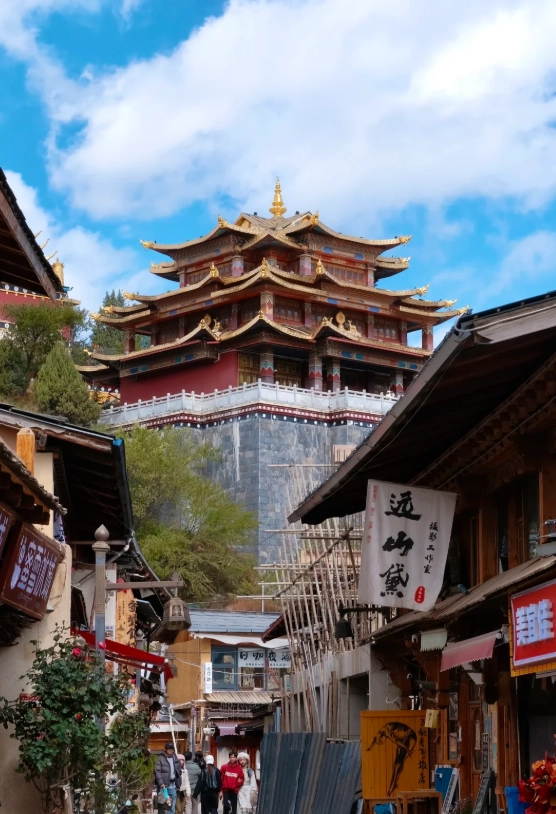
Before You Go: What Every Shangri-La Traveler Needs to Know
Payments, Apps, and Connectivity
Alipay and WeChat Pay are the only reliable ways to pay in Shangri-La. Most ticket counters, small eateries, and even taxis expect you to scan a QR code. Cash is rarely accepted outside of major hotels. International credit cards often fail at small merchants. So before you arrive, set up Alipay and link your foreign card — I recommend bringing a backup card and some cash in case.
Another thing: Google Maps is useless here. It frequently shows wrong locations or missing roads. Download Apple Maps if you're on iPhone, or use Amap Global (高德地图) which has an English interface. For driver directions, I always tell clients to use Amap — it's what local taxi drivers use.
You'll also need a VPN (like ExpressVPN or NordVPN) to access Google services and many Western sites. A translation app like Apple Translate or Baidu Translate is handy for menus and signs. And download offline maps for the towns you'll visit — you'll thank me later.
Getting Around
The old town is small enough to walk, but for sights outside town, Didi (China's Uber) is your best friend. The app works with Alipay and has an English version. Fares are cheap — a ride from the old town to Songzanlin costs about 10–15 RMB. Local buses also run to Pudacuo National Park and Napa Lake, but they're infrequent, so I'd only use them if you're on a tight budget.
Booking Tickets and Reservations
Most major attractions require real-name reservation with your passport. You can often book through the scenic area's official WeChat mini-program, but that's a pain if you don't read Chinese. Instead, use Trip.com or Klook — they sell official entrance tickets for Songzanlin, Pudacuo, and Shika Snow Mountain. You'll get a QR code to scan at the gate. If you're struggling, ask your hotel reception to help — they're used to it.
Pro Tip: If you book your ticket for the first time slot in the morning, you'll often have the place almost to yourself for an hour.
Where to Stay
Stay in Dukezong Ancient Town for atmosphere, or on Jixiang Road for convenience. The old town has guesthouses with Tibetan decor and close access to everything, but rooms can be dark and stairs steep. I usually book a place near the south gate to avoid hauling luggage over cobblestones. Check if the hotel has heating — nights get cold, even in summer.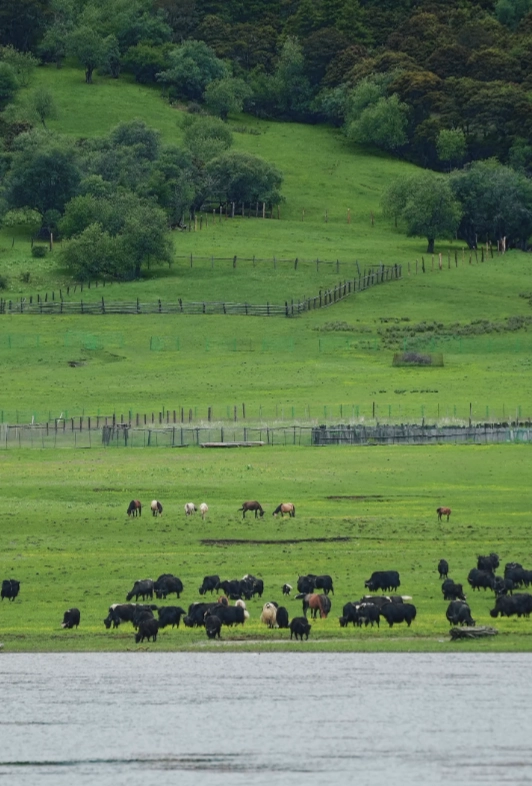
Top 7 Must-See Attractions in Shangri-La
After many trips, here are the seven sights I always tell friends and clients to prioritize. They cover nature, culture, and that dreamy Tibetan atmosphere you came for.
| Attraction | Ticket Price (approx.) | Getting There | Best Time to Visit | Time Needed |
|---|---|---|---|---|
| Songzanlin Monastery | 90 RMB (incl. shuttle) | 10-min taxi from old town | Morning before 10am | 2 hours |
| Dukezong Ancient Town | Free | Walkable | Evening | 2–3 hours |
| Pudacuo National Park | 130 RMB (incl. shuttle) | 30–40 min taxi or bus | 8–9am | Half day |
| Napa Lake | Free | 30-min taxi or bike | Afternoon | 2–3 hours |
| Shika Snow Mountain | 180–220 RMB (incl. cableway) | 20-min taxi | Morning | Half day |
| Tiger Leaping Gorge | 45 RMB | 1.5-hr bus or car | Oct–May | Full day |
| Meili Snow Mountain | 150 RMB (viewing platform) | 4–5 hr bus or car | Early morning for sunrise | Overnight |
Prices are approximate and change frequently. Always verify on the official platform or through Trip.com before you go.
1. Songzanlin Monastery — The Little Potala Palace
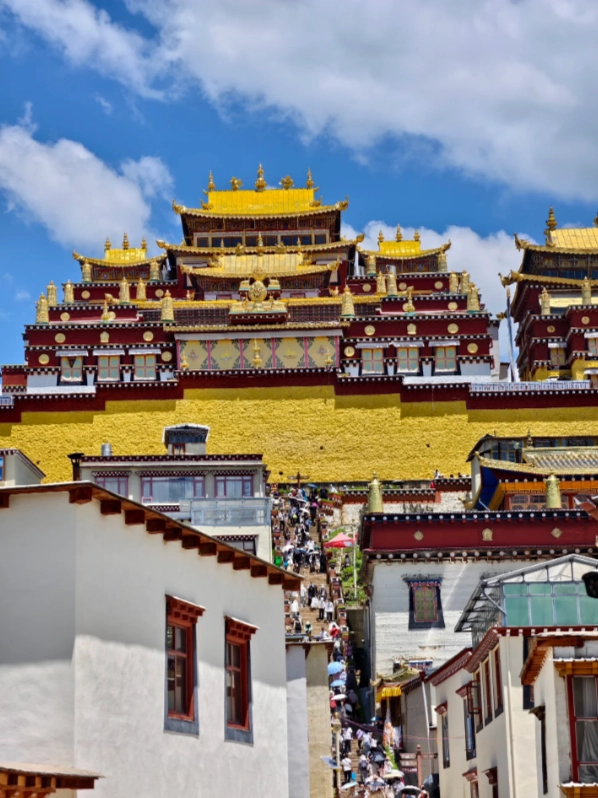
This is the largest Tibetan monastery in Yunnan and the region's spiritual heart. Built in the 17th century, its golden roofs and whitewashed halls will make you feel like you've stepped into a postcard. The shuttle bus carries you up from the ticket office — you'll walk down through the complex, which is easier on your lungs at this altitude.
Address: No. 3 Niwang Road, Shangri-La. Google Maps puts it on the map, but if you're using Amap, search 松赞林寺.
I always tell my groups to go before 10am. The light is soft, and the tour buses haven't arrived. By 11am, the narrow corridors are shoulder-to-shoulder. Budget about two hours. The climb to the main hall is steep but doable — go slow and keep water handy.
Insider Advice: After the monastery, check out the nearby Ringha Hot Springs if you need a break — but call ahead to see if they're open, as hours vary.
2. Dukezong Ancient Town — A Free Stroll Through Tibetan History
This 1,300-year-old town is one of the best-preserved Tibetan settlements in China, and it's completely free to wander. The old streets are packed with wooden shops, prayer flags, and the massive Grand Prayer Wheel on the hilltop. Sunset is magical here — the warm light hits the white pagodas and the incense smoke rises.
The town is walkable from most hotels in Shangri-La. Take the stone staircases up to the prayer wheel — it's a workout but worth it. I prefer visiting on weekdays; weekends draw local tourists.
For food, look for a momo (Tibetan dumpling) stall. The butter tea is an acquired taste, but the momos with yak meat are fantastic.
3. Pudacuo National Park — Lakes, Forests, and High-Altitude Serenity
This park is Shangri-La's crown jewel — think jade-green lakes, pine forests, and meadows dotted with grazing yaks. It's large, so a shuttle bus takes you between Shudu Lake and Bita Lake. The total loop takes about half a day, including stops.
Getting there: Taxis from the old town cost around 50–60 RMB. A simpler option is the tourist bus from the Shangri-La Bus Station — ask for Pudacuo and it leaves every hour in the morning. You must reserve your ticket with your passport — I recommend booking on Trip.com to skip the line.
Altitude alert: The park sits at about 3,500 meters. If you're prone to altitude sickness, grab a small oxygen canister at a local pharmacy before you go. And don't try to walk too fast — trust me, I've seen plenty of visitors turn pale trying to run between viewpoints.
4. Napa Lake (Napa Hai) — A Wetland That Changes With the Seasons
This seasonal lake is actually a wetland — in summer it fills with water, in winter it becomes grassland and a haven for migratory birds. It's free to enter, and the best way to experience it is to rent a bicycle or e-bike from the old town and cycle the flat road around the perimeter. The views of the surrounding mountains are stunning.
It's about a 20-30 minute bike ride from the old town. You can also hire a taxi and stop for photos. I recommend going in the late afternoon when the light gets golden and the crowds have thinned.
One warning: Don't try to walk onto the wetland when it looks dry — you can sink into the mud. Stay on the paved paths.
5. Shika Snow Mountain — A Cableway Up to 4,500 Meters
If you want panoramic views of Shangri-La and the surrounding Himalaya, this is the closest you'll get without a multi-day trek. A gondola takes you up to the summit area in two stages. From the top, you can see the old town, Napa Lake, and on clear days, the entire mountain range.
The cableway is pricey (around 200 RMB round trip) but worth it for the scenery. Go early — the ticket line can stretch past an hour by 10am. Dress warmly; it's cold and windy up top, even in summer.
Skip it if you're short on time or budget — the views from Napa Lake are free. But for first-timers, the novelty of riding a cable car over a snow mountain is unbeatable.
6. Tiger Leaping Gorge — A Hiker's Paradise
One of the deepest gorges in the world — the Jinsha River carves through the mountains with a roar you won't forget. It's about 1.5 to 2 hours from Shangri-La by bus or car. You can do the full-day trail or a shorter stroll to the famous Tiger Leaping Stone viewpoint.
Tickets are around 45 RMB. The upper trail is narrow and steep, so wear sturdy shoes. I usually tell travelers to allow at least 4-5 hours if they want to hike a good portion. If you're not a hiker, you can still see the gorge from the scenic viewpoints near the entrance.
Note: The gorge can get muddy after rain, so check the weather before you go. And carry water — there are few vendors on the trail.
7. Meili Snow Mountain — The Province's Most Sacred Peak
This is not a quick stop — it's a pilgrimage. Meili Snow Mountain, located in Deqin County about 4-5 hours from Shangri-La, is one of the holiest peaks in Tibetan Buddhism. Mount Kawa Karpo, its main peak, has never been climbed. The epic sunrise over the golden summit from Feilaisi Viewing Platform is an experience you'll remember forever.
You'll need at least two days to get there and back, or overnight in Deqin. Bust from Shangri-La bus station to Deqin costs about 60 RMB and takes 4-5 hours. The viewing platform ticket is about 150 RMB. I recommend arriving in the afternoon, staying overnight in Feilaisi, and being in position by 7am for sunrise.
Weather is fickle — you might see clearing clouds or nothing at all. Have a backup plan like trekking around the nearby Mingyong Glacier.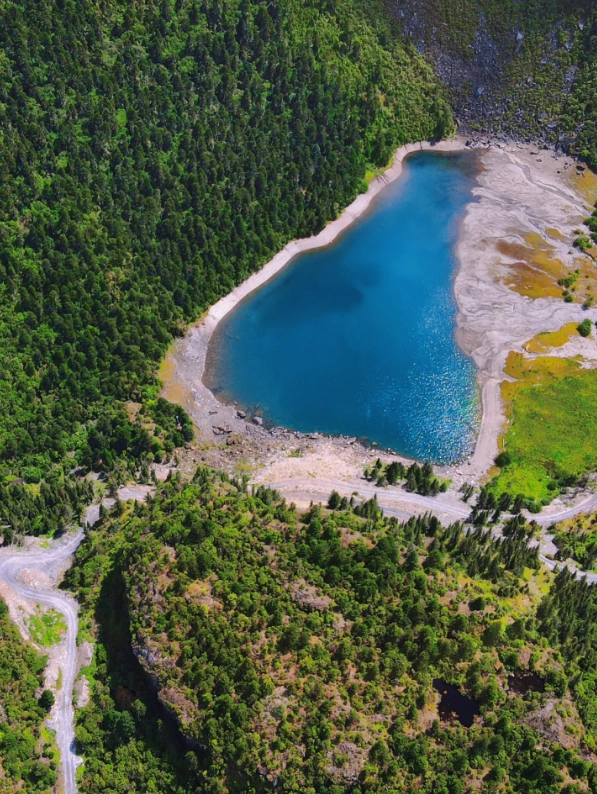
How to Plan a 24-Hour Stopover in Shangri-La?
If you only have one day, don't try to do everything — focus on the highlights that are close together. Here's a realistic plan I use with clients who are pressed for time.
- 8:00 AM — Take a taxi to Songzanlin Monastery (10 minutes). Be there right when it opens, around 8:30. You'll beat the crowds and have the place nearly to yourself.
- 10:30 AM — Head back to Dukezong Ancient Town. Use the time to wander the streets, climb to the Grand Prayer Wheel, and grab a snack.
- 12:30 PM — Lunch in the old town at a momo shop. Try yak momos and sweet tea.
- 2:00 PM — Rent a bike or e-bike and ride to Napa Lake (around 30 minutes). The flat road is easy, and you can stop for photos.
- 5:30 PM — Return to the old town. Relax with a coffee or a beer. If you're up for it, watch the sunset from the temple area.
- 7:30 PM — Dinner and then climb to the Grand Prayer Wheel again — this time in the light of the setting sun. The view over the red-roofed houses is spectacular.
If rain ruins the outdoors plan, swap Napa Lake for the Shangri-La Museum — it's a great indoor alternative. For a splurge, treat yourself to a traditional hotpot dinner at a local restaurant.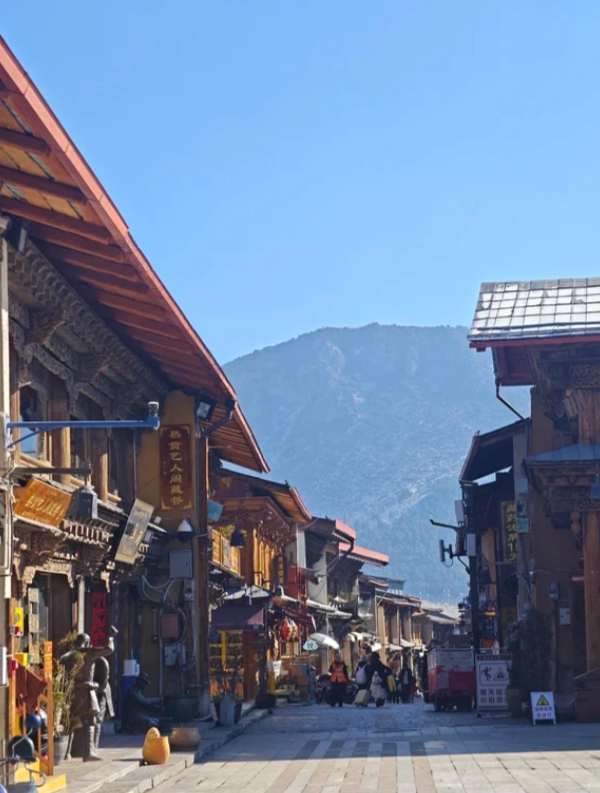
How to Avoid Crowds at Shangri-La's Must-See Spots?
Each sight has a golden hour — and it's often not what you'd guess. Here are my hard-earned tips to dodge the herds.
- Songzanlin: Make the first shuttle bus up at 8:30am. The big tour groups arrive at 10am. Also, skip the crowded main plaza and walk around the northern side of the monastery for quiet views.
- Pudacuo: Book the earliest entry slot (8:00-8:30). Instead of taking the shuttle to Shudu Lake first, get off at the final stop and walk back to Bita Lake — the path is less crowded.
- Dukezong: Everyone flocks here at noon. Come at 6:30pm when the day trippers are leaving and the streets are bathed in golden light.
- Napa Lake: Most visitors arrive by taxi for a quick photo at the main spot. Rent a bike and go to the western side — you'll have it almost to yourself.
- Shika: Take the first cable car up, usually at 8:30am. By 10am, lines are long.
- Tiger Leaping Gorge: If you're not trekking, visit the middle viewpoint after 3pm — most tour groups leave by then.
- Meili: The sunrise viewing is crowded, but walk 100 meters to the right of the main platform for a quieter spot.
Insider Advice: Many visitors underestimate the altitude. Even if you feel fine, stay hydrated and avoid heavy meals before visiting high-altitude spots. Altitude sickness can hit suddenly — know the signs and carry a small oxygen canister if you're worried.
FAQ: Must-See in Shangri-La
1. Do I need to book Shangri-La's must-see attractions in advance?
For most major sights — Songzanlin, Pudacuo, Shika — yes, especially during holidays and summer. You'll need your passport for real-name booking. The easiest way is to book through Trip.com or Klook. Dukezong Ancient Town has no tickets, but you may need to show ID at the entrance during peak season. You can often buy same-day tickets for Tiger Leaping Gorge at the gate, but it's safer to book ahead on travel platforms.
2. Is credit card accepted at Songzanlin Monastery and other tourist spots?
In my experience, cash and major international credit cards are rarely accepted at ticket counters. The standard is Alipay or WeChat Pay. If you don't have them set up, carry enough cash — but be aware that some smaller spots won't accept cash either. The good news is that most hotels and large restaurants take cards. Just prepare some WeChat/Alipay balance in advance.
3. Can I see Meili Snow Mountain in a day trip from Shangri-La?
No, it's not realistic. The drive alone takes 4-5 hours each way, and the must-see sunrise happens early morning. You'd be driving in the dark and missing the whole point. Plan at least two days: one night in Deqin town or Feilaisi, then leave after sunrise. I've seen travelers try to squeeze it in — they end up exhausted and often miss the peak behind clouds.
4. What should I know about altitude sickness at Pudacuo National Park?
Pudacuo sits around 3,500-3,800 meters. Symptoms include headaches, dizziness, and nausea. To minimize risk, spend a day in Shangri-La first (it's already at 3,280m) to acclimatize. Drink lots of water, avoid alcohol, and don't run around. Carrying a small oxygen canister (around 20 RMB) can help. If you feel seriously ill, descend immediately — the park's medical station is near the entrance.
5. How do I get to Tiger Leaping Gorge from Shangri-La without booking a tour?
Take a bus from Shangri-La Bus Station to Qiaotou (the town at the gorge entrance). Buses depart in the morning; the ride takes about 2 hours. The ticket office is near the bus stop. For the upper trek, you'll need to either walk or take a shuttle to the start. To return, take a minivan from Qiaotou back to Shangri-La or to Lijiang — they leave when full, usually before 5pm. Alternatively, use Didi for a one-way ride, which costs around 250–300 RMB.
Final Thoughts: The Shangri-La Must-See List That Works
The real Shangri-La isn't in a postcard — it's in the morning mist over the monastery and the wind across the lakes. You don't need to see everything in one trip. Pick two or three spots, go early, and give yourself time to breathe. That's how locals live it, and it's how you'll leave with more than just photos.
I hope this guide saves you from the common mistakes I've watched travelers make. If you only remember one thing: book your tickets early, use Didi for transport, and trust your gut — the best moments come when you're not rushing to a checklist.
Safe travels, and don't forget to stop for a cup of yak butter tea.
Verified and fact-checked by the editorial team.






No comments yet.