 Fang Wang
Quick Route Map
- Why Ningbo Belongs in Your Shanghai to Ningbo Itinerary
- How to Get from Shanghai to Ningbo?
- What to See in Ningbo: Essential Itinerary Stops
- What Is the Best Shanghai to Ningbo Itinerary for 2 Days?
- Where to Eat in Ningbo: Food Stops for Your Itinerary
- Where to Stay in Ningbo: Itinerary Base Options
- Practical Travel Tips for Your Shanghai to Ningbo Itinerary
- FAQ: Your Shanghai to Ningbo Itinerary Questions
You've got forty-eight hours. Maybe less. Ningbo is closer than you think — and twice as rewarding. I've lost count of how many clients I've brought here after they complained about Shanghai's crowds.
For most travelers, the Shanghai to Ningbo itinerary is an afterthought. That's a mistake. The high-speed rail shuttles you between the two cities in under two hours — yet most people never bother to look beyond the Bund.
Here's the thing: you don't need a tour bus. You need a rail ticket, a payment app that actually works, and this guide. Scroll on, and I'll show you exactly how to make the most of 48 hours without getting ripped off.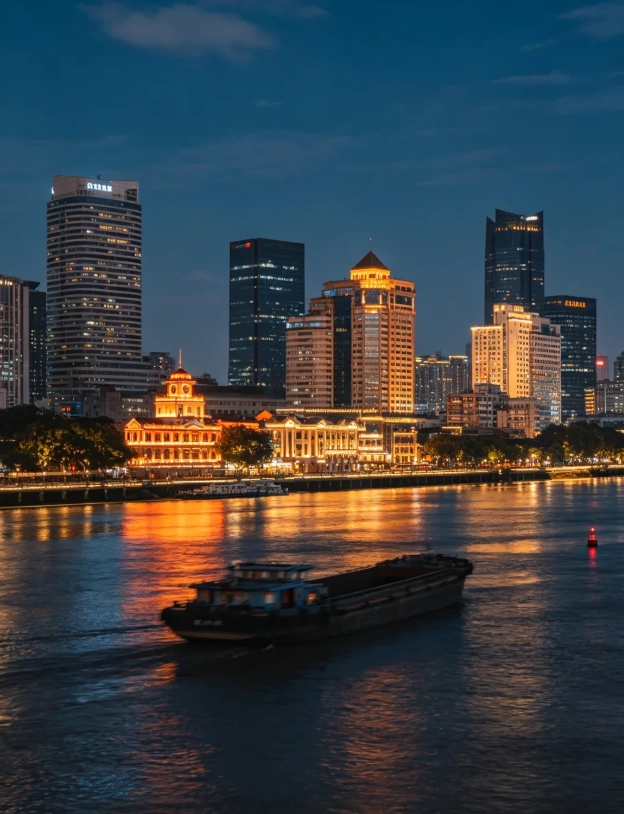
Why Ningbo Belongs in Your Shanghai to Ningbo Itinerary
Ningbo is a port city with more than a thousand years of history. It used to be a treaty port, which means you'll find French and British architectural leftovers sprinkled around the riverfront. But unlike Shanghai, the old town here hasn't been turned into a shopping mall. The streets still feel alive — wet market stalls, elderly men playing Chinese chess under banyan trees, and seafood restaurants with tanks of wriggling crabs at the door.
The biggest advantage? It's endlessly walkable. You won't need a taxi marathon. Most of the main sights cluster in a 3-square-kilometer area around the river. And the crowds are a fraction of what you'd face in Hangzhou's West Lake or Suzhou's gardens.
How to Get from Shanghai to Ningbo?
Your best bet is the high-speed rail, no contest. I always tell my clients to book the earliest train they can stomach. Here's the full breakdown: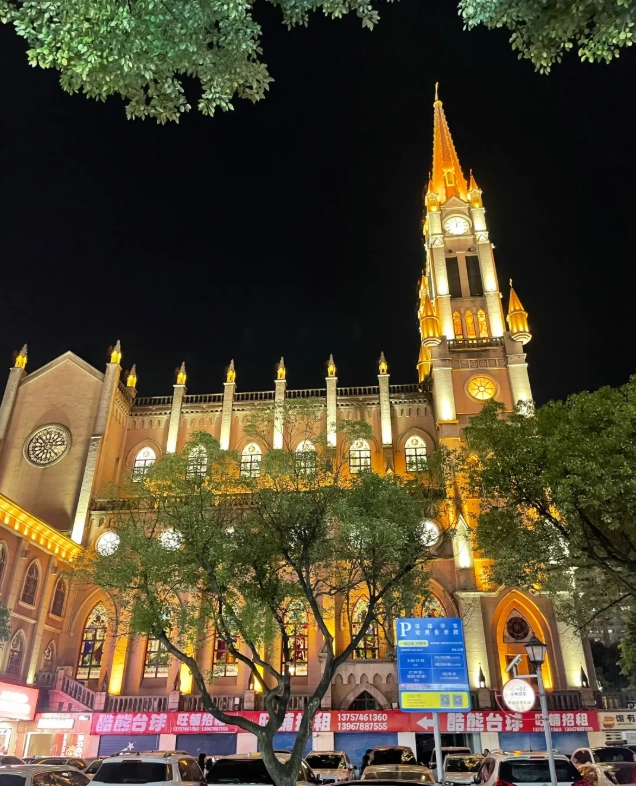
High-Speed Rail: The Fastest Option
Trains leave from Shanghai Hongqiao Railway Station every 15–30 minutes. The journey to Ningbo takes about 1 hour 40 minutes on the G-series trains. Second-class seats cost around 70–110 RMB depending on the train type. You can book tickets via Trip.com, or through the official 12306 website — but 12306 is notoriously tricky for foreigners (no English interface, requires Chinese ID sometimes). I'd rather you use Trip.com or the official app's English mode.
Station proximity: Ningbo Railway Station (also called Ningbo Zhan) sits right at the edge of the city center. From there, a cab to Tianyi Pavilion costs roughly 10–15 RMB and takes 10 minutes. You can also hop on Metro Line 2 and get off at Chenghuangmiao Station.
Pro tip: Book your return ticket in the morning of Day 2, before you head out. The 5–7 PM return window gets packed with commuters, and you don't want to be that sweaty tourist dragging a suitcase through a sea of shoulders.
Long-Distance Bus: The Budget Option
If you're on a tight budget, the overnight or daytime buses from Shanghai South Long-Distance Bus Station can save you some yuan — tickets are around 50–70 RMB. But the ride takes 3.5 to 4 hours, and traffic on the Jiaxing stretch can make it unpredictable. I've had clients arrive nauseous and cranky. Not the best start to a weekend.
Driving From Shanghai: When It Makes Sense
Driving takes around 2.5 to 3 hours on the G15 Shenhai Expressway, plus toll fees of roughly 100–150 RMB. Renting a car in China is possible with an international driver’s permit, but honestly, parking in Ningbo old town is a nightmare. Unless you're planning to explore the water towns around Ningbo, I'd skip the car.
| Mode | Duration | Cost | Convenience |
|---|---|---|---|
| High-Speed Rail | ~1h40m | 70–110 RMB | Excellent |
| Long-Distance Bus | ~3.5–4h | 50–70 RMB | Mediocre |
| Driving | ~2.5–3h | 100–150 RMB tolls + car | Low in city |
What to See in Ningbo: Essential Itinerary Stops
I'm going to share the three sights I take every one of my clients to. These are the ones that consistently get the widest eyes and the most thank-you notes.
Tianyi Pavilion: Asia's Oldest Library
This is my number one stop. The Tianyi Pavilion is a gorgeous Ming-dynasty estate built around a private library that dates back to 1561. You'll wander through moss-covered rockeries, koi ponds, and wooden reading rooms. It's the oldest existing private library in Asia.
- Address: 10 Tianyi Street, Haishu District, Ningbo
- Hours: 8:30–17:30 (April–October), 8:30–17:00 (November–March); last entry 60 minutes before closing.
- Tickets: Around 30 RMB for adults, free for children under 1.2m and seniors over 70. You can buy at the gate, but you'll need to show your passport for registration.
- Time needed: 1.5–2 hours.
- Insider advice: Go at 9 a.m. sharp. The morning light makes the rockeries glow, and you'll avoid the school tour groups that pile in around 10:30.
Watch out: The stone paths get slippery when it's drizzling. Wear non-slip shoes — I've seen more than one traveler take an unexpected swim in the koi pond (okay, not literally, but it's close).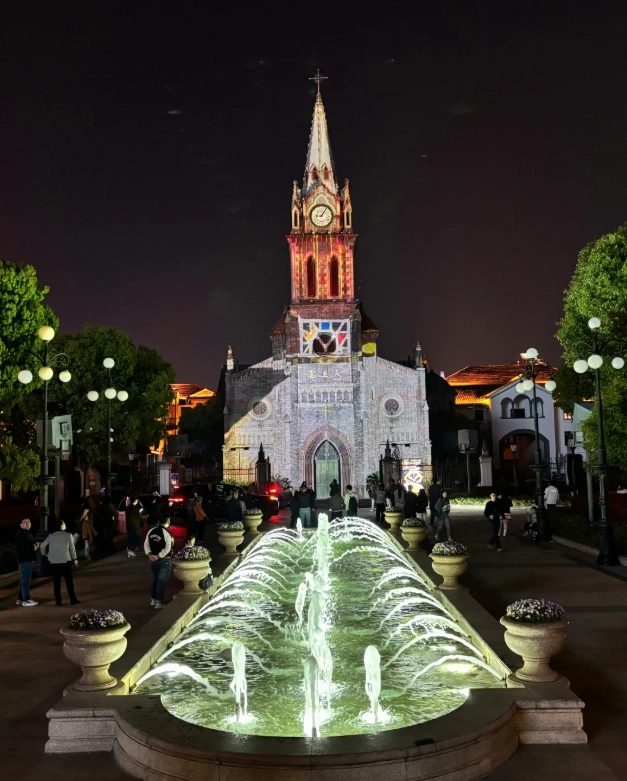
Old Bund: A Quieter, Charming Riverside Walk
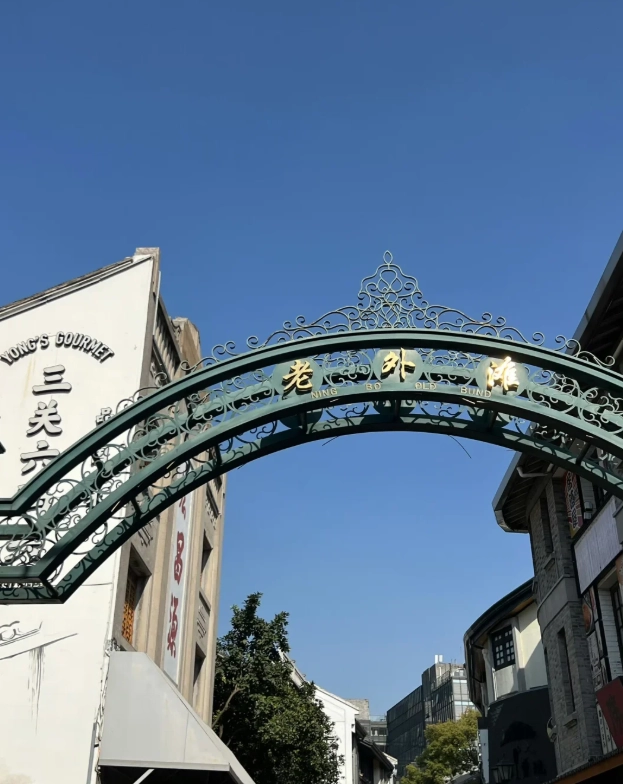
Ningbo's Old Bund is one of the earliest ports forced open to foreign trade in the 1840s. The waterfront is a mix of historical banks, churches, and colonial warehouses now converted into cafes and galleries. The atmosphere is lovely at sunset — golden light on the river, locals jogging, and street musicians trying their luck.
- Address: Along Yaojiang River, south of Wai Ma Lu, Haishu District
- Hours: Open all day, but the bars and cafes tend to close by midnight.
- Tickets: Free.
- Time needed: 1–2 hours, especially if you walk the full stretch.
Pro tip: The best photo angles are from the northern bank, just opposite the churches. Around 5 p.m., the buildings light up, and the reflection in the water is chef's kiss.
Ningbo Museum: Architecture That Tells a Story
If you're into modern architecture, you'll know this building from the internet. Designed by Wang Shu, a Pritzker Prize winner, the museum's facade is made of recycled bricks and tiles salvaged from demolished houses. It looks like a mountain wrapped in story fragments.
- Address: 1000 Shounan Zhong Road, Yinzhou District
- Hours: 9:00–17:00 (closed on Mondays)
- Tickets: Free, but you must bring your passport for registration.
- Time needed: 1.5 hours, plus 30 minutes for the surrounding park.
Heads-up: The museum is about a 20-minute cab ride from the city center (roughly 20–30 RMB). You can also take Metro Line 3 to Yinzhou District Government Station, then walk 15 minutes. The permanent exhibition covers Ningbo's shipping history and local customs — I genuinely geek out over the old boat models.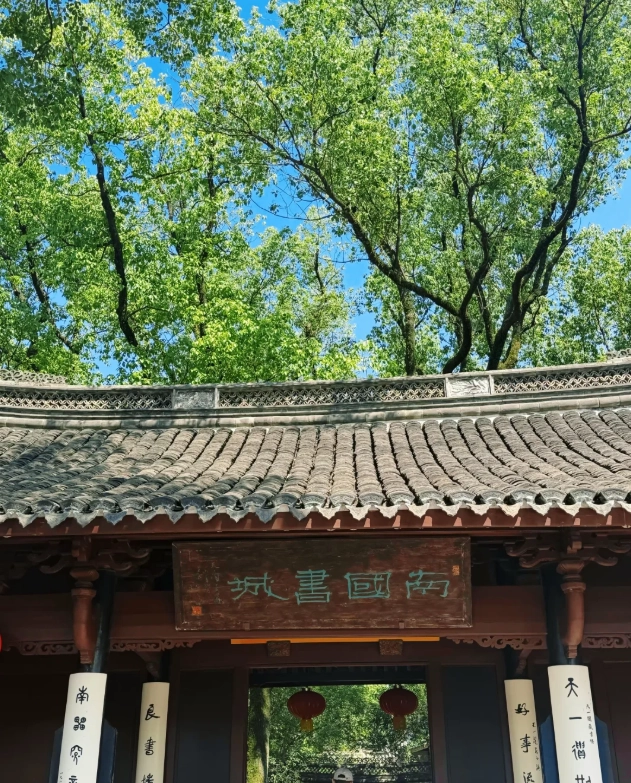
What Is the Best Shanghai to Ningbo Itinerary for 2 Days?
I've crafted this plan after leading dozens of small groups. It balances culture, food, and chill time without making you sprint from one checkmark to the next. Feel free to trade things out based on the weather or energy.
Day 1: Culture and Waterfront Vibes
This plan won't break your legs. We'll start slow and build up.
- 8:00 AM – Take the G train from Shanghai Hongqiao. Grab breakfast at the station — grab a fresh rice roll (ci fan tuan) from a kiosk if you see one.
- 9:50 AM – Arrive at Ningbo Railway Station. Drop your bag at your hotel (I'll share suggestions later) or store it at the station's left-luggage office if you're staying later.
- 11:00 AM – Tianyi Pavilion. Spend two hours wandering the library and gardens. Buy your ticket at the main gate — don't be seduced by touts offering “fast passes”.
- 1:00 PM – Lunch at a local smoky noodle joint. Head to Dongmen Street for a bowl of Ningbo's must-eat: “Seafood Noodles with Yellow Croaker” (雪菜黄鱼面). The thin noodles in umami broth with pickled vegetables and tender fish will warm your soul. Note: Most cashiers only accept Alipay or WeChat Pay; bring a backup if your card isn't connected.
- 2:30 PM – Old Bund. Take a slow stroll along the river. Stop at a cafe for a Ningbo-style milk tea (more subtle than usual sugar bombs) if you need caffeine.
- 5:00 PM – Sunset at Old Bund. Wait for the lights to flicker on. Grab a table at a riverside bar if you want a cold drink with the view.
- 7:00 PM – Dinner at a traditional Ningbo restaurant. Try “Red Braised Bamboo Shoots” (油焖笋) and “Drunken Crabs” (醉蟹) at a restaurant just off Zhongshan Road East that locals swear by — look for the line of people outside around 7 p.m. Be prepared to wait 20–30 minutes during peak hours.
- 9:00 PM – Nightcap or early sleep. Your call.
Day 2: Museums, Local Life, and Hidden Snack Spots
You'll hit the ground running with this compact Day 2 plan. It's a packable day.
- 8:30 AM – Morning tea at a traditional tea house. Head to Jiuru Street for a pot of Longjing tea and local sweet rice cakes. It's a beautiful way to start a day.
- 10:00 AM – Ningbo Museum. Give it a full hour and a half. The mosaic of wall fragments is a photographer's paradise.
- 12:30 PM – Lunch at Yinzhou Wanda Plaza food court. Sample a “Ningbo glutinous rice ball with pork” (汤圆) — a specialty. But note: in Ningbo, tangyuan are often savory, filled with minced meat rather than sesame paste.
- 2:00 PM – Quick visit to the Drum Tower (鼓楼). It's the oldest building in Ningbo, and the surrounding alleys are packed with snack stalls. Try the “stinky tofu” if you dare — I did, and my mouth was zinging for an hour.
- 3:30 PM – Shop for white tea and hairtail fish. The closed dry-goods market south of Zhongshan Road is a goldmine for local specialties.
- 5:30 PM – Head to Ningbo Station. Take the 6:15 PM G train back to Shanghai Hongqiao. You'll be home by 8 PM, with enough time to unpack and plan your next escape.
If it rains all day: Replace the outdoor parts with a visit to the Ningbo Opera Museum (simple, and full of ornate costumes), or catch a performance at the Ningbo Concert Hall. For food, heat up in a hot pot joint — try a place on Jiefang South Road.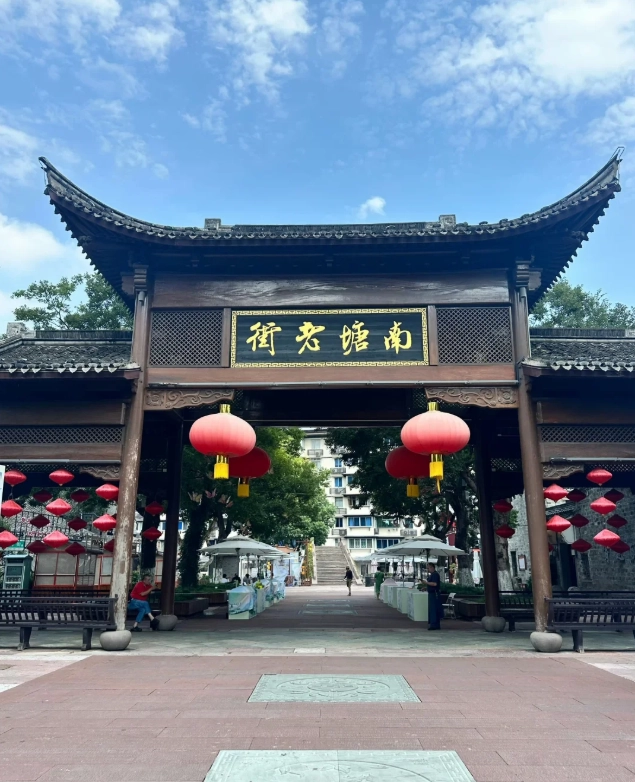
Where to Eat in Ningbo: Food Stops for Your Itinerary
Ningbo cuisine is one of the most underrated of China's eight major food styles. It's all about freshness and saltiness — think tidal seafood, bamboo shoots, and pickled things.
- Recommended dishes: Yellow croaker in sauce, red-cooked pork (Hongshao Rou), snowy soup with eel (more for the brave), and “Spicy Crayfish” at night markets.
- My favorite spot: Look for a tiny family-run stall on Xiaosha Street. It has no English menu — but the owner is happy to point at things. I always get the “meatballs with bamboo shoot” and “roasted local duck”.
- Budget guide: Expect to pay 40–60 RMB per person for a casual dabao (takeaway) and 100–150 RMB at mid-range restaurants.
Payment warning: Almost all eateries, from street carts to mid-range restaurants, only accept mobile payment. Cash might get you a shrug and a stare. If your Alipay/WeChat isn't working, carry at least 200 RMB as backup for big hotels and transport tickets.
Where to Stay in Ningbo: Itinerary Base Options
You don't want to be far from the river. Here are my three picks, depending on your vibe:
| Area | Distance to Highlight | Est. Price (USD) | Best For |
|---|---|---|---|
| Old Bund core | Walking distance | $120–200 | Couples and river views |
| Haishu District (mid-range) | 10-min bus | $50–90 | Families wanting convenience |
| Yinzhou District (budget) | 20-min metro to center | $20–35 | Backpackers |
Insider tip: Ask for a room facing the river, even if it costs a bit more. Opening the curtains to the Yaojiang water and the humming old town is worth every penny.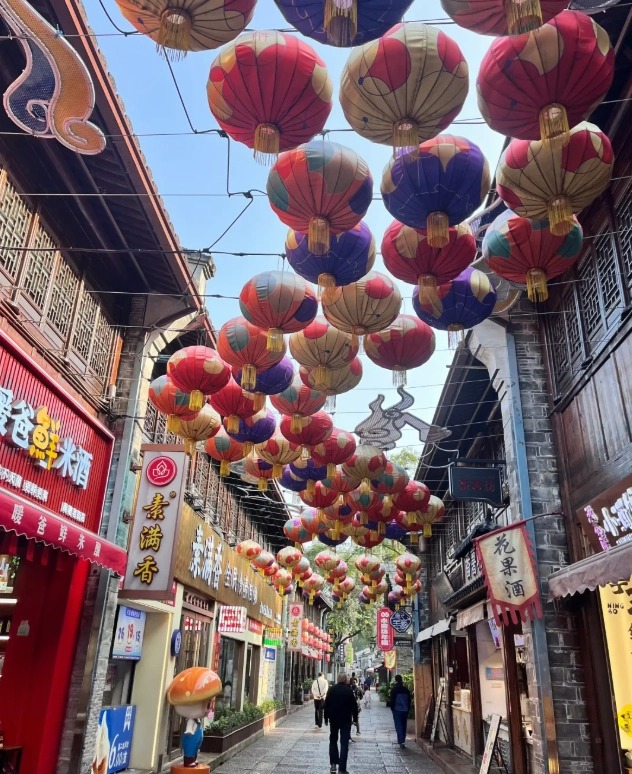
Practical Travel Tips for Your Shanghai to Ningbo Itinerary
- Payment: Download Alipay and WeChat Pay before you come and link your international Visa/Mastercard. Test it on a small purchase at Duty Free — I've seen cards get rejected because the bank flag doesn't recognize the merchant.
- Navigation: Google Maps is basically useless here. Use Apple Maps (if you have an iPhone) or download the app AMap (AutoNavi) and set it to English mode. It's not perfect, but it gets the job done.
- Reservations: For Tianyi Pavilion and Ningbo Museum, you'll need to book with your passport number. If the WeChat mini-program is a maze, just use Trip.com or Klook — they'll send you a QR code that guards can scan.
- Language: English is sparse outside major hotels. Download the Apple Translate or Baidu Translate app and save the offline Chinese pack. Write down “我只会说英语” and “请帮帮我” — it goes a long way.
- VPN: If you need Instagram, Facebook, or Google, set up a reliable VPN before you arrive. Many services aren't accessible inside China. Trust me, no one wants to spend their afternoon fighting with a VPN provider.
FAQ: Your Shanghai to Ningbo Itinerary Questions
This content has been fact-checked to ensure informational precision.







No comments yet.