 Ming Yang
Quick Glance: What This Guide Covers
Shangri-La is not a place you breeze through. The altitude hits you like a wall of cold air the minute you step off the plane, and the glossy travel guides often skip the messy realities — the crowds, the ticket chaos, the payment apps that eat your card. But that's exactly why I'm here. After years of guiding travelers through this Himalayan outpost, I've learned the shortcuts, the workarounds, and the moments that make it all worth it. Ask me anything, and I'll give you the unvarnished truth.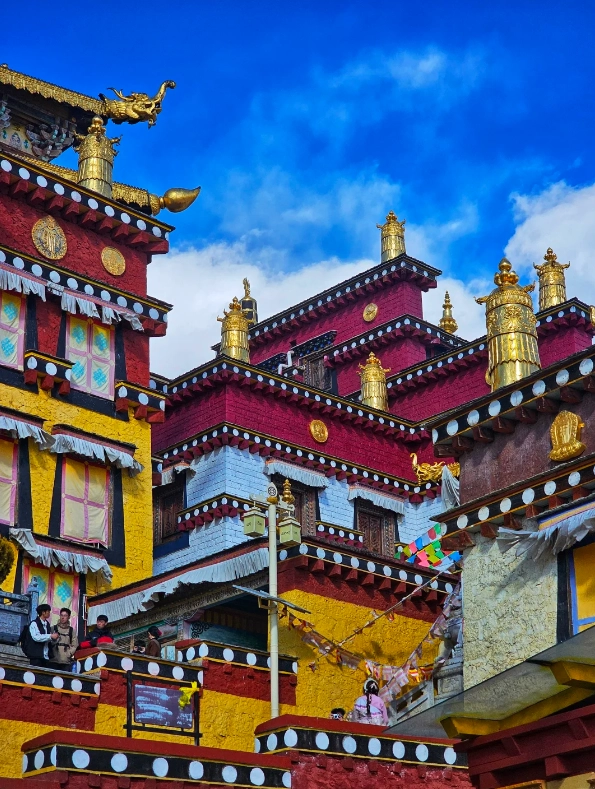
Why Shangri-La Deserves a Spot on Your China Itinerary
Perched at 3,300 meters on the Yunnan-Tibet border, Shangri-La is a mythical blend of Tibetan culture and untouched nature. It's the gateway to the Tibetan Plateau, and unlike Lhasa, you can reach this high-altitude wonderland without needing a Tibet permit. The name itself comes from James Hilton's Lost Horizon, and once you see the snow-capped peaks, the praying monks, and the turquoise lakes, you'll understand why.
But this isn't a laid-back beach holiday. You're at altitude, the weather changes in minutes, and local habits can catch you off guard. That's why my top things to do in Shangri-La are selected not just for their beauty, but for their feasibility. I've seen travelers skip the best spots because they didn't know how to navigate the ticket system or which time to go. This guide fixes that.
The Top Things to Do in Shangri-La
1. Explore Ganden Sumtseling Monastery
Often called the 'Little Potala Palace', Songzanlin Monastery is the largest Tibetan Buddhist monastery in Yunnan. It sits on a hillside, glowing white and gold against the pure blue sky. Walking through its prayer halls, you'll hear monks chanting, and the smell of yak butter fills the air. It's the cultural heart of Shangri-La.
Address: 10 km north of downtown Shangri-La. Take a taxi from the old town (about 20-30 RMB) or ride the local bus No. 3 to the main gate. The mountain climb is steep, so expect a 20-minute uphill walk unless you're ready for the stairs.
My own experience: It's easy to be overwhelmed by the sheer scale. Don't try to see every hall. Follow the left-to-right pilgrimage route, and make sure to stop at the room where the monks hold their daily debates. When I last visited, I stayed for an hour just watching them gesture and argue with passion. It's a living tradition, not a museum.
Check the Yunnan Tourism website for official updates on ticket and hours, but don't be surprised if it's only in Chinese. Frankly, your hotel concierge is the most reliable source.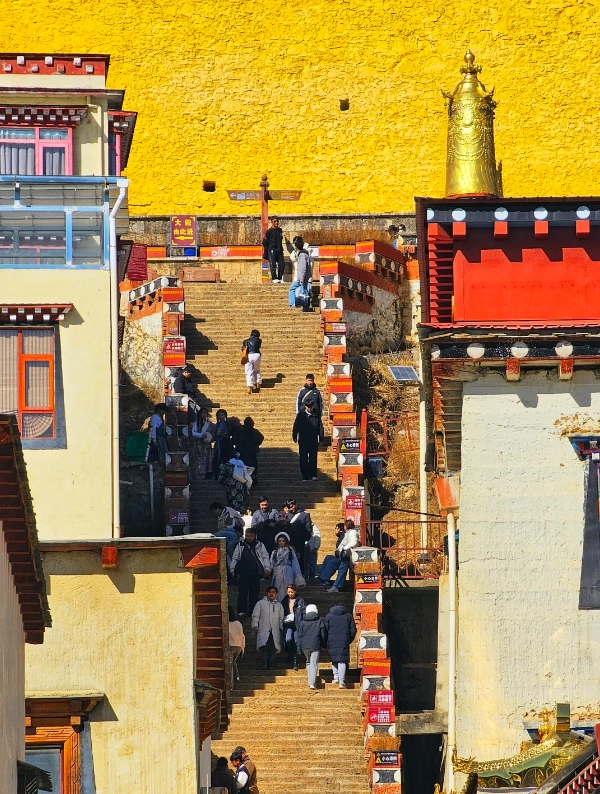
2. Stroll Dukezong Ancient Town and Turn the Giant Prayer Wheel
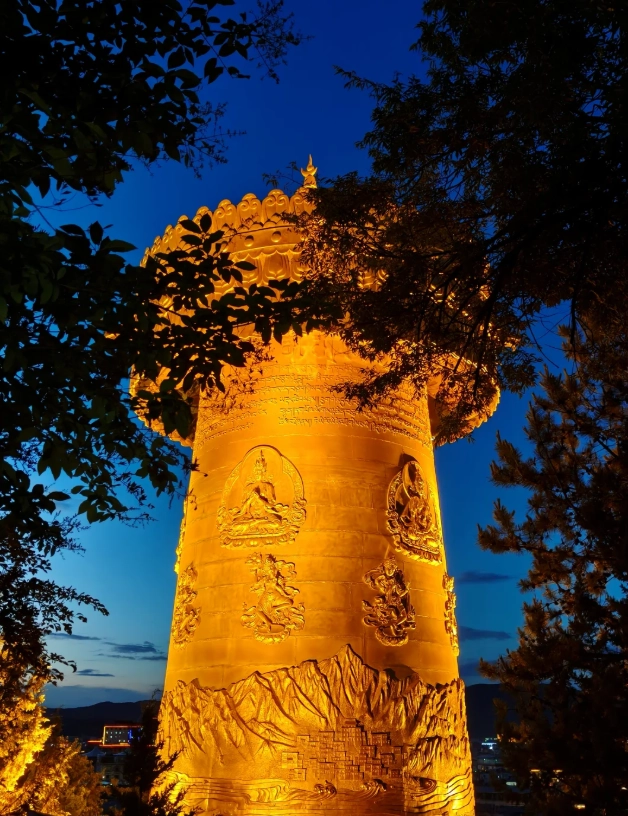
The old town itself is a living Tibetan community, but the must-do activity is climbing up to the world's largest prayer wheel. Perched on Mount Guishan, this 1,000+ ton cylinder is spun clockwise by visitors wishing for good luck. At 3,300 meters, the climb might target your lungs, but the 360° view over the rooftops makes it all worth it.
Location: Dukezong Ancient Town, free to enter. The entrance arch is right on the main square. The stone pathway to the wheel starts near the Wanggu Tower. It's a 15-20 minute uphill walk with plenty of benches for breaks.
Dukezong isn't a museum; it's a living town. Along the cobblestone lanes you'll see teahouses, handicraft studios, and sometimes a local playing ancient Tibetan instruments. I always tell my clients to get lost — literally. The side alleys hid some of the best photo spots in Shangri-La.
One thing that drives me nuts: the horse-drawn carriage rides in the square. They'll quote you high prices, and the ride is only 20 minutes. Save your yuan for food. And if you're feeling hungry, grab a tsampa bar from a bakery; it's roasted barley flour and it's the perfect energy boost for the climb.
3. Discover Pudacuo National Park
China's first national park is vast, serene, and incredibly photogenic. You'll bounce around the park on its shuttle buses, stopping at Bita Lake and Shuduhu Lake. Fiberboard boardwalks wind through spruce forests, past meadows, and around lakes that mirror the azure sky. It's easy breathing up here — but the altitude can still surprise you, so pace yourself.
Getting there: The park is 25 km from town. Shuttle buses depart from the visitor center at 8:00 and run every few minutes. A taxi costs about 120-150 RMB one way, but the shuttle (which costs around 30 RMB) is a local experience I recommend.
Now, a warning: this park is the most crowded spot on my list. The shuttle bus queue can snake for 30 minutes if you arrive after 10am. My trick? Start at the last stop (Bita Lake) and work backwards. The shuttle system drops people at the first stop first, so the crowd piles up there. If you ride to the end first, you'll have a nearly empty boardwalk for the first hour.
I once brought a retired couple who were worried about the walking distance. Comfortable path — they managed it fine with proper shoes. But some boardwalk sections are steep, so if you have mobility issues, stay around Bita Lake where the path is flat.
Pack layers. I've seen snow, sun, and rain in the same morning. A waterproof jacket and a warm fleece are non-negotiable. Bottled water is sold at the visitor center, but it's pricey, so bring your own.
4. Cycle Around Napa Lake
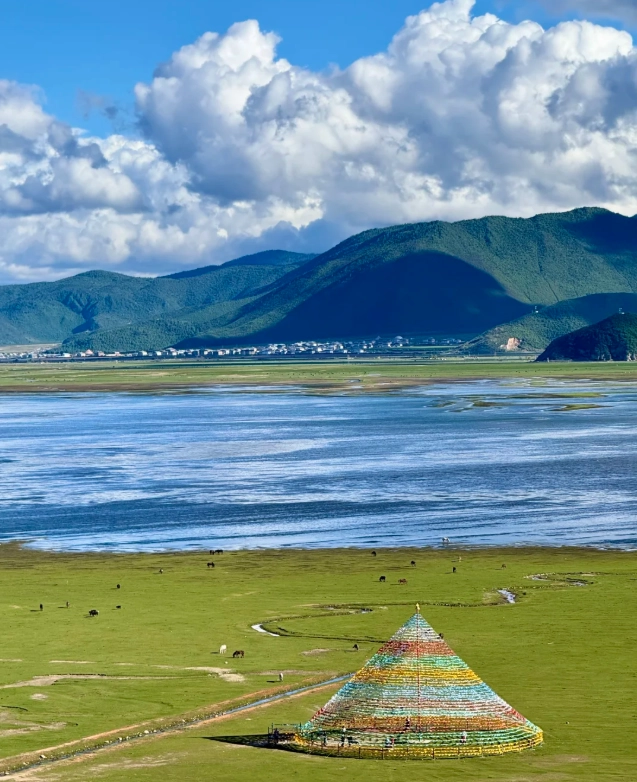
Napa Lake is a seasonal wetland that transforms with the weather — a grassland in summer, a mirror-like lake in winter. It's the only place on this list where you can escape the tourist trail entirely. Rent a bike, and you'll have miles of roads lined with yaks, wild horses, and occasionally a herder on horseback.
Where: About 6 km from town. The loop is a flat, paved road that circles the wetland, roughly 25-30 km. You can rent a bike from several shops near the old town, or ask at your hotel. Prices range from 50-100 RMB per day, depending on the bike quality. A shared ride from town to the trailhead costs about 15 RMB.
I've circled this lake a dozen times, and the highlight is the northwest corner where the road rises slightly. From there, the entire wetland spreads out like a patchwork, with the snowy peaks as a backdrop. If you're lucky, you'll spot black-necked cranes in winter — they migrate here from the north.
Beware of self-proclaimed 'guides' offering to lead you on a motorbike or a jeep. They often take you on a shortcut that misses the best viewpoints. Do it yourself. The road is well-marked, and the locals are friendly if you wave.
One more thing: bring cash for the nomads selling yak yogurt and roasted potatoes along the road. They don't have card machines, and it's the best food you'll have all day.
5. Experience Tibetan Culture in a Local Homestay
Sitting in a Tibetan family's living room, with a stove cracking in the corner and your host pouring butter tea, is the memory you'll treasure. This isn't a formal show; it's a genuine encounter. Many families in Shangri-La open their homes, offering meals and stories, and it's the best way to understand the local way of life beyond the temples.
How to arrange: Ask your hotel or local guide to connect you. A traditional welcome includes a tour of the wooden house, a chance to try making momos, and a meal of local specialties like mushroom stew and yak meat. Expect to pay around 150-300 RMB per person for a lunch or dinner experience.
My favorite spot is the family farm of Tsering, a former monk who now runs a small agritourism operation with his mother. She makes the most incredible hotpot from garden vegetables and locally foraged mushrooms. Last time, she insisted on teaching me how to roll momos — mine looked like angry footballs while hers were perfect little curls.
I won't lie: the lack of English can be challenging. But that's the beauty of it. Use a translation app, smile, and gestures go a long way. My clients often leave with photos and stories that no guidebook could ever capture.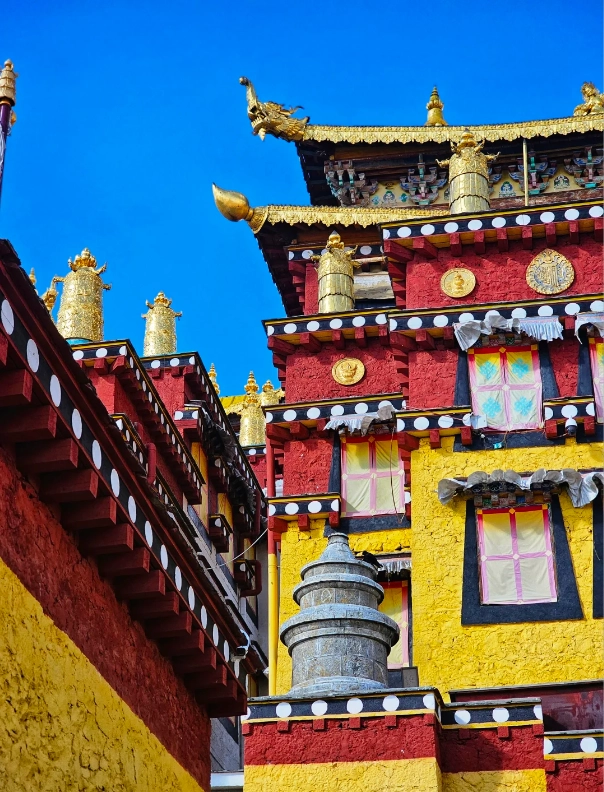
Practical Itinerary for 24 and 48 Hours in Shangri-La
Now, let's turn these top things into a workable plan. Transportation between these spots is easy, but altitude slows you down. Don't try to see everything at once.
24-Hour Stopover
Here's a realistic 24-hour schedule that covers the essentials without burning you out:
- 8:30 - 11:00: Songzanlin Monastery (as discussed, with a pre-booked ticket).
- 11:30 - 12:30: Lunch at a local restaurant near the monastery — try the yak noodle soup, called thal-pa.
- 13:00 - 15:00: Explore Dukezong Ancient Town, poke into the shops, and climb to the prayer wheel.
- 15:00 - 16:00: Rest at your hotel (you'll need it in the elevation).
- 18:00 - 20:00: Tibetan homestay dinner.
- 20:30 onwards: Evening stroll in the old town under the lanterns.
48-Hour Itinerary
If you have two days, add the natural wonders:
- Day 1: Same as the 24-hour plan, but arrive early so you can visit Napa Lake for a short drive around the edge in the late afternoon. You can even join the prayer wheel climb at sunset.
- Day 2: Dedicate the full morning to Pudacuo National Park. Take the first shuttle at 8:00, stay until noon, then have lunch at the visitor center. If you feel energetic, rent a bike for the afternoon and do a shorter loop of Napa Lake. But many visitors prefer to rest and shop for local crafts.
For the early bird: if you're only here for two days, the sequence matters. The monastery and the old town are both at similar altitudes, so you can chain them. Pudacuo is a bit wetter and windier, so plan it on a day with clear weather — check the sky at 7am.
Travel Tips: Payment, Apps, and Booking
You can't just show up with a credit card and expect things to work. Here's a no-nonsense guide to the practical stuff.
Payment
Most places accept Alipay and WeChat Pay, but they increasingly support foreign cards. Still, bring some cash — the nomad food stalls and small village stores rarely accept cards. Cash your money at a bank ATM when you arrive; your bank card works at most bank machines.
Navigation
Google Maps is absolutely unreliable in China. I'm serious. Use Apple Maps or AMap Global (the international version of Gaode Maps) for accurate directions. Download the offline map before you go; some rural roads have no signal.
Booking
Almost every major attraction requires a passport for tickets, and many require advance booking. My go-to is Trip.com or Klook; both have English interfaces and accept foreign cards. Your hotel can also book tickets for you — don't be shy to ask.
Connectivity and VPN
Google, WhatsApp, Instagram — all blocked in China without a VPN. Set up your VPN before you land, and keep the app running even when you don't need it, because it will disconnect intermittently. For translation, the Baidu Translate app is handy for offline text, and it can translate a menu photo in real-time.
What to Pack
- Warm layers (temperature swings are extreme).
- Altitude sickness medication: preventive Diamox is a good idea. The pharmacy at the airport can also sell you an oxygen can.
- Sun protection: the UV burns quickly at 3,300 meters.
FAQs: Your Shangri-La Questions Answered
My Honest Take
Shangri-La is a destination that requires effort, but the payoff is immense. I've led groups who were cranky at 4am, then went speechless at the first glimpse of Pudacuo's mirror lake. The magic here isn't just in the postcard spots; it's in the warm smiles of a homestay family, the crunch of snow under your boots, and the quiet hum of the prayer wheel spinning at dusk.
Don't try to do everything in one day, and don't let the inconveniences sour your mood. The ticket apps might frustrate you, but a local will help if you ask. And if you find yourself overwhelmed by the altitude, just stop at a teahouse, sip some barley wine, and watch the world go by. That's the Shangri-La most tourists miss.






No comments yet.