 Ming Yang
Lhasa hits you like a cold splash of water — literally, at 3,650 meters. Your lungs burn, your head pounds, and then you turn the corner and see the Potala, and none of that matters anymore. I've been guiding travelers here for over a decade, and I still get goosebumps. But here's the catch: most tourists waste their first two days fumbling with altitude sickness, overpriced tour packages, and Google Maps that simply doesn't work here. This guide to the must-see in Lhasa fixes that. I'll walk you through the seven sights that deserve your time — plus the exact moves to make each one easy, from booking to avoiding the crowds. Read this before you land. It'll save you hours, money, and a headache or two.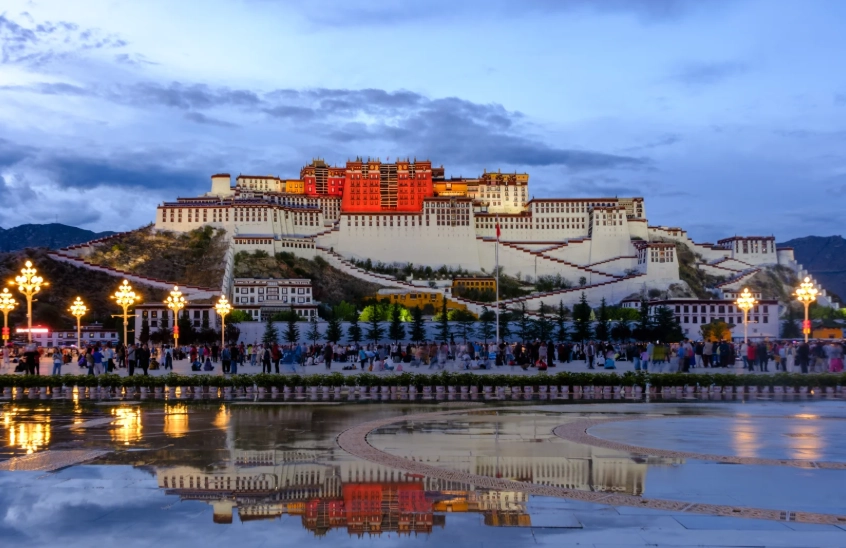
Why These 7 Qualify as Must-See in Lhasa
I'm not just listing famous names. These seven places give you the full arc of Lhasa: the imperial power of the Potala, the living faith of the Jokhang, the market pulse of the Barkhor, the summer leisure of Norbulingka, the monastic energy of Drepung and Sera, and the quiet echo of Ramoche. Together, they tell the story of Tibet's capital better than any single spot. If you only have a few days, this is the set that matters.
But here's the thing: each one has its own traps — ticketing, timing, and altitude fatigue. I'll break them down honestly, with the exact 'how-to' that most guidebooks skip.
The 7 Must-See Sights in Detail
Below is my tried-and-tested list, ordered roughly by how I'd schedule them for a first-time visitor. The table gives you the nuts and bolts; the paragraphs that follow give you the real-world know-how.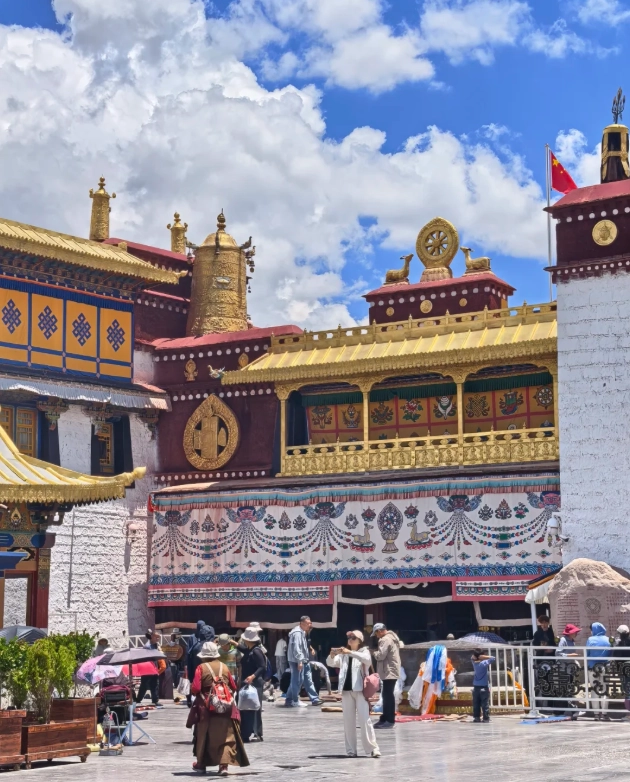
| Sight | Approx. Ticket | Time Needed | Best Time |
|---|---|---|---|
| Potala Palace | ¥200 (peak) | 2–3 h | Morning |
| Jokhang Temple | ¥85 | 1–2 h + kora | Sunrise |
| Barkhor Street | Free | 1–2 h | Late afternoon |
| Norbulingka | ¥60 | 2–3 h | Morning |
| Drepung Monastery | ¥50 | 2–3 h | Morning |
| Sera Monastery | ¥50 | 1.5–2 h | Before 14:00 |
| Ramoche Temple | ¥20 | 30–40 min | Late afternoon |
1. Potala Palace
The core of your Lhasa must-see list — and the most tricky to book. The Potala is not just a palace; it's a 13-story fortress on Marpo Ri hill, with over 1,000 rooms. It was the winter residence of the Dalai Lama and the political heart of Tibet. The views from the top are worth every step — I mean that literally because the stairs are unforgiving at 3,700 meters.
- Ticket: Around ¥200 in peak season (May–Oct), ¥100 in winter. You must book in advance — they only release a limited number of tickets each day, and they sell out fast. I always tell my clients to book through Trip.com or a local travel agent at least two days ahead. The official WeChat mini-program is a nightmare — even I struggle with the Chinese interface. Don't risk it.
- Address: 35 Zhuoxi Road, Lhasa (拉萨市城关区北京中路35号). Show this to your taxi driver.
- Hours: 9:00–16:30 (last entry 16:00). Closed Mondays during some seasons? Actually, it's usually open daily, but always double-check.
- Time needed: 2–3 hours.
- Best time: Go as early as possible — 9am. By 10:30 the tour groups arrive and you'll be swimming in hats and selfie sticks.
Pro Tip: The main gate is on the east side, but the ticket office is at the south. There's also a separate entrance for the Potala Palace Square. I always tell my clients to walk around to the square first for the iconic photo — it's a short stroll and the light is better in the morning.
2. Jokhang Temple
The spiritual soul of Lhasa — and a place where faith feels physical. Jokhang is the most sacred temple in Tibetan Buddhism, housing the famous Jowo Shakyamuni statue. Pilgrims from all over Tibet come to prostrate at its doors. The morning kora (circumambulation) around the Jokhang is a raw, emotional experience.
- Ticket: ¥85 (around). You don't need to book in advance, but you'll need your passport for the ticket.
- Address: No. 35 Barkhor Street, Chengguan District (拉萨市城关区八廓街35号).
- Hours: 7:00–17:30 (the kora starts at sunrise, but the main temple opens around 9am for tourists).
- Time needed: 1–2 hours, plus 30–60 min for the kora.
- Best time: Sunrise or early morning — you'll see the pilgrims and avoid the midday heat.
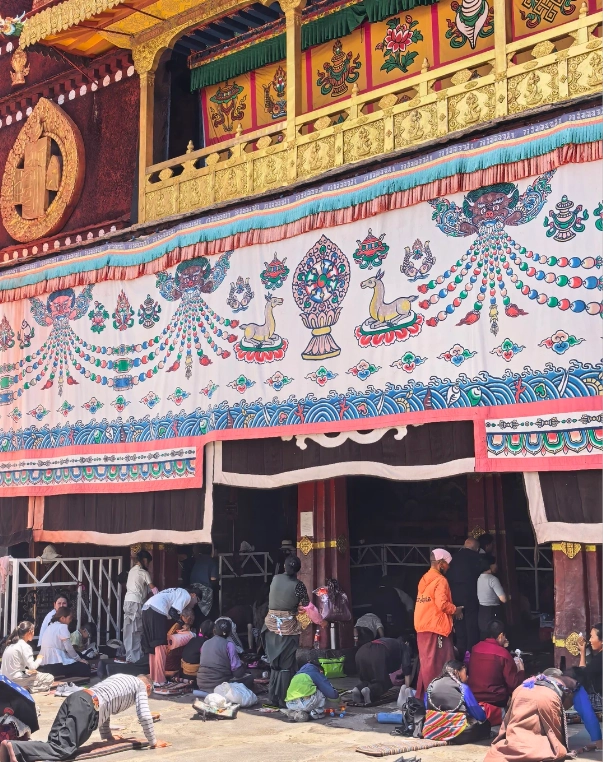
Insider Advice: The rooftop is worth the climb — it offers a great view over the Barkhor. But be respectful: photos of the interior are forbidden. Also, remember that the kora direction is clockwise; don't walk against the flow.
3. Barkhor Street
The market that swirls around the Jokhang — and a great place to get lost. Barkhor is the circular street surrounding the Jokhang. It's always buzzing with pilgrims, vendors, and monks. You'll find everything from prayer flags to jewelry. But here's the catch: the whole street is packed with hawkers, many with inflated prices for tourists.
- Ticket: Free.
- Address: Barkhor Street, Chengguan District (拉萨市城关区八廓街).
- Hours: The shops open by 9am and close around 7pm, but the street itself is always walkable.
- Time needed: 1–2 hours.
- Best time: Late afternoon — the light is golden and the crowds thin out a bit.
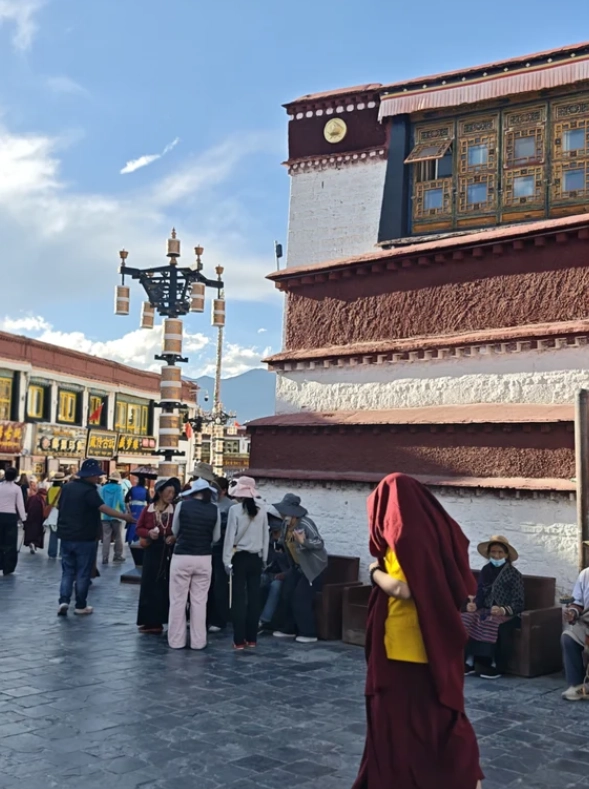
Pro Tip: Bargain hard — start at 30% of the quoted price. And don't get distracted by the 'antique' items; they're mostly replicas. If you want authentic handicrafts, look for the stalls near the south end of the street. But beware: pickpockets exist here, so keep your wallet in your front pocket.
4. Norbulingka
Lhasa's paradise garden — the perfect break from solemnity. Norbulingka, or the 'Summer Palace,' is a huge park complex with buildings, gardens, and stone pavement. It was the Dalai Lama's summer home, and it feels like a different world from the packed old city.
- Ticket: ¥60 (to enter the main palace). The park itself is free, I think? Actually, you need a ticket for the palace, but walking in the park might require a small fee. Let me be careful: I always buy the ¥60 combined ticket, which includes the palace and the zoo (yes, a zoo).
- Address: No. 19, Luobulinka Road, Chengguan District (拉萨市城关区罗布林卡路19号).
- Hours: 9:00–18:00 (summer), 9:30–17:30 (winter).
- Time needed: 2–3 hours.
- Best time: Morning, when it's cool and quiet.
Insider Advice: The park is a great place for a picnic. Buy some snacks and sit under the willows. But don't feed the monkeys that hang around — they're aggressive and will snatch your food.
5. Drepung Monastery
The largest monastery in Tibet — and a maze of white buildings. Drepung sits at the foot of Mount Gephel, about 6 km west of Lhasa. It was one of the 'three great monastic universities' of the Gelug school. The winding alleys and hidden courtyards feel like a medieval village.
- Ticket: ¥50 (as far as I remember). No reservation needed, but you need your passport.
- Address: The monastery is on the northern slope of Mount Gephel, near the road from Lhasa to Shigatse. Your taxi driver will know.
- Hours: 9:00–16:30 (last entry 15:30).
- Time needed: 2–3 hours.
- Best time: Morning — the monk debates happen around lunchtime there? Actually, the debates are usually in the afternoon.
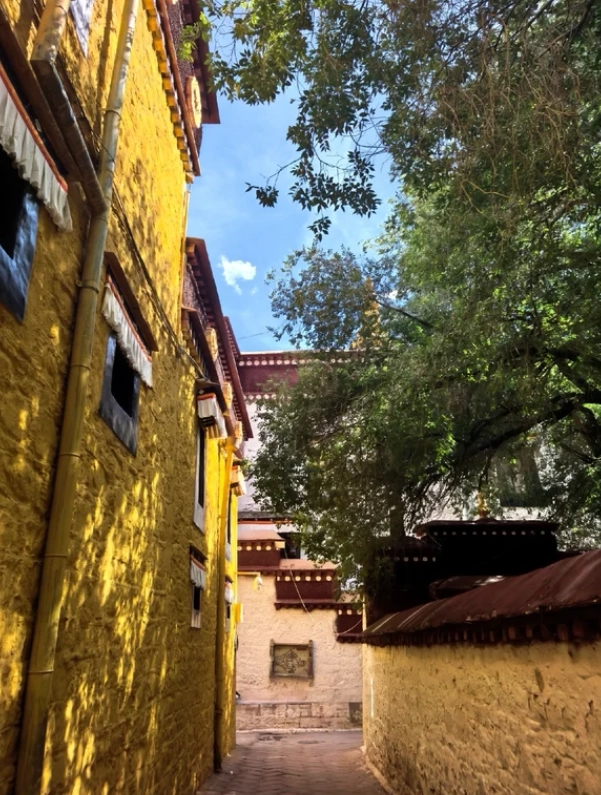
Pro Tip: The walk up is steep, so take it slow if you're still adjusting to the altitude. There's a shuttle bus from the main road, but it's only for Chinese tourists? Not sure. I recommend hiring a local scooter (moto) to take you to the main courtyard.
6. Sera Monastery
Famous for its monks' debates — a must-see for the energy. Sera is about 5 km north of Lhasa. It's another great university monastery, and its gardens are lovely. But the real draw is the afternoon debate sessions where monks argue about Buddhist philosophy — it's theatrical and fun.
- Ticket: ¥50. Same as Drepung.
- Address: No. 2, Sela Road, Chengguan District (拉萨市城关区色拉路2号).
- Hours: 9:00–16:30 (last entry 16:00). Debates typically start around 14:00 in the courtyard behind the main hall.
- Time needed: 1.5–2 hours.
- Best time: Arrive before 2pm to secure a good spot for the debates.
Insider Advice: Don't stand directly in the middle of the debate circle — the monks move around and you'll get bumped. Sit on the side or on the steps. Also, photography is allowed, but keep it respectful.
7. Ramoche Temple
The underrated twin of the Jokhang — quiet and full of charm. Ramoche is often overshadowed by its bigger sister, but it's a gem. In the 7th century, it was the site of the Jowo statue before it was moved to Jokhang. Today it's a working temple with a serene courtyard.
- Ticket: ¥20, that's what I remember.
- Address: At the intersection of Beijing East Road and Xiaozhao Street. Show the taxi driver: 拉萨市城关区北京中路小昭寺路.
- Hours: 9:00–17:00.
- Time needed: 30–40 minutes.
- Best time: Late afternoon when the light is soft.
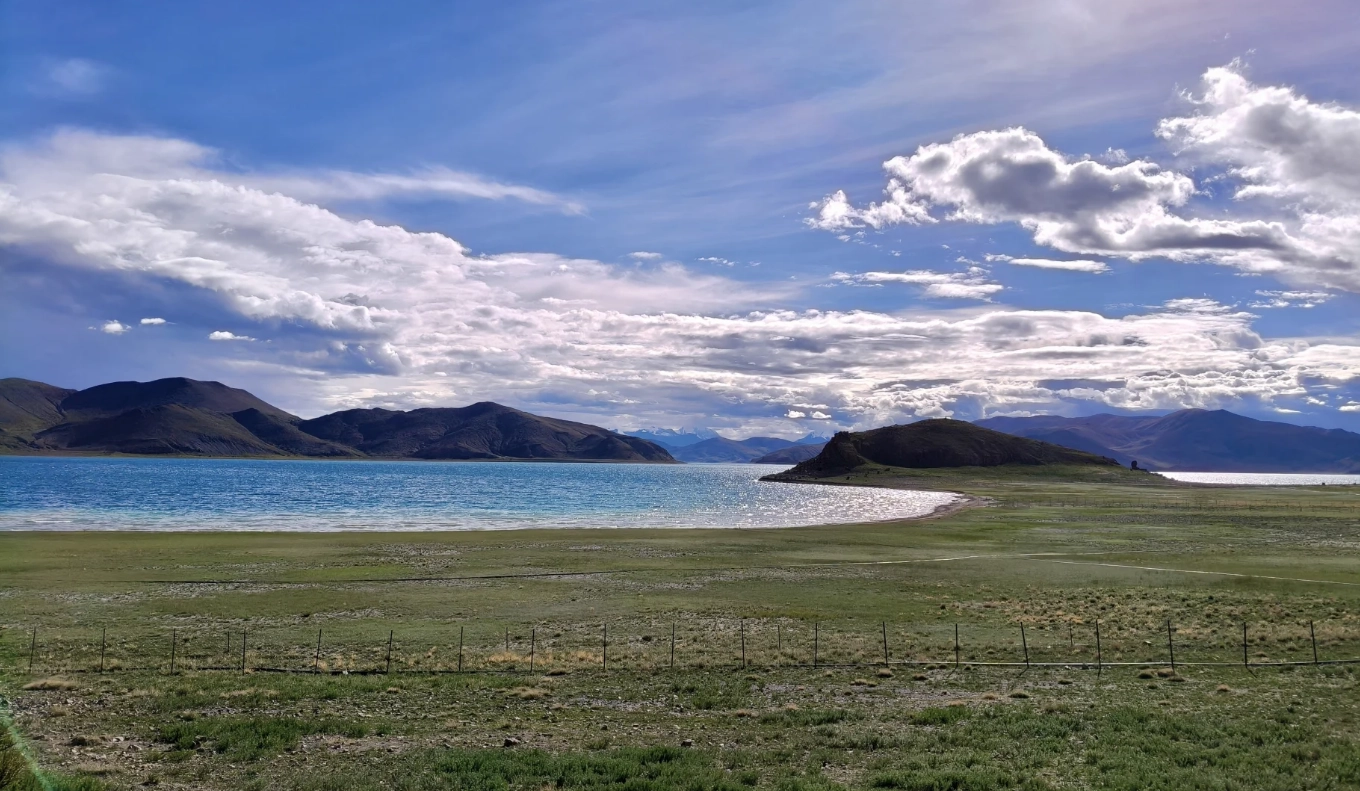
Pro Tip: The entrance is easy to miss — look for the line of pilgrims spinning prayer wheels.
How to Plan a Must-See in Lhasa 3-Day Itinerary
Now, let me help you pack these must-see in Lhasa sites into 3 days without triggering a headache. The key is to respect the altitude and avoid up-and-down to the outskirts every day.
Day 1: The Heart
Start at the Potala Palace (book the earliest slot). Lunch at Sweet Tea House near the Potala for momos and butter tea. Then walk to the Jokhang Temple (20 min) — do the kora first, then go inside. Spend the late afternoon exploring Barkhor Street. End with dinner at the Snow Restaurant near Jokhang — try the Tibetan pizza and yak meat.
Day 2: The Eastern Outskirts
Morning: Visit Ramoche Temple (15 min from center). Then take a taxi to Sera Monastery (about 20 min). Explore the monastery and stay for the debates around 14:00. Return to the city and rest. If you have energy, take a taxi to Norbulingka (15 min) and stroll the park before sunset.
Day 3: The Western Edge
Start with Drepung Monastery (taxi about 30 min). Explore the white-washed alleys. Lunch near Drepung. Head back to Norbulingka for the palace and gardens. In the late afternoon, grab your camera for the golden-hour shot at Potala Palace Square.
Flexibility note: If you need a rest day (and you probably will), swap Day 3 with a morning only at Norbulingka and a lazy afternoon at a teahouse in the old town.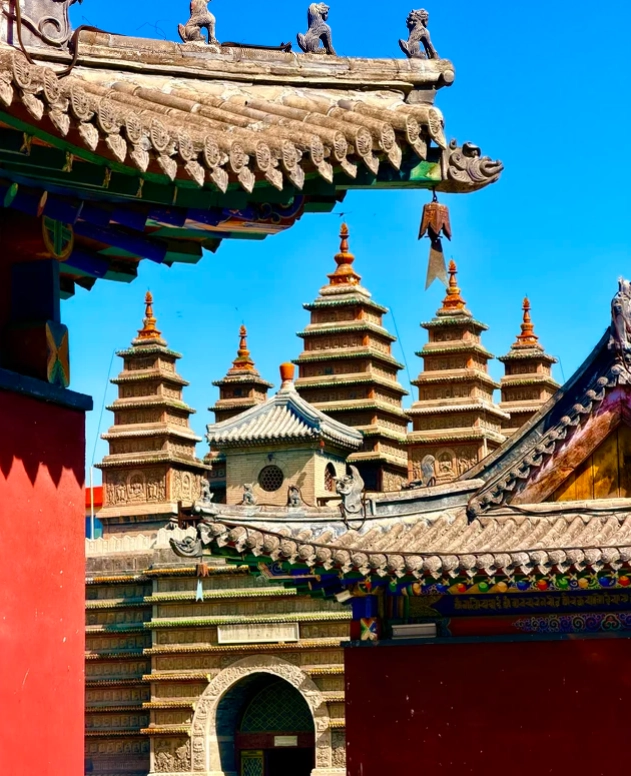
Must-Know Tips for the Must-See in Lhasa
1. Pay with Alipay or WeChat Pay. Everything here runs on QR codes. You'll see old monks and vending machines all accepting WeChat. My advice: set up Alipay before you arrive (it's easier for foreigners than WeChat). Bring some cash as backup — I never had a problem using cash at major attractions, but street stalls are tricky.
2. Your phone will fail without a VPN. Google Maps, Gmail, and WhatsApp are blocked in China. Download a reliable VPN before you land. For maps, download the offline maps from Apple Maps, or use AMap (高德地图) which has an English interface that's better than Google here.
3. Bring your passport everywhere. You'll need it for every ticket purchase. The official booking systems require passport numbers for foreign tourists.
4. Book train tickets early. If you're arriving by train from Chengdu or Xining, book via Trip.com at least two weeks ahead. The 'Tibet train' is famous but sells out instantly.
5. Drink water and sleep early. Altitude sickness is real. Your first two nights in Lhasa, get a good sleep, avoid alcohol, and drink lots of water. I always tell my clients to have acetazolamide (Diamox) prescribed from their travel doctor.
6. Forget about walking speed. At 3,650m, walking a flight of stairs feels like climbing Everest. My rule: half the speed, double the time.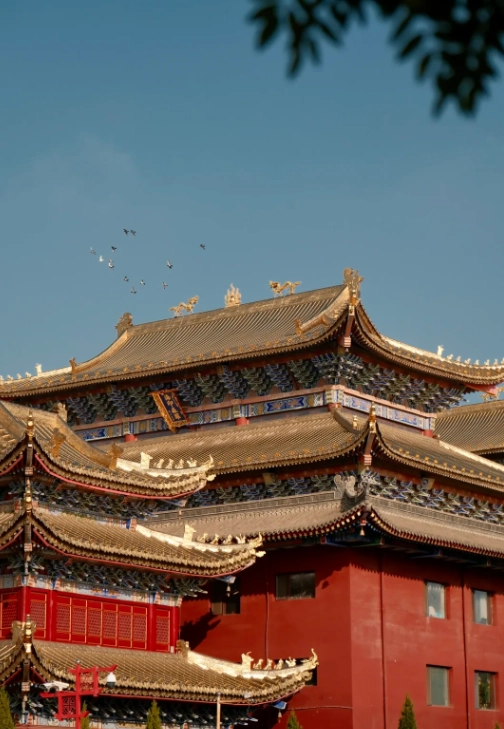
FAQs: Must-See in Lhasa Questions
Verified and fact-checked by the editorial team. All ticket prices and opening hours are subject to change; always confirm with official sources like the local tourism offices or Trip.com before your visit.





No comments yet.