 Qiang Huang
What You'll Get From This Guide
- What to Do in Shanghai on Your First Day: A Time-Smart Itinerary
- How to Get Around Shanghai Without Losing Your Mind
- What to Eat in Shanghai: My Go-To Local Spots
- Where to Stay in Shanghai: Three Neighborhoods Worth Your Money
- How to Book Attractions in Shanghai (And Avoid the WeChat Nightmare)
- What to Do in Shanghai at Night: Lights, River Cruise, and More
- What to Do in Shanghai When It Rains: Indoor Plan B
- Frequently Asked Questions About What to Do in Shanghai
Ever had a taxi driver laugh at your phone? That was me, my first week in Shanghai — and I loved it.
But for tourists, that thrill fades fast when you hit your first payment block or stand at the wrong subway exit.
This what to do in Shanghai guide isn't a Wikipedia dump. It's the manual I wish I had when I moved here a decade ago.
Here's my blunt answer right now: your trip hinges on two things — setting up Alipay before you land and pre-booking everything through Trip.com. Do that, and you're already ahead of 80% of visitors.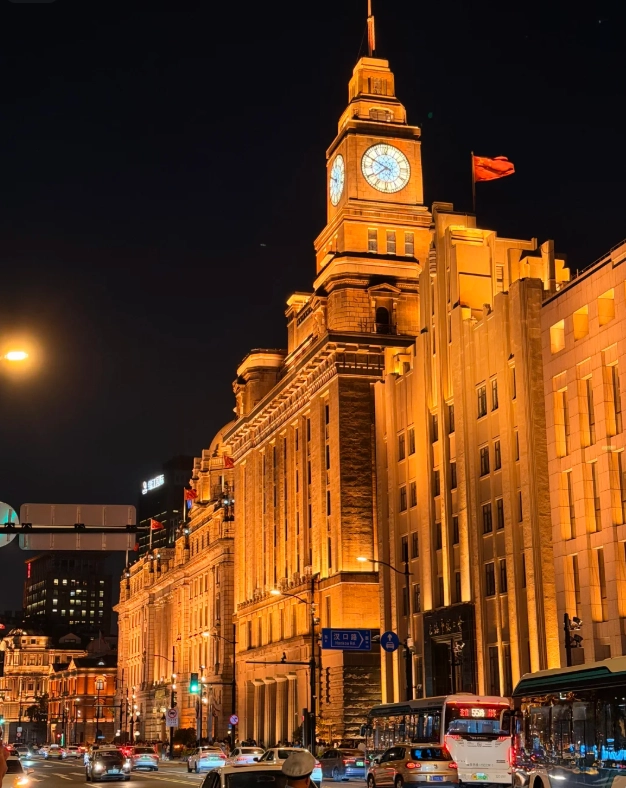
What to Do in Shanghai on Your First Day: A Time-Smart Itinerary
Let me save you from the classic mistake of trying to do too much. Shanghai has layers — colonial Bund, ancient gardens, futuristic skyscrapers — and you can sample it all in one dense day, provided you move right.
Morning: Yu Garden and Old City
Start at Yu Garden (豫园) before it gets busy. The garden opens at 8:30 AM, but the ticket line can already be long by 9. I usually tell my clients to arrive by 7:45 and grab breakfast at a nearby baozi stall first. Entrance costs about 40 RMB, and you'll need a reservation. Book it via Trip.com the night before — the official WeChat mini-program is a nightmare even for me.
Note: the garden is small, so spend no more than 90 minutes inside. The adjacent streets (豫园商城) are tourist traps for snacks, but okay for photos. If you want a local breakfast, walk one block east to a small shop at 130 Chenxiangge Road that serves the best scallion pancakes in the area. It's cash-only, so keep some small bills.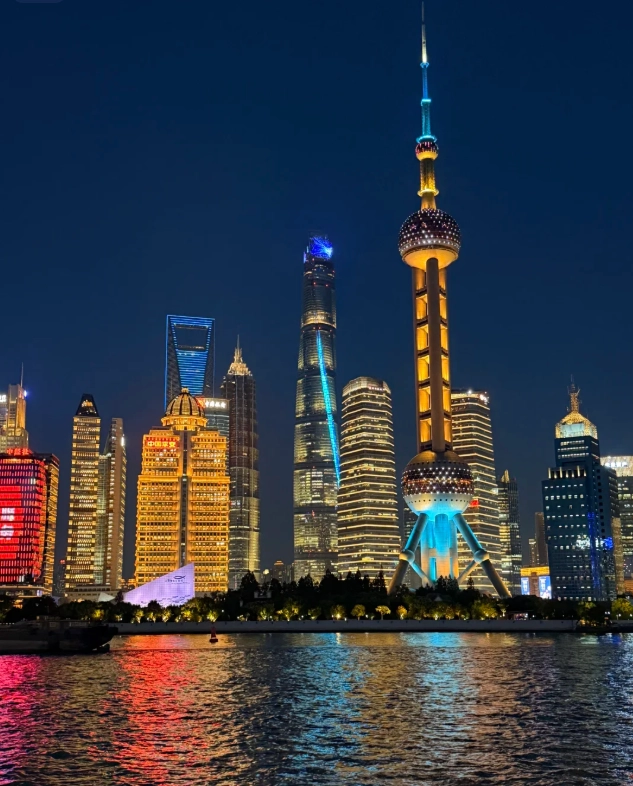
Late Morning: City Wall and Nanjing Road
Walk north to the old city wall remnants at Dajingge, then head to Nanjing Road. It's a 20-minute stroll, or take Metro Line 10 to East Nanjing Road. The pedestrian street is iconic but crowded; I'd skip the shopping and walk directly to the Bund. But if you need a bathroom, use the public restroom near the Nanjing Road station exit #4 — the ones further down the street are often longer.
Afternoon: Shanghai Museum or Urban Planning Hall
If you're into history, the Shanghai Museum is top-tier — and free. It's in People's Square, right off Line 1/2/8. Reserve a slot via Trip.com because they cap visitor numbers. Alternatively, the Shanghai Urban Planning Exhibition Hall is less crowded and shows the city's future — my clients love the massive scale model. It costs about 30 RMB and you can walk in without a reservation on weekdays, but weekends are packed. Go straight to the 3rd floor; the model is best viewed from above.
Evening: The Bund and Pudong Skyline
Watch the sunset from the Bund promenade. Here's a pro tip: the Bund faces Pudong, so the sunset is behind you — you'll get better photos if you go at blue hour (around 6 PM in summer). After sunset, walk through the tunnel of lights to Lujiazui, or take a ferry from the Jinling Road pier for only 2 RMB. That ferry is a local secret — it shuttles commuters across the river and gives you a raw water-level view. The last ferry leaves around 10 PM, but check the schedule at the pier.
For dinner, book a riverside restaurant in Lujiazui for skyline views, or hit the food courts under the towers. I love the new food court in the Shanghai Tower basement — it's budget-friendly and has decent noodle stalls, though English menus are nonexistent. Point at what others are eating; that's the real local way.
Yes, this day is heavy on walking. I recommend taking the Metro from Yu Garden to People's Square to save energy for the evening. You can also swap the Urban Planning Hall for a rooftop bar at the Waldorf Astoria if you're traveling without kids.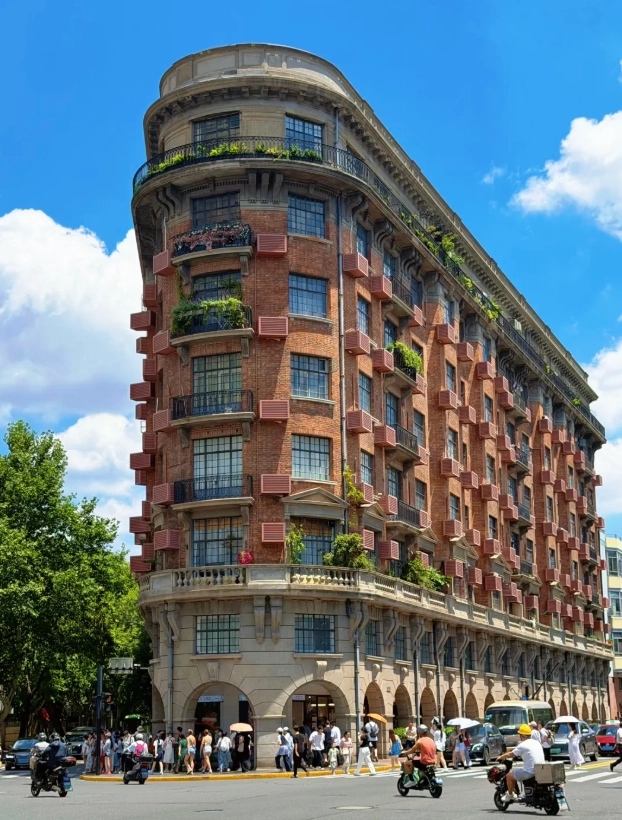
How to Get Around Shanghai Without Losing Your Mind
First, delete Google Maps in China. It's more than unreliable — it will guide you into closed roads and wrong subway exits. Apple Maps works reasonably well because it uses AMap data, but the best option is to download AMap (高德地图) and switch it to English. It gives you the same turn-by-turn navigation as Google, plus accurate public transit times.
For hailing cars, use Didi (DiDi), not Uber. The app has an English version, and you can link your international credit card or pay via Alipay. Payment is digital; drivers never carry change. If you're on the street and need a taxi, press the "Taxi" button in AMap — it automatically gives the driver your destination in Chinese, which saves a thousand misunderstandings.
Here's a comparison of your main transport options in Shanghai:
| Mode | Speed | Cost | Best For |
|---|---|---|---|
| Metro | Fast, avoid traffic | 3-10 RMB | Rush hours, long distances |
| Taxi/Didi | Moderate, traffic-prone | 15-50 RMB | Late night, groups, luggage |
| Ferry | Slow but scenic | 2 RMB | Crossing the Huangpu River |
| Bicycle | Good for short hops | 1.5 RMB per 30 min | Exploring the French Concession |
Ride-sharing bikes are everywhere — the two leading apps are (Meituan) and Hello Bikes. They're cheap and easy if you're comfortable cycling. But be prepared for aggressive traffic law enforcement: you can be fined for crossing and pushing your bike past a red light. I've seen it happen.
Pro Tip: When in a taxi, always have your destination written in Chinese on your phone. Even with Didi, drivers sometimes call to confirm the exact entrance. Use the message feature in Didi to send a pre-written Chinese note.
What to Eat in Shanghai: My Go-To Local Spots
Shanghai's food scene is a mix of local Jiangnan flavors and street food. You can't leave without trying xiaolongbao (soup dumplings), shengjianbao (pan-fried buns), and the city's famous braised pork. But skip the overpriced diners on Nanjing Road — head where locals actually line up.
Din Tai Fung vs. The Real Local XLB
Din Tai Fung is reliable but pricey. For a local dive, head to Jia Jia Tang Bao (佳家汤包) at 70 Huanghe Road. The stall is tiny, and you'll wait 20 minutes, but each xiaolongbao is hand-wrapped with a perfect broth-to-meat ratio. The crab roe version is my personal must-order — it's sweet and savory, but the crab flavor is intense. Prices run about 30-50 RMB per basket. Payment: cash or Alipay, no credit cards. English menu? Not really, but there are photos on the wall.
Breakfast Heaven: Taiwanese Sushi Roll (or Neimen Dumplings)
If you miss breakfast, you're missing the best part of Shanghai. Head to Wang Jia Sha (王家沙), a beloved fast-food chain specializing in wontons and mochi. The Nanjing West Road branch is busy but organized — look for the plastic tray system. I always order the shrimp wonton and a side of sesame-glazed rice cake. It's light, not too sweet, and takes five minutes to eat. Great for families.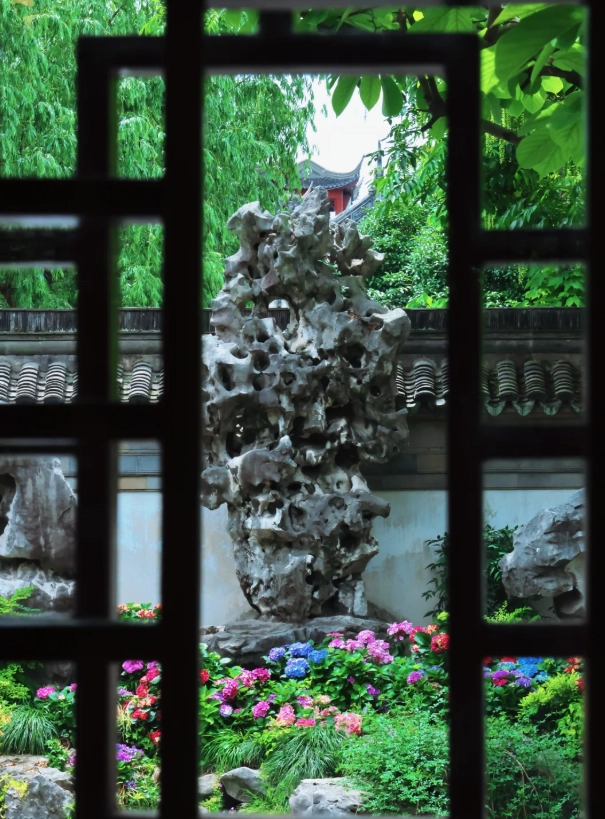
Street Food: The Red Lantern
In the French Concession, you'll find street vendors grilling skewers at night. My favorite is near the corner of Fuxing West Road and Wukang Road — it has no name, but it has a red lantern. They serve lamb skewers with cumin (2 RMB each) and grilled garlic eggplant (10 RMB). The vendor only speaks Chinese, so point at what you want. Cash or Alipay. It's greasy, fantastic, and not for health-sensible travelers.
For a more formal sit-down, try Lost Heaven (花马天堂) on Maoming Road. It's a Yunnan-style restaurant, not traditional Shanghai, but the space is stunning and the food is Instagram-worthy. The papaya salad is spicy — death-level for some locals. If you want classic Shanghainese red-braised pork, order the "Hongshao Rou" at Charlie's Crab or a similar upscale place. Expect to pay 150-300 RMB per person at these spots.
Watch for the "tourist menu" — many restaurants offer a separate, pricier menu for foreigners. If you can, ask for the Chinese menu or use an app like Dianping to see local prices. That's the #1 way to save money.
Where to Stay in Shanghai: Three Neighborhoods Worth Your Money
Your base determines your entire day. Here's the honest breakdown: staying near a Metro line saves you more than staying right next to the Bund. Traffic in central Shanghai is brutal from 8-10 AM and 5-7 PM.
| Neighborhood | Distance to Bund | Hotel Range (per night) | Best For |
|---|---|---|---|
| People's Square / Nanjing Rd | 1-2 Metro stops | 600-1,500 RMB | First-timers, sightseers |
| Former French Concession | 15 min taxi | 500-2,000 RMB | Couples, travelers who love cafés |
| Lujiazui (Pudong) | 5 min Metro/ferry | 700-2,500 RMB | Business travelers, skyline views |
People's Square: The Tourist Hub
You're within walking distance of the Museum, Nanjing Road, and the Bund. I recommend the JW Marriott at Tomorrow Square or the Youth Hostel on Qinghai Road for budget stays. The area is loud at night, but you're near two metro lines (1, 2, 8).
French Concession: The Chic Escape
If you want tree-lined streets, niche boutiques, and the city's best coffee, stay here. The Ritz-Carlton on Fuxing Road is a splurge, but the neighborhood alone is worth it. You'll be a 15-minute taxi to the Bund; avoid rush hour. There's also a metro line 10 station at the north end.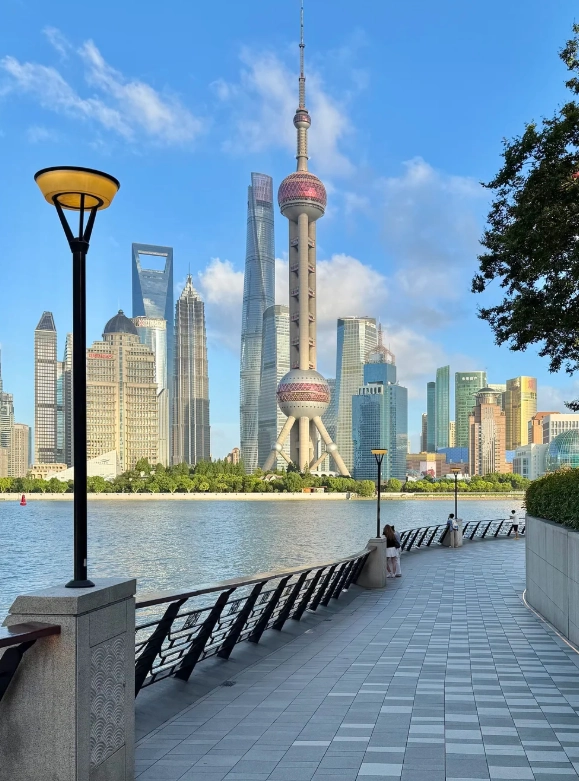
Lujiazui: The Modern Business View
You're in the heart of the financial district with insane views from your room. The Shanghai Tower Hyatt is iconic but pricey. For a better value, the Renaissance on Century Avenue offers great skyline views for less. Note: evenings here are dead regarding local culture — you'll need to cross the river for nightlife.
Regardless of where you book, always check if the hotel has a working VPN and comfortable beds — many budget hotels have rock-hard mattresses. I usually ask in advance if they have an English-speaking front desk; it has saved me more times than I can count.
How to Book Attractions in Shanghai (And Avoid the WeChat Nightmare)
Shanghai is a city of reservations. Most major attractions now require an advance ticket or a visit time slot. You can try the official WeChat mini-programs, but they're in Chinese and often reject foreign bank cards. Here's what actually works:
- Use Trip.com (携程) for 90% of things. They have an English app and website, accept international cards, and issue e-tickets instantly. You'll get a QR code; save it to your phone.
- For the Shanghai Museum and Shanghai Tower, book at least 2-3 days ahead. Same-day tickets are often gone by noon, especially on weekends and holidays.
- Carry your passport everywhere. Every ticket, museum entry, and hotel check-in requires it. Your driver's license is not valid for sightseeing.
- Skip the bundled tour packages that include lunch. They're overpriced, and you'll be stuck with a mediocre meal. Buy tickets à la carte.
If you absolutely must use the WeChat route and you're stuck, ask your hotel concierge to book for you. It's part of their job, and they'll know the workarounds for international cards. I've done this for countless guests who couldn't even open the mini-program.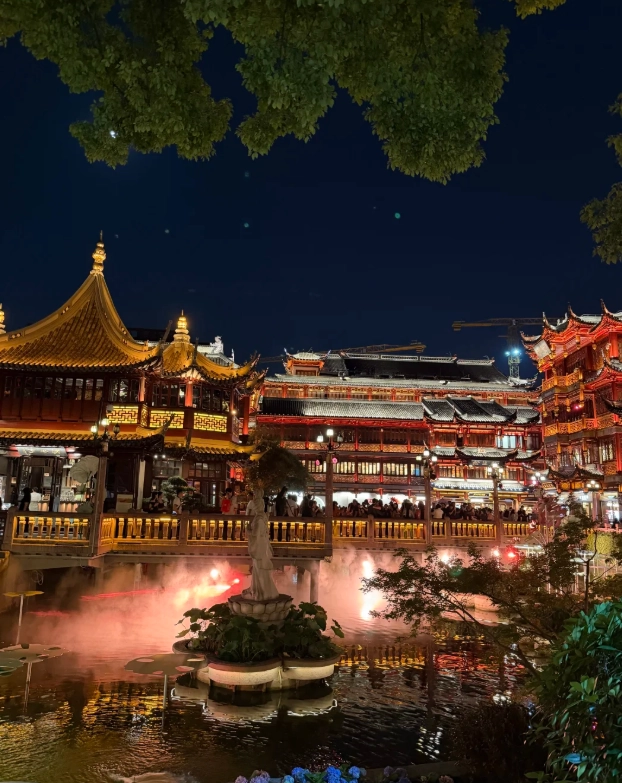
Insider Advice: The Bund itself is free, but the Jinmao Tower observation deck has a specific entry time — I recommend the 6:30 PM slot. The sunset glow plus city lights is unbeatable, but it fills up fast, so book early.
What to Do in Shanghai at Night: Lights, River Cruise, and More
Shanghai never sleeps, but the classic night activities do require planning. After dark, the Bund transforms into a light show.
The Bund Light Show
From 7 PM to 10 PM, the skyscrapers in Lujiazui put on a coordinated light display. The best spot is the Bund promenade, but it's crowded. For a quieter view, cross to the Pudong side and stand near the Riverside Avenue pathway — you'll see the old city skyline with a modern twist. Bring a tripod for your phone; you'll need long exposures.
River Cruise
There are several cruise operators on the Huangpu River. I prefer the one from Shiliupu (十六铺) pier. It's 120 RMB for an hour-long trip, and you get a unguided tour of the skyline from the water. Book via Trip.com or your hotel. Pro tip: book the 7:30 PM sailing — the sunset is over, but the lights are full.
Bars with a View
For a cocktail with a skyline view, head to Flair Rooftop at the Ritz-Carlton on the 58th floor of the Shanghai IFC. It's pricey (85-150 RMB per drink), but worth it for the view. Another local favorite is Captain's Bar on the 7th floor of a historic building opposite the Bund — it's older and more casual, but the outdoor terrace is a gem. Go before 8 PM to avoid the waitlist.
If you're broke, grab a 5 RMB beer from a convenience store and sit on the steps at the south end of the Bund near the Song Dynasty city wall. It's a local hangout and a fantastic people-watching spot.
What to Do in Shanghai When It Rains: Indoor Plan B
Summer showers come fast in Shanghai. Don't hide in your hotel — the city shines indoors.
Museums and Art Galleries
The Shanghai Museum (free with reservation) and the China Art Museum (free, but check for holiday rush) are excellent. The latter is in the Expo Pavilion, and the architecture alone merits a visit. If contemporary art is your thing, visit West Bund Museums — there are three adjacent, including the Tank Shanghai. Reserve ahead.
Bookshops and Malls
Shanghai's malls are mazes — and they're perfect for rain. The Shanghai Grand Gateway at Xujiahui has a massive cinema and a kid-friendly indoor playground. For book lovers, the Shanghai Book City on Fuzhou Road is a quiet refuge with English-language books on the fourth floor. If you still want skyline views, the observation deck of the Shanghai Tower is indoors, but the view is hazy on rainy days.
Café Hopping in the French Concession
Rain exactly matches the vibe of the French Concession. Pick a coffee shop from the Line Friends café on Huaihai Road or the M Stand on Wukang Road — they have large windows and prime people-watching. Wukang Road itself has a street of boutiques and galleries to explore under cover.
I don't advise shopping on the Bund side during a typhoon, but that's only August. A solid afternoon in a museum will recharge you for the evening.
Frequently Asked Questions About What to Do in Shanghai
To wrap up, Shanghai is a city that rewards preparation. Put these tactics to work, and you'll avoid the headaches that eat into most trips. And remember, the best fun often happens when you confidently wander — now you know how to get home safely.





It's okay. Getting to the Bund early definitely helped, and the metro advice is correct. But a lot of it felt generic: avoid weekends, book ahead, don't go to Disney on a Monday. I also found the tone a bit pushy, and one of the market stalls mentioned was gone entirely. Not a waste of time, but not the insider knowledge I expected.
Solid and clearly laid out. It helped us dodge the long queues at the Shanghai Museum and find a quieter hour at Zhujiajiao. Dropping a star because one restaurant in the French Concession section had closed since publication, and the Maglev advice got a bit confusing for a first-timer staying near Nanjing Road. Everything else was practical and felt like real local knowledge.
Best travel advice I downloaded before this trip. As a solo traveller I loved the exact times and metro exits - no vague 'later is better' nonsense. Went to the Lujiazui skywalk at 7:30 as suggested and had the whole viewpoint almost to myself. My photos of the Pearl Tower are actually of me, not strangers' heads. Also, the warning about the sightseeing tunnel saved me from falling for a classic tourist trap.
We're normally skeptical of online guides, but this one paid off. The Sunday morning itinerary kept us ahead of the tour groups all day. We walked into the former French Concession while it was still quiet, and the little noodle shop next to the metro exit was exactly the kind of place we would never have found alone. Only wish there were more food suggestions. Still an easy 5.
Absolutely worth reading before you go. I followed the early morning route and watched sunrise on the Bund with maybe ten other people instead of the usual selfie-stick crowd. The tip about entering Yuyuan Garden through the south gate cut our wait enormously, and the 2 RMB ferry suggestion gave us the skyline view without the observation deck price. Whoever put this together clearly knows how Shanghai actually moves.
Lived in Shanghai for two years and still learned a few things from this piece. The 'avoid the Bund at 8pm' tip is so true—tourist crush is unreal. I loved that they highlighted the less obvious spots like the old warehouse galleries and the quieter stretch of Suzhou Creek. The section on using the metro card app saved me at every station. It's clearly written by someone who knows the city, not just a copy-paste list. 10/10, sent it to all my friends visiting next month.
Honest review: I found some of the tips useful, especially the suggestion to visit Shanghai History Museum late afternoon—it was quiet and free. But the article repeats a lot of general advice you can get in any city guide: 'go early, avoid weekends.' The map links were a bit broken on my phone when I tried to use them, which was frustrating. It's okay for a quick read, but I wouldn't rely on it if you already know the basic Shanghai logistics.
As someone who only had 48 hours in Shanghai, this article was exactly what I needed. The itinerary flow made sense: morning at People's Park, then French Concession for lunch, then off to Lujiazui after peak. We skipped the observation deck wait by booking the afternoon slot as advised. My wife and I walked through Tianzifang before the souvenir shops got rammed. The food suggestions were spot on too—the xiaolongbao place near Nanjing Rd had almost no line at 10:30. Genuinely grateful for this guide.
Decent guide overall. I appreciated the practical times to visit the major sights—getting to the Oriental Pearl Tower before lunch made the elevator wait bearable. The advice about walking across the Waibaidu Bridge rather than taking the paid tour? Good call. Only reason I'm not giving 5 is that it doesn't mention how to handle reservations at popular restaurants and some of the 'hidden gems' are now pretty well-known. Still, saved me a couple of hours in line.
Read this before my first Shanghai trip and honestly it saved me. The tip about going to Yu Garden right when it opens instead of midday made a huge difference—we basically walked straight in while the tour groups were still lining up. Also loved the suggestion to use the ferry across the Huangpu instead of the Bund tunnel; cheap and way less crowded. Felt like I got a proper look at the skyline without being shoved around. Would recommend to anyone who hates queues.