 Jian Zhao
At-a-Glance: What's Ahead
I've lost count of how many travelers I've guided through this desert outpost. The sun is brutal. The sand gets everywhere. But every single one of them returns home with pictures that belong in a National Geographic spread.
You might think Dunhuang tourist attractions are just about the Mogao Caves—and yes, those are unmissable. But the real challenge isn't deciding what to see; it's battling the crowds, the heat, and the cultural barriers that can ruin your experience if you're unprepared.
Here's the deal: if you follow the typical 3-day itinerary floating around the internet, you'll end up queuing for hours under the sun. Instead, I'm going to show you the exact times to visit, the shortcuts to booking, and the hidden spots that most tour groups skip.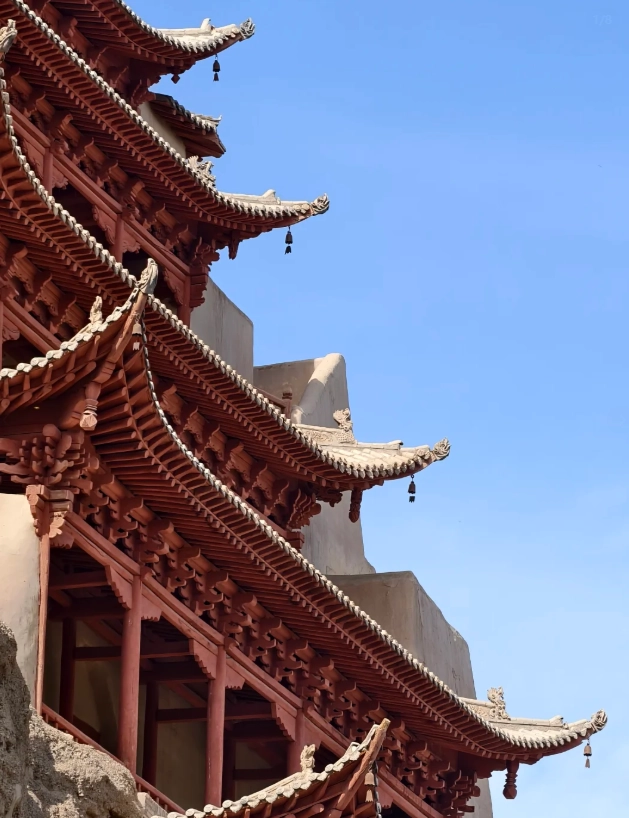
Why Dunhuang Deserves a Spot on Your China Itinerary
Nestled at the western edge of the Gansu Corridor, Dunhuang was once a critical outpost on the Silk Road. For centuries, traders, monks, and armies passed through this oasis, leaving behind a cultural melting pot that's now preserved in the form of breathtaking caves, forts, and dunes. If you're into history, photography, or just standing in places that feel impossibly ancient, this city delivers on a scale few other destinations can match.
But here's the catch: Dunhuang's remote location means you'll need to plan carefully. There's no hopping off a train into a modern metropolis. The nearest big city is Lanzhou, about 1,100 kilometers away. Flights from major Chinese cities like Beijing, Xi'an, and Lanzhou land daily, but once you're here, you're truly in the desert—which is exactly the point.
The Top Dunhuang Tourist Attractions You Can't Miss
| Attraction | Ticket Price (approx.) | Opening Hours | Suggested Visit Duration | Booking Required? |
|---|---|---|---|---|
| Mogao Caves | Peak 238 RMB / Off-peak 140 RMB | 8:00–18:00 (peak) | 3–4 hours | Yes, in advance |
| Crescent Lake & Singing Sand Dunes | 110 RMB | 6:00–21:00 | Half day | No, but book camel rides on arrival |
| Yumen Pass | 40 RMB | 8:00–18:00 | 2 hours | No |
| Yangguan Pass | 50 RMB | 8:00–18:00 | 2–3 hours | No |
| Dunhuang Museum | Free | 9:00–17:00 (closed Mondays) | 1 hour | No |
Mogao Caves: Step into Buddhist Art History
Mogao Caves, also known as the Thousand Buddha Grottoes, is the crown jewel of Dunhuang and a UNESCO World Heritage Site. Carved into a cliff face over 1,000 years, these 735 caves hold some of the finest Buddhist art on the planet. You'll see vivid murals, ancient manuscripts, and sculptures that have survived wars and weather.
Here's the part that trips up most foreigners: you can't just show up and buy a ticket. All visitors must book a specific time slot in advance, either through the official website or via platforms like Trip.com. You'll need your passport number, and you'll enter through the Digital Exhibition Center, where you watch two short films before taking a shuttle bus to the actual caves.
My advice: book the earliest slot (around 8:30am) to beat the tour groups. Bring water and a hat—there's not much shade once you're out on the cliff path. Inside the caves, photography is strictly forbidden, but honestly, the images will stick in your mind anyway.
Getting there: it's about 25km from downtown. A taxi costs roughly 60–80 RMB and takes 40 minutes. Wait, actually there's a public bus (line 12) that stops near the Digital Exhibition Center—check with your hotel or the local tourism office for the latest schedule, as it can be unreliable.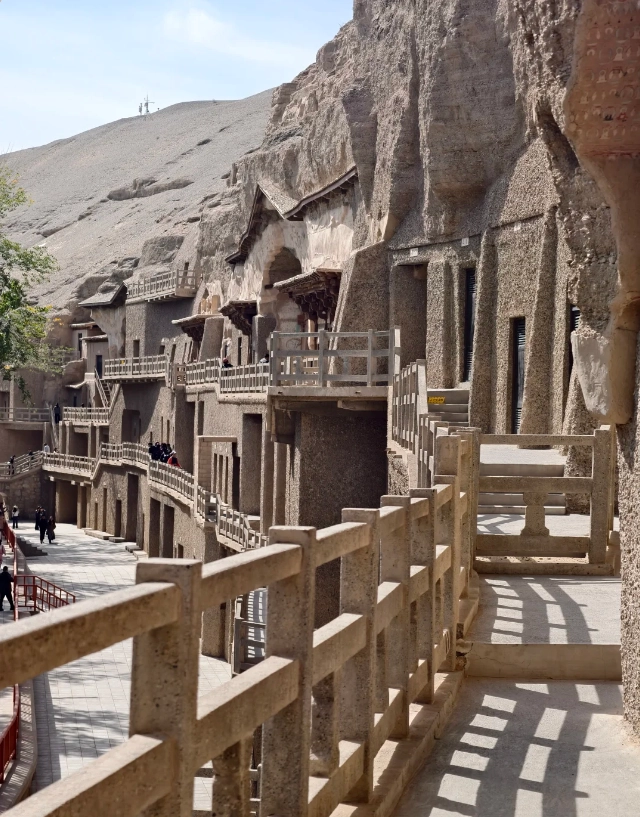
Crescent Lake and Singing Sand Dunes: A Desert Oasis
Just 6 kilometers south of downtown, the Singing Sand Dunes and Crescent Lake form the postcard-perfect desert scene that most travelers dream about. It's exactly what you imagine: giant golden dunes curving around a crescent-shaped lake that's somehow survived for millennia in the middle of the desert.
You can hike up the dunes (there are wooden stairways now), ride a camel along the ridge, or just sit and watch the sun melt into the horizon. I always tell my clients, if you only do one thing here, make it sunset. The light turns the sand a deep amber and the crowds thin out dramatically after 6pm.
Pro Tip: Buy a pair of plastic shoe covers (about 10 RMB) at the entrance. Otherwise, you'll spend hours pouring sand out of your sneakers.
Entrance is about 110 RMB, and the park stays open late in summer—sometimes until 9pm. You can take bus line 3 from the city center, or a taxi for about 20 RMB.
One thing to note: the 'singing' sand does actually happen—when wind blows or it's disturbed, the dunes emit a low hum. It's subtle, so listen closely.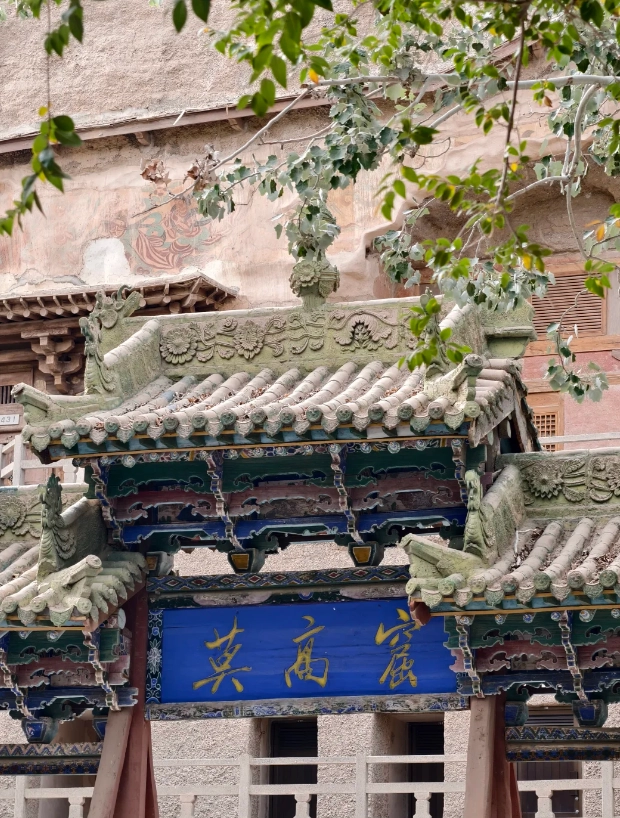
Yumen Pass and Yangguan Pass: Ancient Frontier Gates
The Yumen Pass (Jade Gate) and Yangguan Pass are two historic frontier gates that evoke the romance of the ancient Silk Road. These aren't just tourist sites—they're actually ruins you can walk through. Yumen Pass is a crumbling fort that once controlled traffic along the northern Silk Road, while Yangguan Pass has a more restored watchtower and a museum.
They're far from town—about 80km northwest and 70km southwest, respectively. Unless you have a car, you'll need to hire a private driver or join a day tour. Expect to pay 400–500 RMB for a car for the whole day. If you're short on time, pick Yangguan Pass—it's more visitor-friendly with an English audio guide.
The entrance fee for each is around 40–50 RMB. Honestly, if you've ever walked through desert ruins before, these might feel underwhelming—but the vast, barren landscape around them is exactly the kind of haunting beauty that makes you feel small. I'd recommend combining one of these with a stop at the Yumen Pass Great Wall, a lesser-known section that's just as impressive.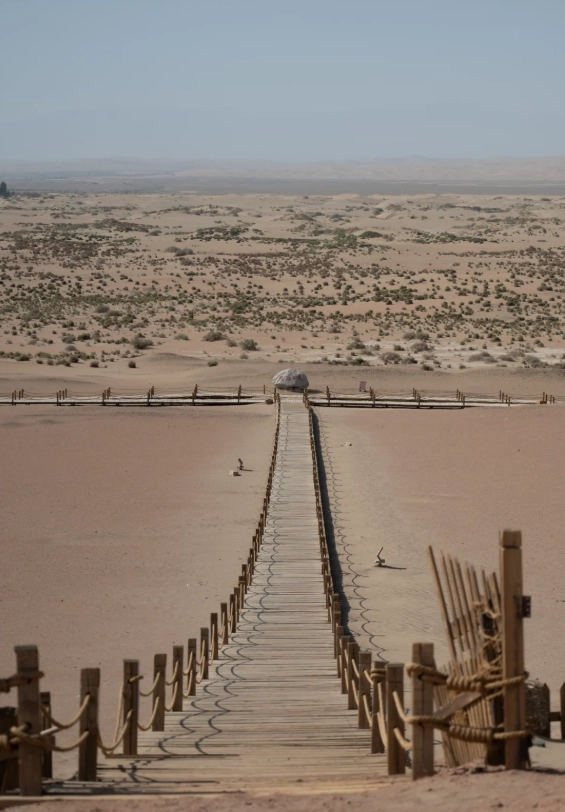
Dunhuang Museum: Free and Underrated
Before you dive into the Mogao Caves, spend an hour at the Dunhuang Museum (free with your passport). This small but well-curated museum gives you the historical context that makes the caves 10 times more meaningful. You'll see replicas of caves, silk fragments, and ancient documents.
It's located in the city center, at No. 25 Gansu Expressway East Side (roughly), and is easily walkable from most hotels. Opening hours are 9am to 5pm, closed Mondays. Trust me, it's worth the hour—you'll impressed your guide later with your knowledge.
How to Plan Your Time: The Best Dunhuang Itinerary
What is the ideal length for a Dunhuang trip?
Most travelers need 2 to 3 full days in Dunhuang to cover the main attractions without rushing. Here's a realistic breakdown:
- Day 1 – Focus on the Mogao Caves in the morning, then the museum in the afternoon. End with a stroll through the Shazhou Night Market for dinner.
- Day 2 – Dedicate the entire day to Crescent Lake and the Singing Sand Dunes. Plan to stay until sunset, then have a late dinner downtown.
- Day 3 (optional) – Hire a car and visit Yumen Pass, Yangguan Pass, and the Great Wall if you have the energy. Head out early—these sites close around 6pm.
If you're traveling during peak season (May to October), add an extra day to account for crowds and heat.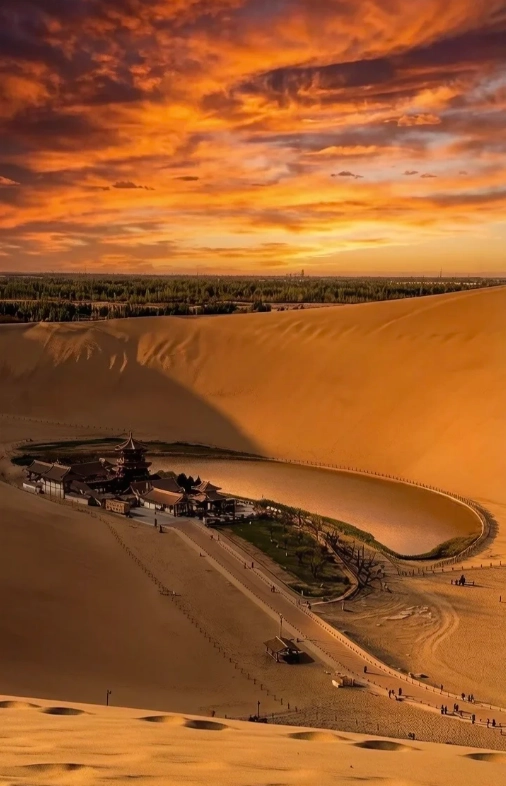
24-Hour Dunhuang Quick Guide
Only have one day? Here's exactly how to make it count—assuming you book your Mogao Caves slot in advance.
- 8:00am – Head to the Digital Exhibition Center for your first films. Taxi is fast, or your hotel can arrange transport.
- 10:00am – Shuttle bus to the caves. The tour lasts about 2 hours.
- 12:30pm – Back in town. Grab a quick lunch at a noodle shop near the night market.
- 2:00pm – Visit the Dunhuang Museum (it's free and you'll beat the afternoon heat).
- 4:30pm – Take bus 3 to Crescent Lake. Start climbing the dunes for a spectacular sunset.
- 8:00pm – Night falls. Head back for a dinner of lamb skewers and Lanzhou beef noodles.
It's tight, but it's absolutely doable if you're organized.
Practical Tips for Visiting Dunhuang Tourist Attractions
How to book tickets and avoid long lines?
Booking Mogao Caves without a Chinese bank card used to be a nightmare, but now international visitors can reserve through Trip.com or Klook. Here's what you need to know:
- Search 'Mogao Caves' on Trip.com or Klook, select your date and time slot.
- Enter your passport details exactly as they appear on your travel document.
- Pay with a foreign credit card (Visa, Mastercard) or via PayPal. Both platforms accept these.
- You'll receive a voucher. Keep it on your phone—they'll scan it at the Digital Exhibition Center.
If you absolutely must, you can also try the official WeChat mini-program, but it's entirely in Chinese and requires a Chinese bank account to pay. Don't waste your time—use Trip.com.
For the other attractions, you can buy tickets on-site. However, during Golden Week (first week of October), expect queues for everything. I'd recommend booking any camel rides at Crescent Lake in advance via your hotel.
Getting around Dunhuang without a car
Dunhuang is small, and most hotels will help you arrange taxis or private drivers, but you'll save money by using local buses. Bus line 3 goes directly to Crescent Lake from the city center, and line 12 passes near the Digital Exhibition Center. The buses cost just 2–3 RMB, but they may not have English signs—use your phone to show the driver the Chinese characters for your destination.
For taxis, the starting fare is 5 RMB, and most journeys within the city cost under 20 RMB. Apps like Didi (Chinese Uber) work for English speakers, so set that up in advance. And note: Google Maps is unreliable and often gives wrong driving routes. Use Apple Maps or the AMap (Gaode) app, which now has an English interface.
If you're heading to the far passes, hire a private car for the day. Prices are negotiable—around 400–500 RMB. Always agree on the price before you get in.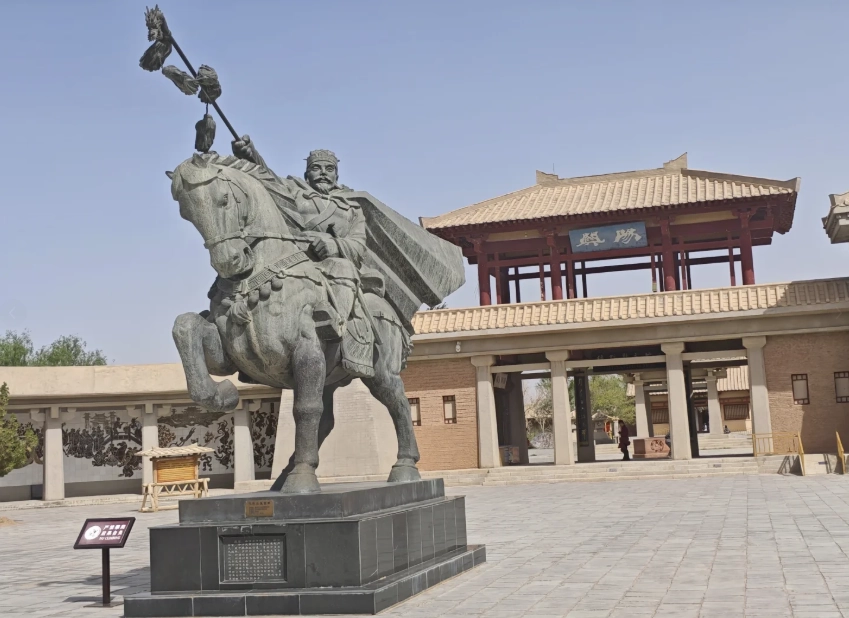
What to pack and how to stay safe in the desert
The desert climate means scorching days, chilly nights, and almost zero shade—preparation isn't optional. Here's my packing checklist:
- Sun hat, sunglasses, and high-SPF sunscreen (reapply often).
- A reusable water bottle—dehydration hits faster than you think.
- Light layers for the evening, because temperatures can drop by 15°C.
- A scarf or bandana to protect your face from sand and dust.
- Power bank—your phone will die faster with all the photos.
Also, bring a small amount of cash for small vendors who may not accept card or international payment. Most places accept Alipay and WeChat Pay, so make sure those are set up with your international card before you travel.
Safety-wise, Dunhuang is one of the safest places I've guided in China. The biggest risk is the sun and the sand, not crime. Just watch your step on the dunes—there are no railings in some spots.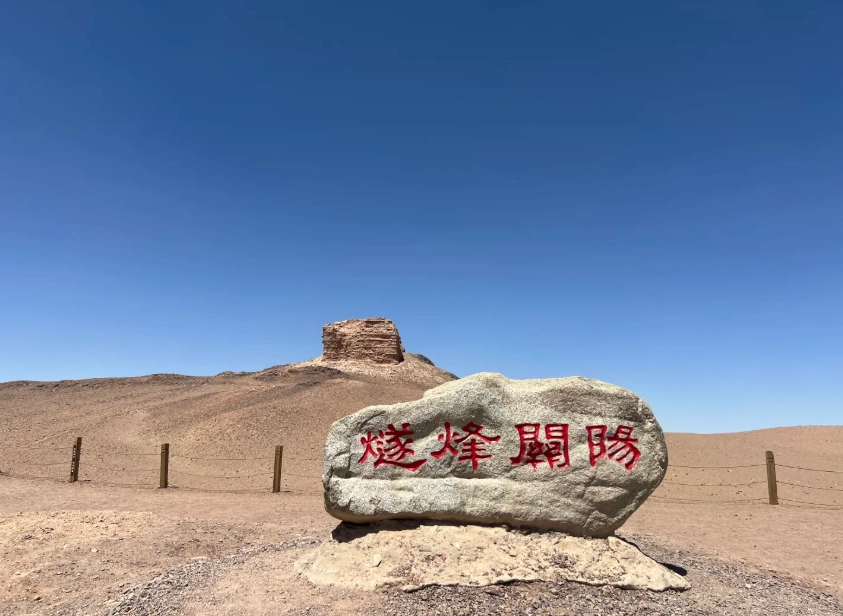
Where to Eat and Stay in Dunhuang
For a true local experience, head to the Shazhou Night Market (沙州夜市) near the city center, where you can try Lanzhou-style beef noodles and grilled lamb skewers. But a word of warning: the night market is touristy and prices are inflated. I usually take my guests to a small street behind the night market called Shazhou West Road, where the locals eat. You'll see the same dishes for half the price.
For a sit-down meal, try the hotel restaurant–most mid-range hotels serve good Xinjiang-style lamb dishes. Vegetarian options are limited but exist—always ask for 'su' (vegetarian) dishes.
When it comes to accommodation, Dunhuang has everything from backpacker hostels (around 100 RMB per night) to international brand hotels (600 RMB+). I recommend staying within walking distance of the night market, so you can stroll out for dinner without needing a taxi. Two options that work well: the Dunhuang Silk Road Dunhuang Hotel (a great mid-range choice) or the Sheraton Dunhuang (if you want luxury). Both have English-speaking staff and stable Wi-Fi.
If you're on a tight budget, check out the Green Tree Inn or similar—they're clean and have private rooms for about 200 RMB.
One caution: during peak season (May-Oct), book your accommodation at least a month in advance. Rooms fill up fast.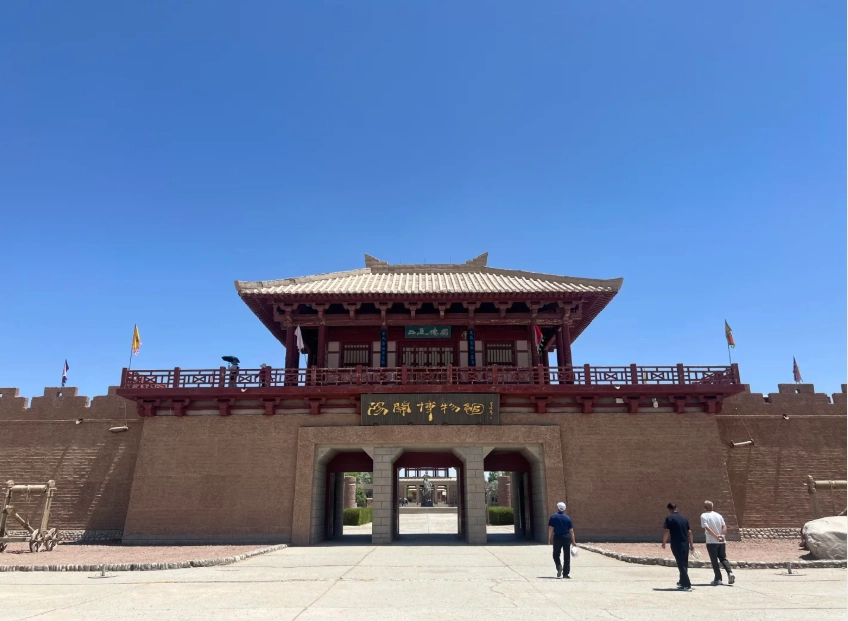
FAQ: Quick Answers to Your Dunhuang Questions
Verified and fact-checked by the editorial team.





Maybe I expected too much because of all the hype. The Skip the Crowds route did avoid the main crowds, yes. But our group of 12 was still too big, and the guide kept hurrying us through the caves. I wanted to sit and really absorb the wall paintings, but we were pushed along the whole time. The desert part was fun, but the camel train felt more like bumper-to-bumper traffic on sand. Also, the lunch stop was overpriced and bland — rice, dusty chicken, and lukewarm greens. Not terrible, just not the magical experience everyone talks about. I'd say do your own research and skip the 'Skip the Crowds' add-on.
Good tips overall. We followed the Skip the Crowds plan and got into the Mogao Grottoes much faster than all the package tourists. The caves themselves are incredible — the Buddha statues and ceiling patterns left me staring. Only reason it's not 5 stars: the afternoon at the Singing Sand Dunes felt rushed, and the camel ride was touristy with long lines. Also, our guide's English was good but sometimes hard to catch over the wind. Still a great day, and the sunset at Crescent Lake was absolutely stunning. Would recommend, just leave a bit more free time.
Dunhuang completely blew me away. The Skip the Crowds itinerary saved us from the nightmare queues at the museum and took us to Yangguan Pass instead of the usual crowded stops. It felt raw and powerful — the wind whistling through that ancient gate actually made me emotional. Our guide, Lily, knew every hidden windbreak and photo spot, and she even carried a little stool so my mum could sit in the shade. That kind of care made a huge difference. 10/10, would do it all again tomorrow.
I'm usually not a tour person, but this Skip the Crowds route made everything ridiculously smooth. The bike ride across the dry riverbed to Yumen Pass? No other tourists in sight. Then our guide pulled out a thermos of jasmine tea while we watched the sunset paint the Gobi orange and purple. That moment alone was worth the whole trip. The section of the Han Great Wall at dusk was quiet and surreal — just wind and empty desert. Highly recommend booking the small-group version. And don't skip the donkey meat noodles afterwards; the perfect way to end the day.
Visited Mogao Caves using the early-bird strategy from the Skip the Crowds guide, and it was honestly life-changing. We got there at 7:30 and basically had our tour to ourselves. The murals are beyond words — the colors are still so vivid after a thousand years. Our guide was patient and pointed out details I would never have noticed. My favorite moment was standing in the dark cave while her flashlight hit the flying apsaras; my heart actually raced. We finished the day at Mingsha Mountain and watched the sunset from a dune with maybe five other people around. Worth every penny. Best thing I did in China, hands down.
We took the sunset tour to the Singing Sand Dunes and it was pure magic. Our guide checked the wind direction and chose the less-used side of the ridge — no footprints, just endless glittering sand. We rode camels in the quiet hour before closing, then watched the sun melt into the Qilian Mountains over Crescent Lake. The Mogao Caves were equally impressive, with a guide who clearly loves the murals. If you're debating whether to spend extra to skip crowds, do it. It made the trip unforgettable.
Expected more for the price and the 'skip crowds' promise. The meeting point was chaotic, and even though we were in a smaller group, we still queued at the caves for 40 minutes. Once inside, the art was amazing, but the audio guide was hard to hear because of other groups. The sand dunes were nice, but the shuttle dropped us right in the middle of a tour group horde. Maybe go in the low season. It wasn't terrible, just not worth the premium.
Honestly this was the best organized part of our Gansu trip. The itinerary skipped the main crowd by taking us to the Yumen Pass and Great Wall remnants first, then hitting the Mogao Caves when most buses were leaving. We had almost the whole walkway to ourselves. The desert silence around the dunes is unreal, and the guide pointed out a tiny fox near the springs! If you hate crowded tourist spots but still want to see the classics, this is it.
Good experience overall. We went in October and the 'skip the line' part helped us get into Mogao Caves pretty quickly. My only issue: once we were inside, the cave visit felt rushed. Our guide had a set script and we didn't get time to linger at the library cave. The Singing Sand Dunes were the highlight for us — so beautiful and surprisingly quiet if you walk away from the camel path. Just wish the water stop at Crescent Lake was better stocked. Still recommend for first-timers.
We did the Mogao Caves at 8am with the first entrance and it was almost empty. Standing in front of the giant Buddha statue without a hundred selfie sticks genuinely moved me. Crescent Lake is beautiful in the late afternoon light, and we climbed the dunes to watch sunset — totally worth skipping the midday tour groups. The shuttle between sites was efficient, and the guides clearly know how to beat the crowds. Recommend booking this if you want actual breathing room.