 Jian Zhao
Jump to the Good Stuff
You've seen the photos of ancient caves and golden dunes. Now here's the reality: Dunhuang is remote, the sun is brutal, and the admin can feel like a second job. But get it right, and you'll have one of the most unforgettable travel experiences in China.
The must-see in Dunhuang isn't just one site — it's a trio of wonders: the Mogao Caves, Singing Sand Dunes, and Yumen Pass. Most travelers also mess up on payment: bring Alipay or WeChat Pay bound to your international card, because cash and foreign cards won't cut it at most ticket booths.
Here's the insider truth: the only way to see the Mogao Caves is to book your ticket in advance — either through Trip.com or your hotel. Walk-ups are almost impossible during peak season. And for the dunes, go at 5 PM, not noon, to dodge the heat and see the sunset.
Now let me break down exactly what to see, how to plan your time, and how to skip the rookie headaches.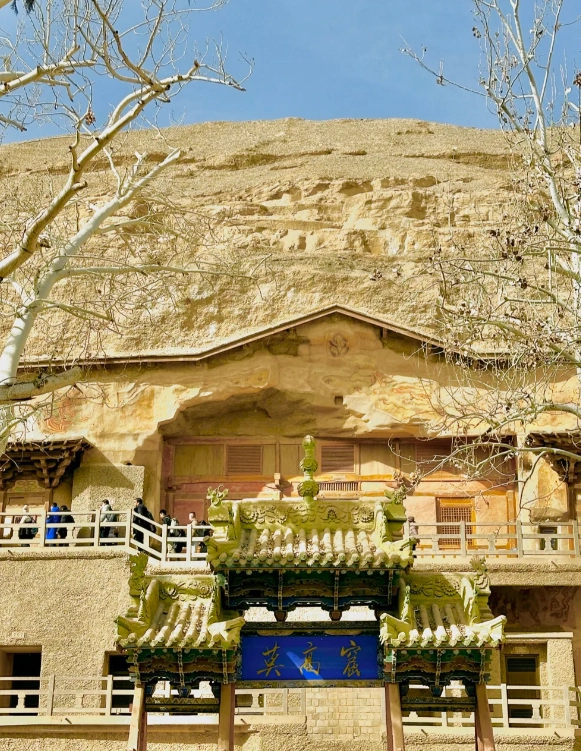
Why Dunhuang Deserves a Spot on Your China Itinerary
I always tell my clients that Dunhuang is a shortcut to ancient China. This remote desert outpost was once a bustling Silk Road crossroads where Buddhist monks, traders, and artists collided. The result? The Mogao Caves, a UNESCO World Heritage site with 735 hand-carved grottoes decorated with murals and sculptures that endure after more than a thousand years.
But Dunhuang isn't just about history. It's about feeling small against giant sand dunes, watching the sun set over the Gobi, and tasting lamb that's been roasted for thirty years. If you only visit one place in western China, make it this one.
What Are the Must-See Attractions in Dunhuang?
After dozens of trips to Dunhuang, I've narrowed down the sights that truly matter. You can skip the rest without a twinge of guilt.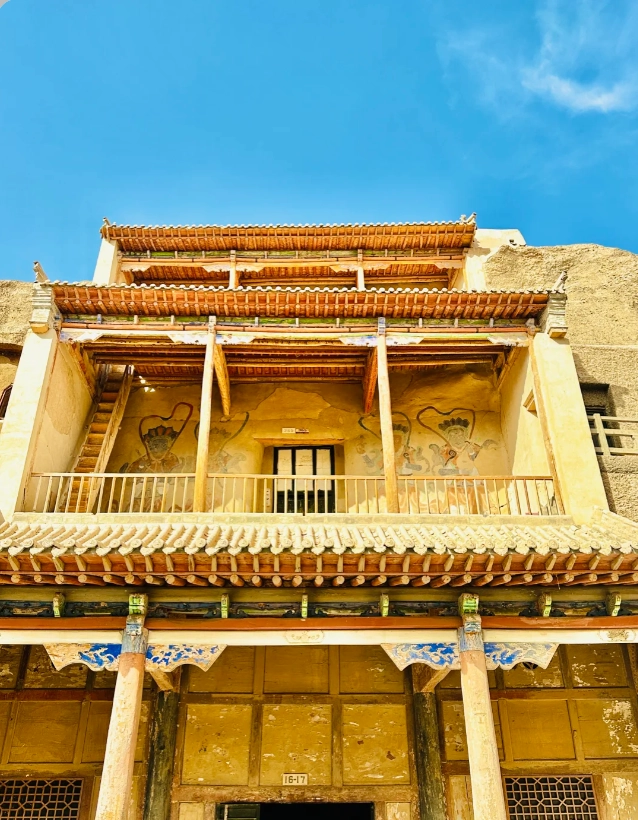
#1 Mogao Caves — The Crown Jewel
If you take one thing from this guide, let it be this: the Mogao Caves are India and Central Asia's Buddhist art on overdrive. But full disclosure — visiting them is a bit like going to a very strict class. You can't use your phone, a guide makes the rules, and a tour of a handful of caves lasts about an hour. Even with those restrictions, I've never seen a traveler leave disappointed.
To get in, you must book a slot in advance. The ticket includes a guided group tour, which is mandatory. I always tell my clients to book via Trip.com or have a hotel receptionist handle the WeChat mini-program. Bring your passport — the staff will cross-check your ID.
Inside, you'll see brilliant murals that cover the caves like wallpaper. The colors have faded, but the details remain crisp. My favorite is Cave 45, with its serene Buddha and playful disciples. But you'll only get to see a few caves on a standard tour — the guides rotate which ones.
Pro tip: choose the earliest time slot. The caves are better lit in the morning, and you'll finish before the midday heat turns the concrete paths into a frying pan. Also, the restrooms near the ticket office are few and often crowded. Use the one at the shuttle bus stop instead.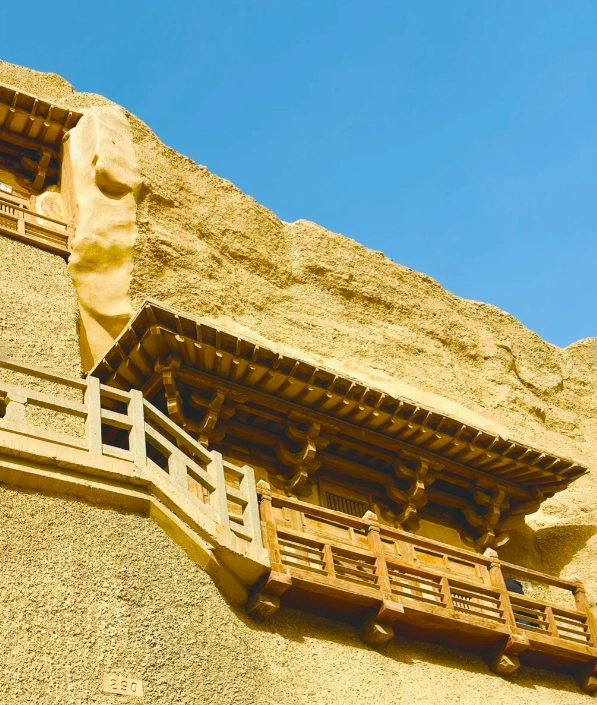
#2 Crescent Lake and Singing Sand Dunes
About 6 kilometers south of the city lies Mingsha Mountain, or the Singing Sand Dunes. The crescent-shaped lake at its base is surreal — a sliver of turquoise water cradled by sand mountains that literally whistle when the wind blows. I've been here in all seasons, and the best time to arrive is after 5 PM. The light turns golden, the crowds thin out, and the temperatures are tolerable.
You can take a camel ride (it's pricey but worth it once), or just climb the dunes on foot. My advice: bring a bandana or face mask — the sand gets everywhere, including your camera sensor. The entrance fee is around 110 CNY, and you can walk to the Crescent Lake viewpoint without paying extra.
Insider advice: skip the sandboarding on the main dunes. It's overpriced and you'll spend more time dusting yourself off than sliding. Instead, take the rope lift down and watch the sunset from the top of the eastern dune.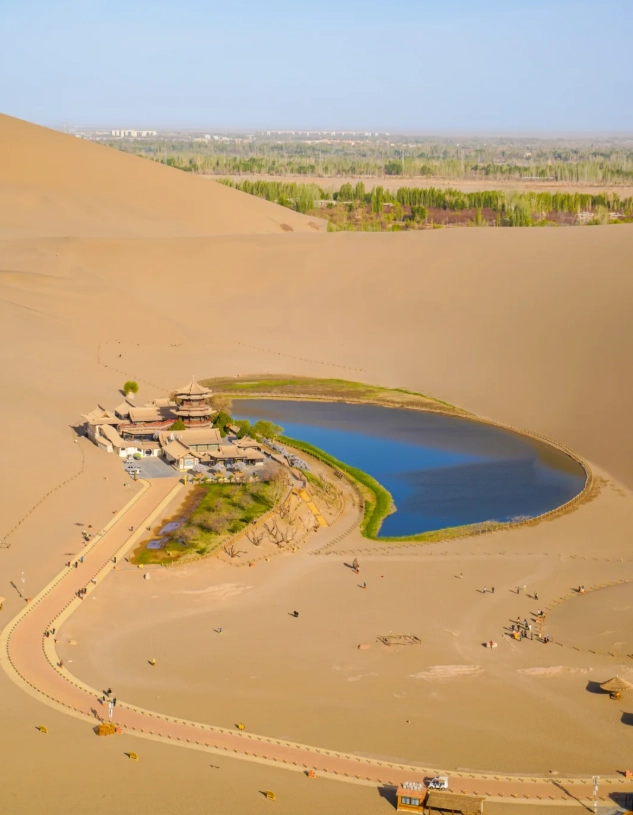
#3 Yumen Pass and Han Great Wall
Yumen Pass, also known as Jade Gate Pass, is about 90 km northwest of Dunhuang. It's not as visually stunning as the Mogao Caves, but the history is palpable — this was the westernmost checkpoint of the Chinese Empire, where poets wrote odes and soldiers guarded the Silk Road. The Han Great Wall remnants nearby are modest, but the sense of isolation is magnetic.
Most day tours combine Yumen Pass with the Yadan 'Ghost City' geological park. The whole trip takes at least 8 hours, so plan for a late return. There's little shade, and services are nonexistent, so pack water and snacks. The entrance fee is about 40 CNY for Yumen, plus a separate 50 CNY for the Yadan park's shuttle.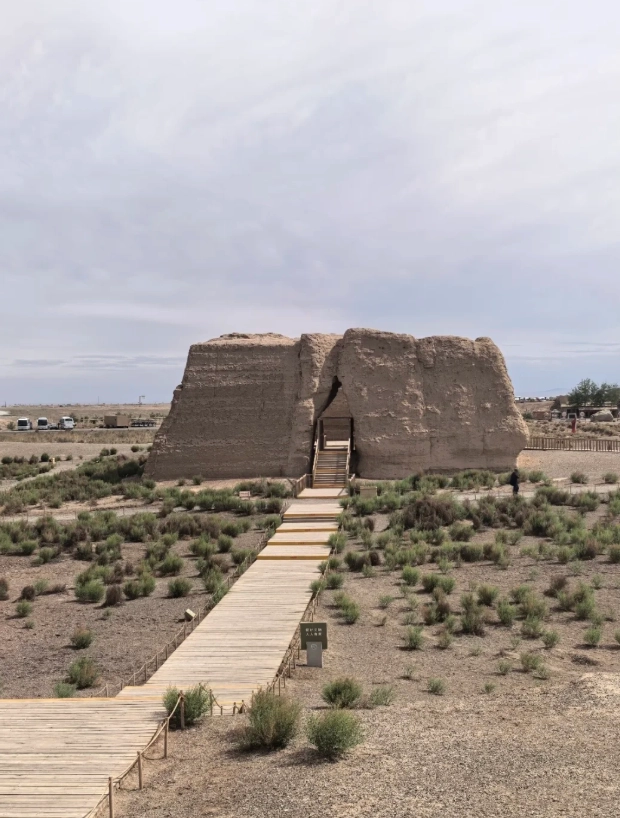
#4 Other Worthwhile Stops
If you have a spare half-day, the Dunhuang Museum is a surprisingly quiet place to understand the region's history. And don't skip the Shazhou Night Market even if you're not hungry — the air smells like cumin and chili, and you can try almond tea and crispy donkey sandwiches (yes, donkey).
For the curious, the White Horse Pagoda, a short walk from the city center, is a small but touching memorial to a famous horse. It might not be a must-see in Dunhuang for everyone, but it's a nice walk.
Here's a quick comparison of the main sights:
| Attraction | Admission (approx.) | Open Hours | Time Needed | Getting There |
|---|---|---|---|---|
| Mogao Caves | 238 CNY (peak) | 8:00-18:00 | 3-4 hours | Tour bus from city center |
| Crescent Lake & Singing Sand Dunes | 110 CNY | 6:00-19:30 | 3-5 hours | Bus #3 or taxi (15 min) |
| Yumen Pass | 40 CNY | 8:00-18:00 | 2 hours | Drive ~1.5 hrs |
| Yadan Geological Park | 50 CNY + 70 CNY shuttle | 8:00-18:00 | 4+ hours | Drive ~2 hrs with Yumen |
Prices are approximate and change seasonally. Always verify on the official sites or at your hotel.
How to Plan a Stress-Free Dunhuang Itinerary
You can see the main highlights in two days. Here's how I'd structure it, with all travel times included.
One-Day Blitz (for tight schedules)
- 8:00 AM – Mogao Caves: Head straight to the caves (book a slot). The tour takes about 3 hours including the shuttle.
- 12:30 PM – Lunch: Grab a quick meal at the nearby visitor center area.
- 2:00 PM – Crescent Lake: Take a taxi (20 min) and arrive before the heat peaks. Walk around the lake.
- 5:00 PM – Climb the dunes: Time your climb for sunset. Bring water.
- 7:30 PM – Night market dinner: Return to the city and hit Shazhou Night Market.
Two-Day Relaxed Route
- Day 1: Mogao Caves in the morning, then Crescent Lake late afternoon.
- Day 2: Full day for Yumen Pass and Yadan Park. Leave at 8 AM, return by 6 PM.
If you're planning a longer trip, add a morning at the Dunhuang Museum and an afternoon at the White Horse Pagoda.
One more tip: if the weather turns bad, swap your dune climb for the museum — it's a solid Plan B.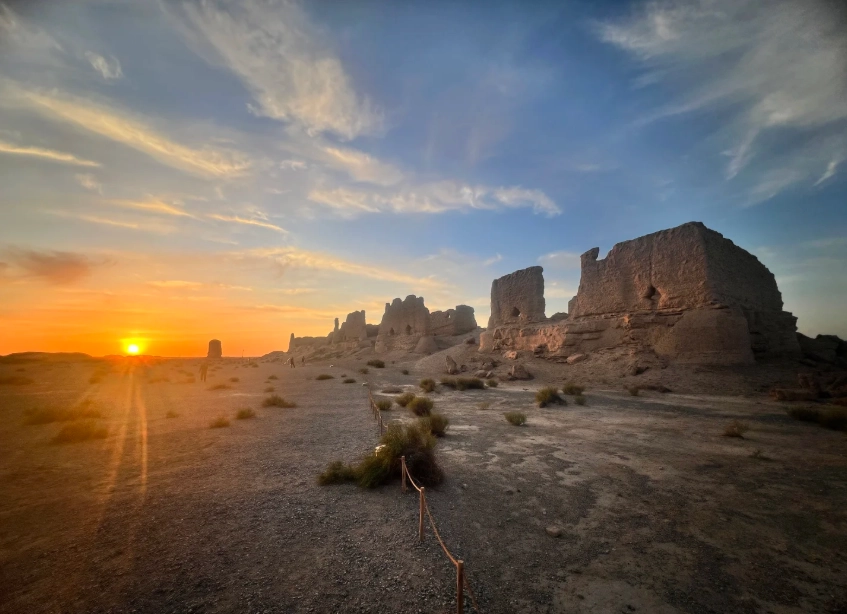
Insider Tips for Tickets and Crowd Avoidance
Booking tickets can feel like a puzzle, especially for foreign visitors. Here are the essential hacks:
- Mogao Caves: Reserve at least 3-4 days ahead during peak season (May-Oct). Use Trip.com or ask your hotel. Walk-ups are not allowed.
- Crescent Lake: You can buy at the gate, but avoid weekends.
- Yumen/Yadan: Join a day tour from your hotel for simplicity — it saves you from negotiating with taxi drivers.
- Payment: Alipay or WeChat Pay with an international card is your best friend. Keep some cash as backup, but know that most ticket booths don't accept foreign cards.
- Navigation: Google Maps is notoriously unreliable in China. Apple Maps works better, but I'd suggest AMap (Gaode) — ask your hotel to type the destination in Chinese, then show it to taxi drivers.
- Language & VPN: Download Apple Translate or Baidu Translate before you go. And set up a VPN — without it, Google, Instagram, and other sites will be blocked.
Timing is everything. The shoulder months of April and September offer mild weather and thinner crowds. If you can, avoid Chinese national holidays entirely.
Where to Stay and Eat Near the Must-Sees
Where to stay in Dunhuang
Stay near the Shazhou Night Market for convenience. Here are three solid choices for different budgets:
| Hotel Name | Distance to Must-Sees | Est. Price (night) | Best For |
|---|---|---|---|
| Dunhuang Hotel | Near night market | ¥350-550 | Mid-range travelers |
| Silk Road Hotel | City center | ¥450-650 | Comfort seekers |
| Guesthouses on Mingshan Rd | Near dunes | ¥120-250 | Backpackers |
I always tell clients to check if the hotel has Wi-Fi that works in rooms (many only have it in the lobby). Also, ask if the front desk speaks English — this can save you later. Most guesthouses offer luggage storage for free, but confirm in advance.
What to eat
Dunhuang cuisine is meat-heavy and hearty. The must-tries are Lanzhou beef noodles (though that's a different city, you'll find them everywhere), donkey meat buns, and apricot water. For a reliable dinner spot, head to Shazhou Night Market and look for stalls with many locals. They'll have picture menus, so ordering is easy.
Be careful with the lamb: it's often spicy-sweet, but some places can be very bony. I personally go for the steaming hotpot stall that sets up at the back.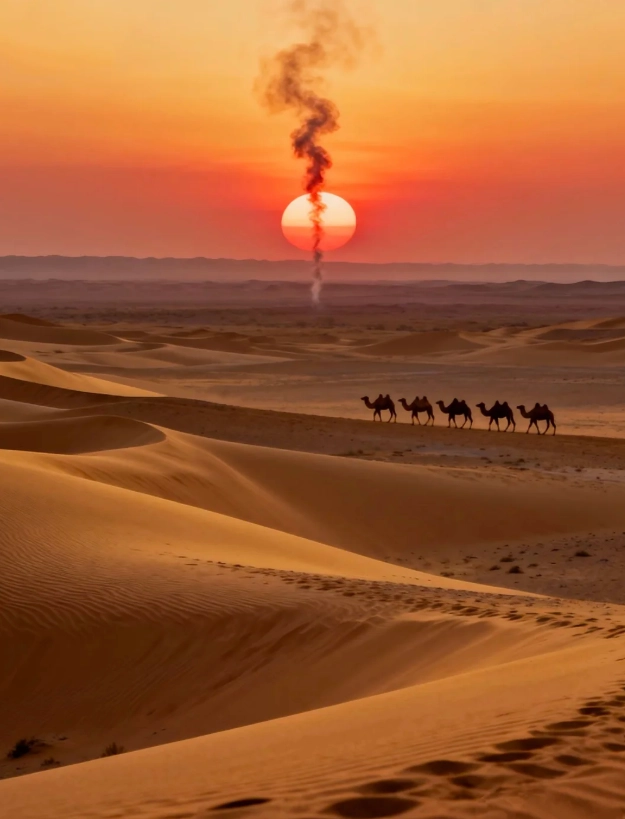
Quick Answers to Dunhuang Travel Questions
Final Thoughts from a Seasoned Guide
Dunhuang isn't the easiest place to travel — it's remote, the sun is fierce, and the admin can frustrate you. But it's also a place where you can feel ancient history under your skin, and the warmth of the desert still lingers in my memory long after I've left. Plan ahead, respect the rules, and this must-see in Dunhuang will reward you with moments you'll never forget.
Verified and fact-checked by the editorial team.





Bought this for a friend's first trip to Dunhuang, but honestly I used it more than she did. The sections on what to eat near Shazhou Night Market are worth the price alone—fermented yogurt, lamb skewers, and that apricot juice? Followed the article's rec and ate like a local without getting sick. The advice on carrying wet wipes for the caves? Smart. The article predicted everything: lines, heat, and the exact moment to climb the dunes so you don't inhale sand. I sound like a fan, but this is the best three bucks I spent in Gansu.
As a solo female traveler, I was nervous about getting around; the paragraphs about using the WeChat mini-program for tickets and which day tour companies are actually reliable put me at ease. But the best advice? 'Rent a bike to the dunes and stay for the moonrise.' That exact line got me out of the crowds. The sand was cold on my ankles, the sky turned purple, and then the full moon came up over the dunes—I had a little cry, not gonna lie. Thank you for making Dunhuang feel approachable and magical.
This guide is absolutely why my trip worked. I've been to a lot of the big Chinese sites and expected Dunhuang to be a dusty hassle. The tip about booking the first Mogao entrance slot and then doing the museum first was genius—I had entire corridors almost to myself. Standing inside the 96-foot Buddha with the cold stone smell and the silence after the group left... I'm not religious, but I got chills. If you only read one article about Dunhuang, let it be this one.
Good, useful, and mostly accurate. I read it before a two-day stop in Dunhuang and the packing list saved me—the part about bringing a face mask for the sand was spot on. The only reason it's not 5 stars: the recommendation for the night market stall with the best apricot water was for a place that was gone when I went. Replacement stall was fine, but I would've liked a backup. Overall, the honest warnings about the bus to Yadan were worth it. A little editing and I'd give it a perfect score.
I wanted to love this guide because the photos are gorgeous, but I found it a bit too surface-level. The section on Crescent Lake says 'go early,' but doesn't warn you that the ticket line at 7:30 is already insane or that the morning light is blocked by the cliff. Maybe I just hit a bad day, but I left feeling like the article was more Pinterest moodboard than practical insider advice. The Mogao parts were okay, yet nothing I couldn't get from the official site. Fine overview, but not the 'insider' edge I expected.
I booked my trip purely based on this article and I don't regret it. The section on the Yulin Grottoes as a less crowded alternative to Mogao was exactly the kind of tip I needed. It's not just a list—it explains why those paintings matter and how to respect the site. Finished the whole thing wanting more, which is saying something. Rating this five stars, no question.
Huge thanks to whoever wrote this! As a first-timer, the practical details made all the difference—packing sunglasses, a scarf, and a mask for the desert wind, using the digital map at the Dunhuang museum to get orientation before hitting the caves, and saving the Shazhou Night Market for after sunset. The 'insider tips' felt like they came from real experience, not just Wikipedia. I've sent it to two friends already.
This guide got me genuinely excited about Dunhuang. The writer clearly knows the region—I loved the emphasis on going inside the Mogao Caves as early as possible, and the warning about how fast tickets sell out. I also appreciated the calm, respectful tone about preserving the artwork. Followed the tip about walking up the dunes for sunrise instead of riding the camel for sunset, and it was unforgettable. One of the best travel articles I've read in a while.
I found this article after a friend raved about Dunhuang. It's well organized and the photos are gorgeous. I appreciated the sections on the Singing Sand Dunes and the sunset timing—that helped us plan our evening. Only reason I'm not giving five stars: the part on local food mentions 'try apricot water' but doesn't recommend a specific shop or street. That would have made it perfect. Still, lots of useful details for a first-timer like me.
I wanted to love this guide because I'm heading to Dunhuang next month, but it felt a bit generic. The must-see list covers Mogao Caves and Crescent Lake, but I've read the same tips on every blog. The 'insider tips' section is mostly about booking tickets in advance and avoiding summer crowds—useful, but nothing new. Also, no practical advice on how to get between sights by bus or taxi, which I was hoping for. It's okay as a starting point, but I wouldn't call it insider info.