 Wei Zhang
On This Page: Your Quick Navigation
- Why These Are the Best Places to Visit in Lhasa
- How Do You Visit the Potala Palace Like a Pro?
- How Do You Explore Jokhang Temple and Barkhor Street?
- Why Norbulingka Deserves a Spot on Your Itinerary
- What to See at Sera and Drepung Monasteries
- What Do You Need to Know Before Visiting Lhasa?
- FAQ: Your Lhasa Travel Questions Answered
- My Final Take on Lhasa's Best Places
Why These Are the Best Places to Visit in Lhasa
Let me start with a confession: Lhasa isn’t just a stop on the Tibet tour circuit — it’s the whole reason many people endure the high altitude and the complicated permits. But after years of bringing travelers here, I’ve learned that the “best” spots aren’t always the most photographed ones. Some are crowded, overpriced, and honestly, skip-worthy if you’re short on time. Others are tucked away in quiet corners where you can actually feel the soul of this ancient city.
In this guide, I’m not just listing landmarks. I’m going to show you how to experience them like a local — from booking the right tickets to avoiding the 10 a.m. tour bus avalanche. You’ll also get honest feedback on what’s truly worth your energy (and what isn’t), plus the practical stuff most travel blogs forget, like how to pay for things and why Google Maps will leave you stranded.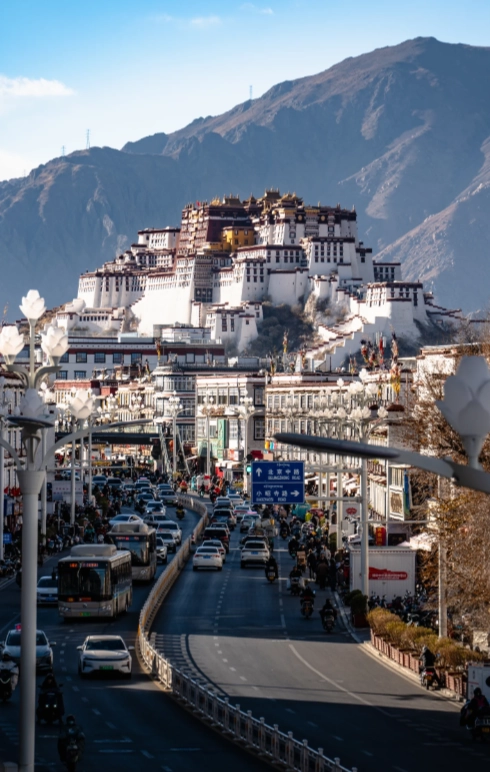
How Do You Visit the Potala Palace Like a Pro?
The Potala Palace is the crown jewel of Lhasa — you’ll see it on every postcard and Instagram feed. But here’s the thing: most visitors spend more time in the ticketing queue than inside the palace. I’ve seen people show up at 8 a.m., wait two hours, and then only get 30 minutes inside because they didn’t pre-book. Don’t be that person.
Here’s how to do it right:
- Book your ticket at least a day in advance. The palace limits daily visitors to about 2,000 during peak season. Foreigners can’t just walk up — you’ll need to book through a licensed travel agency or use an English-friendly platform like Trip.com. You’ll need your passport details.
- Go early — but not too early. The palace opens at 9:00 a.m., but the ticket office opens at 8:30. Aim to be at the main entrance by 8:15 to beat the tour groups. Otherwise, you’ll be in a queue that snakes around the square for over an hour.
- Take the east entrance. Most tour buses drop people at the main south gate, which has the longest security check. If you walk to the east side (near the bus stop), you’ll find a less crowded checkpoint that locals use.
Now, let me save you some time: the real magic isn’t just inside the palace — it’s the view from the hill behind it. Walk up to the Chupzang Rock Park entrance and look back at the white and red walls. The light is golden in the late afternoon, and you’ll get a completely different perspective without the crowds.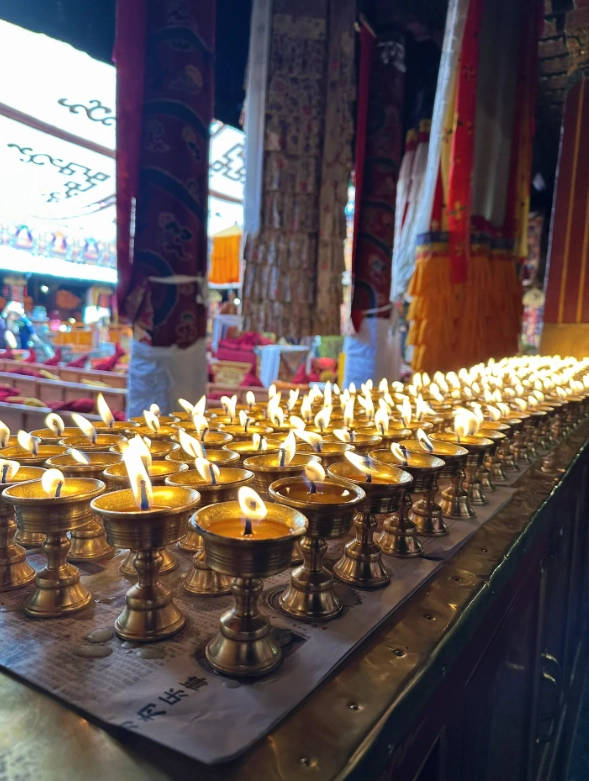
| Detail | Information |
|---|---|
| Address | No. 35 Beijing Middle Road, Lhasa |
| Opening Hours | 9:00 AM – 3:00 PM (last entry); closed Mondays (check official calendar) |
| Ticket Price (Adult) | ¥200 in peak season (May–Oct), ¥100 in off-season |
| Reservation Required? | Yes, 1 day ahead. Use Trip.com or ask your hotel to book. |
| Average Visit Duration | 2–3 hours (excluding queue) |
| Accessibility | Limited; many stairs and no elevator. Not wheelchair-friendly. |
Pro Tip: Bring a bottle of water and some snacks. The climb up the steps will leave you breathless (altitude!), and there are no cafés inside.
How Do You Explore Jokhang Temple and Barkhor Street?
The Jokhang Temple and the surrounding Barkhor Street are the beating heart of Lhasa’s spiritual life. This isn’t just a tourist site — it’s a living pilgrimage circuit where Tibetans prostrate themselves on the stones, light butter lamps, and spin prayer wheels. If you only have time for one “cultural” place in Lhasa, make it this one.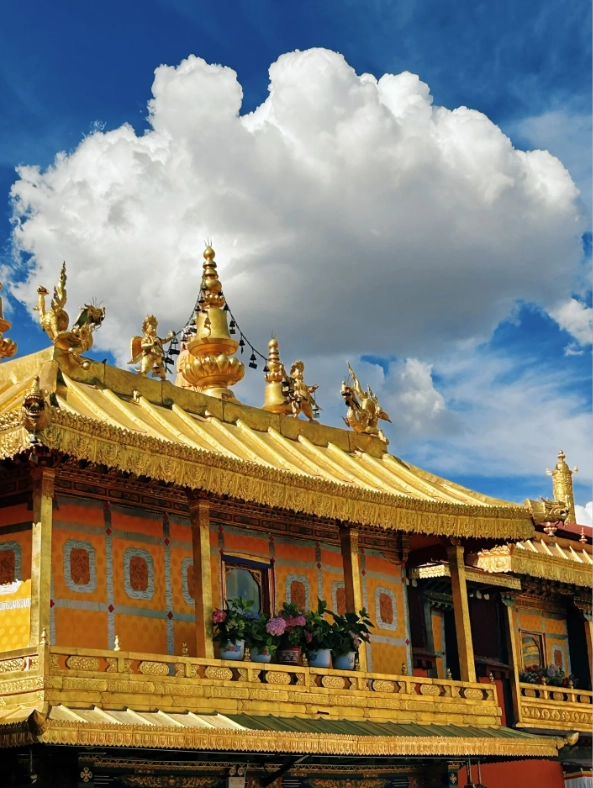
But be prepared: the main courtyard gets packed with pilgrims and tour groups alike. Here’s how to navigate it without melting down:
- Go at sunset. Most tour buses leave by 5 p.m., and the light turns orange on the golden roof. The atmosphere becomes more reverent, and you’ll see locals doing their evening kora (circumambulation) around the temple.
- Do the kora first. Walk the Barkhor circuit clockwise (always clockwise!). This is where you’ll see daily life — butter tea stalls, prayer flag vendors, and old women fingering mala beads. It takes about 30-45 minutes at a slow pace.
- Go inside the Jokhang for the 12th-century Jowo Buddha statue. The queue to see it can be long, but it moves quickly. Dress modestly — no shorts or sleeveless tops. You’ll need to remove your shoes.
I always tell my clients to spend an hour wandering the side alleys off Barkhor rather than rushing directly to the temple entrance. That’s where you’ll find peaceful courtyards, local households, and tiny shops selling handcrafted thangka paintings.
| Detail | Information |
|---|---|
| Address | No. 1 Barkhor Street, Lhasa (entrance near the square) |
| Opening Hours | 8:00 AM – 5:30 PM (temple interior) |
| Ticket Price | ¥85 for the temple; the Barkhor circuit is free |
| Reservation Required? | Not usually, but you’ll need passport for security check |
| Average Visit Duration | 1–2 hours (temple) + 1 hour (kora) |
| Accessibility | Some steps; narrow alleys may not be wheelchair-friendly |
Insider Advice: The entrance to the Jokhang is on the west side of the square. There’s often a separate line for foreigners — just show your passport and they’ll wave you through faster.
Why Norbulingka Deserves a Spot on Your Itinerary
Most visitors skip Norbulingka because they assume it’s “just another palace.” But this summer residence of the Dalai Lamas is a different beast altogether. Think of Norbulingka as Lhasa’s green lung — a UNESCO-listed garden complex where you can escape the city’s chaos and stroll through centuries-old villas and flower-filled courtyards.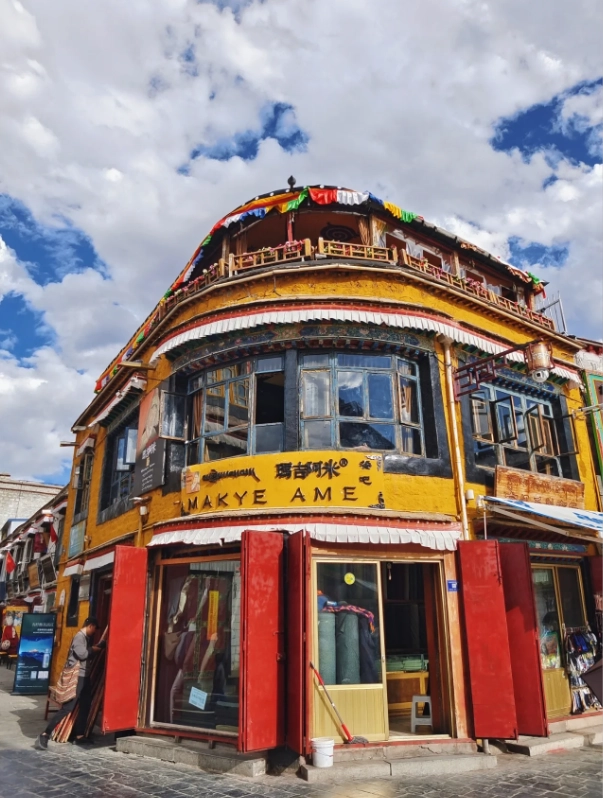
Here’s why I always include it:
- It’s much less crowded than the Potala. You’ll have whole sections to yourself, especially on weekdays.
- The Tibetan-style gardens are stunning. Rockeries, fountains, and trees that are over 300 years old create a tranquil atmosphere.
- You can see the Kelsang Palace, which houses beautiful murals depicting scenes from Tibetan daily life. It’s one of my favorite corners in Lhasa.
Allow at least two hours to explore the main buildings. If you’re short on time, focus on the eastern section, where most of the palaces are clustered.
| Detail | Information |
|---|---|
| Address | No. 21 Luobulinka Road, Chengguan District, Lhasa |
| Opening Hours | 9:00 AM – 6:00 PM (May–Oct); closes earlier in winter |
| Ticket Price | ¥60 (including Kelsang Palace) |
| Reservation Required? | No, but passport needed at security |
| Average Visit Duration | 2–3 hours |
| Accessibility | Flat terrain mostly; some gravel paths, but manageable |
One thing to watch out for: the ticket office only accepts cash or WeChat/Alipay at the window. If you only have a foreign card, you might have trouble. My advice: carry enough cash for this one, or ask a local friend to pay via their app.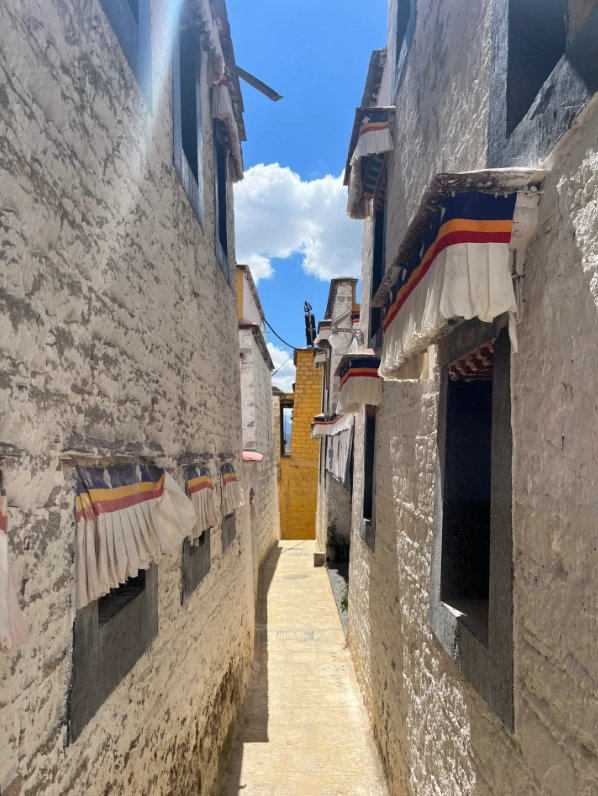
What to See at Sera and Drepung Monasteries
They’re often lumped together on tours, but Sera and Drepung are actually quite different. Sera is famous for its daily monks’ debates, while Drepung is a massive monastic complex that once housed 10,000 monks. Both are worth visiting, but pick one if you’re short on time — here’s how to decide:
Choose Sera if you want to see something lively. The debate sessions (usually 3:30–5:30 p.m.) are a spectacle of clapping, shouting, and self-tapping minds. It’s one of those experiences you can’t photograph, but you’ll feel the intensity in the air.
Choose Drepung if you prefer quiet exploration. The monastery is built into the mountainside, offering panoramic views of the valley. You can wander up to the top section where pilgrims often picnic. It’s a bit of a climb, so pace yourself at altitude.
| Detail | Sera Monastery | Drepung Monastery |
|---|---|---|
| Location | About 3 km north of Lhasa city center | About 5 km west of Lhasa |
| Address | Se La Road, Chengguan District, Lhasa | Genpei Wuzi Mountain, Chengguan District |
| Ticket Price | ¥50 | ¥60 |
| Opening Hours | 9:00 AM – 4:30 PM | 8:30 AM – 5:30 PM |
| Key Highlight | Monks’ debates (3:30–5:30 p.m.) | Main Assembly Hall and giant Buddha painting (during festivals) |
| Accessibility | Some steps; fairly accessible | Steeper paths; more challenging |
To get to Sera, take bus 24 or 16 from the city center and walk 15 minutes uphill. For Drepung, bus 2 or 3 will get you within a 10-minute walk. Taxis are cheap — a ride from the center costs around ¥30. Don’t bother with the “black market” drivers who try to charge double; use Didi (China’s Uber) via the app, or have your hotel call one.
What Do You Need to Know Before Visiting Lhasa?
Before you pack, there are a few things that will make or break your trip. Trust me, these aren’t in typical guidebooks:
Altitude Sickness Is Real — Plan for It
Lhasa sits at 3,650 meters (12,000 feet). Most people feel headaches and breathlessness on arrival. My golden rule: take it slow for the first 24 hours. Don’t plan the Potala for day one. Drink lots of water (not just tea), avoid alcohol, and consider buying a small oxygen canister at the pharmacy — they’re about ¥25 and a lifesaver.
Payments: Only Mobile Wallets
Most shops, restaurants, and even street vendors accept Alipay or WeChat Pay. Foreign credit cards are rarely accepted, and ATMs often only accept Chinese bank cards. Set up Alipay before you come and link your international card. It’s easy now — just add your card in the app. For a backup, carry about ¥500 in cash.
Navigation: Forget Google Maps
Google Maps is unreliable (and often blocked). Download Apple Maps (works okay) or use Amap (高德地图) — there’s an English version called Amap Global. Or simply ask your hotel to write addresses in Chinese characters to show taxi drivers.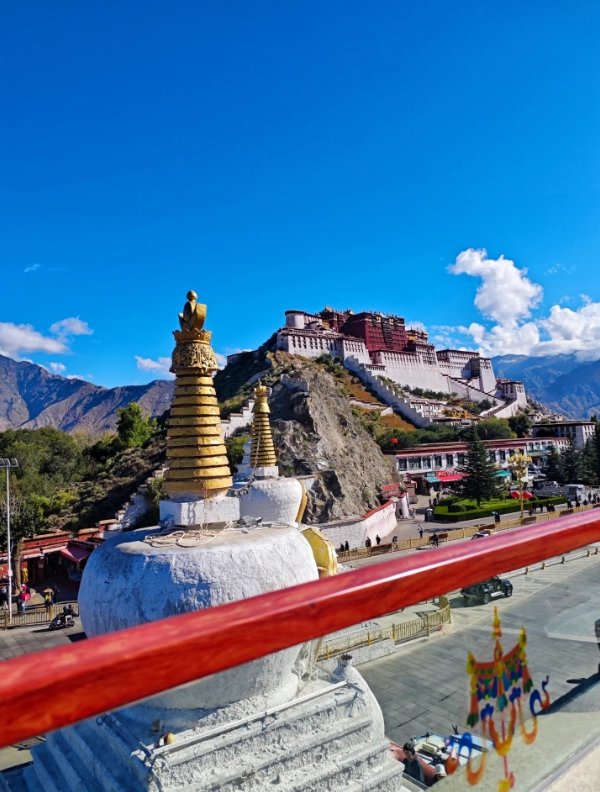
Internet and VPN
Many western websites, including Google, Facebook, and WhatsApp, are blocked. You’ll need a VPN installed before you arrive, or you won’t be able to access them. Translation apps like Apple Translate work offline, so download the Tibetan and Chinese language packs.
Permits: Don’t Forget Them
To visit Lhasa, you need a Tibet Travel Permit (for foreigners) in addition to your Chinese visa. You can’t get this yourself; you must apply through a licensed tour agency. For independent travel, you’ll need to join a tour at least for the permit arrangement. The application takes 3-5 days, so plan ahead.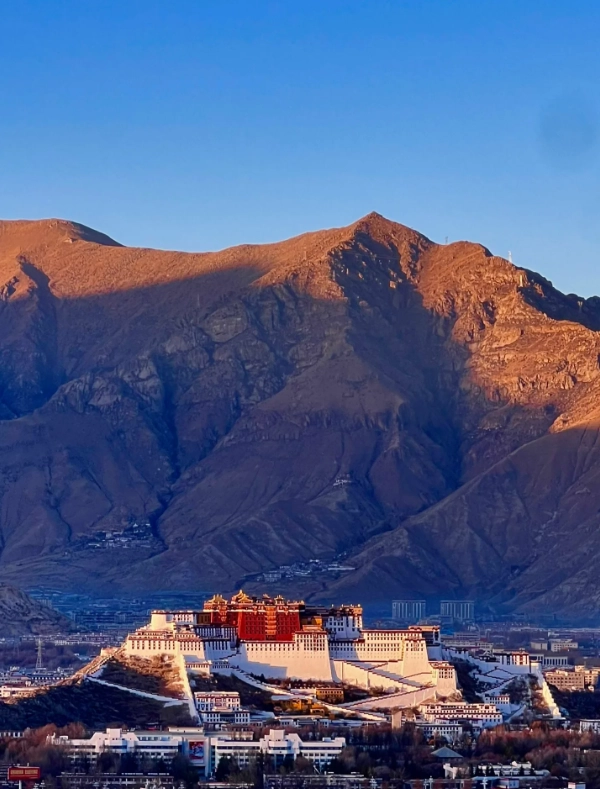
FAQ: Your Lhasa Travel Questions Answered
My Final Take on Lhasa's Best Places
If you’re making a list, don’t stress about cramming in everything. Lhasa isn’t a checklist city — let yourself absorb the atmosphere. The true “best place” is often a quiet moment in a courtyard, a brief chat with a monk, or the view from your hotel rooftop at sunset. The sights I covered above will give you the highlights, but leave room for wandering.
I hope this guide helps you plan a trip that’s both meaningful and fuss-free. If you have specific questions, drop them in the comments — or better yet, go see for yourself.
Verified and fact-checked by the editorial team.





As a budget traveler, I appreciate that this didn't just name the usual spots. The advice to spend a late afternoon on the north side of Potala, near the small lake and park, is genius. I sat on a bench with a bottle of Lhasa beer and watched local families take their evening walks. No crowds, no touts, just the breeze and the monks doing their rounds. This is the Lhasa you miss if you only follow the big red map.
Used this for my second visit and it was exactly what I needed. The section on Yerpa is spot on — the climb up to the caves is steep and there's barely anyone past the second bend. The old monk at the doorway nodded when I described the route from this list and offered me a blessing. The quiet there was unlike anything I've felt in Tibet. I didn't see a single souvenir stall, just cliffs, sky and prayer flags. I'd give it ten stars if I could.
This guide completely changed the way I saw Lhasa. Instead of queueing at the Jokhang's main entrance, I followed the suggestion to walk the inner kora at dawn. The narrow alleys were drenched in golden light, the smell of juniper incense drifting from the roofs, and for maybe 20 minutes I was completely alone. That alone was worth the trip. Also found a tiny sweet-tea shack that served the most buttery, salty tea with a view of the Potala. Genuinely life-changing.
Solid guide overall. We used this while planning a quieter return trip to Lhasa. The highlight for me was the suggestion to visit the small nunnery near Drepung early in the morning - we had the prayer hall completely to ourselves. I'm only knocking off a star because a couple of the 'hidden' restaurants in Barkhor were clearly listed in every other guide too, so they weren't secret at all. Still, the practical tips about getting a permit and using the north gate saved us a lot of time.
I really wanted to love this list, but a few of the 'secret' spots weren't as empty as promised. The hermitage caves were beautiful, but I ended up behind a constant stream of tour groups. Also the directions to the lesser-known kora path were vague; I missed the turn and ended up walking along a main road for 20 minutes. Still got some decent photos of the Potala through the trees, just not the peace I was hoping for.
Ended up at Lhalu Wetland early one morning because of this article. It's a rare green space with reeds taller than me. I spotted black-necked cranes, smelled nothing but damp earth, and had the boardwalk completely to myself. It's not a dramatic mountain view, but it gave me a quiet sense of how Lhasa breathes. Maybe go before 9am. Highly recommend.
The idea of the crowd-free Pabonka trail appealed to me, and the first part was nice: empty dirt paths, herds of sheep, wind in the grass. But the route in the guide led me to a construction zone and a locked gate. I wasted at least 40 minutes backtracking and asking around. The small monasteries I finally reached were interesting, but the experience was more stressful than soothing. Maybe choose this one only if you have time to get lost.
Found the small courtyard temple behind Barkhor after some effort. The murals inside are incredible — earthy, faded, clearly not restored for tourists. I loved how authentic it felt. The only reason I'm not giving five stars is that the entrance is completely unmarked. I had to ask three shopkeepers and got sent the wrong way twice. Once inside, though, it was calm and peaceful. Go with patience.
The hidden hermitage behind Sera Monastery is a gem. Follow the directions from the article past the usual tourist route, up the small lane, and you'll find a rooftop full of prayer flags. An elderly nun came out and offered us butter tea. No crowds, no hawkers. The monks' debating chants below floated up like white noise. The tea was an acquired taste, but the moment felt timeless. Easily my favourite memory in Lhasa.
Tried Drak Yerpa at sunrise because of this list, and it was everything I hoped for. We passed maybe two other people on the whole climb. The cliffside caves are quiet, with just a monk's voice echoing from somewhere above. The stone steps are rough and the altitude hits you fast, but looking down at the Kyichu Valley while prayer flags snapped in the wind made me forget the burn. This is the side of Lhasa that feels untouched.