 Ling Wu
Quick Guide: Your Sanya Food Shortlist
Let's be honest — your first meal in Sanya can either be a foodie dream or a tourist-trap nightmare. I've spent years guiding hungry travelers around this tropical city, and I've seen too many people order bland 'seafood platters' that cost a fortune. So here's what to eat in Sanya, straight from a local guide who knows the stalls and tables worth your money. The quick answer? Skip the hotel buffet and head straight to First Market (第一市场) for the freshest catch — but only if you read my tips on ordering and timing first.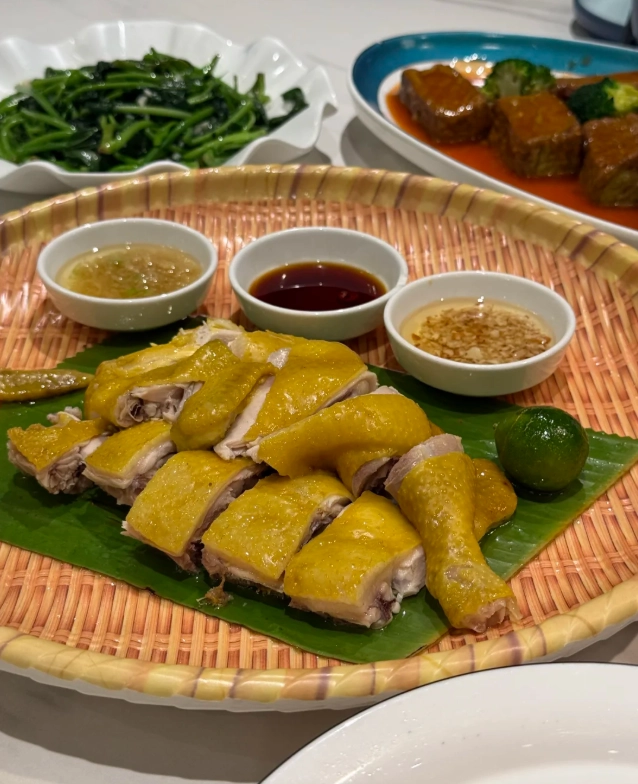
What to Eat in Sanya: 9 Must-Try Dishes
Before you dive in, let me warn you: Sanya's food scene is huge, and you'll be tempted by every neon sign. But these nine picks are the ones I've personally tested with dozens of guests. They're ordered by how essential they feel for a first-time visitor.
1. Hainanese Chicken Rice
This is the dish that defines Hainan cuisine for me. The chicken is poached to silky perfection, and the rice is fried in chicken fat, giving it an incredible aroma. In Sanya, you'll find it everywhere, but I always go to the small family-run spot on the second floor of the First Market complex. They don't have an English menu, so show this: 文昌鸡饭. I always order the thigh combo (腿饭) for about CNY 35. Go early — they often sell out by 2 PM. Payment is usually WeChat or Alipay only; bring cash just in case.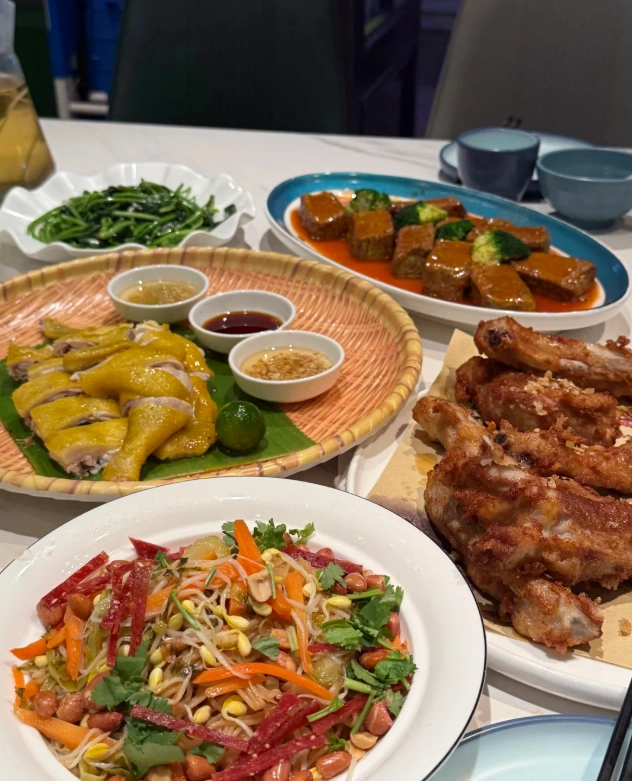
2. Coconut Chicken Hotpot
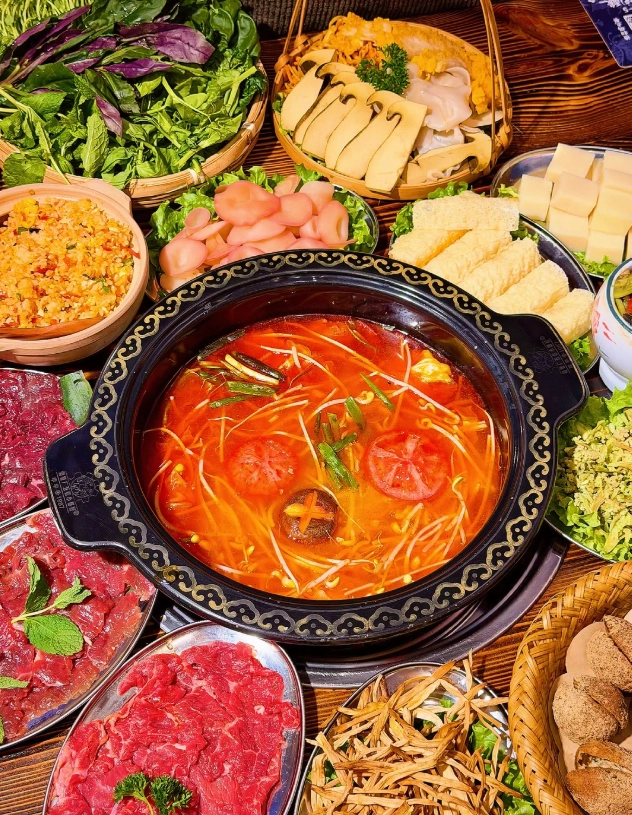
This is the dish that surprises most visitors (in a good way). Coconut water becomes a clear broth, and you cook chicken and greens table-side. The flavor is sweet, pure, and unlike anything you get in the West. Ask your taxi driver to take you to the 'Coconut Chicken Street' on Jiefang Road — a whole lane of restaurants dedicated to this dish. I usually pick the one with the longest queue of locals; it's called Xiaoyu Coconut Chicken (小雨椰子鸡). For two, you'll pay around CNY 120–150. Booking via Trip.com is accepted at some bigger branches.
3. Fresh Seafood from First Market
This is where Sanya's food heart beats. First Market (第一市场) is not just a market — it's a whole culinary ritual. You buy live seafood from the stalls (clams, prawns, crabs, fish), then take them to a nearby 'processing restaurant' that cooks them for you for a fee. My regular move: pick a dozen prawns, some scallops, and a local lobster. I always ask the assistant to weigh the seafood with the water drained — a classic tourist rip-off. The market smells like the ocean, so prepare yourself. Processing costs roughly CNY 30–50 per dish. Come here after 5 PM when the stalls are fully stocked, but watch your phone — it gets crowded.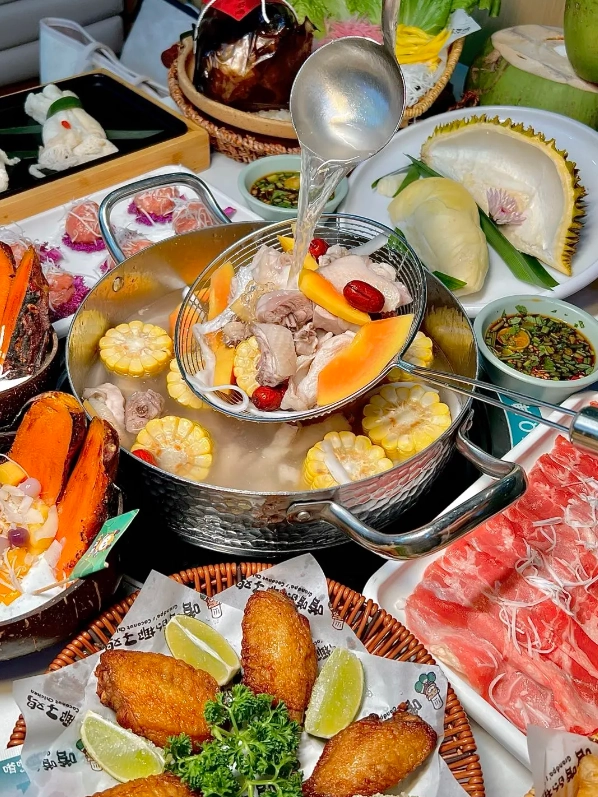
4. Grilled Oysters
This is my usual late-night snack after a long day of sightseeing. Street vendors fire up oyster shells with a thick layer of garlic and chili paste. They're smoky, juicy, and absurdly cheap — 6-10 CNY per oyster. The best spots are the night stalls along Sanya Bay, near the Haiyue Square. Look for a queue — as always, the line knows best. I always ask for extra garlic and a sprinkle of lime juice. If the vendor hands you a plastic glove, you'll know they're serious. Don't expect a knife and fork; this is finger food.
5. Baoluo Fen (Noodle Soup)
This breakfast dish doesn't get enough attention from tourists. Baoluo Fen is a long-grain rice noodle soup topped with tender beef or pork, pickled bamboo shoots, and a rich sauce. It's savory, slightly sour, and wakes you up faster than coffee. For the most authentic bowl, look for a small shop with the characters 抱罗粉 written in yellow. I go to a stall at the corner of Jiefang and Xindongfang Road — about CNY 15 per bowl. Don't ask for it 'spicy'; the default is mild. Add a spoonful of chili, unless you're sensitive.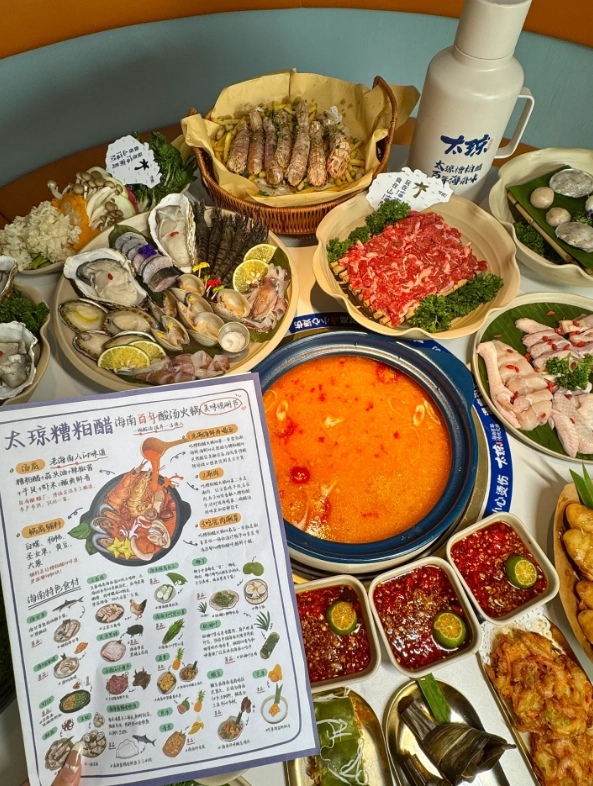
6. Sour Fish Soup
This is the hidden gem that many foreign visitors never discover. Sour fish soup (酸鱼汤) is a Hainan specialty that uses fresh local fish, tamarind, and tomatoes to create a tangy, warming broth. It's perfect after a day in the sun. I often take guests to a small restaurant near the Sanya Mangrove Tree Resort — look for the one with blue banners (not the hotel's own restaurant). A bowl for two costs about CNY 90. The soup is sour first, then spicy — order a coconut drink to cool off.
7. Coconut Rice
This is more of a sweet treat than a main dish, but you can't leave without it. Coconut rice is sticky rice stuffed inside a fresh coconut with sugar and sometimes black beans. Vendors sell it at the beach or in the market. I always grab one from the auntie next to the East Gate of Luhuitou Park. It's around CNY 20. The rice is warm and creamy, with a strong coconut aroma. Ask her to cut it in half so you can share.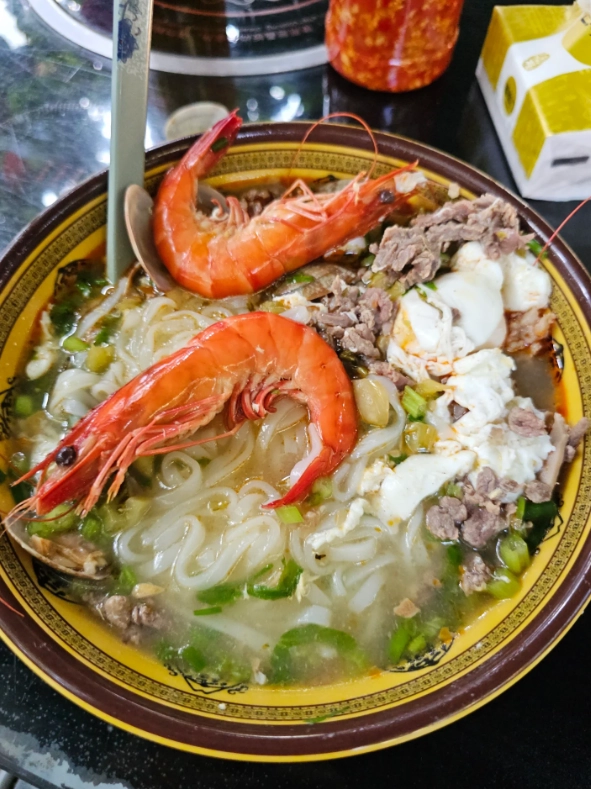
8. Qingbuliang (Coconut Dessert)
If you only try one dessert in China, make it this. Qingbuliang (清补凉) is a refreshing coconut milk-based dessert with chunks of watermelon, sweet potato, red beans, and ice. It's like a cross between Thai coconut dessert and a Southeast Asian shaved ice. The best version I know is at a shop called 'Bing Lang Qing Bu Liang' (槟榔谷清补凉) near Sanya Bay — but honestly, any shop that's busy will do. A large cup costs around 15-20 CNY. It's the perfect way to beat Sanya's humidity.
9. Wenchang Chicken
Don't confuse this with the chicken rice. Wenchang chicken is a whole poached or roasted chicken served with a ginger-garlic sauce. While chicken rice focuses on the rice, this dish lets the chicken shine. I order it at the same stalls as chicken rice, but ask for the 'whole bird' (整只) when in a group. Expect to pay around CNY 88 for a medium bird. The skin is gelatinous and the meat is tender — truly a Hainan icon.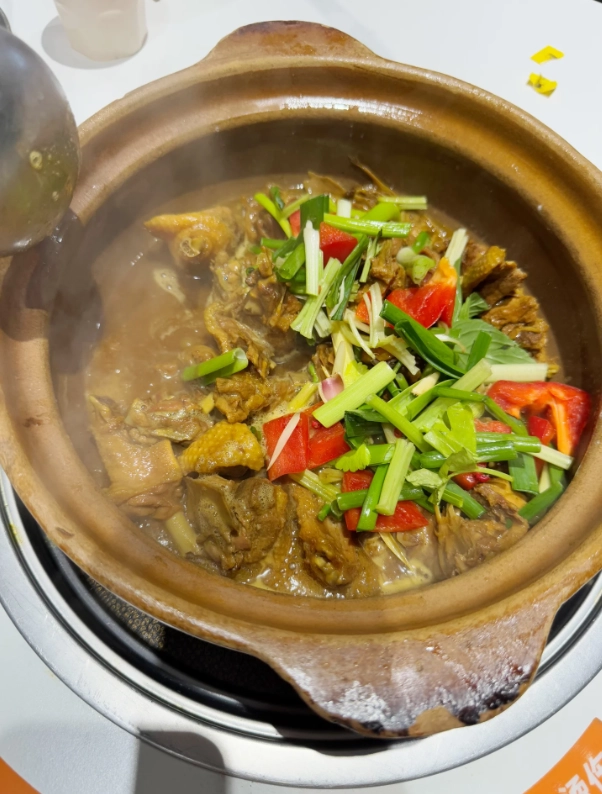
How to Order Seafood Like a Local Without Getting Ripped Off
Getting overcharged or served wrong seafood is a real fear — and it happens often. Here’s my step-by-step routine that I use with every group:
- First, walk the entire market before buying. Compare prices at three stalls. If one is significantly cheaper, there's a reason — check the freshness.
- Politely ask the vendor to remove the rubber bands and shake off the water before weighing. Vendors often leave these on to add weight.
- Take a photo of your chosen seafood when it's weighed. This prevents substitution later.
- When you hand your seafood to the processing restaurant, write down the cooking method you agreed on. I always say 'steamed with garlic' for fish and 'stir-fried with chili' for clams.
- Ask how much the processing fee is upfront. It's usually per dish or per kilogram. If they don't have a printed price list, move on to another restaurant.
What's the Best Time to Visit Sanya's First Market?
Timing is everything — come too early and the good stalls aren't open; come too late and you'll fight crowds for a seat. I always time my visits for 4:30 PM to 6:00 PM. That way, you catch the afternoon delivery of live seafood while it's still daylight, and you beat the dinner rush that starts around 7 PM. The market officially opens earlier for vendors, but many seafood stalls don't fully open until after 3 PM. If you're not a fan of crowds, avoid weekends and Chinese holidays entirely.
I remember one rainy Tuesday when the market was nearly empty — best experience ever. I got the freshest lobster at a bargain price. If you can be flexible, go on a weekday.
Where to Eat in Sanya: Restaurant Comparison Table
To help you decide where to spend your money, here’s a quick comparison of the three most common dining styles for tourists. The table below breaks down the trade-offs.
| Option | Price per Person | Atmosphere | Best For | Notes |
|---|---|---|---|---|
| First Market (self-pick + cook) | RMB 50–100 | Bustling, chaotic | Seafood lovers who want fresh catch | Requires haggling & cooking fee (RMB 30–50/dish) |
| Jiefang Road Street Food | RMB 20–60 | Local, lively, outdoor | Snacks, noodles, quick bites | Mobile payment only, no English menus |
| Hotel Buffet | RMB 200–400 | Comfortable, quiet | Families, those with dietary restrictions | Expensive, less authentic, but reliable taste |
Practical Tips for Foreigners: Payment, Booking, and Navigation
Let's face it — even the best food won't rescue a trip if you can't pay or find the place. Here's what I always tell my clients before we step out:
- Payment: Most small vendors in Sanya accept only Alipay or WeChat Pay. If your card is linked to these apps, you're fine. Carrying a bit of cash is smart for backup, but don't rely on it — many stalls won't take cash.
- Navigation: Google Maps is unreliable in China. Use Apple Maps or download the English version of AMap (called AMap Global). Before you go, search the Chinese name of your destination in the app and show it to the taxi driver.
- Booking: For popular restaurants like coconut chicken hotpot, you can book via Trip.com or Klook — many chains have English-supporting booking portals. Or ask your hotel concierge to make a call for you.
- Language: Download a translation app like Apple Translate or Baidu Translate. I always use the offline pack for Chinese. Also, bring a VPN so your apps work.
- Dietary restrictions: If you're vegetarian, just say 'wo chi su' (我吃素) — but be careful, many broths are meat-based. For allergies, carry a card with your allergens written in Chinese.
FAQs About What to Eat in Sanya
Verified and fact-checked by the editorial team.





No comments yet.