 Wei Zhang
Quick Look Inside
Lhasa hits you at 3,650 meters — literally. I watched a traveler from Florida struggle to tie his shoelaces on day one. That's the reality here. You need a plan that respects the altitude but still fills two days with wonder. So, what to do in Lhasa for a weekend? Let's cut through the online fluff. Most guides suggest cramming five sites into 48 hours — that's a mistake. I've led groups here for a decade. The smart move is two deep days: one for the spiritual heart, one for the monastic outskirts. Here's the exact plan I use with my clients. Plus, I'll show you how to avoid the tourist traps and the booking headaches. Dive in.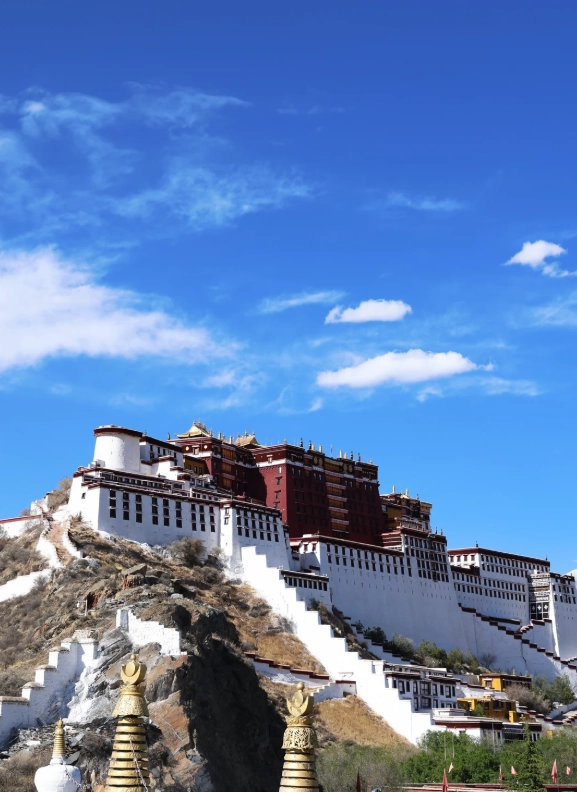
Why Lhasa Deserves Your Weekend
Lhasa is often the starting point for a longer Tibet trip, but a weekend here is genuinely rewarding. You get the essential Tibetan experience without the months of planning a full tour requires. The concentrated cluster of sacred sites and the unique atmosphere of the old town make it perfect for a short escape. Your two days will hit the highlights: the majestic Potala Palace, the pilgrimage hub of Jokhang Temple, and the daily debates at Sera Monastery. Done right, you'll leave exhausted but strangely refreshed.
Essential Tips for Foreign Travelers
Before I hand you the itinerary, let's sort out the stuff that catches most visitors off guard.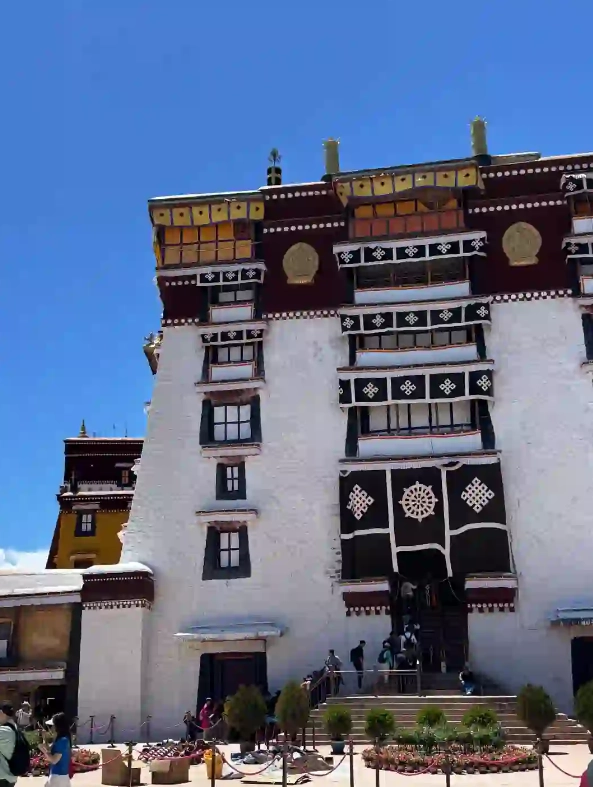
Payment and Cash
Most places in Lhasa—including temples, small eateries, and even some street vendors—accept Alipay or WeChat Pay. International credit cards are rarely accepted, even at major attractions. Cash (Chinese yuan) works at some guesthouses and markets, but don't rely on it. I always tell my clients: set up Alipay with your international card before you arrive. It takes an hour at home; doing it on the fly here is a headache.
Navigation and Maps
Google Maps is unreliable in China. On my last trip, it placed me 2 kilometers from the Jokhang Temple. Use Apple Maps or download the Amap Global app (usually listed as "AMap"). Both have English interfaces and handle the local road layouts well. For walking directions, these apps are your best friend.
VPN and Communication
You need a reliable VPN installed before landing. Many international apps (WhatsApp, Facebook, Instagram) are blocked. I recommend having a translation app like Apple Translate or Baidu Translate for menu items and signs. Most hotel staff speak basic English, but taxi drivers rarely do. Always carry your hotel's name and address in Chinese.
Booking and Permits
Foreigners need a Tibet Travel Permit to enter Lhasa. You typically book this through a travel agency or your hotel. It's essential to arrange the permit before booking flights. Also, Potala Palace requires a reservation one day in advance. Use Trip.com or Klook for most bookings; they have English interfaces and handle passport details securely. The WeChat mini-programs many locals use are impenetrable for non-Chinese speakers.
Altitude Awareness
Altitude sickness is real. I once had a client on oxygen after running to catch a taxi. Take it slow, drink more water than you think you need, and skip alcohol on Day 1. If you arrive by plane, take taxis instead of walking heavily until you acclimate.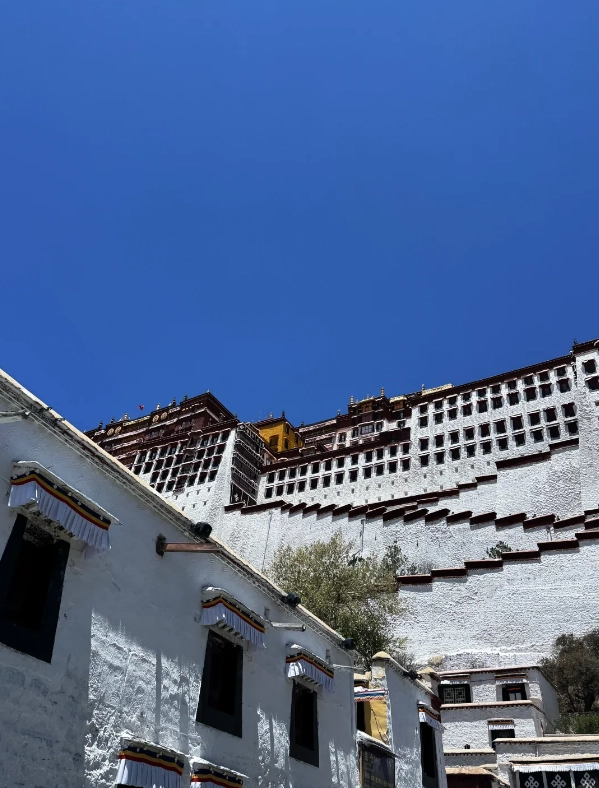
How to Get to Lhasa and Get Around
Most travelers fly into Lhasa Gonggar Airport (LXA) from major Chinese cities. The airport is about 65 kilometers from downtown—a 60-90 minute taxi ride. The airport shuttle bus costs about 30 yuan and drops you near the post office in the city center. Alternatively, the Qinghai-Tibet Railway is an adventure itself, but it takes a day or more—not ideal for a weekend unless you have time.
Once in the city, I prefer hailing taxis with Didi (the Chinese Uber) or the Amap app. Taxis are cheap (base fare around 10 yuan), but always get your destination written in Chinese. Walking is the best way to soak up the old town, but save your energy for the uphill climbs. The Potala Palace area is walkable, but Jokhang Temple and Barkhor Street are about a 15-20 minute brisk walk from the palace. You can also hop on a local bus for 1-2 yuan, but routes are challenging to decipher. I'd stick to taxis.
Day 1: The Spiritual Heart
Morning at Potala Palace
Start early. I mean 7:30 AM early. The palace opens at 9 AM, but the line for the morning quota can be brutal. I always schedule the first time slot. The entry fee is around 200 yuan in high season (May-October) and 100 yuan in winter—double-check on Trip.com. You'll need your passport and the reservation confirmation. The climb up the winding path takes about 15-20 minutes, and at altitude, that's a workout. Inside, you'll see a maze of chapels, tombs, and stupas. Budget 2-3 hours. The views from the top overlooking Lhasa are worth every step.
Insider advice: The palace has strict dress codes—cover shoulders and knees. And skip the afternoon if you can; the sun can be fierce, and the crowds peak around 11 AM.
Late Morning: Jokhang Temple
After Potala, treat yourself to a big lunch—you'll need it. Then walk or taxi to Jokhang Temple, the holiest temple in Tibetan Buddhism. The entrance fee is 85 yuan. This is a pilgrimage site, so expect intense crowds around the central statue. I usually tell my clients to spend at least 1.5 hours here, but if you're sensitive to crowded spaces, do a quick loop outside first because the outside kora (circular pilgrimage path) is equally fascinating. The unique thing about Jokhang is seeing pilgrims prostrating on the ground—you'll never forget it.
Afternoon: Barkhor Street Kora
Right outside Jokhang is Barkhor Street, a circular market street that's perfect for souvenir shopping—but wait until after 3 PM to start your kora. The street is a living museum with incense, prayer flags, and handcrafted Tibetan jewelry. Prices are negotiable. I found a handwoven bracelet for 20 yuan that would cost $20 back home. This is also a great spot for people-watching. If you're thirsty, grab a cup of sweet tea from one of the tiny tea houses along the alleyways—it's a local ritual.
Evening: Potala Palace Illumination
As the sun sets, the Potala Palace lights up spectacularly. The best photo spot is from the fountain square directly across Ulan Road. I always bring clients here around 8 PM. Just walk east from the palace and you'll see the reflection pool. It's a perfect farewell to Day 1.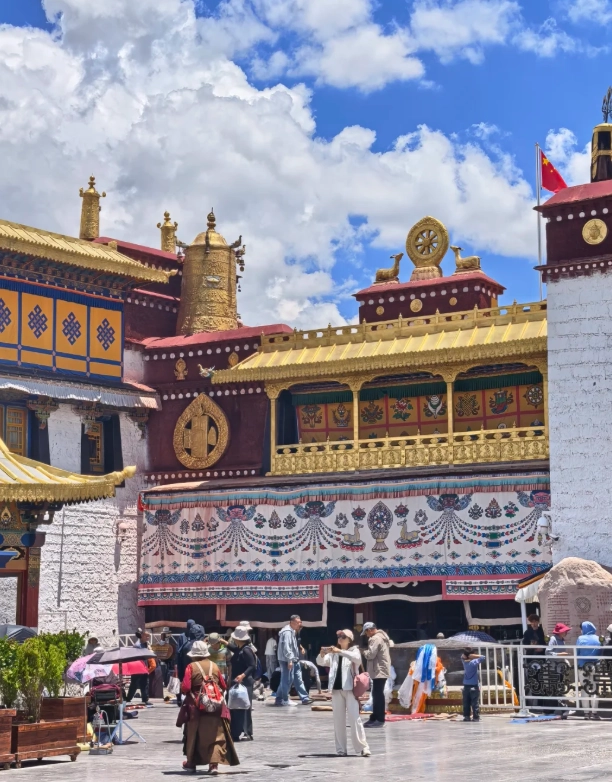
Day 2: Monasteries and Hidden Gems
Morning: Drepung Monastery
Day 2 is all about the outskirts. Start with Drepung Monastery, the largest monastery in the world—it once housed 10,000 monks. It's about 7 kilometers west of downtown. Taxi there costs about 30 yuan. The entrance is 60 yuan. Explore the maze-like white buildings and the famous Drepung Shöl area. My favorite part is the All-Dialects Temple with its towering gold roof. Give it 2 hours. Try to go early (around 9 AM) to beat the tour groups.
Afternoon: Sera Monastery and the Monks' Debate
Then head to Sera Monastery, about 5 kilometers north. Taxi about 20-25 yuan. The highlight here is the Monks' Debate at the garden courtyard—it starts around 3 PM daily. The monks engage in animated arguments about Buddhist logic, complete with dramatic hand claps. It's been called one of the most dynamic religious experiences in the world. The entrance fee is 50 yuan, and the debate session is free. After the debate, walk up to the rooftop for an incredible view of the region.
Evening Option: Norbulingka or Old Town
If you've still got energy, Norbulingka (Jewel Park) is a UNESCO site just 3 kilometers from Drepung. The former summer palace of the Dalai Lama has beautiful gardens and quiet paths. But honestly, if you're beat, I'd recommend an evening stroll through the old town—the narrow lanes around Barkhor are magical after sundown, with shops closing and monks heading home. Grab a quiet dinner and rest up for your departure.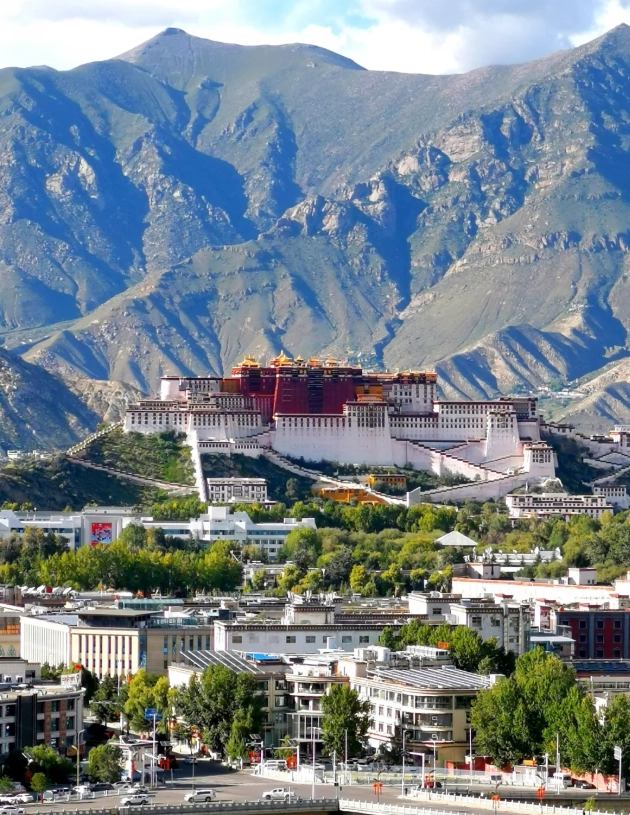
Where to Eat in Lhasa
Food in Lhasa is hearty and often feels more than 3000 meters high. Here are my go-to spots:
- Hasang Restaurant (No. 23, Dalaizha Road) — This is where locals take out-of-town friends. Try the butter tea (a bit salty, an acquired taste) and momos (steamed dumplings, usually yak meat). It's affordable—expect 30-50 yuan per person. No English menu, so use your translation app.
- Tibet Kitchen (No. 124, Barkhor East Street) — A well-known spot for traditional Tibetan dishes. The thukpa (noodle soup) will warm you up. You'll see tourists but also plenty of locals. Prices around 60-80 yuan. They have picture menus if you're not adventurous.
- Snowy Land Restaurant on Yutuo Road is another solid choice for yak steak and sweet tea. Expect a queue around 7 PM—I've waited 20 minutes.
Try the street-side tsampa (roasted barley flour) from vendors near Barkhor—but buy it from somewhere that looks busy, and drink plenty of water after.
Where to Stay in Lhasa
Choosing the right neighborhood makes a big difference. Here's a quick comparison:
| Hotel Name | Location | Price Range (per night) | Best For |
|---|---|---|---|
| Yak Hotel | Old Town (near Jokhang) | $40-80 | Backpackers, culture immersion |
| Himalaya Hotel | Near Potala | $80-150 | Comfort seekers, families |
| Dehang Hotel | New Town (Barkhor South) | $60-120 | Budget travelers, accessibility |
I personally stay at the Yak Hotel when I want to step out directly into the old town lanes. The rooms are basic but clean, and the front desk can handle permit bookings. If you need better Wi-Fi (which is rare but crucial for work), pick a mid-range hotel like the Himalaya. Just confirm they allow foreigners—some budget hostels don't.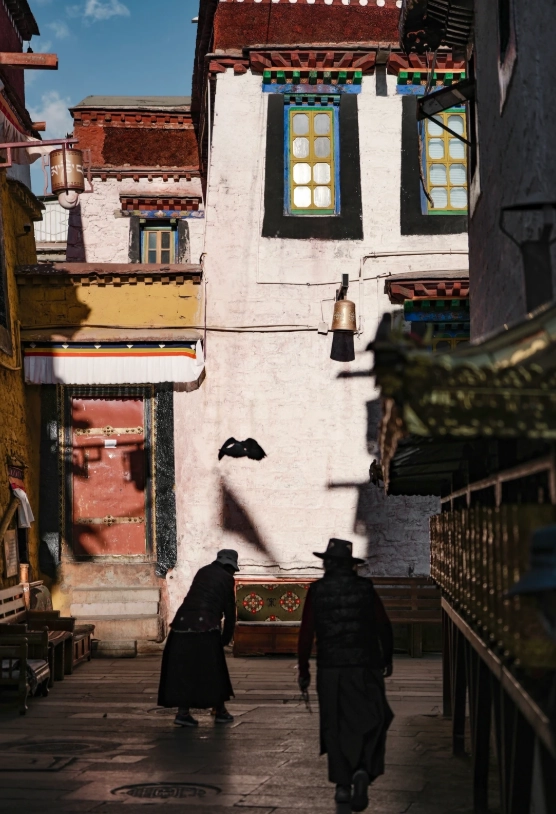
FAQ
Verified and fact-checked by the editorial team.





No comments yet.