 Fang Wang
Sweet, delicate, and mouthwateringly fresh — that's how I describe Suzhou food to every client who steps off the high-speed train at Suzhou Railway Station. But here's the catch: finding those authentic flavors on your own can be a maze of language barriers, tourist traps, and payment drama. That's exactly why I'm spilling everything I know about what to eat in Suzhou in this guide.
You've probably read about the famous "pine tree fish" or "soup dumplings," but let me save you the headache — most English-language blogs miss the practical stuff. Which streets to hit at what time, how to pay when the shop only shows a QR code, and how to order without looking like a clueless tourist. After this guide, you'll be eating like a local within hours.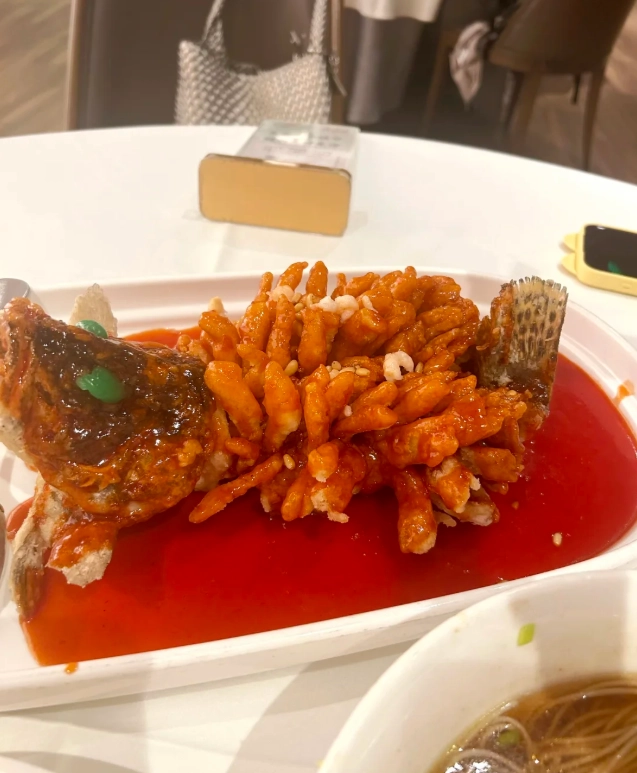
Why Suzhou Food Is Different from the Rest of China
I always tell my travelers: Suzhou cuisine is a lesson in elegance. Unlike Sichuan's fiery heat or Beijing's hearty sauces, Suzhou food is all about freshness, subtle sweetness, and precision. The city sits in the fertile Yangtze River Delta, so ingredients — especially freshwater fish, bamboo shoots, and rice — are abundant and high-quality. And because this was the former capital of Wu culture, the culinary tradition is anything but rough.
Now, I'm not going to lie: local food also leans heavily on sugar. If you're not used to sweetened soy sauce in your noodles, you might get a surprise. But that sweetness is balanced with vinegar, salt, and umami from local seafood. Think of it as a delicate dance, not a punch. That's why dishes like sweet and sour Mandarin fish work so well — the sauce sings, it doesn't shout.
Another hallmark is knife work. Suzhou chefs are famous for their meticulous cutting — think radishes turned into tiny flowers, or fish filleted into strips that look like a squirrel's tail (yes, that's actually where the name comes from). It's a feast for the eyes before it hits your tongue.
One more thing: breakfast culture is sacred here. Locals line up for a bowl of noodle soup at dawn, with toppings like shrimp roe, pork, or stir-fried eel. Don't expect a leisurely Western breakfast — here, you're in and out in 15 minutes, because the broth waits for no one.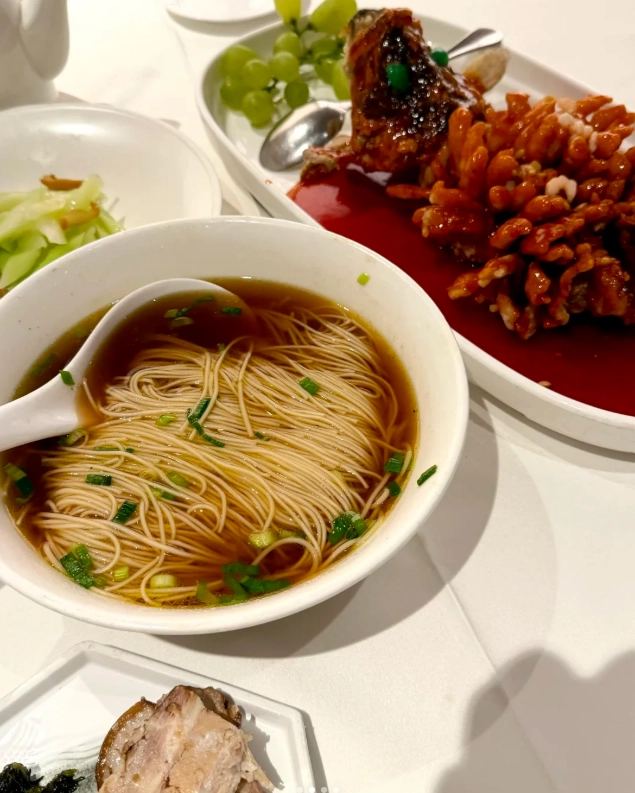
The 7 Must-Try Dishes in Suzhou (Yes, All of Them)
Alright, here's the lineup. I've ordered these by the "if you're only here for two days" factor. Each one is a local institution, and I'll tell you exactly where to find them.
1. Sweet and Sour Mandarin Fish (松鼠桂鱼)
This is the dish you'll see on every tourist menu, but the good versions are worth the hunt. It's a whole fresh Mandarin fish, deep-fried so the fillets curl up like a squirrel's tail, then drenched in a glossy, sweet-sour sauce with pine nuts on top. The contrast between crackly skin, tender flesh, and sticky sauce is pure drama.
Where to try it: I recommend a classic Suzhou restaurant like De Yue Lou (得月楼) on Guanqian Street. Yes, it's a bit touristic, but their version has been perfected over decades. Or try Song He Lou (松鹤楼) on Taijian Lane — another old name in the city. Both will cost you around 150–200 RMB for the fish alone. If you want a cheaper local spot, ask your hotel to suggest a nearby "benbang" (local cuisine) restaurant, and check if the menu has a photo of the dish.
Pro tip: The portion is massive — usually enough for 2-3 people. Bring a friend or be prepared to share.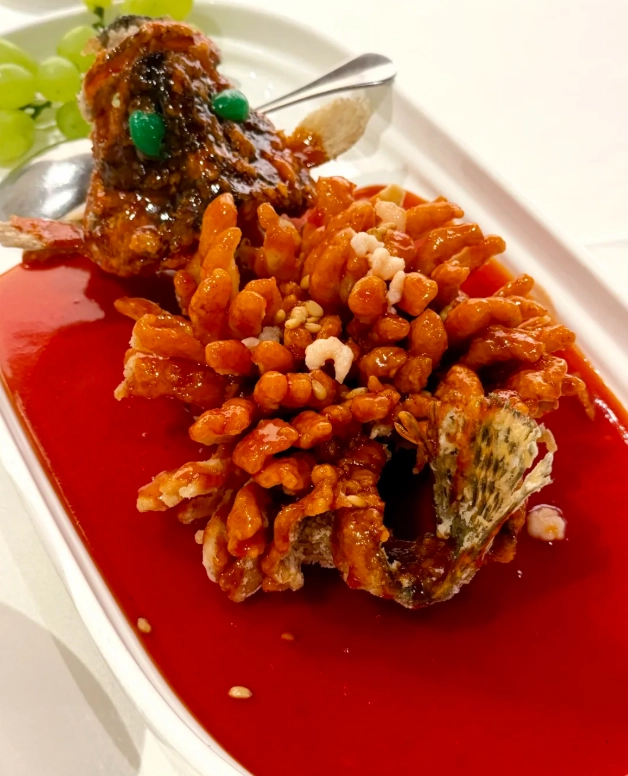
2. Suzhou-Style Noodles (苏式汤面)
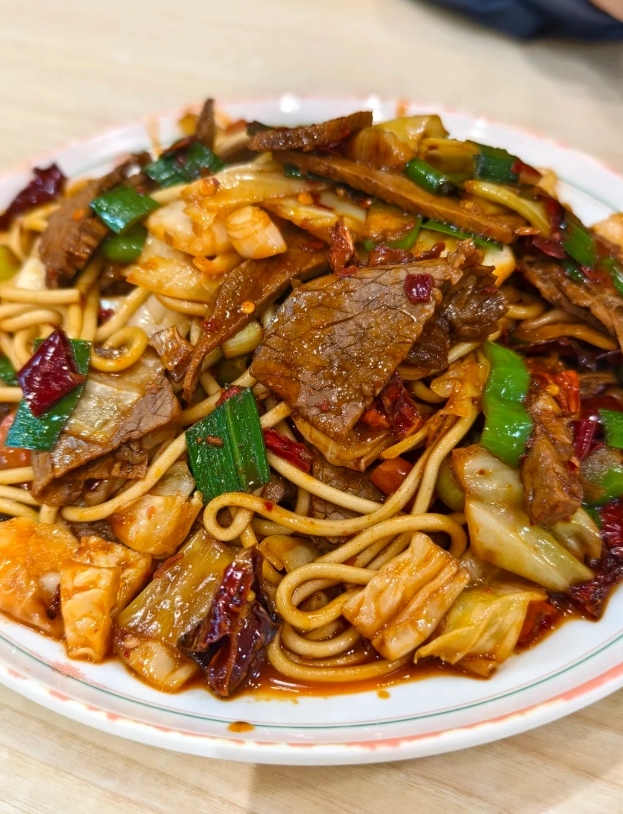
You haven't really experienced Suzhou breakfast until you've had a bowl of these pale, springy noodles in a clear, garnished broth. The local obsession is real, with "top noodles" (面浇头) like fried eel, shrimp roe, or chopped scallions and pork. The broth is made with pork bones and sometimes ham, giving it a gentle sweetness.
Where to try it: Head to Tong De Xing (同德兴) on Shi Quan Street — they're famous for their "moonlight noodle" (月光面). Or try Zi Batong (朱鸿兴) for a no-frills traditional bowl. Expect to pay 15–30 RMB for a basic bowl with a topping. Most noodle shops are open from 6 a.m. to around 1:30 p.m., so go early.
How to order: Point at a topping, or just say "hong shao niu rou" (red-braised beef) if you want something familiar. For a local experience, get "san xian" (three delicacies) — it's like a mystery bag of toppings.
3. Pan-Fried Soup Dumplings (生煎包)
These little buns are crispy on the bottom, fluffy on top, and packed with a hot, savory broth that's impossible to resist. While Shanghai owns the genre, Suzhou's version is slightly smaller and sweeter. I always order a plate of four — they're perfect for a mid-morning snack.
Where to try it: Look for a dedicated "shengjian" stall at the Suma Fried Rice Nou Tou (苏式面馆)? No, don't overcomplicate. The best ones are often in convenience or breakfast street stalls. Go to Dagong Alley near Guanqian Street, or simply search AMap for "生煎包" in your area. A plate of four costs 8–12 RMB. Opening hours: typically 7 a.m. to 12 p.m. and then again 4 p.m. to 7 p.m.
Insider advice: Bite a small hole in the bun first, slurp the broth, then dip in vinegar before the rest. Don't ask for chopsticks — they're eaten by hand here.
4. Stinky Tofu (臭豆腐)
Don't let the name scare you — Suzhou's stinky tofu is a crispy, golden snack that smells like, well, a warm pair of socks, but tastes like heaven. The deep-fried cubes are typically served with a sweet hoisin-like sauce and chili oil. It's a street-food gem that locals adore.
Where to try it: Pingjiang Road has several stalls near its north entrance, or try the night market at Shilian Street. A portion costs 5–10 RMB. These stalls often operate from late afternoon till late evening. Just follow your nose — and your eyes, since you'll see a crowd around the fryer.
Personal note: I always tell my groups to be brave. After the first bite, they're usually hooked. If you're vegan, ask for it without the meat-based sauce.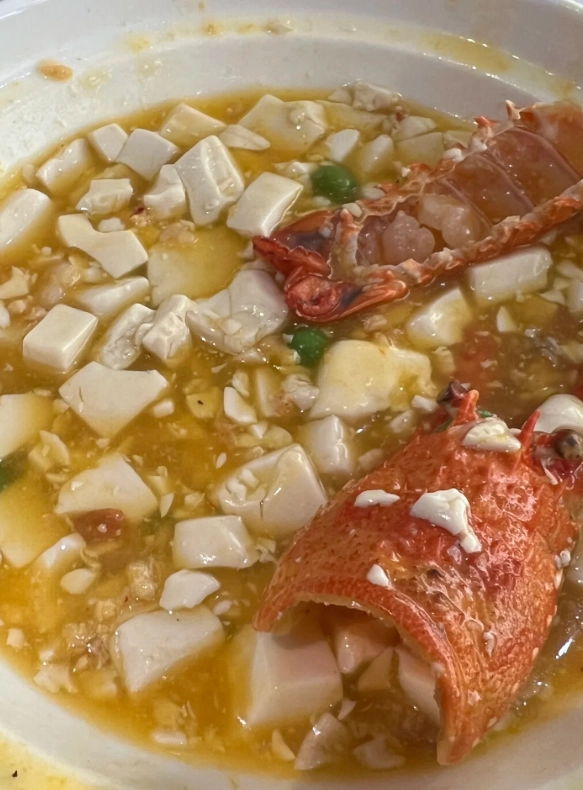
5. Glutinous Rice Balls in Fermented Rice Wine (酒酿圆子)
This dessert is like a warm hug on a chilly evening — small glutinous rice balls floating in a mildly alcoholic, sweet fermented rice soup with osmanthus petals. It's delicate, fragrant, and not as heavy as other Chinese desserts. Perfect after a savory meal to reset your palate.
Where to try it: Many restaurants serve it as a dessert. Some noodle shops also have it. For a specialty bowl, head to Yunshuiyao (云水谣) on Ganjiang Road, or hunt for small stalls in the older neighborhoods. A bowl goes for 6–12 RMB.
Watch out: The alcohol content is minimal (usually below 1%), so it's fine for kids, but if you're avoiding alcohol entirely, ask for the version without fermented rice wine.
6. Sweet Rice Porridge with Red Beans (糖粥)
This humble-looking bowl of soft rice porridge topped with sweet red beans is a comfort classic in Suzhou. It sounds plain, but the slow-cooked porridge is smooth as silk, and the red bean paste has a deep, caramelized sweetness. It's the kind of breakfast or midnight snack that fills you up gently.
Where to try it: Look for "Suzhou Sugar Porridge" (苏式糖粥) shops near residential neighborhoods. On Shiquan Street, there's a well-known vendor called He Mu Ye (和木叶) that specializes in it. Or simply ask your hotel staff where they get their late-night sugar porridge. A bowl costs 8–15 RMB.
Pro tip: Ask for a sprinkle of osmanthus syrup for an extra floral note.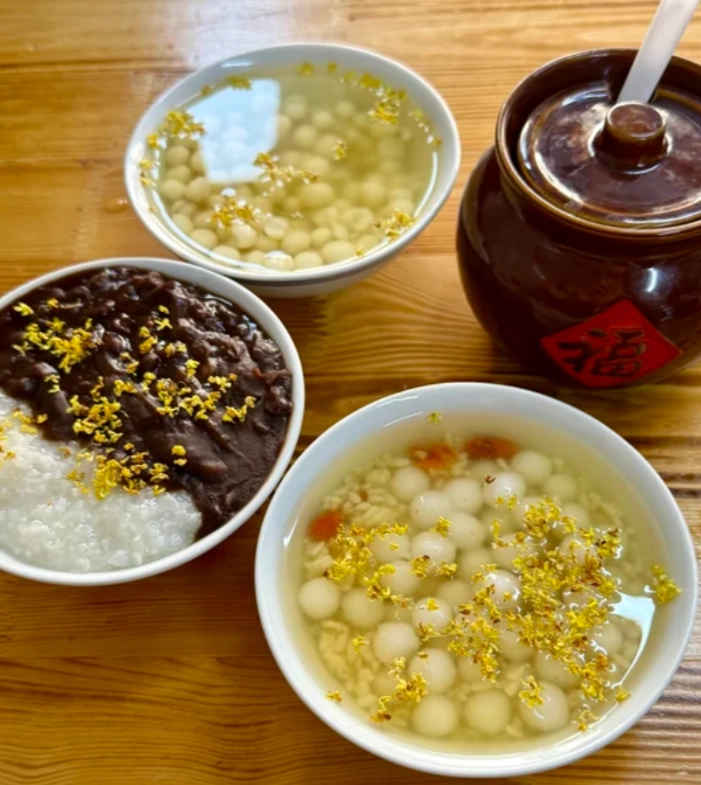
7. Marinated Duck (酱鸭)
If you're a fan of rich, savory-sweet flavors, Suzhou's marinated duck is a must. It's a whole duck (or duck parts) slowly braised in soy sauce, sugar, and spices, giving the meat a reddish-brown glaze. Served cold, it's often carved into pieces and eaten as an appetizer or alongside rice.
Where to try it: You'll see it hanging in the windows of specialty deli shops along Guanqian Street or at Cai Zhi Zhai (采芝斋) — they've been selling it for over a century. A quarter of a duck costs around 30–50 RMB. You can also buy it vacuum-packed for a snack, but nothing beats the fresh-carved version.
Please note: Chinese ducks are often bonier than the Western ones, so it's a bit of a picky-eating exercise. But the flavor payoff is worth it.
Where to Find Suzhou Food: The Best Streets and Markets
Now that you know what to eat, let's talk about where to roam. These are the three areas I always recommend to my clients, each with its own vibe.
| Street/Area | Vibe | Best Time | Budget | Must-Try |
|---|---|---|---|---|
| Guanqian Street (观前街) | Pedestrian shopping street, lively, can be crowded | Morning (10-12) or early evening | Mid-range | De Yue Lou, Cai Zhi Zhai, street snacks |
| Shiquan Street (十全街) | Lined with old restaurants and teahouses, more local vibe | Lunch (11-1) and dinner (5-7) | Mid to high | Noodle shops, sweet porridge, local restaurants |
| Pingjiang Road (平江路) | Historic waterway, highly scenic, lots of snack stalls | Late afternoon to evening | Low to mid | Stinky tofu, rice cakes, candied fruit |
For a first-timer, I recommend starting at Guanqian Street for breakfast and working your way to the quieter Shiquan Street for lunch. You'll get variety without exhausting yourself. The three areas are all within a 15–20 minute walk or a quick <10 RMB taxi ride from each other.
Street Food Safety and Hygiene
Street food is generally safe in Suzhou, but I always remind clients to drink bottled water and avoid anything that looks undercooked or has been sitting out for hours. Look for stalls with high turnover — if they're constantly frying or brewing, you're good.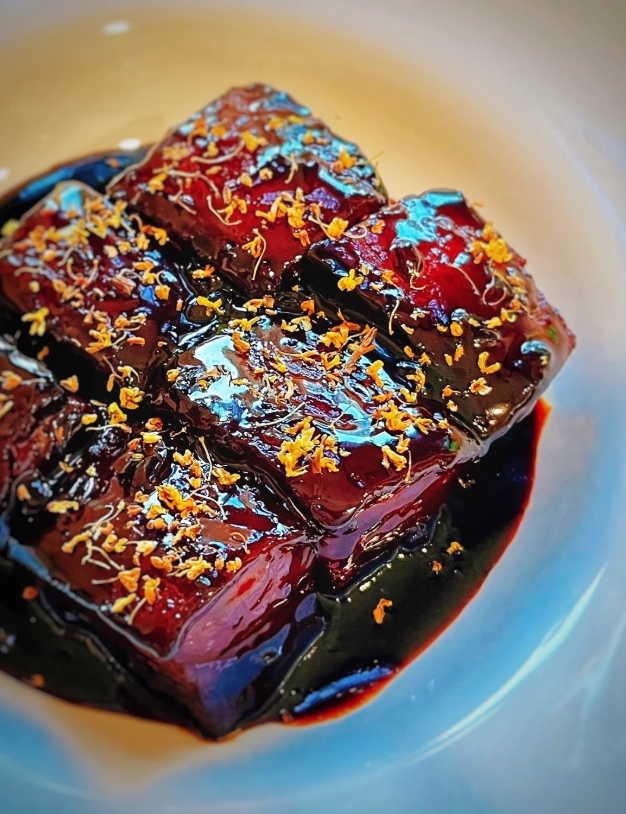
How to Order Like a Local: Payment, Language & Etiquette
This is where most visitors get stuck, so pay attention.
Payment: Cash or Card? Not So Fast
Nearly every food stall and restaurant in Suzhou operates on WeChat Pay or Alipay. Cash is still accepted at most places, but you'll get a bit of hassle and maybe no change. International credit cards? Forget it — they're only accepted in high-end hotels or tourist malls. So you have two options: link your international debit/credit card to Alipay (which now accepts Visa/Mastercard) or use WeChat Pay. It takes about ten minutes to set up at home. Or, if you don't want to risk it, use cash for street food (bring small bills) and let your local guide or hotel front desk help you pay with their phone for larger meals.
Pro Tip: Always carry a few 10 and 20 RMB notes for small purchases and tips (though tips aren't expected here).
Navigating with English vs. Chinese
Google Maps is famously unreliable for food hunting in China. Apple Maps works decently, but for the most accurate directions, download AMap (Gaode) and use its English interface — it's called "AMap Global" in the app store. Type the address in English or Chinese; the app will give you walking routes and even show you the restaurant's location on WeChat within the same app.
I always give my guests a quick "menu phrase" sheet. Key words: 牛肉 (niú ròu) – beef, 虾 (xiā) – shrimp, 素 (sù) – vegetarian, 不辣 (bù là) – not spicy, 甜 (tián) – sweet. Show this to the server, and you're golden.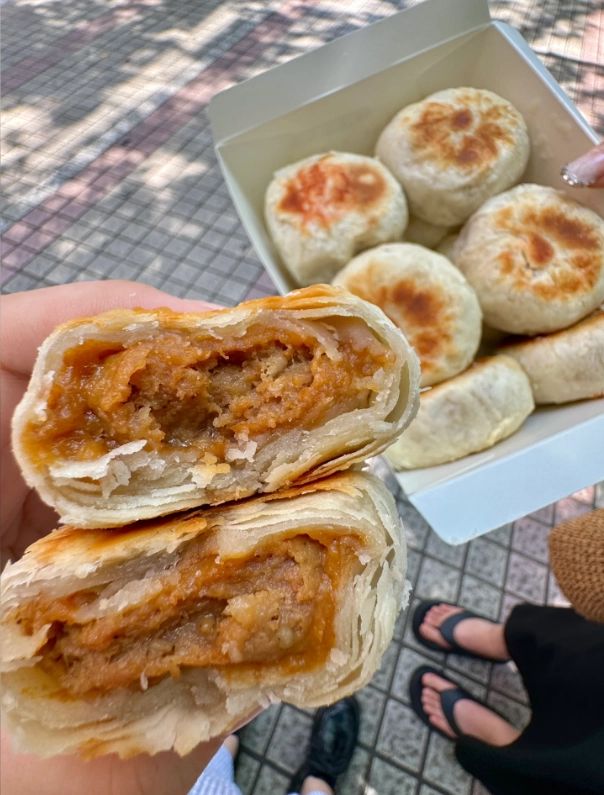
Etiquette: What Not to Do
So you don't accidentally start a scene, here are the rules I share with every first-timer.
- Don't fight over the bill – in local restaurants, the host usually pays. If you're hosting, it's polite to pay for everyone.
- Slurping noodles is totally acceptable — in fact, it's a compliment to the chef.
- Don't stick your chopsticks vertically in a bowl of rice – it resembles incense burned for the dead.
- When someone serves you tea, tap the table with two fingers as a thank-you.
- If you see a long queue, join it. That's the best food on the street.
A 24-Hour Suzhou Food Itinerary (Maximize Every Bite)
Got exactly 24 hours? Let's plan it so you eat like a king without rushing. Here's my step-by-step loop:
- 7:00 a.m. – Breakfast: A Bowl of Noodles. Set your alarm. The noodle shops are open early, and the broth is freshest in the morning. Head to Tong De Xing (same street as above) or any place that's bustling with workers. Order the "yo-yo noodle" (爆鱼面) if you're into fried fish. This should take 20–30 minutes.
- 9:00 a.m. – Snack walk along Guanqian Street. After breakfast, stroll through Guanqian. Grab a plate of shengjian buns or a rice dumpling from a street-side stall. If it's early, the crowd is manageable. Don't forget to look inside the shop windows for the marinated ducks.
- 11:00 a.m. – Late-morning tea & sweets. Step into a traditional teahouse like Peng Lang (蓬莱) near Pingjiang Road. Order a small pot of Biluochun green tea and some sweet rice balls. It's a Suzhou habit — a little idle time before lunch.
- 12:30 p.m. – Lunch: Local dishes at a proper restaurant. For lunch, go to Song He Lou (not the famous chain, but the one on Shiquan Street) or any "benbang" restaurant. Order the sweet and sour Mandarin fish, a seasonal vegetable (like sautéed broccoli), and steamed rice with minced pork. This will set you back around 80–120 per person, but you'll taste what Suzhou chefs do best.
- 3:00 p.m. – Afternoon refreshment: Stinky tofu. Time for the fun street-food snack. Walk along Pingjiang Road and let your nose guide you. A stall with a crowd = good. Try stinky tofu with sweet sauce. It's an acquired taste, so don't overdo it.
- 5:30 p.m. – Early dinner: Rice porridge & dumplings. Suzhou people like to eat early, so grab your dinner around 5 p.m. to avoid the rush. Head back to Shiquan Street and try the sweet rice porridge with red beans, plus some pan-fried dumplings. This is your light and cozy meal.
- 7:30 p.m. – Evening canal walk with street snacks. Finish your day with a gentle walk along the Pingjiang River. Buy a bag of candied hawthorn (糖葫芦) or some roasted chestnuts. The lanterns reflect on the water — it's the perfect ending.
If you have energy, hit the night market at Shilian Street for more adventurous snacks like grilled squid or duck neck.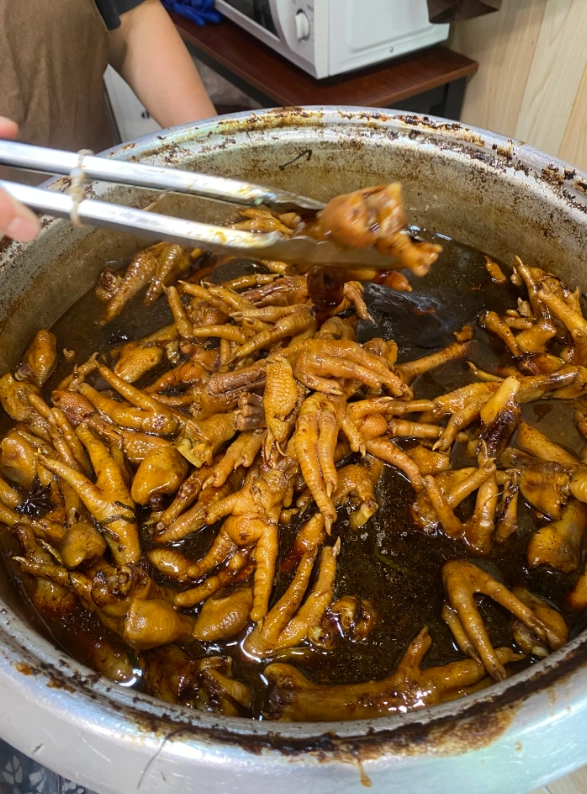
Suzhou Food Tours: Booking and Avoiding Scams
If you'd rather let a professional handle logistics, food tours are a safe bet. I recommend booking through a trustworthy platform like Trip.com or Klook. These will match you with local guides who can navigate the language and often include behind-the-scenes stops you'd miss on your own.
However, beware of unlicensed street touts who offer "free" tours — they'll drag you to souvenir shops or overpriced restaurants. Always book in advance via a reputable site, and pay attention to reviews.
If you want a very local experience, skip the formal tour and simply walk into a busy noodle shop with your translation app. But if you're in a group or pressed for time, invest in a guide. It's worth the 200–400 RMB for a half-day private tour.
FAQs About Eating in Suzhou (From a Guide's Point of View)
Final Thoughts from My Guide Notebook
I've walked these streets with hundreds of travelers, and let me tell you — Suzhou food is a journey, not a checklist. Don't stress about hitting every dish. Instead, let your senses guide you: follow the aroma of garlic and vinegar, sit where the locals are eating, and be open to the unexpected.
Yes, there will be some sticky moments — like figuring out the QR code payment or ordering a mystery bowl of noodles. But that's part of the adventure. The best conversations I've had with locals happened over a shared table at a crowded noodle shop.
If you only remember one thing: arrive hungry, stay curious, and don't skip dessert. Suzhou's sweets will win you over even if you're not a sugar person.
Now go, and may your chopsticks be swift and your broth be steaming. If you have a question that's not covered here, drop me a comment below — I read every one.
Verified and fact-checked by the editorial team.





No comments yet.