 Fang Wang
Jump to the Good Stuff
- Why Most Weekend Plans in Shanghai Fail
- How to Build Your Shanghai Weekend: The 48-Hour Blueprint
- How to Get Around Shanghai: Metro, Taxi, and Ride-Hailing
- What to Eat in Shanghai on a Weekend
- Where to Stay in Shanghai for a Weekend
- How to Handle Payments, Apps, and Staying Connected
- Essential Travel Tips for Your Shanghai Weekend
- FAQ: Your Shanghai Weekend Questions
Let me be blunt: most weekend itineraries you find online will leave you exhausted and underwhelmed. I've spent years guiding travelers through Shanghai, and I've seen the same mistakes over and over. Here is the catch—you don't need to hit every famous landmark. You need a plan that flows.
The real pain points for foreigners: your credit card may not work at local shops, Google Maps is useless, and booking attractions requires a passport and a Chinese phone number. But don't panic. I've got you covered.
The winning strategy: start your Saturday at 9 AM at the Bund, not at noon when the tour groups arrive. And download AMap (or Apple Maps) before you land. Now, here's what I tell every client who asks me what to do in Shanghai for a weekend.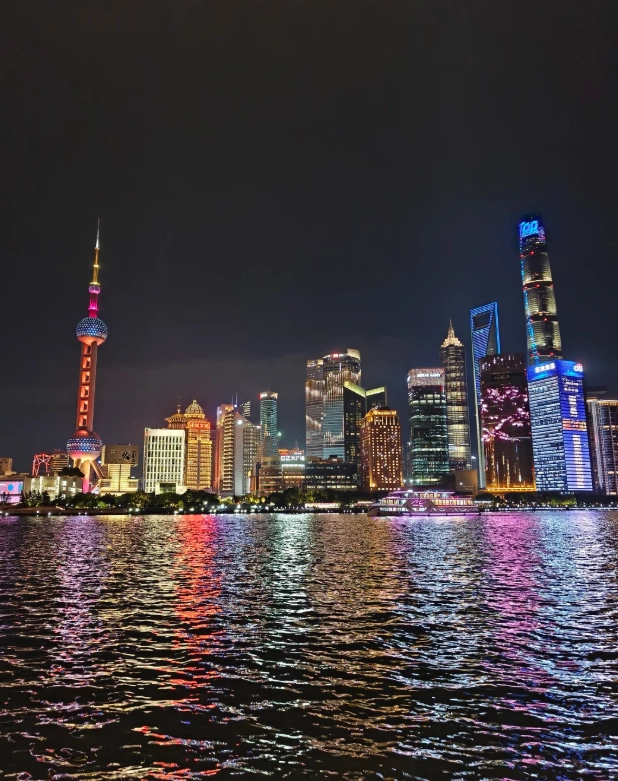
Why Most Weekend Plans in Shanghai Fail
Most travelers try to do too much. They cram the Bund, Yu Garden, Shanghai Tower, French Concession, and sometimes Zhujiajiao into two days—then wonder why they're exhausted. Shanghai is a city of 24 million people. It's not a walking city; distances are vast.
The first mistake is ignoring the digital booking system. Many attractions, like the Shanghai Museum, require an advance reservation with your passport number. If you show up without a reservation, you'll be politely turned away. I've seen it happen to confused tourists almost every day.
Second, cash is becoming rare. Many small restaurants, especially family-run noodle shops, only accept mobile payments. They might not accept international cards at all. You need to set up mobile payment or carry enough cash.
Here's the truth: a realistic plan gives you more memories than a jam-packed one. Prioritize two or three experiences per day and accept that you'll come back for the rest.
How to Build Your Shanghai Weekend: The 48-Hour Blueprint
Below is my tested 48-hour plan. It's designed for first-timers, with breaks and alternative options. I've used this with dozens of client groups, and it consistently delivers.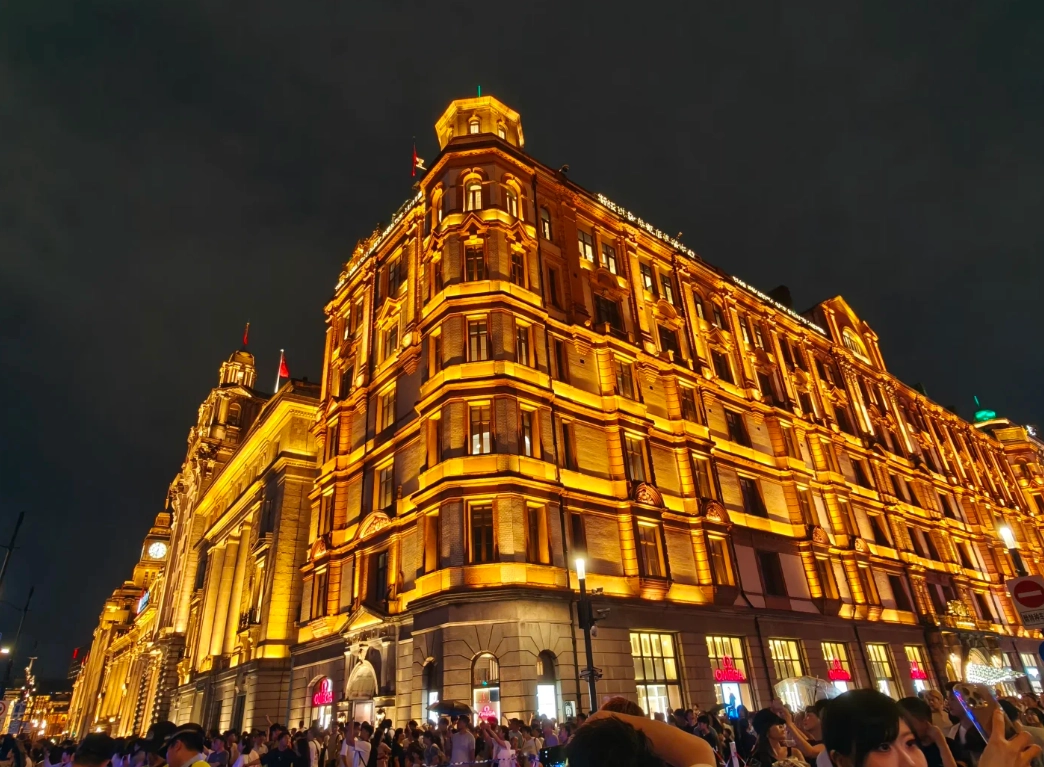
Saturday: Classic Shanghai and the Old Town
Start at the Bund at 9:00 AM, when the tour buses haven't arrived. Walk along the promenade, soak in the colonial buildings across the Huangpu River, and snap photos. The Bund is free and open 24 hours. I usually grab a coffee at a nearby Starbucks to warm up.
Then hop on metro Line 10 to Yuyuan Garden station, Exit 1. It takes about 15 minutes. Yu Garden is beautiful but tiny—it packs 500 years of history into a compact space. Entry is around 40 RMB, but you can also wander the surrounding bazaar area for free. The best time to visit is right after opening time to dodge the crowds.
For lunch, walk to Nanxiang Steamed Bun Restaurant on Yuyuan Garden Road. Their xiaolongbao (soup dumplings) are legendary. The crab roe ones are my personal favorite—juicy and rich. Expect a line, but it moves fast. If the wait is over 30 minutes, try the nearby Jia Jia Tang Bao instead (90 Huanghe Road).
After lunch, take the metro to Xintiandi (Line 10 to Xintiandi station). Stroll through the restored shikumen houses, now filled with boutiques and cafés. It's a perfect place for a coffee break. Then walk to Fuxing Park (about 20 minutes) or grab a bike (Yellow Bikes are cheap) and circle the French Concession streets.
For dinner, I always recommend Lost Heaven at 23-25 Gaolan Road. The Yunnan cuisine is bursting with flavors, and the historical building adds atmosphere. Book a table via your hotel or Trip.com, or you'll wait at least an hour.
End the night back at the Bund. The skyline lights up, and the lights show on the buildings runs at 7 PM and 10 PM on weekends. It's free, and even after showing it dozens of times, I still get goosebumps.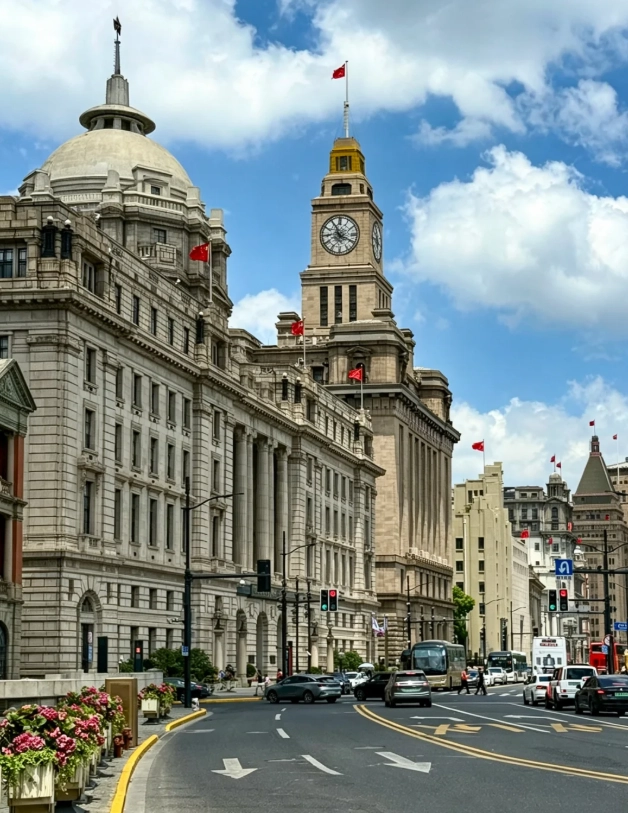
Sunday: Modern Shanghai and Your Choice
Wake up early to beat the crowds. Head to the Shanghai Tower, the world's second tallest building. Tickets for the observation deck are around 180 RMB, and you'll avoid the long queue if you arrive before 10 AM. The high-speed elevator is an experience in itself. On a clear day, you can see the whole city.
If you'd rather see something cultural, swap this for the Shanghai Museum at People's Square. It's free, but reserving tickets on the official WeChat mini-program is a pain. My pro tip: ask your hotel receptionist to book it for you—they deal with this daily. Simply show your passport at entry.
For lunch, go to Din Tai Fung in Lujiazui or Xintiandi. Their soup dumplings are world-class, and they have picture menus, making it easy for non-Chinese speakers. Expect to pay around 100 RMB per person.
Afternoon options, depending on your energy:
- Tianzifang – a maze of arts and crafts alleyways near Dapuqiao Station (Line 9). Great for quirky souvenirs and Instagram-worthy shots.
- Zhujiajiao Water Town – if you crave a glimpse of ancient China. Take Metro Line 17 to Zhujiajiao station, then a short bus ride. This will eat up half a day, so skip it if you're short on time.
- Xintiandi or the French Concession – revisit your favorite spots for a relaxed afternoon.
If you're tired, treat yourself to a traditional Chinese foot massage. There are parlors everywhere; just look for one with a menu in English. Prices start around 60-100 RMB for 45 minutes. It's the best way to recharge.
For your final dinner, I'd suggest trying a local hotpot or Shanghainese cuisine like Shanghai Min (several branches). Order hong shao rou (braised pork belly) and scallion noodles. End with a stroll along Nanjing Road to see the neon signs.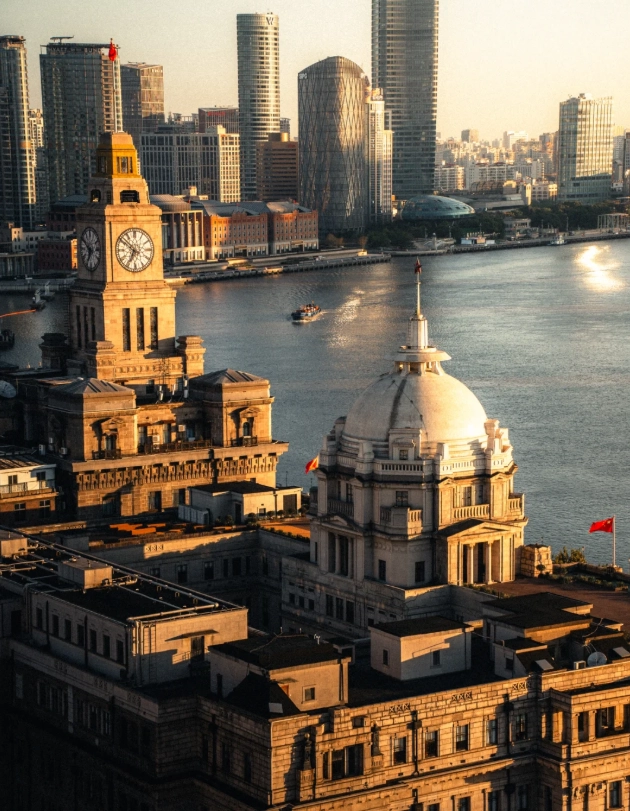
How to Get Around Shanghai: Metro, Taxi, and Ride-Hailing
Shanghai's metro is the fastest and easiest way to get around. Fares range from 3 to 9 RMB depending on distance. English signs are everywhere, and announcements are bilingual. You can buy single-trip tickets at the station with cash, or use the Metroman app to top up. But the simplest hack is to use Alipay or WeChat Pay's metro QR code—it works at every turnstile.
Taxis are metered, but if you don't speak Chinese, have the address written down in Chinese. Uber doesn't work here, but DiDi (the Chinese ride-hailing app) does. Set up DiDi before you land and link it to Alipay. You can also use the wait time to discover that the in-transit ride hailing inside DiDi requires international passport verification—it's a bit of a hassle, so prepare ahead. Alternatively, ask your hotel to call a taxi; concierge always knows the deal.
- Metro – runs from 5:30 AM to 11:00 PM. Download AMap for offline routes.
- Bus – cheap, but no English stops usually. Skip unless you're adventurous.
- Bike-sharing – HelloBike and Meituan are everywhere. Just scan the QR code with Alipay. Great for short hops in the French Concession.
What to Eat in Shanghai on a Weekend: Local Foods Worth Your Time
Shanghai's food scene is a universe. Here's a snapshot of must-tries and where to find them:
- Xiaolongbao – Steamed soup dumplings. Din Tai Fung for consistency, or Jia Jia Tang Bao at 90 Huanghe Road for a budget hole-in-the-wall. Both are excellent.
- Shengjianbao – Pan-fried pork buns. Yang's Fried Dumplings (multiple branches) are my favorite. The bottom is crispy, the filling is juicy. Grab a plate and let the soup scorch your tongue—it's worth it.
- Scallion oil noodles – Simple yet addictive. Look for a small eatery with a long line. I often go to a place near Nanjing East Road, but honestly, any busy shop will do.
- Hong shao rou – Braised pork belly in soy sauce. Sweet and sticky, it's the ultimate comfort food. Try at Shanghai Min or any Shanghainese restaurant.
- Wonton soup – A warm hug in a bowl. Street stalls serve them all day.
A quick note on payment: many locals shops only accept Alipay/WeChat Pay. International cards often fail. So carry 200-300 RMB in cash as a backup. If you see a place with no English menu, just point at something on the next table and say 'zhe ge' (this one). That's my go-to trick.
Where to Stay in Shanghai for a Weekend: Best Areas Compared
You'll spend about one night in Shanghai for a weekend trip, so pick your base wisely. Here's my breakdown:
| Area | Distance to Bund | Est. Price/night | Best For | Notes |
|---|---|---|---|---|
| The Bund | 0-1 km | 800-1500 RMB | Luxury & views | Pricey but close to major sights |
| People’s Square | 2 km | 400-800 RMB | Budget & connections | Central, metro hub |
| French Concession | 4-5 km | 500-1000 RMB | Couples, foodies | Trendy, but farther from old town |
| Lujiazui (Pudong) | Across river | 500-1200 RMB | Business travelers | Modern skyscrapers, but less historic charm |
| Jing’an | 4 km | 400-700 RMB | Families | Quiet, good transport |
For first-timers, I recommend People’s Square or near the Bund. You'll be walking distance to many metro lines, and you can easily return to your room if you need a siesta. Book through Trip.com or Booking.com. Always check the room has a secure lock and an elevator—some older guesthouses don't.
How to Handle Payments, Apps, and Staying Connected in Shanghai
Let's talk about the digital hurdle that trips up many visitors.
- Set up Alipay before you land. Link an international Visa or Mastercard. Once verified, you can pay by scanning any QR code. This will cover 90% of your needs.
- Get a VPN. No Google, Gmail, or WhatsApp without it. Test your VPN before the flight. I use a paid one because free ones often fail.
- Download AMap (Gaode). Set language to English. It works offline for navigation, and its taxi-hailing feature integrates with DiDi.
- Carry a small amount of cash. Rural or street vendors may not support card. ATMs at supermarkets are easy to find.
- Use translation apps. Baidu Translate handles Chinese signs well. The camera mode is a lifesaver.
Insider Advice: The trick to setting up Alipay in two minutes is to select 'International' on the home screen. Most travelers miss this and get stuck on the Chinese version.
Yes, it feels like a lot, but these five steps will save you hours of frustration. I've seen clients struggle with WeChat Pay's Chinese interface—do yourself a favor and stick to Alipay.
Essential Travel Tips for Your Shanghai Weekend: Visas, Safety, and More
Now for the non-flashy but crucial advice:
- Visa: Most Western passport holders need a tourist visa. Some nationalities can use the 144-hour visa-free transit if connecting through Shanghai to a third country. Check with the Chinese embassy early.
- Safety: Shanghai is extremely safe by global standards. Violent crime is rare. Petty theft exists in crowded areas, so keep zips closed.
- Tap water: Don't drink it. Stick to bottled water, which is cheap.
- Language: Metro signs are bilingual. Most young locals speak basic English, but don't rely on it. Learn 'dui bu qi' (sorry) and 'xie xie' (thank you).
- Hotel bookings: Ask your hotel to write key addresses in Chinese for you, and to book any attractions that require WeChat reservations. They're used to helping tourists.
One thing that caught me off guard my first month: some public toilets don't provide paper. Always carry tissues. Consider this your expert secret.






No comments yet.