 Wei Zhang
Quick Navigation
- How Many Days in Lhasa: The Honest Range
- What Happens If You Only Have 3 Days in Lhasa?
- How Many Days Does It Take to Acclimate in Lhasa?
- Day-by-Day Lhasa Itinerary: 4 Days for the Sweet Spot
- Top Lhasa Attractions and How to Visit Them
- Where to Stay and Eat in Lhasa: Practical Picks
- Lhasa Travel Tips: Payments, VPN, and More
- FAQ: Your Lhasa Trip Questions Answered
Let me cut to the chase. I've guided hundreds of travelers across Tibet, and the single biggest mistake I see is cramming Lhasa into 48 hours. The result? Oxygen tanks, canceled tours, and tears. If you're asking how many days to spend in Lhasa, here's my honest answer: at least four, preferably five. Why? Because altitude sickness is real, and your body needs time to adjust before you can truly enjoy rooftop monasteries and winding pilgrim paths.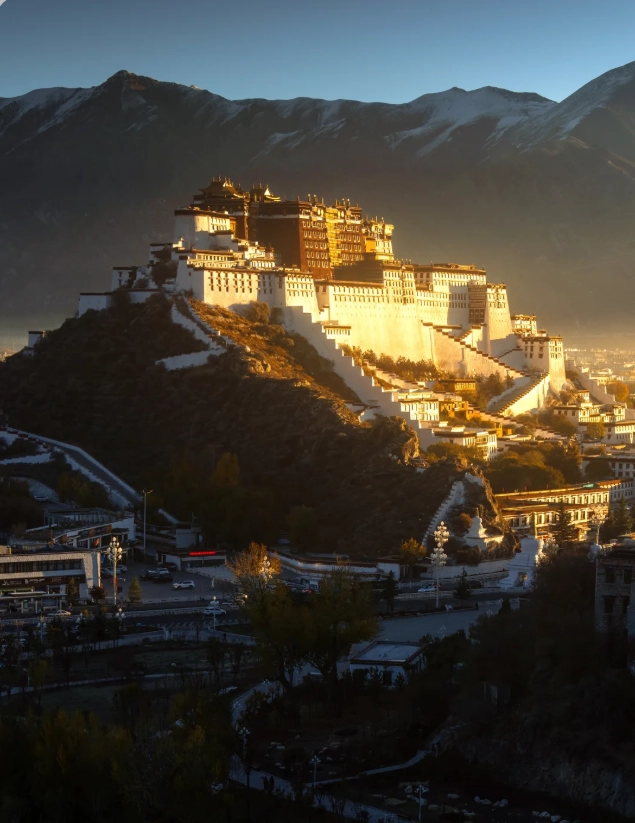
How Many Days in Lhasa: The Honest Range
The sweet spot for most travelers is 4 to 5 days. This gives you enough time to see the must-see sights without rushing and to let your body acclimatize. Here's a quick comparison to help you decide:
| Days | Best For | Acclimatization Risk | My Recommendation |
|---|---|---|---|
| 2 | Emergency layover | Extreme — skip unless absolutely necessary | Don't do it |
| 3 | Time-pressed travelers | High — possible severe altitude sickness | Only if you've already acclimatized elsewhere |
| 4 | Most travelers | Moderate — manageable with proper planning | Strongly recommended |
| 5 | Families and elderly | Low — enough to adjust comfortably | My top pick |
| 6-7 | Photographers, spiritual seekers | Very low — full immersion | Ideal if you have time |
Now, let me explain why 4 or 5 days is the golden rule. Arriving at 3,650 meters (11,975 feet), your body starts gobbling oxygen. The first 24–48 hours are critical. Spend them in gentle walks around the old town, not sprinting up to Potala Palace. With a fourth day, you can visit Drepung and Sera monasteries without feeling like a zombie. A fifth day lets you take a day trip to Yamdrok Lake or even negotiate a permit for Everest Base Camp.
What Happens If You Only Have 3 Days in Lhasa?
Three days in Lhasa is possible, but it's a marathon, not a sightseeing trip. If you're pressed for time, here's a realistic plan — and the sacrifices you'll make.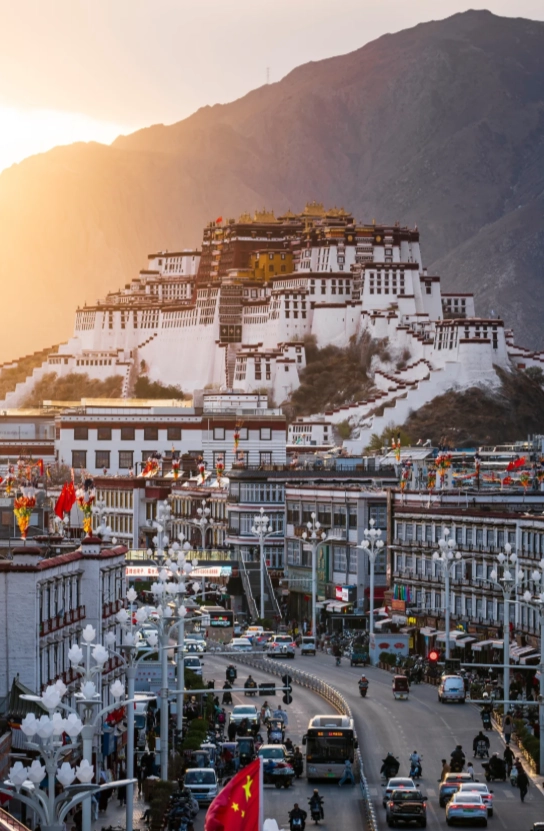
Day 1: Arrival and Acclimatization
Land at Lhasa Gonggar Airport, then take the airport shuttle to the city (about 1 hour). Check into your hotel near Barkhor Street. Don't climb stairs for at least 6 hours. A gentle stroll around the Barkhor kora is perfect — it lets your body know you're high up without triggering headaches.
Day 2: Potala Palace and Jokhang Temple
Book your Potala Palace ticket in advance — it's a two-hour slot-timed entrance. Go in the morning when your mind is sharp. After lunch, visit Jokhang Temple, just a short walk away. The rooftop offers incredible views of the Potala. But by evening, you'll feel the fatigue. Expect a restless night as your body struggles to sleep at altitude.
Day 3: Sera Monastery and Departure
Visit Sera Monastery in the morning to catch the monks' debating sessions (around 3 PM, but you might miss it if your flight is early). Then rush to the airport. Honestly, this is tight. You'll leave Lhasa without ever slowing down. If you can add even one more day, do it.
Here's the catch: with only 3 days, your acclimatization is still in progress when you leave. Many travelers report worse symptoms after flying out than during their stay. That's your body's way of saying "why did you rush me?"
How Many Days Does It Take to Acclimate in Lhasa?
Most people feel noticeably better after 48 to 72 hours at altitude. But full acclimatization takes about 5 to 7 days. In Lhasa, which sits at 3,650 meters, you can expect:
- First 24 hours: Headache, fatigue, shortness of breath are common. Keep it easy.
- Days 2-3: Symptoms often peak. Avoid alcohol and heavy meals. Drink at least 3 liters of water daily.
- Days 4-5: Your body begins producing more red blood cells. You'll feel the difference — stairs become easier, appetite returns.
- Day 6+: You're as close to "normal" as you'll get at this altitude.
So if you ask me, the minimum trip length is 4 days simply to let your body catch up. I always tell my clients: "You're not missing much by leaving on day 3; you're missing everything because you're half-alive."
One insider tip: schedule your hardest activity (like Potala Palace, which involves a steep climb) for day 3 or 4, not day 1. Your heart will thank you.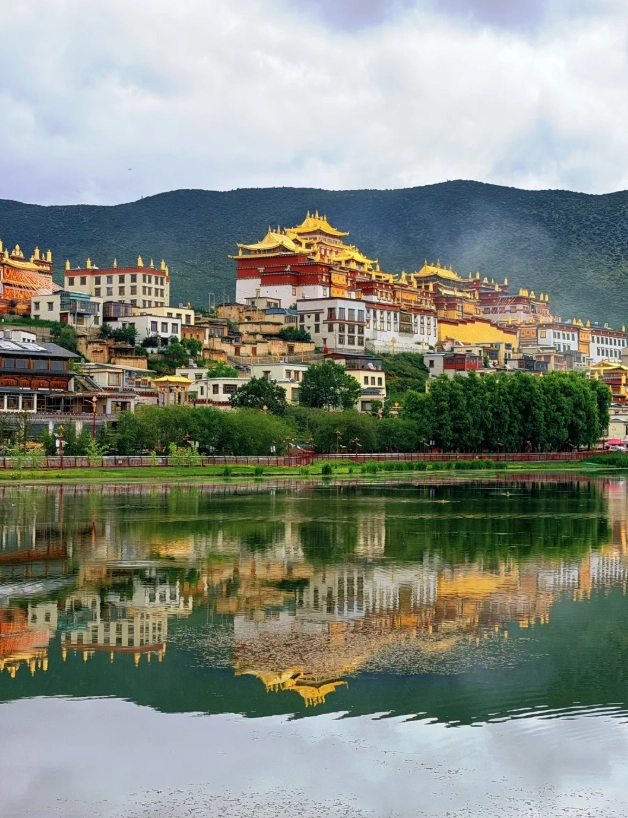
Day-by-Day Lhasa Itinerary: 4 Days for the Sweet Spot
Here's the 4-day itinerary I recommend to almost every traveler. It balances culture, history, and rest. Adjust timing based on your energy.
Day 1: Arrival and Gentle Acclimatization
Arrive at Lhasa Gonggar Airport (LXA). Take the airport bus (30 CNY, about 1 hour) or pre-arranged transfer (200-300 CNY). Check into your hotel near the old town. For the rest of the day, do only light activities. Walk the Barkhor Kora in the late afternoon, when the light turns golden and pilgrims are out. Grab a butter tea at a local sweet tea house. Sleep early.
Day 2: Potala Palace and Norbulingka
Book Potala Palace tickets online at least 1 day in advance (official site or via Trip.com). Your ticket includes a specific entry time. Arrive 30 minutes early; you'll need to pass security and climb the outer ramp. The palace itself takes about 2 hours to tour. After lunch, take a taxi to Norbulingka, the Dalai Lama's former summer palace (about 10 minutes). Its gardens are perfect for a late afternoon stroll. Or, if you're tired, skip Norbulingka and simply relax in the hotel.
Day 3: Jokhang Temple and Sera Monastery
Jokhang Temple opens at 8 AM. Go early to avoid both tour groups and the heat. The temple is the spiritual heart of Tibet. Please be respectful — no photos inside the main chapel. Then, around 3 PM, head to Sera Monastery to watch the monks' debating. It's a 15-minute taxi ride from the center. The debates are a spectacle even if you don't understand Tibetan. Stay for an hour, then walk around the peaceful compound.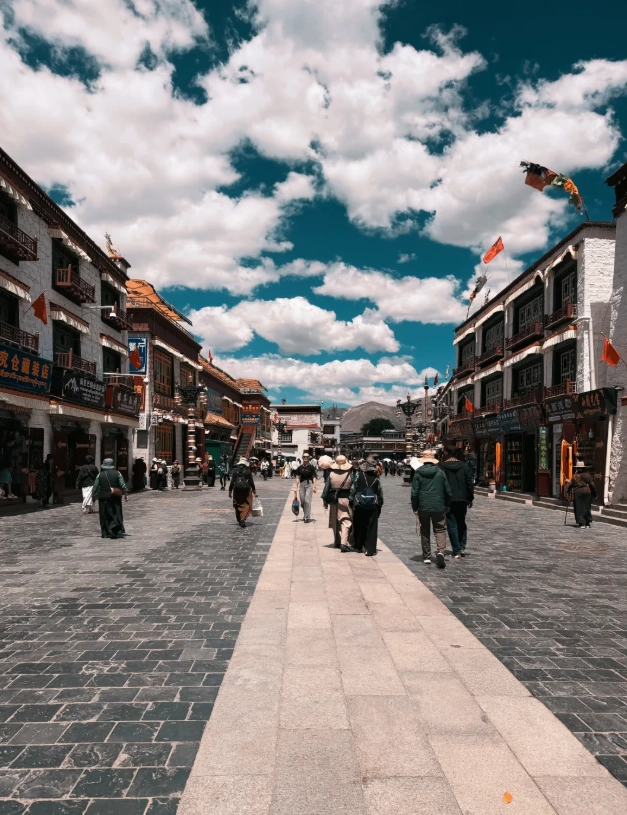
Day 4: Drepung Monastery and Departure
Drepung is one of the "Great Three" monasteries, and it's huge. Allow 3 hours to explore the white-washed buildings stacked against the hillside. The highlight is the Ganden Palace. After that, you can do some last-minute shopping in Barkhor Street. Depending on your flight, schedule your transfer back to the airport. If you have time for one more thing, visit the Lhasa Museum for a deeper dive into Tibetan history.
This itinerary works because it spaces out the physically demanding sites. You climb Potala on day 2, not day 1. You visit the active monastery (Sera) on day 3, giving you a buffer.
Top Lhasa Attractions and How to Visit Them
Here are the must-see spots, with practical details for foreign visitors. Remember that opening hours may change, so always double-check at your hotel.
Potala Palace
- Address: No. 35, Beijing Middle Road, Lhasa
- Opening Hours: 9:00-12:00, 14:30-17:30 (winter); 8:30-15:00 (summer) — but slot times are enforced
- Ticket Price: 200 CNY (May-Oct), 100 CNY (Nov-Apr); discounts for students and seniors
- Booking: Must be reserved in advance via official WeChat mini-program or platforms like Trip.com. You'll need your passport number.
- Time Needed: 2-3 hours including the climb
- Insider Advice: Skip the long queue at the main entrance; go to the auxiliary exit on the west side. And take water — the climb is steep and the air is thin.
Jokhang Temple
- Address: 1 Barkhor Street, Chengguan District
- Opening Hours: 8:00-18:00 (temple); surrounding kora is always open
- Ticket Price: 85 CNY (adults), free for children under 1.2m
- Booking: Walk-in tickets are usually available, but you may need to show your passport.
- Time Needed: 1-2 hours
- Insider Advice: The rooftop offers a stunning view of Potala Palace, but it closes early — go before 3 PM.
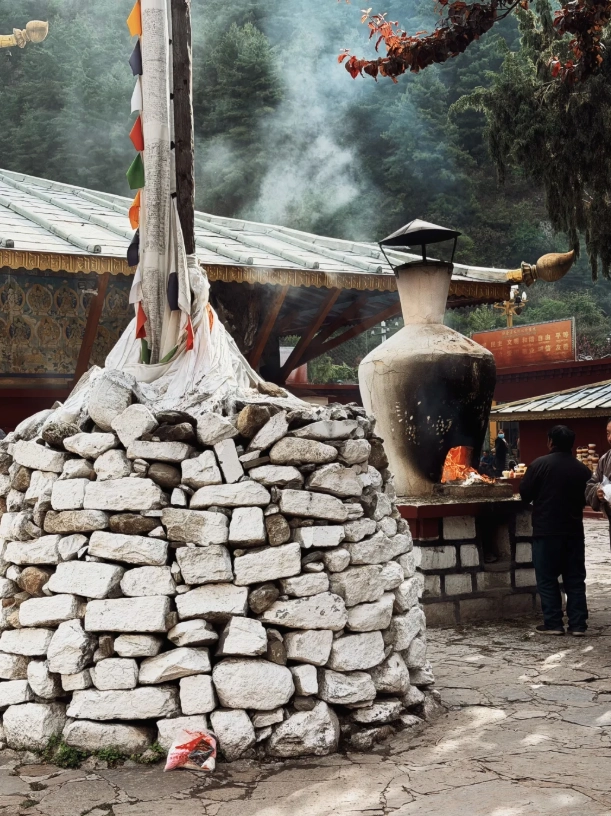
Sera Monastery
- Address: Sera Road, Chengguan District
- Opening Hours: 9:00-16:00 (monastery); debates around 15:00 (daily except Sundays)
- Ticket Price: 50 CNY
- Booking: Not needed, but bring your passport.
- Time Needed: 2 hours
- Insider Advice: The debates are in Tibetan and can get loud — that's normal. Find a shady tree and just watch.
Drepung Monastery
- Address: Drepung Road, west of Lhasa
- Opening Hours: 9:00-16:00
- Ticket Price: 50 CNY
- Booking: Not needed, but bring your passport.
- Time Needed: 3 hours — it's massive
- Insider Advice: Take the local minibus from the old city to the monastery entrance (about 20 minutes). The walk uphill is tough, so consider hiring a one-way shuttle cart.
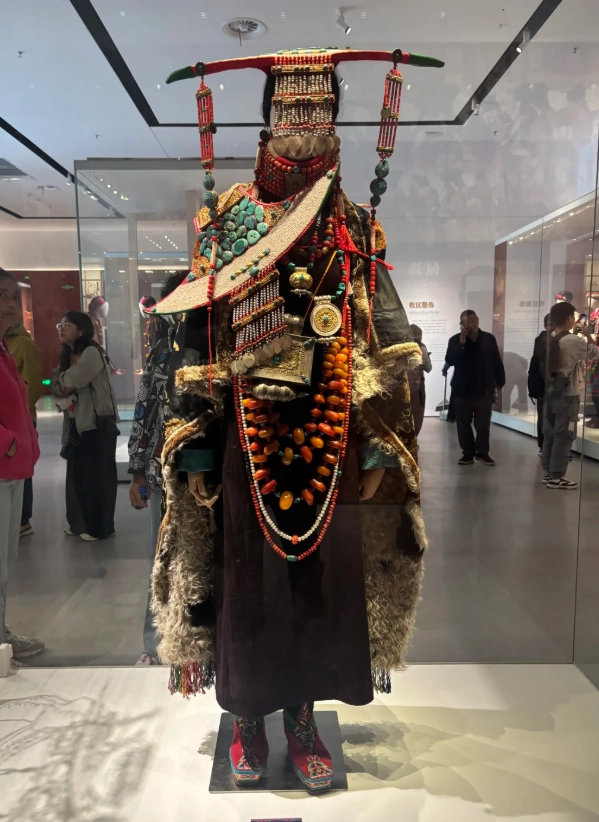
Norbulingka
- Address: East side of Lhasa, near the Potala Palace
- Opening Hours: 8:00-18:00
- Ticket Price: 60 CNY (summer) / 30 CNY (winter)
- Booking: Not needed.
- Time Needed: 2 hours
- Insider Advice: It's essentially a park — great for a picnic break. But don't expect the grandeur of the Potala; it's more of a green retreat.
Where to Stay and Eat in Lhasa: Practical Picks
Your accommodation choice matters more in Lhasa than in any other Chinese city. You want oxygen, warmth, and a reliable shower. Here are my recommendations:
| Hotel | Area | Price Range (USD) | Best For | Key Feature |
|---|---|---|---|---|
| House of Shambhala | Barkhor Street | $80–150 | Solo travelers & couples | Boutique style, but no elevator |
| Yak Hotel | Old Town | $40–80 | Budget travelers | Rooftop café with Potala view |
| St. Regis Lhasa | Norbulingka Road | $200–400 | Luxury seekers | Oxygen-enriched rooms |
| Holiday Inn Express Lhasa | Near Potala | $60–120 | Families | Elevator, consistent quality |
Insider Advice: Book a hotel that offers oxygen supply in rooms if you're worried about altitude. I've seen too many people regret skimping on this.
For food, you can't leave Lhasa without trying:
- Sweet tea (cha ngamo): The breakfast drink of Tibet — a mix of tea and milk, slightly sweet. Grab it at any teahouse near Barkhor.
- Tibetan momos (dumplings): Steamed or fried, stuffed with beef or vegetables. My favorite spot is Namling Restaurant on Beijing Middle Road.
- Thukpa (noodle soup): Perfect for cold evenings. Madhouse (yes, that's the name) serves a hearty version with a hot pot.
- Butter tea (po cha): An acquired taste — salty and rich. Try a small sip at a monk's canteen in Sera.
Most places still accept cash and some international cards, but don't rely on it. Always carry small change for taxis and market stalls. For card payments, carry a backup of cash since many small spots only take Alipay or WeChat.
Lhasa Travel Tips: Payments, VPN, and More
Here's the stuff nobody tells you before you land.
Payments: Alipay and WeChat Pay Are King
Lhasa is increasingly cashless, even more than other Chinese cities. Set up Alipay or WeChat Pay with your international credit card before you arrive. At temples and teahouses, you'll often see QR codes instead of card machines. Carry a few hundred CNY in cash as a backup — some mobile stalls near the Barkhor only accept cash.
Navigation: Forget Google Maps
Google Maps is unreliable in mainland China. Download Amap Global (高德地图) or use Apple Maps. For taxi drivers, show the address in Chinese characters — I like to screenshot the text from a travel app. English addresses won't help most drivers.
Booking and Reservations
Potala Palace tickets must be booked in advance, and they sell out fast in summer. Use Trip.com or a local tour agency to avoid the WeChat mini-program headache. You'll need your passport to book these tickets. For other sites, walk-in with your passport usually works.
VPN and Internet
Google, Facebook, Instagram, and WhatsApp are blocked in China. Install a reliable VPN on your phone before you fly. Even with a VPN, some free networks in hotels may be slow. Buy a local SIM card at the airport or use roaming to stay connected.
Altitude Sickness: The Real Deal
Don't underestimate the altitude. Take it easy for the first 48 hours, drink plenty of water, and avoid alcohol. If you feel extremely short of breath or dizzy, descend immediately. The Lhasa People's Hospital has an oxygen room, but you don't want to end up there.
Physical Preparation
If you're coming from sea level, consider spending a day or two in Xining or Chengdu (at lower altitudes) to adjust. The train from Xining to Lhasa gradually increases altitude — it's a romantic but slow way to acclimatize.
FAQ: Your Lhasa Trip Questions Answered
Is 3 days in Lhasa enough for a first-time visitor?
Technically, you can "see" the highlights in 3 days, but you'll be miserable. Altitude sickness peaks on day 2, so you'll be nauseous while climbing the Potala. If you only have 3 days, spend them as I outlined above and promise yourself to return when you have 5 days. You'll thank me.
What is the best time of year to visit Lhasa?
From late April to June and September to October, the weather is mild and the skies are clear. July and August bring rain and crowds. But don't discount winter — the air is crisp, prices drop, and the palaces are quieter. Just be ready for colder nights.
Do I need a permit to visit Lhasa as a foreigner?
Yes, you need a Tibet Travel Permit, which is arranged by a local tour operator. You can't book it yourself. It's easiest to book a full package through a reputable agency like Tibet Vista or TravelChinaGuide. They'll handle the paperwork and you'll usually need to enter Tibet with a group, though private tours exist.
How many days to spend in Lhasa before going to Everest Base Camp?
Add at least 2 to 3 days in Lhasa to acclimatize before heading to EBC. The base camp sits at 5,364 meters, and the road climbs in a day. Most smart itineraries include 4-5 days in Lhasa alone, then 3-4 days for the Everest loop. Don't skip the acclimatization — I've seen people flown to EBC on day 2 end up in a helicopter rescue.
What should I pack for Lhasa?
Layer like an onion. Days can be warm (15-20°C) but nights drop below freezing even in summer. Bring sunscreen (SPF 50+), a strong lip balm, sunglasses, and a wide-brimmed hat. Also pack a power bank — you'll be using your phone for navigation and photos. And don't forget a reusable water bottle; staying hydrated is the cheapest altitude medicine.
Also, if you're planning a trip, verify all opening hours and ticket prices on official sources or via your hotel before you go. The information here is accurate based on my recent visits, but Tibet can change at the last minute.
Verified and fact-checked by the editorial team. All details about tickets and opening hours were cross-checked with local sources to ensure accuracy.





As a solo woman traveler, I loved how this article mentioned local routines—the early morning walk around the Barkhor, the evening kora along the Jokhang’s outer courtyard. I followed that advice and felt like I saw a real side of Lhasa, not just a photo spotlight. The reminder to schedule a proper rest day was also spot on, because climbing up to the Potala wiped me out. This is the first guide I’ll share with anyone planning a Tibet trip.
Finally, a guide that respects Lhasa instead of trying to cram ten monasteries into three days. I really appreciated the emphasis on wandering the ancient alleys and sitting down for a slow cup of sweet tea in a local teahouse. The author’s line about 'less being more in a place that doesn’t care about your checklist' stuck with me. I followed the recommendation for Sera Monastery and caught an afternoon debate. Left Lhasa wanting more, which proves four days is the sweet spot.
This article convinced me to stop overthinking and just book Lhasa. I did exactly four days, flew in via Chongqing, and the tip about having no plans for the first couple hours absolutely saved me. I loved the part about not rushing through the Potala too—I stood near the white wall and just watched locals spin prayer wheels for twenty minutes. Genuinely felt like the sweet spot. Highly recommend!
Solid guide overall. I used the 4-day plan as a rough skeleton and it worked pretty well, though I’d add an extra rest day before doing the climb to Sera Monastery. The advice about taking a slow start on the first morning was spot on—that really helped with the altitude. My only small complaint is that it could’ve included more packing tips for the temperature swings. Better than most Lhasa articles I’ve read, so I’m not mad.
I liked the breakdown of acclimatization days, but the title feels a bit misleading. It calls this the '4-Day Sweet Spot' and then spends half the article saying why four days isn’t enough if you’re flying straight in. I followed the itinerary and Day 2 was brutal—I didn’t even make it to the Potala until mid-afternoon. Also, there’s no mention of having to arrange a Tibet Travel Permit in advance, which almost derailed my whole trip. Not a bad read, but more of an overview than a practical plan.