 Ting Chen
Rain patters on the old stone streets, and the smell of roast duck drifts from a hole-in-the-wall joint. That's Dali for you — a food city hiding in plain sight. I've been guiding trips here for over a decade, and the hardest part isn't finding good food — it's sorting through the same six dishes every blog lists. So let me cut through the noise: the real Dali food experience isn't in a fancy restaurant. It's on the street, at dawn, and in the chaos of the wet market. Here is your one-sentence cheat code: start your day at the North Gate food market, grab a bowl of spicy cold rice noodles from a pushcart, and finish with griddled rushan cheese sprinkled with rose petals. Don't overthink the rest.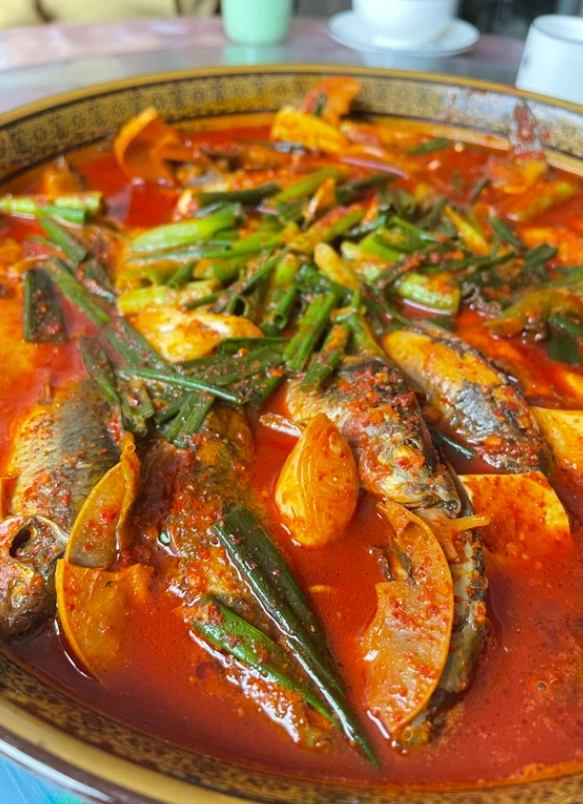
Must-Try Dali Dishes: Beyond the Tourist Menus
If a local tells you to try 'Across the Bridge' rice noodles, smile and nod. It's a Yunnan classic, but it's from Kunming. In Dali, we eat with our eyes on the charcoal grill and our hands on sticky rice flour. Over the years, I've narrowed it down to three street eats you cannot skip.
| Dish | Flavor Profile | Where to Find It | Price Range | My Take |
|---|---|---|---|---|
| Rushan (Roasted Milk Fan) | Chewy, salty, sweet with rose jam | North Gate Market, Fuxing Road stalls | 5–8 RMB | Order extra rose paste |
| Liangji Mixian (Cold Chicken Rice Noodles) | Tangy, spicy, nutty | North Gate Market, local breakfast joints | 8–10 RMB | The best you'll ever eat |
| Xizhou Baba (Flatbread) | Crispy, flaky, savory with pork fat | Fuxing Road, Xizhou Ancient Town | 5–10 RMB | Eat immediately |
| Sha Guo Yu (Clay Pot Fish) | Sour, spicy, umami broth | Erhai Lake restaurants | 60–100 RMB per person | Order the fish for the broth |
| Sheng Pi (Raw Pig Skin) | Chewy, mild gamey flavor | Local Bai eateries | 20–40 RMB for a plate | Only for adventurous eaters |
Roasted Milk Fan (Rushan) — The Signature Dali Snack
This is Dali's most iconic snack. It's a thin sheet of cheese made from cow's milk, grilled until it bubbles and then slathered with rose jam or condensed milk. The texture is chewy, almost rubbery at first, then it melts in your mouth. You'll see it everywhere, but the best one is at the North Gate (Yihe Lu) market, where vendors make it fresh from a giant wok. Cost: 5–8 RMB per stick. Pro Tip: Ask for extra rose paste — it's free and they won't give it unless you ask.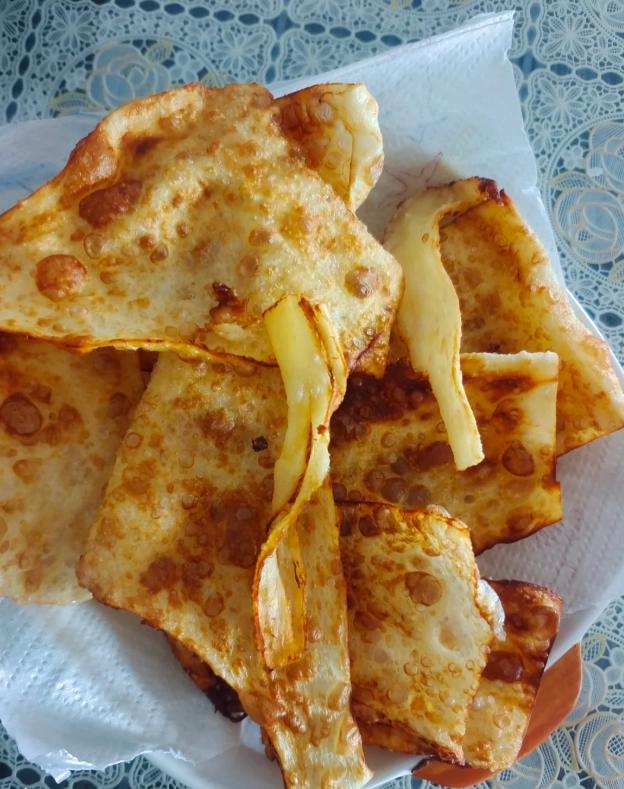
Cold Chicken Rice Noodles (Liangji Mixian) — The Local Breakfast Hero
A bowl of cold rice noodles topped with shredded chicken, crushed peanuts, sesame seeds, and a dark, oily sauce that's sweet, sour, and spicy all at once. It's a breakfast staple, but locals eat it at any hour. My go-to is the stall inside the North Gate market — just look for the crowd in front of the pushcart with a giant vat of chili oil. Price: 8–10 RMB. If you can't handle spice, say 'bù là' (no chili) before they add the spoonful of fire.
Xizhou Flatbread (Baba) — The Flaky Marvel
This flaky, multi-layered flatbread is the pride of Xizhou, a town 30 minutes from Dali. The classic version is filled with shredded radish and pork fat — yes, pork fat. It's crispy, savoury, and oddly addictive. In Dali Ancient Town, look for the shop with the long queue on Fuxing Road. Price: 5–10 RMB. Insider Advice: Eat it warm, within five minutes of it leaving the pan, or it turns into cardboard.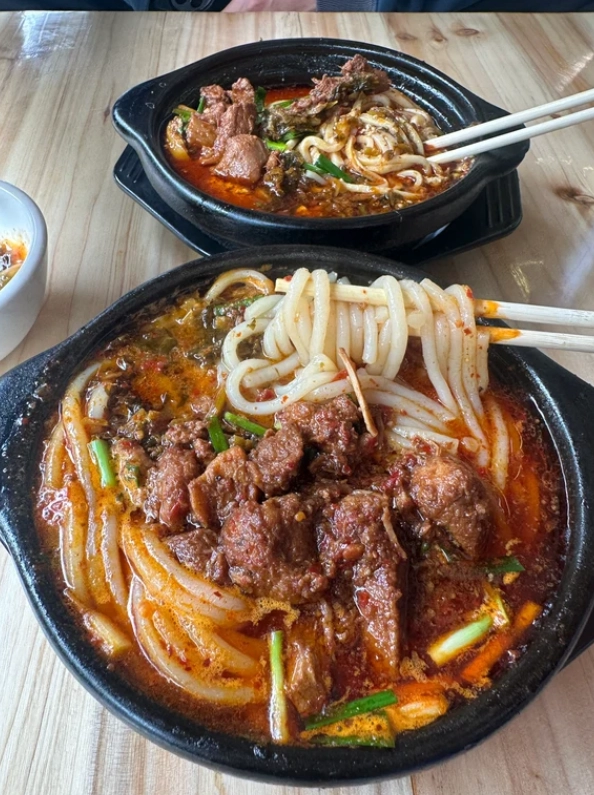
Clay Pot Fish (Sha Guo Yu) — The Sit-Down Splurge
When you need a proper meal with a view, order this. It's fish simmered in a clay pot with potatoes, tofu, and mountain herbs, often flavored with sour plum and chili. The broth is the star — tangy, numbing, and perfect over rice. Head to Erhai Lake's shoreline restaurants for the best experience. Average per person: 60–100 RMB. For a splurge, ask for the 'Erhai wild fish' — though farmed fish is fine too.
Bonus: Raw Pig Skin (Sheng Pi) — For the Brave
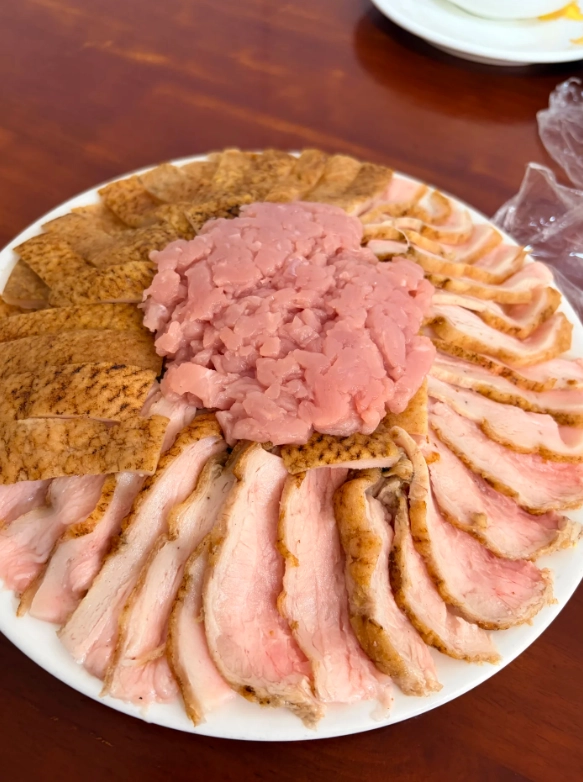
If you're adventurous, Dali Bai people eat 'sheng pi' — raw pork skin served with a dipping sauce of vinegar and chili. I'll be honest: it's not for everyone, and I often tell tourists to skip it or try just one bite after confirming the pig was raised locally. You'll find it at family-run eateries, usually around lunchtime. Proceed only if you trust the source.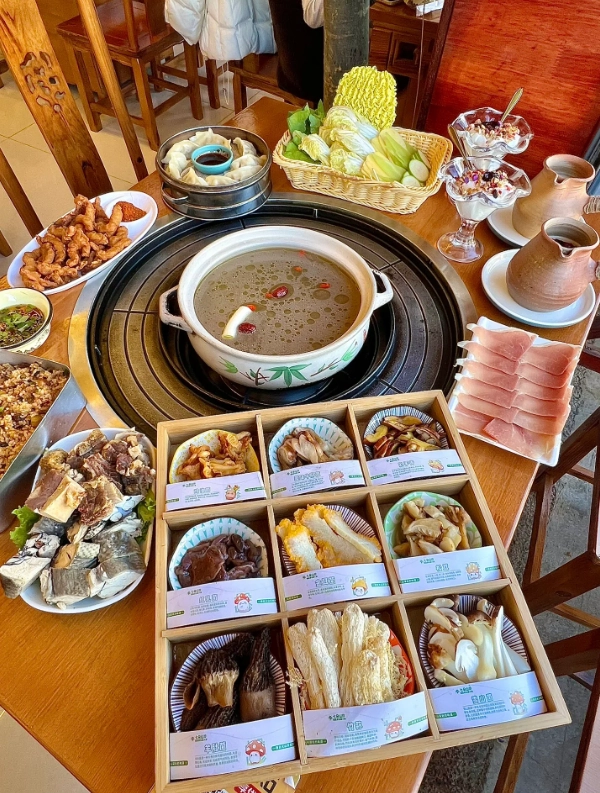
Street Food vs. Sit-Down: Where to Eat in Dali
You have three choices for eating in Dali: wet market stalls, small lunch joints, and proper restaurants. Here's how to decide:
| Type | Examples | Price Range | Best For | Where to Find |
|---|---|---|---|---|
| Wet Market Stalls | Rushan, liangji mixian, baba | 5–10 RMB | Breakfast, quick bites | North Gate Market, South Gate Market |
| Small Lunch Joints | Noodle shops, dumpling stalls | 15–30 RMB | Budget-friendly sit-down | Renyi Jie, Bo'ai Lu backstreets |
| Erhai Lake Restaurants | Clay pot fish, fried shrimp | 60–150 RMB | Scenic dinners, groups | Caicun Village, Xizhou lakeside |
North Gate Market (Yihe Lu) is my go-to for anything raw or grilled. It opens at 6 AM and gets frantic by 9 AM. Go early for the freshest rushan and the best liangji mixian. Fuxing Road is the tourist strip — convenient, but prices are 20–30% higher. Renmin Road is where locals head for late-night snacks; it gets lively after 10 PM.
How to Order Dali Food Without Speaking Chinese
Ordering isn't as scary as it looks. Chinese menus usually have pictures, and if not, you can point at what others are eating. Here's my step-by-step:
- Download an offline translation app (Baidu Translate or Apple Translate) before you arrive.
- When in doubt, use the camera function to translate the menu in real time.
- Point at a photo or the dish at the next table, and say 'zhège' (this one).
- Hold up your fingers for quantity — one finger for one, two fingers for two.
- If you have allergies, show a written Chinese note. I recommend getting an allergy card laminated before you travel.
Warning: Don't expect staff to speak English, even in touristy spots. A little patience and a big smile go a long way.
What to Drink in Dali: Tea, Beer, and Local Booze
- Dali Beer (Dali Pijiu) — light and crisp, perfect after a spicy meal. A bottle costs 5–10 RMB in restaurants.
- Three-Course Tea (San Dao Cha) — a Bai cultural ritual of bitter, sweet, and aftertaste tea. Best enjoyed in Xizhou at the Bai folk performance.
- Dried Plum Wine (Diao Mei Jiu) — sweet, tangy, and dangerously smooth. Ask for a sample first; it's stronger than it tastes.
What to Eat in Dali: A Full-Day Food Itinerary
If you only have 24 hours in Dali, here's how I'd spend them without wasting a minute — or a mouthful.
- 6:00 AM — North Gate Market (Yihe Lu): The market wakes up before the sun. Watch vendors stir huge woks of rice milk to make rushan. Buy a hot stick of it for breakfast — it's 5 RMB and will keep you going for hours.
- 7:30 AM — Same market: Squat on a plastic stool at the liangji mixian pushcart. Order it with an extra spoonful of chili oil if you can take it. The mix of sour, heat, and peanut crunch is the best wake-up call.
- 9:00 AM — Walk to Erhai Lake: The lake is 2 km east of the old town. Take a shared electric shuttle (10 RMB) or walk 25 minutes to Caicun village. The lakeside promenade is perfect for a slow digestion.
- 12:00 PM — Caicun village: Find a family-run restaurant with a clay pot on the stove. Order sha guo yu. Ask for the local lake fish — it has a sweeter taste. Pair it with a bowl of rice and maybe a grilled stuffed mushroom.
- 2:30 PM — Back to Ancient Town: Nap or wander Fuxing Road without buying the overpriced 'antique' snacks. Instead, stop at a bakery for a freshly baked baba. The sweet one with brown sugar is a guilty pleasure.
- 5:00 PM — Renmin Road: This street transforms into a snack alley. Try grilled whole garlic, stuffed tofu, and fried shrimp skewers. Everything is 10–20 RMB.
- 7:30 PM — Dinner: Go for 'Yiliang roast duck'? Not Dali-specific. Instead, try 'Erhai fried rice' with pickled mustard — it's a local comfort dish. At a lakeside restaurant, you'll pay 40–60 RMB for a filling meal.
- 9:30 PM — Dessert: Head to a courtyard bar and order dried plum wine. Drink it slow; it's stronger than it looks. If you're still hungry, grab a bag of roast chestnuts from a street vendor.
This is the exact route I take my friends on when they visit. Adjust the times based on the season — in summer, the market gets busier earlier; in winter, it's more relaxed.
Practical Dining Tips for Foreigners in Dali
- Payment: Most stalls only accept WeChat Pay or Alipay. Bring some cash (both small and medium bills) as backup. International credit cards are rarely accepted outside big hotels. If you only have cards, set up Alipay before your trip.
- Navigation: Google Maps is inaccurate in China. Use Apple Maps, AMap (Alibaba Maps), or Kaola. For taxis, show the Chinese address of your destination — I always keep a note on my phone ready.
- Booking: Street food requires no booking. For famous sit-down places, you can't reserve by phone easily, so just show up early (11:30 AM or 6 PM) and put your name on the list.
- Language: Always have your translation app open. Write down key phrases like 'bù là' (not spicy) and 'sù' (vegetarian) to show vendors.
- Hygiene: Stick to freshly cooked, hot items. Avoid raw vegetables unless you trust the place. Bottled water is everywhere — always drink sealed bottles.
- Special diets: Dali has many vegetarian restaurants thanks to the Buddhist culture. For strict vegans, explicitly ask for 'chún sù' (pure vegan).
FAQ: Eating in Dali as a Foreigner
This content has been fact-checked to ensure informational precision.





I read this article on the train to Dali and immediately changed my food plan. Instead of booking a fancy dinner, I ended up on a small street near Erhai Lake trying grilled silver fish and seasonal wild mushrooms. The guide's descriptions helped me know what to ask for, even when the menu had no English. It's like having a food-savvy friend walk you through the city. Best resource I found.
Not the usual 'top 10 restaurants' fluff. The author clearly ate their way through the old town and villages. I especially appreciated the warning about pre-made bowls in the main square. Because of this guide, I found a stall just outside the north gate making chive-flavored baba bread in a clay oven. It was smoky, crispy, and exactly the hidden gem I hoped for.
This was my saving grace in Dali. After two days of tourist-trap restaurants, this guide pointed me to a tiny courtyard canteen serving braised pork and rushan pancakes. The description of the pear and black chicken soup smelled like home. I even took screenshots and used them offline. Everything I tried from the article was fantastic. 10/10.
Great read before my trip! It doesn't just name the obvious things like crossed bridge noodles; it goes into texture and how to order. I loved that it mentioned fresh garlic sprouts in Dali-style fish—would have never ordered that. Knocking off one star because I wished there were more photos of the actual hidden gems, especially the street vendors. Helped me feel way less overwhelmed though.
Honestly found this guide a bit hit or miss. Loved the idea of chasing lesser-known dishes, and the section on rushan got me excited. But when I tried to find one of the 'hidden' stalls near the old town, the description was too vague, and Google Maps took me to a closed shop. Ended up eating at a place I found on my own. Still, the list of local dishes is solid as a starting point, just don't rely on the directions.