 Ting Chen
What You'll Find Here
You step off the plane at Diqing Shangri-La Airport and immediately feel it—the thin air, the sun cutting through the cold, and yes, a slight headache. You're at 3,300 meters, higher than anywhere you've ever been in a Chinese city. Your credit card? Probably useless in most places. Your Google Maps? Glitches. But this is why you came to the Tibetan highlands. And the good news: I've led this exact weekend itinerary dozens of times, and it works.
Here's the thing—most travelers try to squeeze in everything and end up exhausted, breaking the very first rule of high altitude: don't rush. So let's fix that. The smart way to spend a weekend in Shangri-La is to start slow in the old town, hit the monastery in the afternoon, and save the national park for day two after your body has acclimatized. That's the whole plan. Now let's get into the details.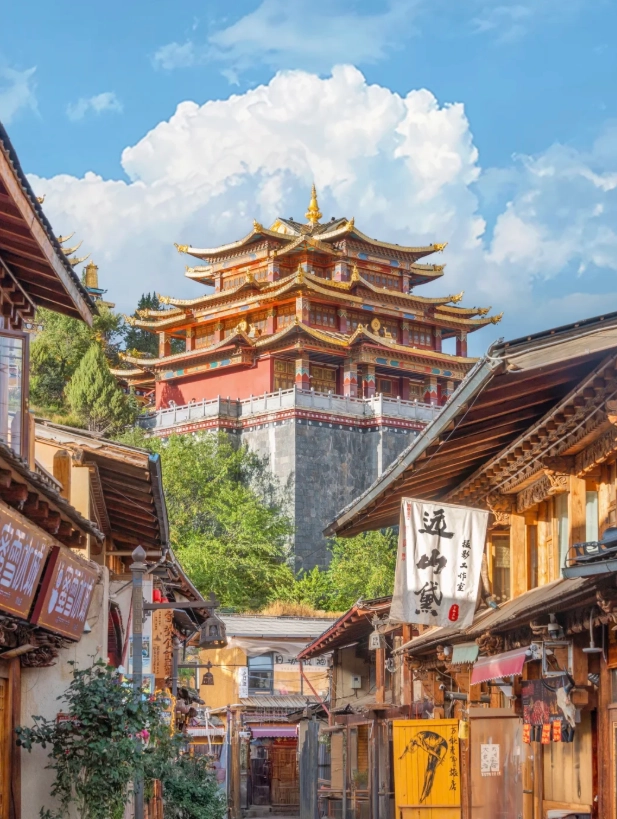
Why Spend a Weekend in Shangri-La?
Shangri-La isn't just another Chinese city. It's the heart of Tibetan Buddhism in Yunnan, with a living old town, a golden monastery, and alpine lakes that feel untouched. A weekend is enough to get a strong hit of Tibetan culture without taking a big chunk of vacation. The altitude adds a little edge—it makes you feel like you've truly left the lowlands behind.
Getting to Shangri-La & Getting Around
Flying In
Diqing Shangri-La Airport (DIG) is your fastest entry. Flights from Kunming take around 1 hour. From the airport to the old town, a taxi is about 30 CNY (3-4 USD). Book flights via Trip.com or Ctrip.
Coming Overland from Lijiang
If you're already in Lijiang, direct buses leave from the Lijiang Bus Station to Shangri-La. The journey takes about 3.5 to 4 hours and costs around 80 CNY (11 USD). Book your seat in advance on Trip.com because seats go fast on weekends. A private charter car costs about 500 CNY (70 USD) for the same route.
Getting around inside Shangri-La: Taxis and Didi (the Chinese Uber) are everywhere in the small city center. You can wave down a cab on the street or call via the Didi app, which has an English interface. For navigation, do not trust Google Maps—use Apple Maps (setting to English works okay) or download AMap (Gaode) and switch it to the global version. Always keep the Chinese address of your hotel written down to show your driver.
| Transport Mode | Time | Cost (approx.) | Best For |
|---|---|---|---|
| Flight from Kunming | 1 hour | 800–1,200 CNY | Speed and comfort |
| Bus from Lijiang | 3.5–4 hours | 80 CNY | Budget travelers |
| Private charter from Lijiang | 3–4 hours | 500 CNY | Groups or scenic stops |
Essential Tips for a Shangri-La Weekend
- Altitude sickness is real. Drink twice the water you usually do. Avoid alcohol for the first night. Pharmacies sell small oxygen canisters (around 20 CNY) if you need a boost.
- Payment is all mobile. Most places accept Alipay or WeChat Pay. Cash is rarely used, and international credit cards are almost useless. Set up Alipay with your foreign card before you arrive.
- Book major attractions with your passport. Songzanlin Monastery and Potatso National Park require a passport number for entry. Use Trip.com or Klook—they work with foreign passports. Walk-in tickets might be restricted on busy days.
- Download a translation app. Even basic Mandarin is rare. Use Apple Translate (offline packs work well) or Baidu Translate. Learn a few phrases: 'xin suan' for spicy, 'jia ge' for price.
The 2-Day Itinerary
Day 1: Dukezong Ancient Town & Songzanlin Monastery
Morning (9 am – 11 am): Dukezong Ancient Town. Entry is free. Start at the South Gate and walk slowly toward the white pagoda. Follow the stone paths up to Guishan Park, the hill behind the town. On top, you'll find the world's largest prayer wheel—it takes a group of 6–8 people to spin it. Sunset light is magical, but mornings have fewer people. Bring a light jacket even in summer.
Late morning (11 am – 12 pm): Grab a quick butter tea at a tea house on the main road. It's salty and earthy—you'll know from one sip. Don't pay more than 15 CNY for a cup.
Afternoon (1 pm – 4 pm): Songzanlin Monastery. Take a taxi from the old town gate (approx. 15 minutes, around 15–20 CNY). Ticket price is around 100 CNY (14 USD) and includes the shuttle bus. Buy online via Trip.com with your passport. The monastery is known as the 'Little Potala Palace' for its white-and-gold architecture. The shuttle drops you near the main gate, and then you walk up a long set of stairs to the main prayer halls. The climb is tough at altitude—go slowly.
Insider Advice: If you have tight hamstrings or a weak heart, don't rush the climb. It took me 20 minutes when I first visited. Take two breaks. Once you're up, the view over the valley is worth every puff.
Inside the prayer halls, no photos are allowed. Monks are often around; they are friendly but don't ask for personal blessings unless you're guided. The best photography spot is the elevated viewpoint near the entrance—the golden roofs and mountains behind make a perfect shot.
Evening (6 pm onward): Back in the old town, look for a restaurant with an image menu and a queue of local people. Try the yak meat hotpot and a small plate of Tibetan momos (dumplings). Order 'niú ròu' for beef or 'yang ròu' for mutton if they don't have an English menu.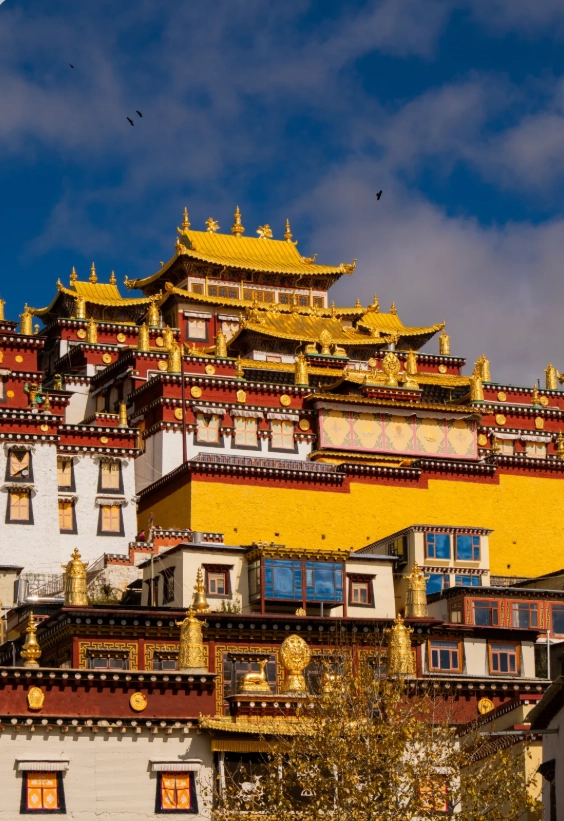
Day 2: Potatso National Park & Napa Lake
Morning (8:30 am – 12:30 pm): Potatso National Park. Take a Didi or hotel shuttle to the park gate—about 25 minutes from the old town. Entrance plus mandatory sightseeing bus is around 200 CNY (28 USD). Get there early; the park often restricts entry in the afternoon. The park is a mix of highland lakes, wetlands, and pine forest. The bus makes two stops: the Bitahai Lake and Shudu Lake. Each stop has a boardwalk loop. At Bitahai, follow the water trail for a full loop—about 45 minutes. The reflection of the mountains in the lake is unreal. At Shudu, stay on the boardwalk; you'll see Tibetan horses grazing nearby. Bring a waterproof jacket—weather changes fast.
Lunch (1 pm): A simple lunch at a roadside eatery near the park gate or bring your own snacks. There's no need for a fancy meal here.
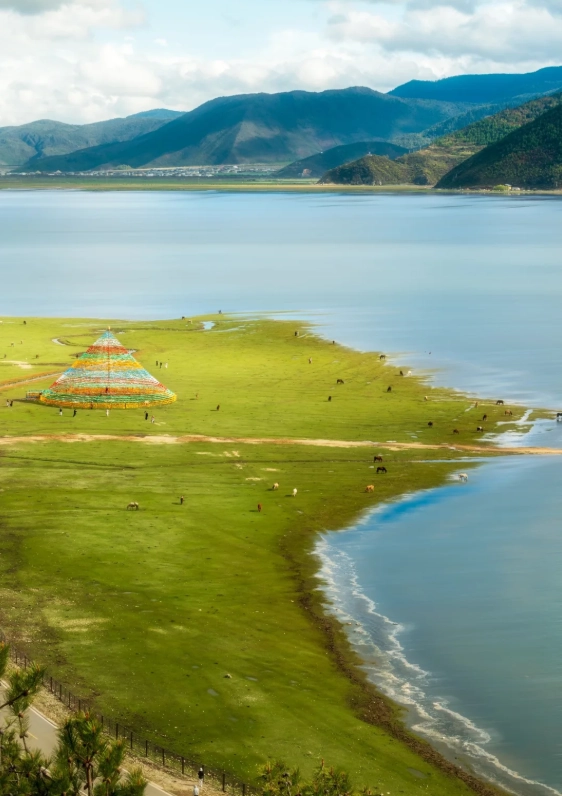
Afternoon (2 pm – 4 pm): Napa Lake. This is a seasonal lake—it's a marshy wetland in spring and a grassland in autumn. From the park gate, take a taxi for about 20 minutes (around 30 CNY) to the southern edge of Napa Lake. There's no official ticket, but you can rent a bicycle or e-bike to ride along the dirt ring road. If you're pressed for energy, just take a short walk along the grassy area and watch the herds of yaks and sheep. The sunset here is unforgettable.
Evening: Head back to the old town for a relaxed dinner. If you have energy for an extra adventure, book a Tibetan cultural show in town—many hotels can arrange it for around 100 CNY. But honestly, after two long days, sit down and rest. Altitude doesn't deal with exhaustion.
Flexible adaptation: If you only have a day or want to change things up, swap Potatso for a visit to the Songzanlin Monastery and spend the second day at leisure in the old town. Or if you're here in winter, replace Napa Lake with the Tianshenqiao hot springs (about 40 minutes away).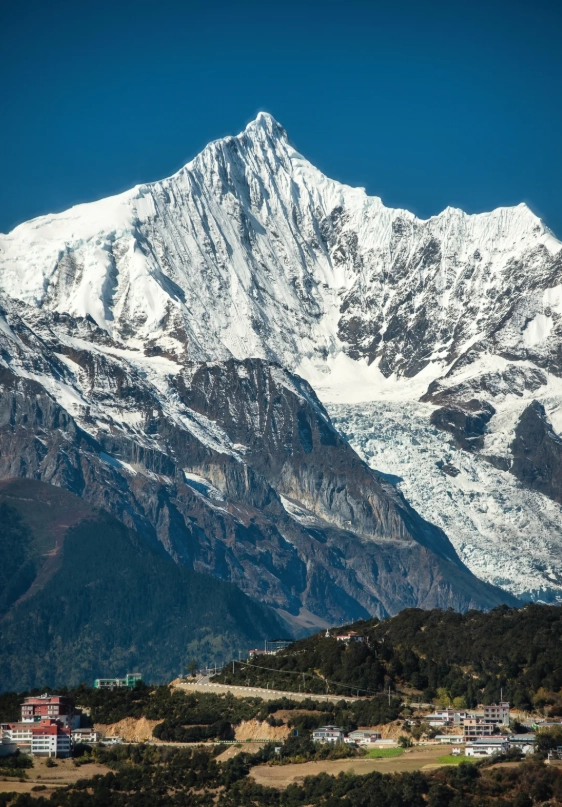
Where to Eat
I'm not going to name one restaurant because the scene changes every season. Instead, use these rules:
- Walk along the main street of Dukezong and look for a place with a picture menu—you can point and order.
- If you see locals eating inside, go in. That's the best endorsement.
- Prices for a full meal are around 60–100 CNY per person (8–14 USD).
- Most eateries take mobile payment only, so make sure your Alipay works. Some places accept cash, but they might give you a discount if you use mobile.
- Special dietary note: vegetarian options are available but limited. Be clear that you don't eat meat—say 'wo bu chi rou' and they'll understand.
Where to Stay
For a weekend, stay in or right next to Dukezong Ancient Town so you can walk everywhere. The old town has a charming mish-mash of wooden guesthouses. Here's a breakdown to help you pick.
| Type | Approx. Price/Night | Pros | Cons |
|---|---|---|---|
| Budget hostel dorm | 50–80 CNY | Cheap, social | Shared bathrooms, noise |
| Traditional guesthouse | 200–400 CNY | Charming, near everything | Thin walls, no elevator |
| Comfort hotel (chain) | 400–600 CNY | Heated baths, consistent Wi-Fi | Farther from old town entrance |
| Boutique to luxury | 800+ CNY | Amazing views, everything included | Overkill for a short trip |
Your best bet: search 'Dukezong Ancient Town' on Trip.com and filter by rating. I always check that the photos show a heater and private bathroom. In winter, expect 0°C at night, so get something with reliable heating. Wi-Fi works fine in most places—stay away from the room directly above a bar to avoid noise.
Most guesthouses offer laundry service, which is cheap and fast. But don't expect breakfast before 8 am—they'll usually have a simple offering of bread and tea.
Money, Phones & VPN
Money: As of my last visit, almost every shop and restaurant takes Alipay or WeChat Pay. You'll rarely need cash, but carry some small notes (50 and 100 CNY) for tips or emergencies. ATMs exist in the city center, but they can run out of cash. For paying with a foreign card, only larger hotels usually accept them.
Phones and VPN: China blocks many Western services. If you want to use Google, Instagram, or WhatsApp, you'll need a VPN installed before you arrive. The app 'Astrill' or 'ExpressVPN' works well. Your hotel Wi-Fi may have a VPN built in, but it's not guaranteed. For maps, use Apple Maps with a downloaded offline area, or install 'AME Global' (the international version of AMap) and set it to English.
Translation: Don't rely on Google Translate—it's blocked. Download the Baidu Translate app or Apple Translate with offline language packs. Both work in Chinese-English mode.
Top 3 Mistakes First-Timers Make
- Doing too much on Day 1. I've had clients collapse at the monastery because they landed and ran straight to Potatso. Your body needs time to adjust. Always do the low-key old town first.
- Expecting everywhere to accept cards. It's a mobile payment culture. If you don't set up Alipay with a foreign card, you'll struggle to buy even a bottle of water.
- Believing the weather forecast. Mountain weather shifts every hour. I carry a light down jacket year-round. Even in July, you can get a sudden downpour at 3,300 meters.

FAQ
This content has been fact-checked by the editorial team to ensure informational precision.







Perfect 2-day escape to Shangri-La. The itinerary struck the right balance between monastery, old town and nature. We followed the 'early start' advice and had the lakeside trail basically to ourselves. The description of the altitude symptoms and acclimatization stop was accurate — we sipped hot yak butter tea and had a proper rest before pushing on. Felt like locals with the insider tips. Can't recommend enough.
Finally a plan that gets it! I'm a slow photographer and this still gave me breathing room. The hotel suggestion near the east gate was quiet, and the morning loop to the white pagoda plus Songzanlin felt private despite the crowds. Even my wife who doesn't hike loved day two. The GPS coordinates for the parking area saved us 20 minutes. Highly recommended.
Best travel plan I've downloaded in a long time! Followed it exactly and had a seamless weekend. The sunrise view from the hill with the old town rooftops below — unreal. The scheme for dodging the tour buses at Dukezong worked perfectly; we had the main alley almost to ourselves until 10. And the local noodle spot recommended was the best bowl of beef noodles I've ever had. Five stars.
Really useful weekend itinerary. The two-day split makes sense, and the tip to do the monastery first thing was clutch. We saw the morning chanting and the prayer flags in that sharp breeze — unforgettable. Only issue was the appointed lunch spot was full of groups, but we found a small place around the corner. Overall a solid plan with one minor hiccup.
Honest review: the plan saved us some time, but it didn't really 'beat the crowds' at the monastery. We arrived early and still fought tour groups. The trail descriptions for Pudacuo were a little vague, and by 4pm we were skipping tea to make the schedule. It's decent if you’re fit, but don’t expect secret spots.