 Peng Gao
What's Inside: Quick Navigation
- What Are the Best Places to Visit in Dunhuang?
- Why Dunhuang Should Be on Your Silk Road Itinerary
- Mogao Caves: The Unmissable Crown Jewel
- Singing Sand Dunes and Crescent Lake
- Yumen Pass and the Great Wall
- Yardang National Geological Park
- How to Build a Dunhuang Itinerary
- Practical Tips: Payments, Navigation, Booking
- Where to Stay and What to Eat
- FAQ
Let me be honest: most tourists miss the better half of Dunhuang. They rush through Mogao Caves, get sunburned at the dunes, and leave without tasting real Lanzhou beef noodles. I've been guiding travelers here for years, and I've seen the same mistakes over and over. So here's the thing—the best places to visit in Dunhuang aren't just about landmarks; they're about timing and rhythm. Show up at the Singing Sand Dunes at 5 PM instead of noon, and you'll have the sunset all to yourself. And the most underrated spot? Yumen Pass at golden hour. Also, book your Mogao Caves entry online at least a week ahead; walk-up tickets are a myth during peak season.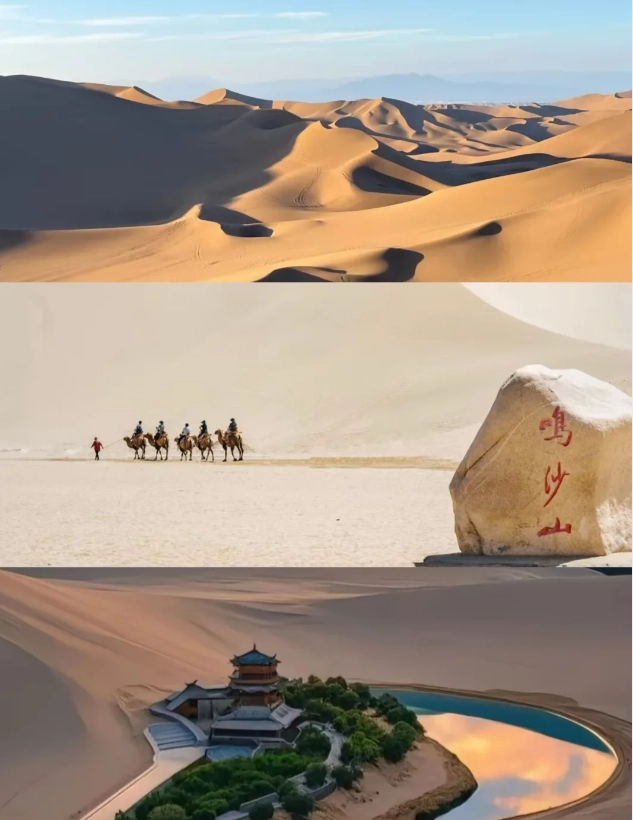
What Are the Best Places to Visit in Dunhuang? The Top 7 List
Dunhuang sits at the edge of the Taklamakan Desert, and every serious Silk Road traveler ends up here. I've broken down the must-sees into seven spots that cover caves, dunes, and ancient passes. Here they are:
- Mogao Caves – A UNESCO site with 735 caves and stunning Buddhist murals.
- Singing Sand Dunes & Crescent Lake – A desert lake surrounded by towering dunes that hum in the wind.
- Yumen Pass – The western gateway of the Great Wall, steeped in Tang poetry.
- Yardang National Geological Park – An eerie wind-carved landscape known as the Ghost City.
- Yangguan Pass – Another ancient frontier pass, now with a quiet museum and views.
- Dunhuang Ancient City – A film set that recreated Tang-era buildings; great for photos.
- Han Dynasty Great Wall Ruins – Well-preserved rammed-earth watchtowers.
| Attraction | Entry Fee (approx.) | Time Needed | Best Time |
|---|---|---|---|
| Mogao Caves | 238 RMB | 3-4 hours | Morning |
| Singing Sand Dunes | 110 RMB | 2-3 hours | Late afternoon |
| Yumen Pass | 40 RMB | 1 hour | Golden hour |
| Yardang Geopark | 120 RMB (incl. shuttle) | 3 hours | Sunset |
| Yangguan Pass | 50 RMB | 1.5 hours | Morning |
| Dunhuang Ancient City | 40 RMB | 1 hour | Anytime |
| Han Great Wall Ruins | Free | 30 min | Daytime |
Now let me dive into the details you'll actually need to plan your visit.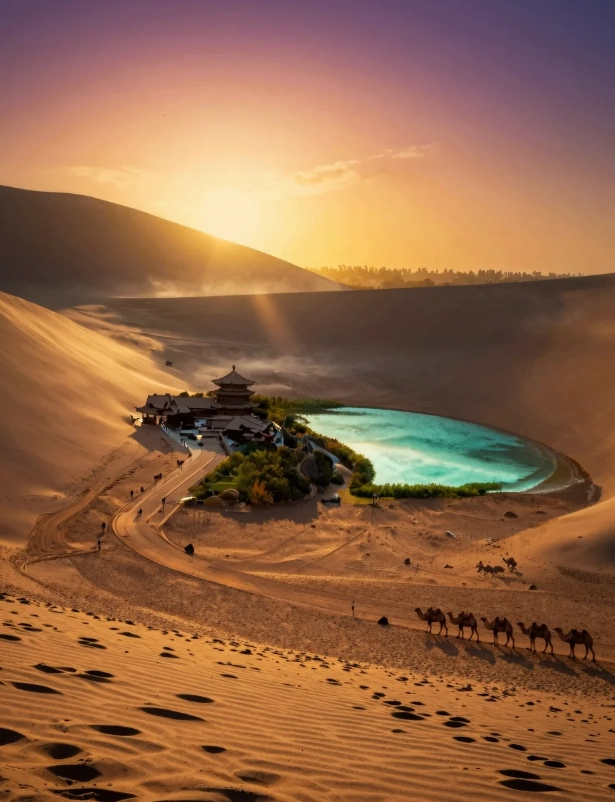
Why Dunhuang Should Be on Your Silk Road Itinerary
Dunhuang is the only place in China where you can experience desert, ancient art, and frontier history within a few square miles. It was once a vital oasis stop on the Silk Road, and that legacy lives on in everything from the food to the architecture. For most travelers, the highlight is the Mogao Caves, but the surrounding desert landscapes are equally impressive.
One reason I always recommend Dunhuang over other Silk Road cities is its compactness. You can hit the two biggest sites — Mogao and the dunes — in a single day if you plan right. And the otherworldly Yardang park is just a two-hour drive away. For history buffs, the Yumen and Yangguan passes let you stand exactly where ancient Chinese generals once stood.
But there's a catch: Dunhuang's peak season (May to October) brings crowds and heat. I've seen tourists so exhausted by the midday sun that they miss the whole point. That's why my tips below focus on beating the crowd and the sun.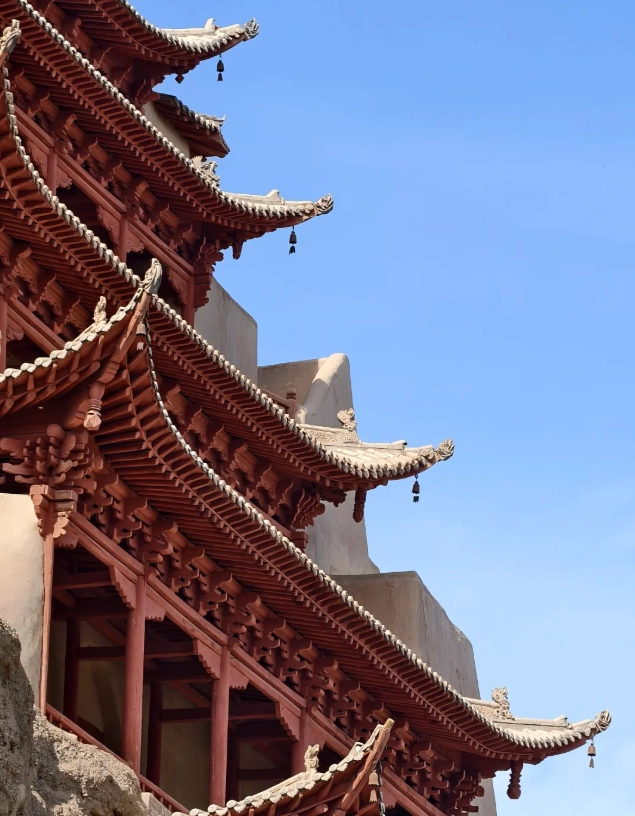
Mogao Caves: The Unmissable Crown Jewel
How to Get Mogao Caves Tickets
Mogao Caves tickets must be booked in advance through the official WeChat mini-program or platforms like Trip.com. The standard tour costs around 238 RMB per adult during peak season, but prices can vary. You'll need your passport number for the reservation. Walk-up tickets are rarely available, especially in summer.
Here's the insider move: book the earliest time slot (8:00 AM). Not only do you beat the heat, but the morning light inside the caves is beautiful. I always tell my clients to choose the 8 AM slot, because by 10 AM the queues start snaking around the parking lot.
What to Expect Inside the Caves
You'll be grouped with a guide and a digital number system; you'll visit about 8-10 caves on the standard tour. Photography is strictly prohibited inside, so put your phone away. The guides are knowledgeable, but the pace is fast — you'll move from cave to cave quickly.
Pro Tip: Bring a flashlight. The caves are dim, and some murals are high up on the ceiling. A small flashlight makes a huge difference.
Also, the restrooms at the tourist center are always crowded. Use the ones at the entrance before joining your group — I've seen too many people miss part of their tour because of the bathroom line.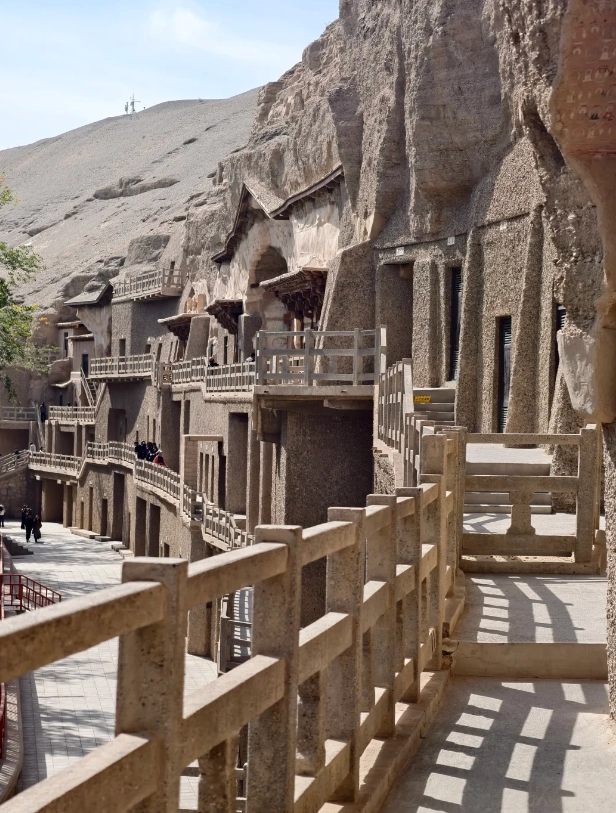
Singing Sand Dunes and Crescent Lake: A Desert Dream
When to Visit the Dunes
The best time to hit the Singing Sand Dunes is after 5 PM. The midday sand can reach 60°C, and you'll blister your feet. By late afternoon, the temperature drops, and the sunlight turns the dunes into ripples of gold. You can ride a camel, do sandboarding, or simply climb to the top to watch the sunset over Crescent Lake.
I always recommend entering the park around 5:30 PM — you'll have about two hours before sunset. The gate closes at around 7:30 PM, but times change seasonally, so check the official schedule.
What to Do There
Besides the famous camel ride, you can also try the sand toboggan and quad bikes. The camel ride is a classic — it takes you on a loop through the dunes, and you'll get plenty of photo ops. But be prepared: the ride can be bumpy and lasts about an hour. If you're prone to motion sickness, skip it and climb the dune directly.
For the best photo spot, head to the top of the highest dune — it's a steep climb, but the view of the crescent-shaped lake is worth it. I've done this climb dozens of times, and I still get goosebumps every sunset.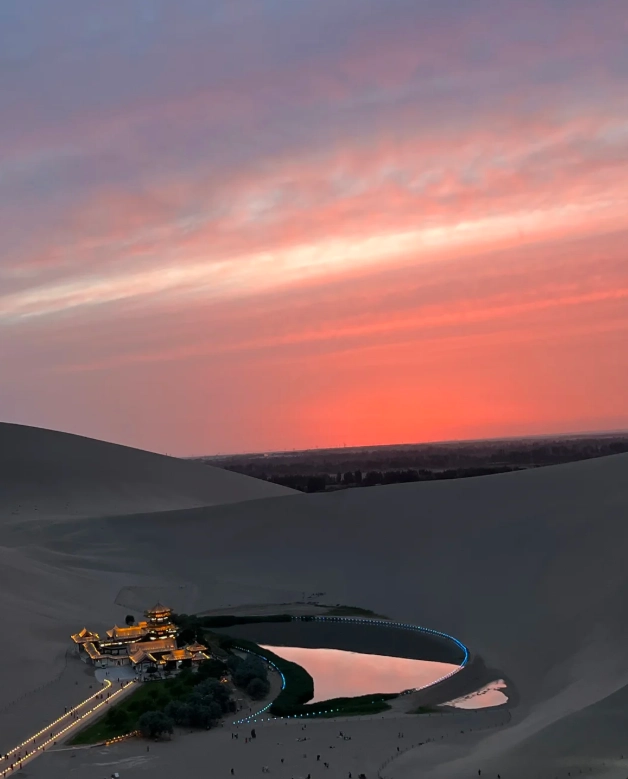
Insider Advice: Buy a shoe cover from a street vendor for 10 RMB before entering. The sand gets into everything, and those covers save your sneakers.
Yumen Pass and the Great Wall: History Beyond the City
How to Get to Yumen Pass
Yumen Pass is about 90 kilometers northwest of Dunhuang city, and it's best visited on a day trip that includes the Yardang park. You'll pass through the Han Dynasty Great Wall ruins on the way. Public buses are infrequent, so most travelers hire a private car or join a small-group tour. Expect to pay around 400-600 RMB for a half-day car hire from the city. You can book through Trip.com or your hotel.
I usually arrange for a driver to pick me up at 3 PM — this way you reach Yumen Pass just in time for the golden hour, then make it to Yardang for sunset. It's a packed afternoon, but it's the only way to see both without overheating.
What Makes It Special
The pass itself is a solitary square fort, but the surrounding desert views and the Great Wall remnants give you a true sense of the frontier. There's a small museum with exhibits in Chinese, but the atmosphere is the real draw. Bring water — there's no shade.
One thing most guides don't tell you: the wind here is brutal. Wear a windproof jacket and sunglasses, even in summer.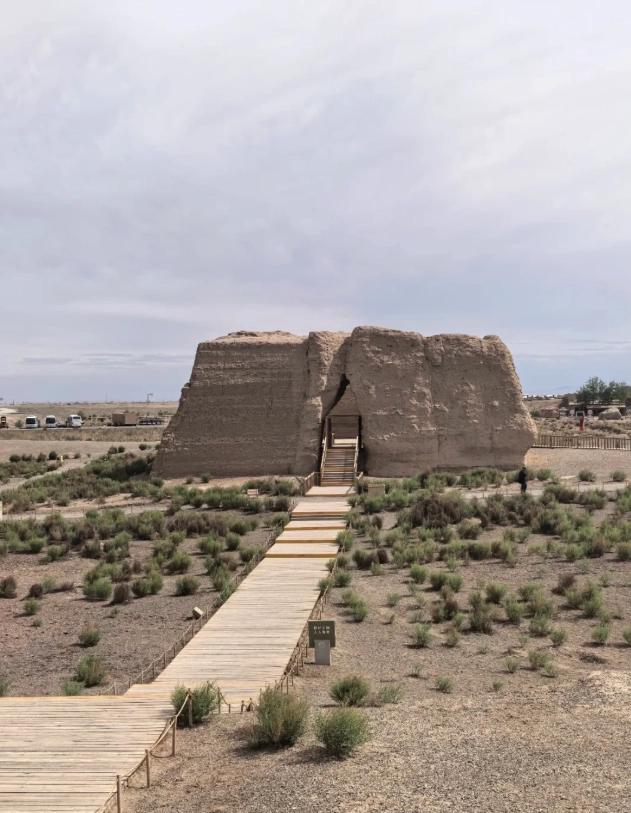
Yardang National Geological Park: The Ghost City
Visiting the Yardang Park
Yardang National Geological Park is a wind-carved landscape that looks like an abandoned city. It's about 180 kilometers from Dunhuang, and the last part of the road is bumpy. The park has a shuttle bus that takes you to the main viewing points.
Tickets are around 120 RMB including the shuttle. Sunset is the most dramatic time, but note that the park's last entry is usually around 4 PM, and the shuttle returns before dark. So you need to time your visit carefully.
My recommendation: go on the late afternoon shuttle, ride through the formations, and get dropped off at the 'sea of sand' viewpoint for sunset. It's surreal.
Practical Tips for Yardang
There is absolutely no cell service or water in the park, so bring everything you need. Also, the shuttle makes just a few stops; if you want a longer walk, ask the driver to drop you at the 'cat's stroll' section and pick you up later.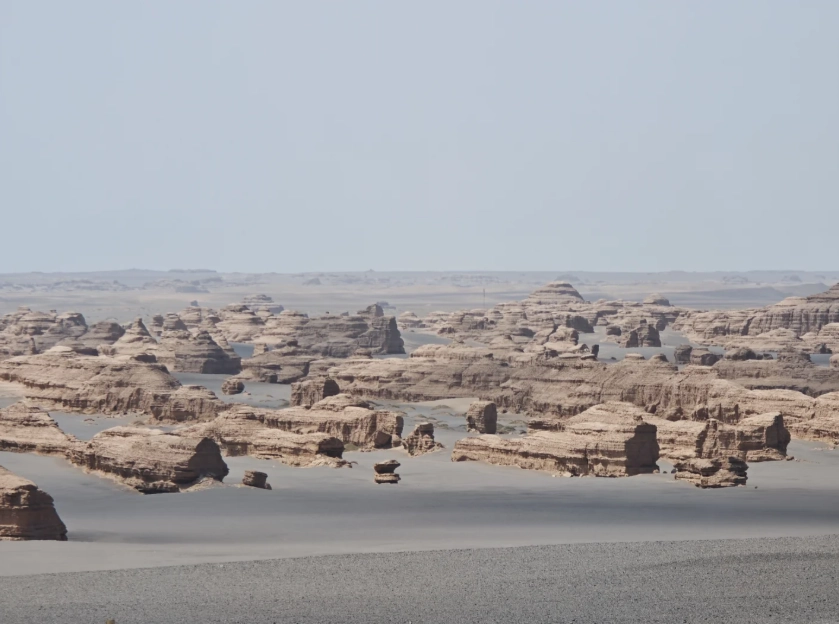
Don't try to wander off into the desert — it's easy to get lost and the rescue team is far away.
How to Build a Dunhuang Itinerary That Fits Your Style
If you only have 24 hours in Dunhuang, here's the perfect plan:
- 8:00 AM – Mogao Caves (pre-booked).
- 1:00 PM – Lunch in town (try Shazhou Night Market's Lanzhou noodles).
- 3:00 PM – Drive to Yumen Pass and Yardang (this will be tight, so consider just Yardang).
- 6:30 PM – Head to Singing Sand Dunes for sunset.
- 9:00 PM – Dinner at Shazhou Night Market.
If you have two days, add Yangguan Pass and Dunhuang Ancient City on the second day.
For a more relaxed pace, spread the above over two days and include a morning at the Dunhuang Museum to understand the Silk Road context.
Practical Tips: Payments, Navigation, and Booking in Dunhuang
Paying in Dunhuang
Cash is rarely accepted at ticket counters as of recent years; almost everything requires Alipay or WeChat Pay. If you have an international card, link it to Alipay before you arrive. I've seen travelers stuck at the Mogao ticket office because they only had cash. American Express might not work, so rely on Alipay or WeChat.
For small purchases like bottled water, you can try handing over cash, but vendors may not have change. Always carry small bills.
Getting Around: GPS and Transportation
Google Maps is inaccurate in Dunhuang; please use Apple Maps or the AMap app instead. Apple Maps works well in English in China. For taxi drivers, always show them the Chinese address — for example, the Mogao Caves in Chinese is 莫高窟.
To get to the city from the airport or train station, use Didi (China's Uber). You can install and use it with your international phone number, but the interface is in Chinese. I recommend asking your hotel to help you order a Didi the first time.
Booking Tours and Accommodation
For foreign travelers, the easiest way to book tours is through Trip.com or Klook. These platforms have English interfaces and accept international cards. Many hotels in Dunhuang are also bookable through these sites. For Mogao Caves, though, you'll need to use the official WeChat mini-program or ask your hotel to book for you.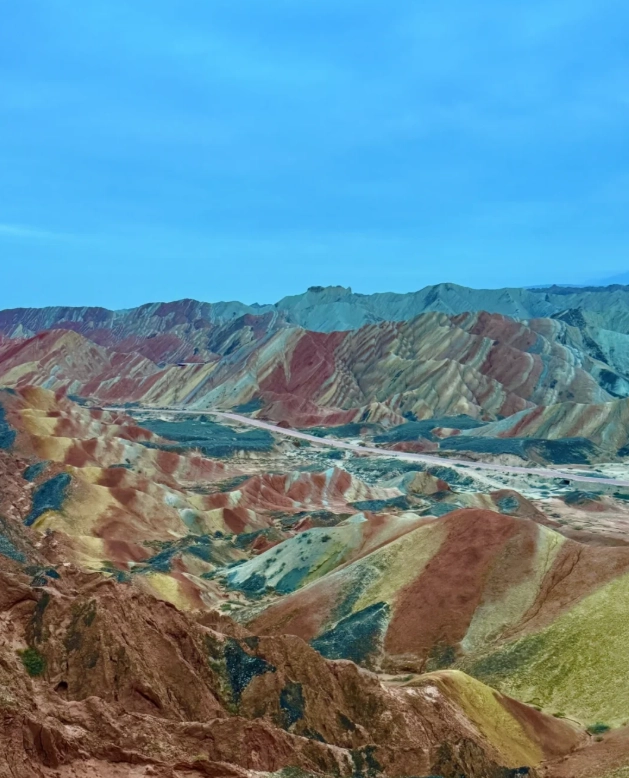
Important: When booking a day tour to Yardang, check whether the tour picks you up from your hotel. Many do, and that saves a lot of hassle.
Where to Stay and What to Eat in Dunhuang
Where to Stay
For first-timers, stay near Shazhou Night Market in the city center. This gives you easy access to restaurants and the night market. Budget options start around 200 RMB per night, while mid-range hotels are 400-700 RMB. For a more serene experience, you can stay near the foot of Singing Sand Dunes, but you'll be far from town.
I recommend the Dunhuang Silk Road Dynasty Hotel — it's a nice mid-range option with a good breakfast. But prices double in October. Always book early.
What to Eat
Must-try dishes include Lanzhou hand-pulled beef noodles, donkey meat yellow noodles, and apricot peel water. The Shazhou Night Market is the best place to sample these. Vendors there accept Alipay and WeChat, but some take cash.
One dish I always order at the night market is the grilled lamb skewers — they're packed with cumin and chili. For a sit-down meal, head to Ma Ji Noodle House for a bowl of steaming beef noodles. Ask for 'middle' spice level unless you love heat.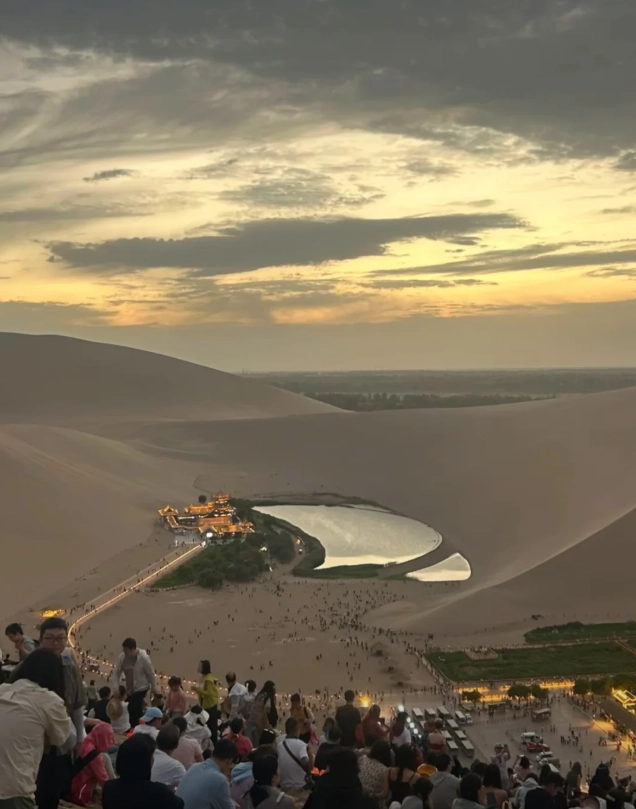
FAQ: Your Dunhuang Travel Questions, Answered
This content has been fact-checked to ensure informational precision.





No comments yet.