 Ting Chen
In This Dali Guide
- Why Dali Needs a Spot on Your Yunnan Itinerary
- The 7 Must-See Spots at a Glance
- 1. Dali Old Town – Wander Without a Map
- 2. Three Pagodas – Beat the Tour Buses
- 3. Erhai Lake – Scenic Ride or Cruise
- 4. Cangshan Mountain – Cable Car Up, Hike Down
- 5. Xizhou – Where the Bai Culture Lives
- 6. Shuanglang – The Waterfront You Can't Miss
- 7. Zhoucheng – Tie-Dye You Can Do Yourself
- How Do You Get Around Dali Without Losing Your Mind?
- What Foreigners Need to Know About Payment and Booking in Dali?
- Frequently Asked Questions
I still remember the first time I led a group through Dali's ancient gates. It was chaos — not the bad kind, but the kind that hits you with a mix of coffee smells, tie-dye colors, and a guy on a tricycle blasting traditional Bai music. If you're searching for must see in Dali, I'm going to save you from the generic advice. I've lived here on and off for five years, and I've booked, navigated, and gotten stuck at every single spot on this list. So here's my no-fluff rundown of the seven things that actually deserve your time in Dali, plus the exact steps to do them without losing your passport, your cool, or your money.
Why Dali Needs a Spot on Your Yunnan Itinerary
Dali isn't just another backpacker stop. It's the former capital of the ancient Dali Kingdom, and the Bai people who've lived here for centuries still make their daily rhythms around the mountains and the lake. Most tourists rush through on the Kunming-Dali-Lijiang loop, and they miss the point. Dali is meant for slow mornings, long bike rides, and conversations over a pot of pu'er tea. If you have only two days, I'll tell you exactly how to spend every minute — but if you can spare four or five, you'll actually feel the city's pulse. I've had clients tell me they planned to stay for one night and ended up cancelling flights. That's Dali.
The 7 Must-See Spots at a Glance
Below is a quick comparison to help you manage time and money. Prices are in Chinese yuan (RMB) and are based on current standard rates; they can shift with the season.
| Spot | Best For | Time Needed | Entrance Fee (RMB) | Pre-Booking? |
|---|---|---|---|---|
| Dali Old Town | Strolling, food, local craft | Half day | Free | No |
| Three Pagodas | Iconic photos, history | 2–3 hours | ~120 | Recommended |
| Erhai Lake | Cycling, nature, villages | Full day | Free (rental bike ~30–60) | No |
| Cangshan Mountain | Hiking, cable car views | 4–6 hours | 150–300 per cable car | Recommended |
| Xizhou | Bai culture, street food | 2–3 hours | Free (some houses charge) | No |
| Shuanglang | Waterfront views, sunset | 2–3 hours | Free (paid viewpoints) | No |
| Zhoucheng | Tie-dye workshop, souvenirs | 2 hours | Free (workshop ~50) | No |
Now let's jump into the details of each spot, including the little things that make or break your visit.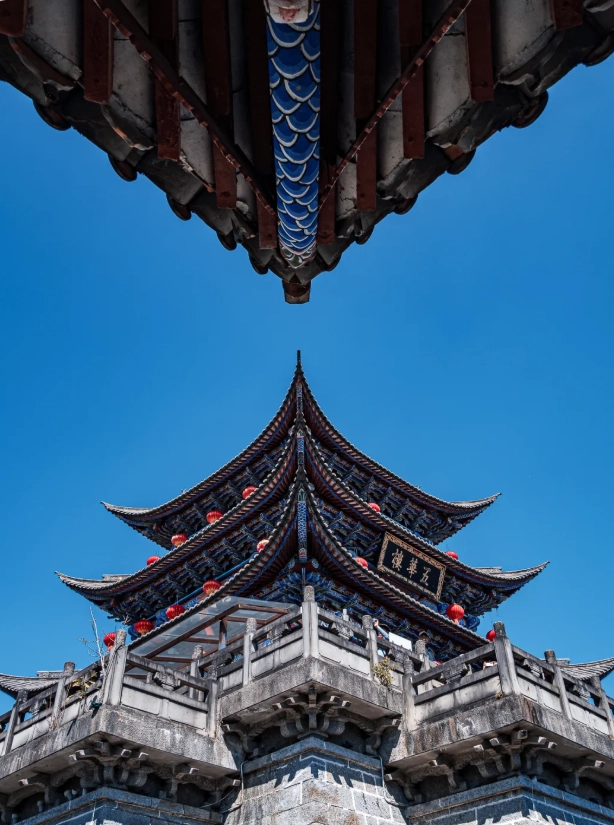
1. Dali Old Town – Wander Without a Map
Dali Old Town is a maze of cobblestone alleys that reward the lost. The only thing you need to know: skip the main south gate if you're on a motorbike or taxi — the traffic jam is real. I always get my driver to drop me at the west gate (Cangshanmen) on Yiji Road. It's quieter, and within three steps you'll see a family-owned noodle shop that locals queue for at lunch. Don't try to follow a map; just walk north. The streets are studded with astonishing little courtyards that now turn into teahouses and tie-dye shops. Around 9–10 a.m., the crowds are manageable and the light spills down Renmin Road. Afternoon is for the Bai-style three-course tea and the occasional street musician.
For a less touristy side, turn east at the No. 4 Primary School and you'll find a local farmers market that runs until noon. This is where I take friends who want to taste something real. You'll see elders selling honey, an old man grilling corn, and a woman making fresh rice noodles with a stone grinder. The market is messy, chaotic, and absolutely wonderful.
Dali Old Town Address: Dali Old Town, Dali Bai Autonomous Prefecture, Yunnan Province, China. The old town is fully walkable; the north gate leads to the main commercial street, and the west gate is quieter and won't get you stuck in the tour bus swirl.
Hours: 24 hours, but stores open around 8 a.m. and close at 10 p.m. I've seen a million “wander the old town” tips, but my timing suggestion: go early. The south gate gets packed with tour groups between 9:30 a.m. and 1 p.m. If you arrive at 7:30 a.m., you'll see the morning market at the north gate with seniors smoking and selling fresh produce.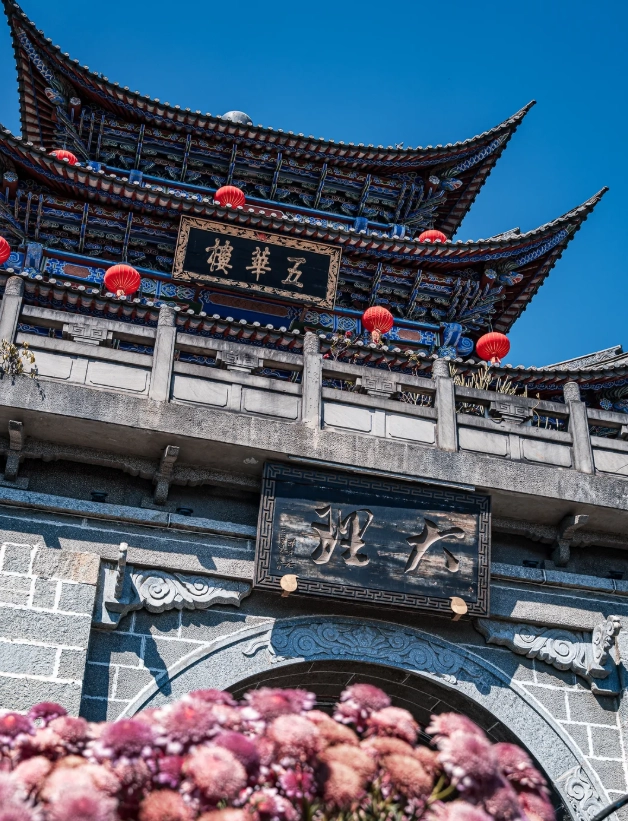
Pro Tip: The best rooftop views are hidden on top of a café on Fuxing Road. Climb up at sunset — no one else will be there.
2. Three Pagodas – Beat the Tour Buses
Three Pagodas of Chongsheng Temple is the postcard shot of Dali, and it's worth your time if you dodge the masses. The entrance fee is about 120 yuan, which also includes access to the temple complex behind. You can buy tickets online via Trip.com or Klook to skip the line; you'll need your passport number when booking. The opening hours are 8 a.m. to 6 p.m., and the last entry is at 5:30. I usually tell my groups to arrive at 2 p.m. Sounds weird, but most tour groups have left by then, and the light from the Cangshan Mountains is golden. The classic photo spot is the Reflection Pool, but it's always crowded. Walk a little further past the pool to the right; there's a small lily pond with the same pagoda reflection and no one around.
Inside, the temple complex is heavily rebuilt, but the three white pagodas themselves date back to the Tang Dynasty. Take a moment to examine the engraved Buddha sculptures on the base — they're the real deal.
Address: Chongsheng Temple, No. 1 Sanwen Street, Dali Town, Dali City, Yunnan Province. It's about a 20-minute walk from the old town's west gate.
Hours: 8:00–18:00 (last entry 17:30).
Pro Tip: Avoid the paid shuttle bus from the entrance to the main gates. It's a 10-minute stroll that lets you enjoy the view and stretch your legs.
3. Erhai Lake – Scenic Ride or Cruise
Erhai Lake is not a checklist item — it's a lifestyle. The best way to experience it is to rent a bike in Dali Old Town and cycle along the eastern shore. You can do a half-day loop from Dali to Xizhou and back (about 15 km), or commit to the full 120 km if you're the lycra type (I'm not). The bike lanes on the eastern shore are in good shape, and you'll pass through villages like Caicun, where you can stop for a bowl of “ganhe” — a local rice noodle soup with pickled vegetables. If you're less athletic, take a boat cruise from the cable-stayed bridge area. Tickets start around 140 yuan for a 2-hour cruise, but beware: the boats are big and the views are not as intimate as from the shore. I always say, a bike ride lets you feel the lake's pulse, while a cruise just gives you a photo.
If you're short on time, I recommend driving to Caicun Village, then renting a bike for the flat 7-km stretch to Xizhou. That stretch is my favorite part of the day — the road hugs the shoreline, and every time I turn around, I see the snow-capped Cangshan range behind me. It's surreal.
Insider Advice: Don't attempt the full loop in summer. The heat and UV are brutal, and there's almost no shade. Start before 8 a.m. or after 3 p.m. for golden light.
4. Cangshan Mountain – Cable Car Up, Hike Down
Cangshan Mountain is the green wall behind Dali, and its cable car lines are an essential way to see the landscape. I recommend the Gantong Cable Car for first-timers because it takes you to Jade Belt Road, a cliff-hanging path with killer views over Erhai Lake. A round-trip ticket is around 190 yuan, which feels steep, but the ride itself is a highlight. You can also book a one-way ticket and take the Zhonghe Cable Car down if you enjoy hiking between the two — that's a 3-hour walk. The higher you go, the cooler it gets; start with a jacket regardless of summer. The cable car runs from 8:30 a.m. to 4:30 p.m., and I suggest going early because afternoon clouds often roll in and block the view. There's also a free trail at the foot of the mountain, but honestly, it's not the same.
Address: Gantong Cable Car, Dali Town, Yunnan Province. The base station is about 5 km from the old town; take a Didi for around 20 yuan.
Hours: 8:30–17:30 (last cable car up 16:30).
Skip the “photography spots” at the top; they're overcrowded and charge extra. The Jade Belt Road itself is a long, flat path with no need to pay for a corny backdrop.
5. Xizhou – Where the Bai Culture Lives
Xizhou is a Bai ethnic village about 25 minutes north of Dali Old Town by taxi. This is where I bring every friend who wants to taste real Bai food and see traditional courtyard homes. The main street is a buzzy market that sells everything from roast pork to rabbit skulls — not for everyone. The standout is “Xizhou baba,” a flaky bread baked in a clay oven, either sweet with rose sugar or savory with scallion and ham. Don't skip the old houses near the square; some are still private homes, but you can politely peek if the door is open. Once or twice I've been invited in for tea just by smiling and waving. The entrance to the main compound, known as Yan’s Compound, costs about 20 yuan and gives you a glimpse of a family's home that's been around for hundreds of years. I find it worth it.
Address: Xizhou Town, Dali City, Yunnan Province. About 20 km north of Dali Old Town.
Hours: The market is lively from 8 a.m. to noon; most buildings close by 6 p.m.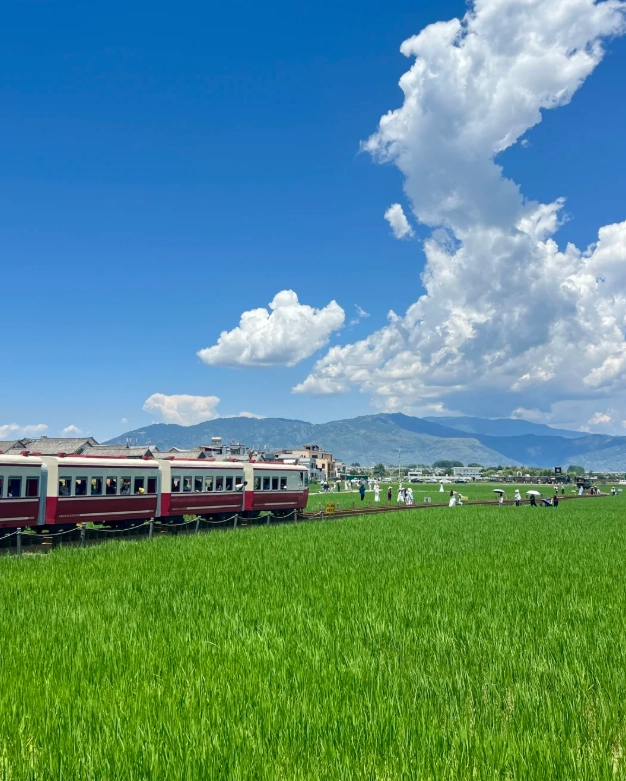
Pro Tip: The best Xizhou baba comes from a stand on the left side of the old market, right across from the public toilet (hey, that's the landmark). They use a wood-fired oven and the rose sugar version is a must.
6. Shuanglang – The Waterfront You Can't Miss
Shuanglang, known as where the water meets the sky, is a sight that deserves its hype. It's now a hot social media spot, but the photos don't lie — the water is that blue. That said, the main promenade is now a string of Instagram gates and paid viewpoints, and I honestly find it exhausting. The reason to go is the sunset. The light hits the nearby Yangliu village and the lake turns peach and pink. Take a seat at the Shuanglang Pier café (on the north side) and order a coffee. The caffeine is overpriced, but the view is worth it. If you want a more local scene, walk up the hill behind the town; there's a narrow alley that leads to a wooden platform overlooking the entire lake. I've had some of my best conversations with travelers up there.
Address: Shuanglang Town, Dali City, Yunnan Province. About 40 km from Dali Old Town, a 1-hour taxi ride.
Hours: Open all day, but the viewpoints are busy between 10 a.m. and 4 p.m. Go early or late.
Don't feel pressured to pay for the “cloud pavilion” photo spots. There are plenty of free, just as beautiful spots nearby if you walk along the shore.
7. Zhoucheng – Tie-Dye You Can Do Yourself
Zhoucheng is the tie-dye village, and it gets overshadowed by its neighbors. But it's one of my favorite spots because you can get hands-on. At the “Tie-Dye Heritage Museum,” you can pay around 50 yuan to make your own handkerchief with the help of an old Bai grandma. She'll show you how to fold the fabric and tie it with strings, and after 20 minutes of dying and rinsing, you have a souvenir that's 10 times better than anything in the shop. The museum itself is free to enter, and there are a dozen identical workshops along the main street — pick whichever has the lowest price.
Address: Zhoucheng Village, Dali City, Yunnan Province. About 10 km north of Xizhou.
Hours: 8:00 a.m. to 5:30 p.m. (workshops usually close earlier).
If you're not a fan of workshops, simply walking through the village is still worth the detour. You'll see yards full of blue-and-white cloth drying in the sun, and the smell of indigo is unmistakable.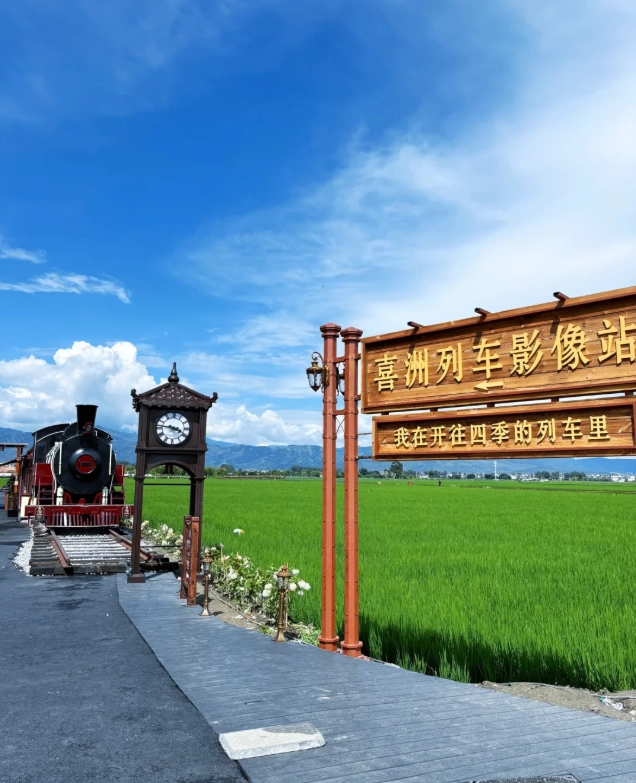
How Do You Get Around Dali Without Losing Your Mind?
Dali is small, but the sights are scattered. The old town is mostly car-free, but everywhere else you'll need wheels. Here's what I do:
- From the airport or train station: Use Didi (China's Uber) — download the app and set it to English. A ride from Dali Airport to the old town takes about 40 minutes and costs around 80 yuan. From Dali Railway Station, it's 20 minutes and about 25 yuan.
- For daily sightseeing: Rent an electric scooter from your hotel or a shop in town for about 40–60 yuan per day. They run for about 60 km on a charge, enough to get to Xizhou and back. Wear a helmet — not necessarily because of traffic laws, but because the road between Xizhou and Shuanglang is winding and trucks kick up dust.
- For Erhai Lake: The bicycle route is well-marked, but you should rent an e-bike if you're not an avid cyclist. Regular bikes are fine for a few hours, but the lake loop is 120 km. Stick to the eastern shore for the best views without the distance.
For navigation, Apple Maps works better than Google Maps in China, but I always recommend downloading the AMap (Gaode) app and using it in English mode. It'll give you accurate bus routes and walking directions. If you don't have a data plan, download the offline map before you leave your hotel.
What Foreigners Need to Know About Payment and Booking in Dali?
Payment is the first thing you'll bump into. Almost every shop, ticket booth, and rickshaw driver expects a scan on Alipay or WeChat Pay. If you've already linked your international card to Alipay or WeChat, great — that works at 99% of places. But keep some cash (100–200 yuan) for small stalls or if you forget your phone. Some old-town restaurants also accept Visa/Mastercard by tapping a card reader, but don't bet on it. I always carry a few tens and a charged phone.
Booking your tickets: For popular attractions like Three Pagodas and Cangshan, the official ticket windows can have snaking lines. I book through Trip.com or Klook — they accept international cards and you can use the QR receipt directly at the turnstile. You'll need your passport number when booking online. If a site asks for a Chinese ID, switch to the English version, which accepts passports.
Language: English is not widely spoken beyond big hotels. I've tested this on my guests: pointing at the menu, using a translation app like Apple Translate, and carrying a card with your hotel's name in Chinese are the three things that save you daily. I also recommend downloading the Chinese package on Google Translate for offline use. If you're stuck, write down the Chinese phrase for where you want to go — I've included the Chinese names for each spot in this guide.
SIM and VPN: You'll need a VPN to access Instagram, Google, or Twitter. China's internet is a different ocean. Get a local SIM with data at the airport (about 100 yuan for 10 days) and set up a VPN before you arrive. Alternatively, keep your home SIM roaming unless you're staying longer than a week.
Frequently Asked Questions
Final Word from Your Dali Guide
Dali isn't a list of attractions — it's a feeling. I've been bringing people here for years, and the most common comment is “I should've stayed longer.” I hope this guide gives you the clarity to move at your own pace, skip the tourist traps, and come home with stories that make your friends jealous. When you're sitting on the shore of Erhai Lake at sunset, watching the fishermen head in, you'll know why.
Verified and fact-checked by the editorial team.






No comments yet.