 Ting Chen
Quick Navigation
That ticket booth line? It wraps around twice on weekends. And most foreigners are in the wrong line. I'll show you how to skip it in a minute. But first, know this: the real Dali isn't just the instant-photo spots — it's the rhythm of the old town and the wind off Erhai Lake. In this guide, I'm sharing the exact top things to do in Dali that I personally take my guests to, plus the biggest mistakes I see travelers make. Let's jump in.
Why Dali Stands Out in Yunnan
Dali is often overshadowed by Lijiang's fame, but honestly? I prefer Dali. The vibe is more laid-back, the old town feels less like a theme park, and the natural beauty around Erhai Lake is breathtaking. It's the kind of place where you can rent a bike, ride along the lake, and feel like you've found a hidden gem — even though it's far from undiscovered. For travelers wanting a mix of history, culture, and nature without the party chaos of Lijiang, Dali is the sweet spot.
Most foreign visitors only spend a day here. Big mistake. I always tell my clients to reserve at least three days, because there's more to see than just the old town. You need time for the lake, the mountains, and the surrounding Bai villages. But if you're short on time, don't worry — the list below has you covered.
Top 5 Things to Do in Dali
1. Get Lost in Dali Old Town
Start your journey here — this is the heart of Dali. The old town is a maze of cobblestone streets, traditional Bai architecture, and cute cafes. Sure, it's touristy, but it's still got charm. The center is Fuxing Road, which runs from the south gate to the north gate. But don't just stick to that main street. Wander into the side alleys like Renmin Road and Boai Road to find quiet courtyards and local life.
Entrance to the old town is free, open 24 hours. But I recommend going early — before 9 a.m. — when the crowds are thin and the morning light makes the white walls glow. Avoid the midday rush when tour groups flood in.
Insider Advice: If you want a quiet spot, head to the South Gate at sunrise. You'll have the whole area almost to yourself, and the view of Cangshan Mountain behind the rooftops is priceless. Also, the little streets near the Foreigner's Street (洋人街) have hidden temples and courtyards that most tourists skip.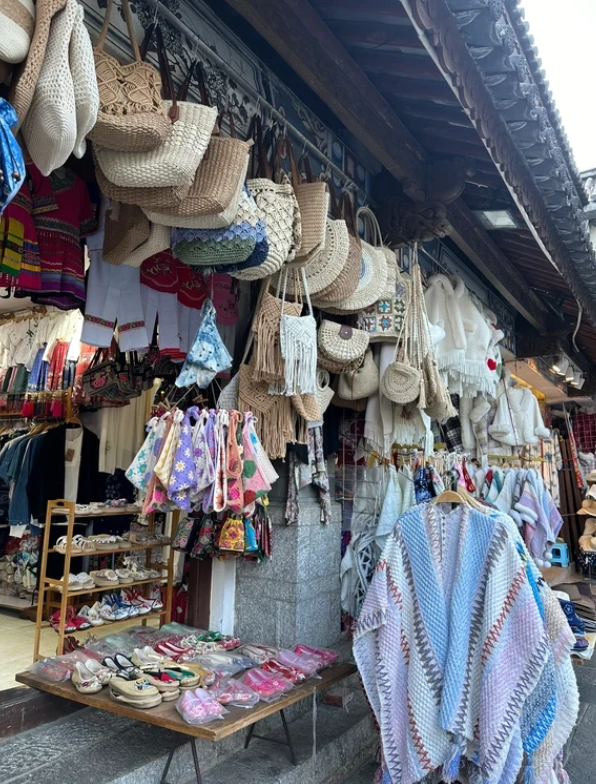
2. Cycle or Drive Around Erhai Lake
Erhai Lake is Dali's soul — a massive highland lake that changes color with the sky. The best way to experience it is by cycling or riding a scooter along the eastern shore. I'm not going to sugarcoat it: the full loop is about 120 kilometers. Most people don't do the whole thing. Instead, pick a scenic stretch like from the old town to Xizhou or to Shuanglang.
Renting a bicycle costs about 30-50 RMB per day. Electric scooters are 80-120 RMB, but you'll need an international driver's license for the bigger ones. If you're not comfortable riding, hire a private car or take the tourist bus along the lake road. I usually rent an e-bike from the old town and head to Haiyue Park — it's a peaceful spot that few tourists find.
Pro Tip: The best lighting for photos is late afternoon, around 4-6 p.m. The lake turns a golden blue and the sunlight hits the mountains just right. Also, bring sunglasses and sunscreen — the UV at this altitude is no joke.
For the full route, you can hop on the Erhai Lake Tourist Bus from the old town, which stops at major viewpoints. Tickets are around 100 RMB, but check departure times because they're not frequent.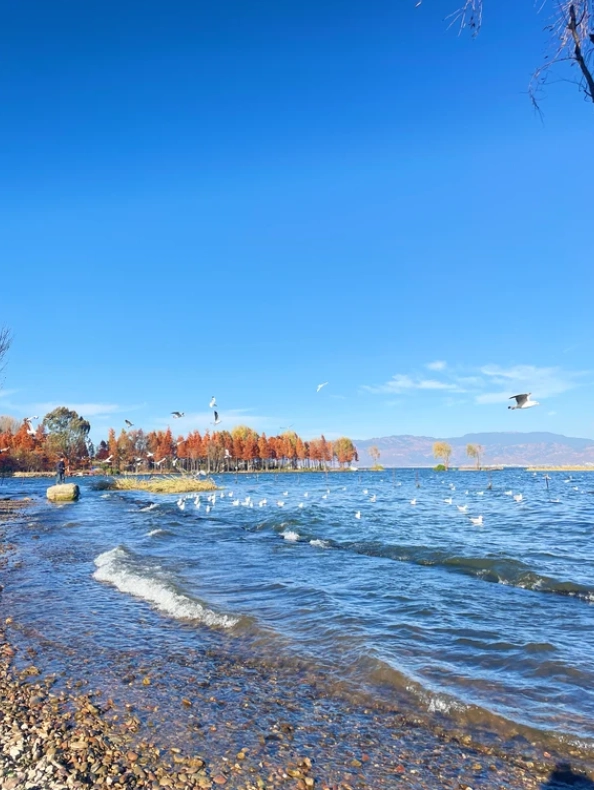
3. Visit the Three Pagodas of Chongsheng Temple
The Three Pagodas are Dali's iconic landmark — and yes, they're worth the hype. Located just northwest of the old town, these Tang Dynasty pagodas date back over a thousand years. The reflection pond in front offers the classic photo, but go early to avoid tour buses.
Admission is around 75 RMB (prices change, so confirm in advance). You'll need to show your passport — the ticket office uses real-name registration. To avoid the hassle, book through Trip.com or Klook, where you can pay with a foreign card and scan a QR code at the entrance. It saves time and avoids the Chinese-only payment apps.
Open daily from 8 a.m. to 6:30 p.m. (last entry at 6 p.m.). I recommend visiting between 8 a.m. and 10 a.m. for the best light and smallest crowds. Don't bother climbing the pagodas — they're not open to the public. But the temple complex behind is worth a wander.
One thing I always tell clients: the ticket office restrooms are always crowded. Use the restroom at the South Gate of the old town before coming — it's a lifesaver.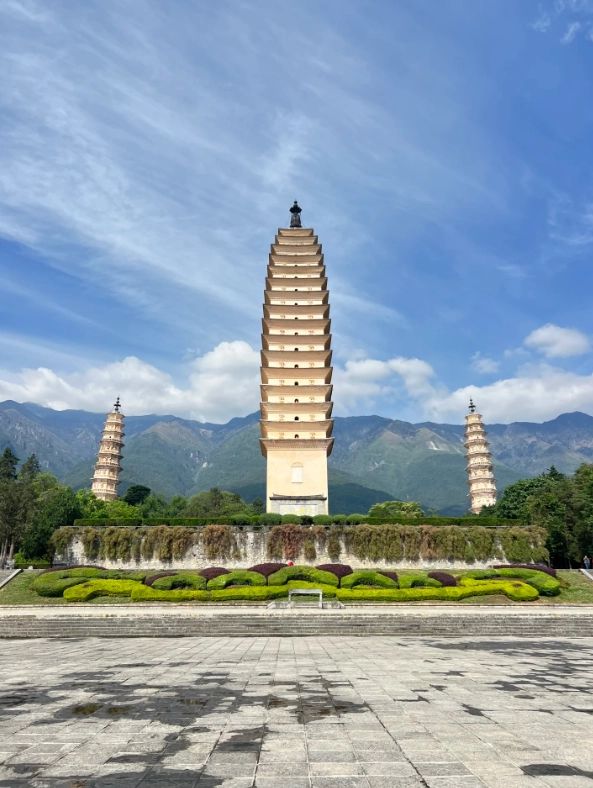
4. Explore Xizhou Old Town and the Bai Architecture
Xizhou is a beautiful Bai village about 20 minutes north of Dali Old Town. It's famous for its preserved courtyard houses, many of which operate as small museums or guesthouses. The Yan Family Compound is the star — entry is about 60 RMB, and it gives you a real sense of how wealthy merchants lived.
Xizhou is also the place to try Xizhou baba, a flaky sesame pancake that's either sweet or savory. My favorite is the sweet one with rose petal filling — it's like a local dessert. Head to the morning market to see the pancake being made fresh.
To get there, take bus #2 from Dali Old Town (about 30 minutes) or hire a taxi for around 40-60 RMB. If you're cycling Erhai, Xizhou is a natural stop.
Insider Advice: Most tourists get dropped at the main square and miss the quiet alleys. Walk east from the square, towards the lake, and you'll find ancient wells and wooden houses that haven't been restored for tourists. That's the real Xizhou.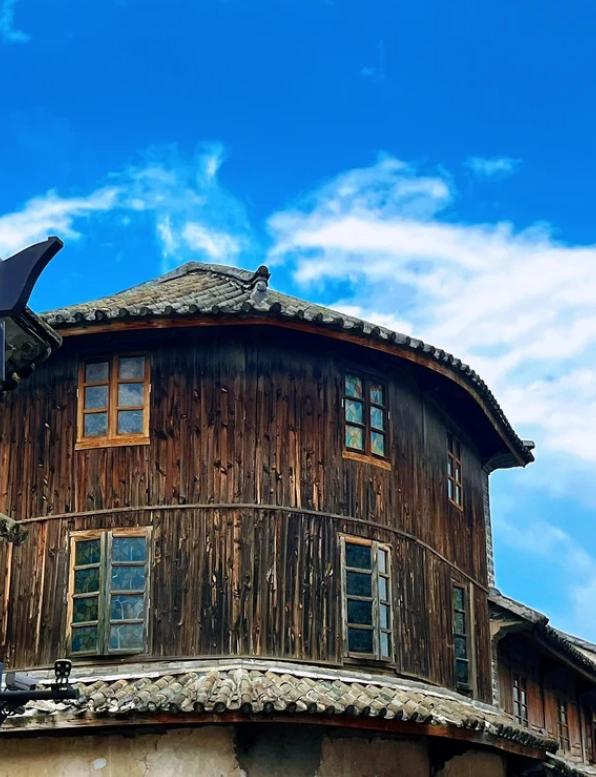
5. Hike Cangshan Mountain
Cangshan Mountain is the dramatic ridge west of Dali, often shrouded in clouds. You can hike it, but the most practical way for visitors is the cable car — there are three, with the Gantong Cableway being the most popular. It takes you up to over 3,800 meters, where you'll find a walking path along the ridge.
Round-trip cable car is around 300 RMB if you book with the park entrance included. The ride is spectacular — you'll see the whole lake stretching below. But let me warn you: the altitude is intense. If you're not used to it, take it easy, drink water, and don't rush. Some visitors get headaches.
I recommend taking the first cable car up at 8:30 a.m. — the views are clear before the afternoon clouds roll in. Bring a light jacket even in summer; it can get windy and cool up there.
If you prefer hiking, there's a great trail called Yu Ju Yan that follows an old pilgrimage path. It's free but requires a fitness level and good shoes. You'll get panoramic views without the cable car ticket.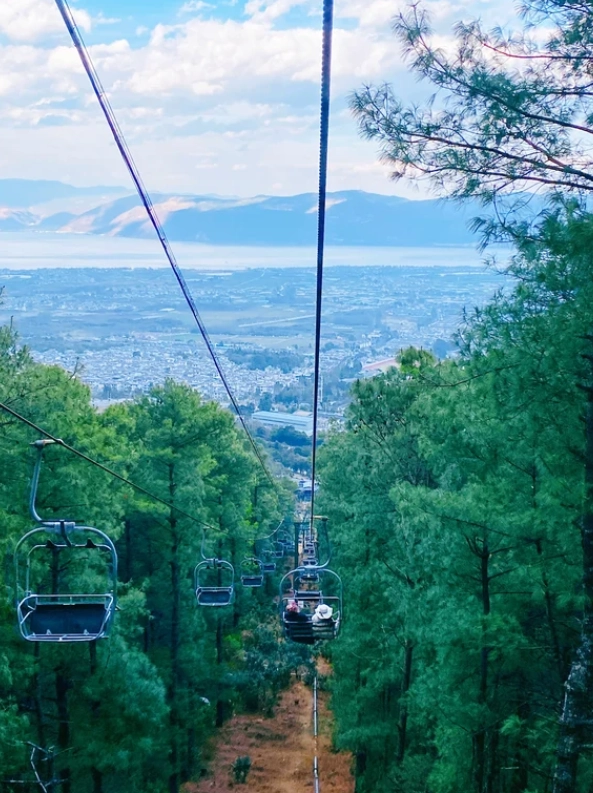
How to Plan Your Dali Trip in 3 Days
Here's a realistic itinerary that I've refined over years of guiding guests. It balances highlights with downtime — because Dali is a place to savor, not rush.
| Day | Morning | Afternoon | Evening |
|---|---|---|---|
| Day 1 | Arrive, check in, stroll the old town | Three Pagodas | Dinner at Lam's Kitchen |
| Day 2 | Xizhou ancient town | Erhai Lake cycling (short stretch) | Night market near the South Gate |
| Day 3 | Cangshan cable car | Layover in old town, buy souvenirs | Depart |
If you only have 24 hours — don't panic. Hit the Three Pagodas in the morning, walk the old town, and catch the sunset at Erhai Lake. That'll give you the essence without burning out.
Between the old town and the lake, travel time is short — about 15 minutes by taxi or bus. But if you're cycling, add 40 minutes. Always factor in time for finding your driver and walking from parking lots.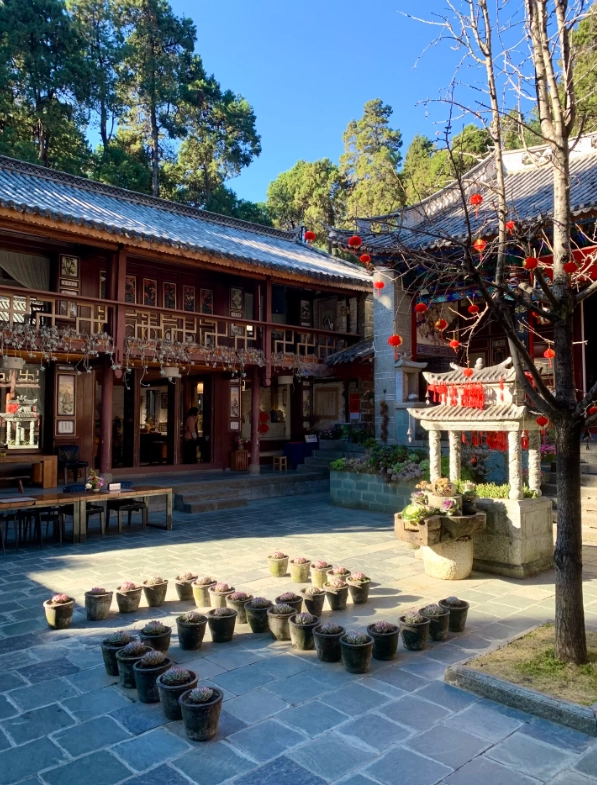
What to Eat in Dali
Dali's food is a mix of Bai and Yunnan flavors. Here are the must-tries:
- Xizhou Baba — get the sweet rose-petal version at Xizhou morning market (~5 RMB).
- Erhai Lake Fish — often served steamed with local pickles. Try it at Yunsong Seafood near the old town (around 50 RMB per person).
- Rushan Cheese — a local cheese that's grilled or fried, often on a stick. You'll see it everywhere; it's fun to watch being made.
- Crossing-the-Bridge Noodles — though from Kunming, it's popular here. Ask for a restaurant with an English menu, like Retro & Co.
For a sit-down meal, Lam's Kitchen (人民路230号) is my go-to for authentic Bai dishes in a courtyard setting. It's vegetarian-friendly and they have an English menu. Expect to pay 30-60 RMB per person. It gets busy after 7 p.m., so go early.
Remember: most small eateries only take cash or Chinese mobile payment (WeChat/Alipay). If you're using an international card, carry some cash as backup. I tell all my clients to withdraw 200-300 RMB from an ATM for these situations.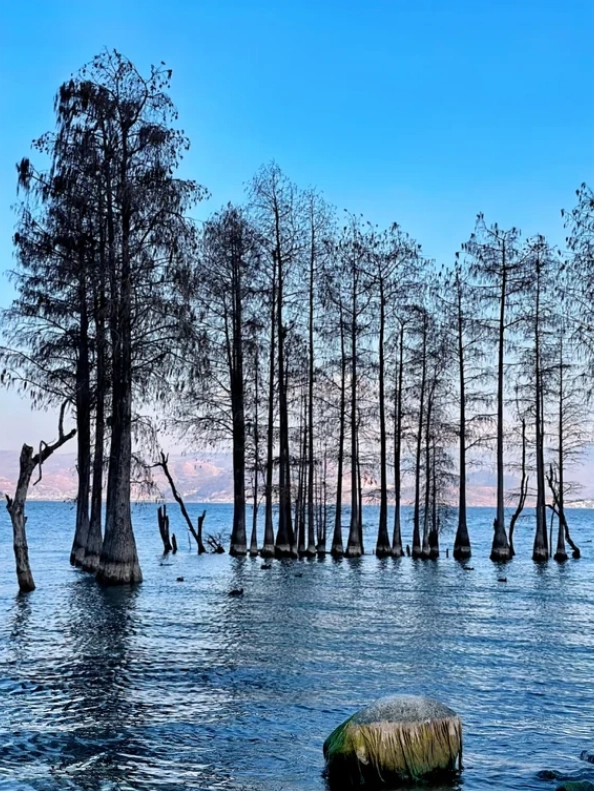
Where to Stay in Dali
Your base affects your whole trip. Here's the breakdown:
| Area | Vibe | Price Range (per night) | Perfect For | Drawbacks |
|---|---|---|---|---|
| Dali Old Town | Lively, historic, convenient | 150-800 RMB | First-timers, foodies | Can be noisy, thin walls in older guesthouses |
| Erhai Shore | Peaceful, scenic, remote | 300-1,200 RMB | Couples, nature lovers | Far from restaurants, need transport |
| Xizhou | Quaint, authentic | 200-600 RMB | Slow travelers, culture buffs | Limited nightlife |
I personally recommend staying inside the old town for convenience — you can walk to everything. For foreigners, pick a guesthouse with a friendly owner who might help you book tours and taxis. Ask for a room with a heater in winter; Dali can get chilly even in spring.
One tip: if you want quiet, avoid the area near the South Gate — it's a night market hub until 11 p.m. Choose a courtyard in the east side of the old town instead. That's where I send my guests who aren't night owls.
How Foreigners Pay & Book in Dali
Let me save you pain. Google Maps is unreliable in China — it'll place you in the wrong spot. Download Apple Maps (it works well with English names) or use AMap Global (高德地图) with English interface. For offline use, download an offline map of Dali in advance.
Payments: Everywhere in Dali — from cafes to bike rentals — accepts Alipay or WeChat Pay. As a foreigner, you can link your international Visa/Mastercard to AliPay and use it like a local. Physical credit cards are rarely accepted except at large hotels. Cash is okay for small vendors, but change may be hard to come by. My rule: go cashless but carry 100 RMB in small notes.
Booking attractions: Many sites (like the Three Pagodas) require real-name registration with your passport. You can often buy at the gate, but queues are long and card payment may fail. Use Trip.com or Klook to pre-book — they take foreign cards instantly. They'll email you a QR code that you scan at the entrance.
Connectivity: You'll need a VPN for Google services, and most Chinese websites won't work without it. Install one before you arrive. For translation, use Apple Translate or Baidu Translate — they have offline packs. If you're stuck, the best translator is still smiling and pointing.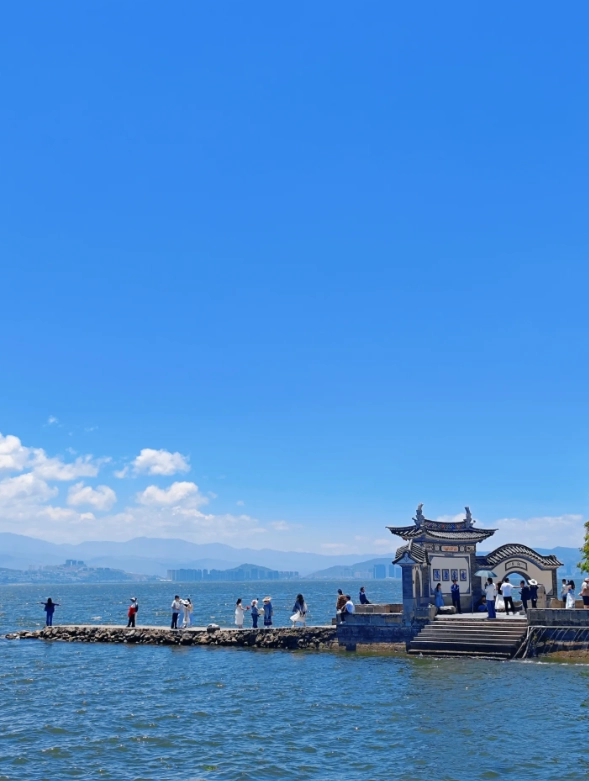






No comments yet.