 Wei Zhang
Quick Navigation
I still remember the first time I stepped off the plane in Shangri-La. Altitude headache, a dizzying blue sky, and that smell of pine and incense — it hit me all at once. After seventeen trips to this highland county, I've stopped following the herd to the same overcrowded viewpoints. Instead, I've found the spots that actually deliver.
Here is the catch: most English-language guides repeat the same generic list. They don't tell you that the famous Pudacuo boardwalk is often packed with tour groups by 11 a.m., or that you can have Napa Lake almost to yourself if you go at sunset. This guide distills what I've learned walking these trails with clients — the good, the annoying, and the utterly beautiful.
My bottom line: spend two nights if you can, prioritize Songzanlin Monastery and Pudacuo, and skip the rushed day-trip from Lijiang. The altitude requires a proper night of acclimatization, and rushing here is the biggest mistake I see visitors make.
Shangri-La at a Glance
Before we dive into the top places, let me give you a quick orientation. Shangri-La (also known as Zhongdian) sits at 3,300 meters in Diqing Prefecture, Yunnan. It's the gateway to Tibetan culture in eastern Tibet. The old town (Dukezong) is the base for most travelers, and all major attractions fan out from there.
Here are the essentials every traveler needs:
- Altitude sickness is real. The airport is at 3,286m. Take it easy the first day.
- Cash is useless here. Bring Alipay or WeChat Pay. Even some monks at smaller temples accept QR codes.
- Google Maps is unreliable. Use Apple Maps or the AMap app (it has an English mode).
- Photo tip: The light is golden from 8 to 10 a.m. and 4 to 6 p.m. Midday sun washes out the mountains.
Top 5 Best Places to Visit in Shangri-La
These five places are the ones I book for my clients. I've ranked them by impact, not popularity. The first two are non-negotiable; the others depend on your time and energy.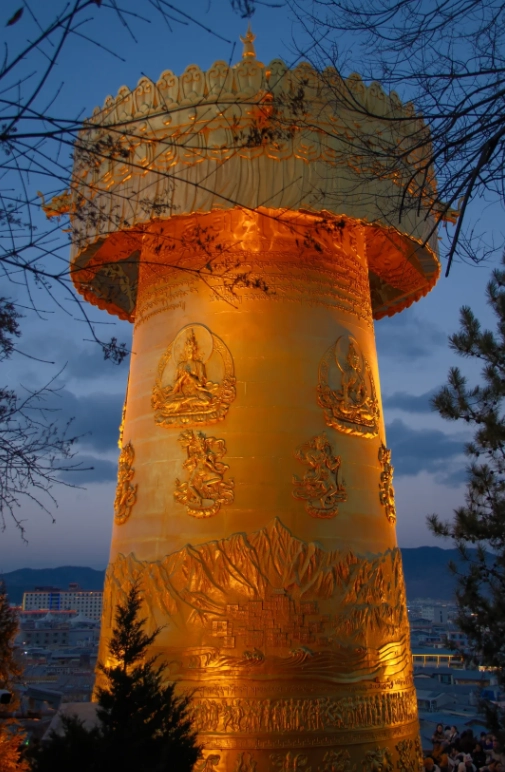
1. Songzanlin Monastery (The Little Potala Palace)
Songzanlin Monastery is the largest Tibetan Buddhist monastery in Yunnan and the cultural heart of Shangri-La. I've taken countless first-time visitors here, and every single one has been struck by the golden roofs rising above the hillside. It's an active monastery with around 800 monks, and it's far more than just a pretty postcard.
The monastery sits about 6 kilometers from the old town. Take a taxi from Dukezong – it costs around 15-20 yuan and takes 15 minutes. You'll enter through the main ticket gate, then ride a shuttle bus up the hill (included in the ticket). The walk up is steep; if you're already dizzy from altitude, the shuttle is your friend.
| Detail | Info |
|---|---|
| Ticket Price | About 90 yuan (includes shuttle bus). Prices change, so confirm on the official platform. |
| Opening Hours | 8:00-18:00 (last entry around 17:00) |
| How to Book | Book on Trip.com or ask your hotel to buy tickets. You'll need your passport. |
| Address | Songzanlin, Jiantang Township, Shangri-La (迪庆州香格里拉市建塘镇松赞林寺) |
Pro tip: Arrive before 9 a.m. The prayer halls are quieter and the morning light makes the golden roofs glow. By 10:30, tour groups flood the main courtyard. And don't miss the small side hall on the left – most visitors skip it, but the murals there are the best preserved.
One thing that bugs me: the shuttle bus system can feel chaotic at the end of the day. Everyone rushes to leave at once. Instead of fighting the crowd, stay an extra 30 minutes and watch the monks beginning their evening debates behind the main hall. Then walk down to the road and flag a taxi — it's an easy 10-minute ride back.
2. Pudacuo National Park (Breathtaking Lakes and Forests)
Pudacuo National Park is the best natural attraction near Shangri-La, and it's the closest thing to untouched highland wilderness you can reach in a day. The park is massive, with two main sights: Shudu Lake (属都湖) and Bita Lake (碧塔海). I always tell clients to focus on Shudu Lake – the 3.5-kilometer lakeside boardwalk offers views that are pure eye candy, with reflection-perfect water and yaks grazing nearby.
The park is 22 kilometers from town. You'll need to take a tourism shuttle from the visitor center; private cars aren't allowed inside. The entrance fee includes the shuttle buses between sights. I've seen the total cost range from 100 to 180 yuan depending on season and current policies.
| Detail | Info |
|---|---|
| Ticket Price | Around 100-180 yuan (includes internal shuttles, subject to change) |
| Opening Hours | 8:00-16:30 (no entry after 15:00 in peak season) |
| How to Book | Buy tickets on WeChat official account or Trip.com. Passport needed. |
| Getting There | Take the tourism shuttle from Shangri-La visitor center (near the old town) |
Insider advice: Skip the first shuttle that leaves at 8 a.m. It's packed with tour groups. Wait for the 9:30 shuttle – by then groups are already ahead of you. When you get to Shudu Lake, walk the boardwalk backwards (counter-clockwise). Everyone turns right; turn left and you'll have the path to yourself for the first ten minutes, which are the most photogenic.
Bring snacks and water – the only restaurant inside is overpriced and the food is bland. I always pack a simple picnic.
3. Dukezong Ancient Town (Stroll Through History)
Dukezong Ancient Town is one of the best-preserved Tibetan old towns in China, and it's free to wander any time. This was once a key stop on the ancient Tea Horse Road. The town is built in a spiral layout – locals say it's the shape of a conch shell, a Tibetan symbol of good luck. Yes, it's been rebuilt after a devastating fire in 2014, but the spirit is still there.
Most of the fun is just getting lost in the maze of cobblestone alleys. My favorite route: start at the Moonlight Square (月光广场), climb up to the Giant Prayer Wheel (龟山公园大转经筒) for a panoramic view at sunset, then come down and grab butter tea in a small courtyard cafe.
"Watch the locals turning the world's largest prayer wheel. Many tourists join in, but don't spin it more than three times – that's a common superstition locals joke about."
The old town is also where you'll find dozens of Tibetan-style hostels, boutique hotels, and restaurants. It's compact and walkable, but beware: the cobblestones get slippery after rain.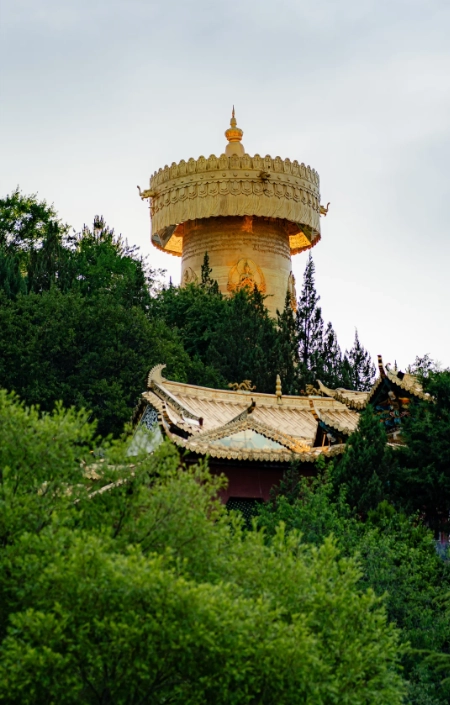
4. Napa Lake (Wetland Bird Watching)
Napa Lake is a seasonal alpine wetland just 6 kilometers north of town, and it's a haven for birdwatchers and cyclists. In spring and summer, it's a vast green meadow with grazing yaks. In autumn and winter, the water returns and attracts black-necked cranes – a rare and cherished sight.
You can take a local bus from the old town (bus #3) or rent a bicycle – the flat lakeside road is perfect for an easy ride. Budget at least a few hours. The lake can be explored by walking the perimeter or driving around it.
Here's a tip I learned from a local guide: don't go to the official tourist wharf. Hire a motorbike taxi to take you to the south side, where the reed beds are – that's where the interesting birds hang out, and you'll almost always have the place to yourself.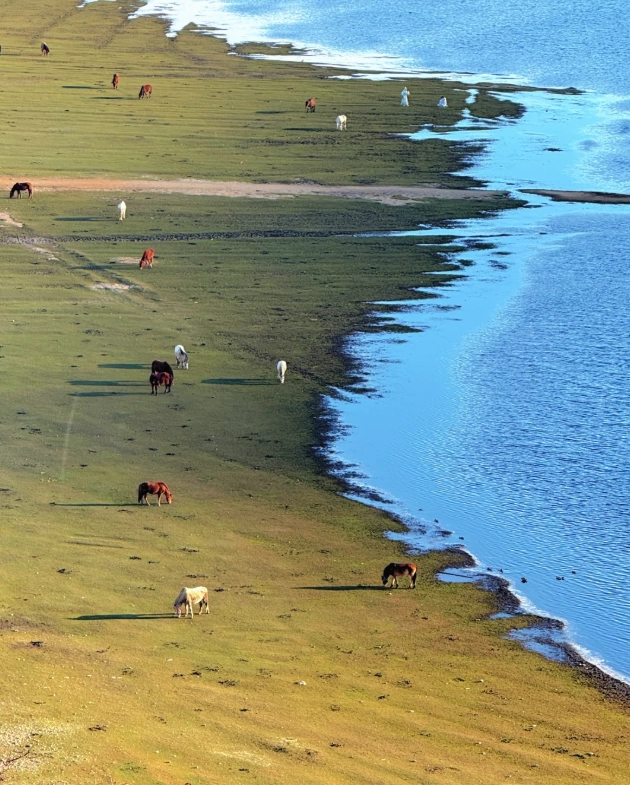
5. Meili Snow Mountain (If You Have Extra Days)
Meili Snow Mountain, about a 3.5-hour drive from Shangri-La, is the most sacred mountain in Tibetan Buddhism, and its name means its beauty rivals heaven. If you have more than three days in the area, I strongly recommend a pilgrimage to Feilai Temple (飞来寺) viewpoint to watch the sunrise over Kawakarpo peak.
This is not a day-trip. You'll need to stay at least one night near the viewpoint. The drive is winding and takes 3.5-4 hours each way, so plan accordingly. But trust me, seeing the first pink light hit a 6,740-meter peak surrounded by clouds is something you'll never forget.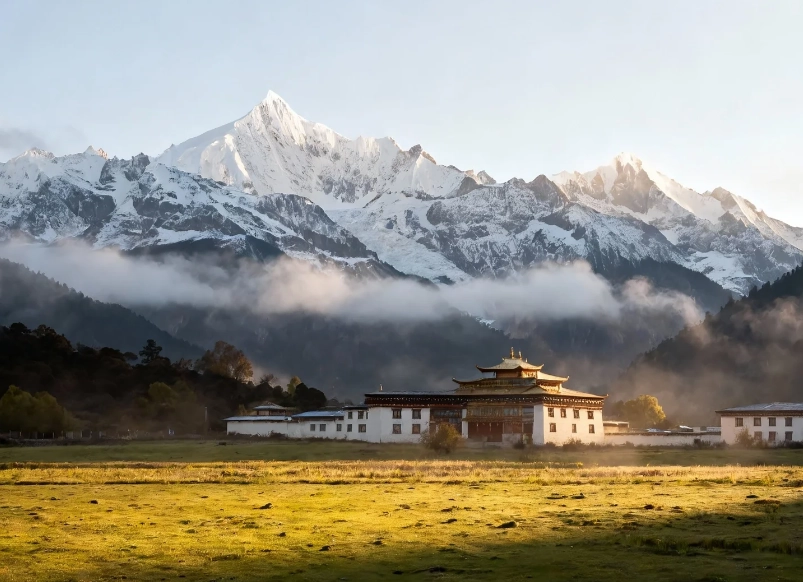
How to Plan Your Shangri-La Visit Without Regrets
Planning ahead separates a good trip from a miserable one. Let's walk through the logistical stuff that tourists always ask me about.
When to Visit Shangri-La
- Best season: May-June and September-October. The weather is clear, and the landscape is green or golden.
- Avoid July-August: It's the rainy season, and you'll get wet and may see nothing but clouds.
- Winter: Cheap flights, but freezing temperatures (down to -10°C) and some roads close.
Getting to Shangri-La
Fly to Shangri-La Diqing Airport – it's small but well-connected from major cities like Kunming, Chengdu, and Chongqing. The airport is a 15-minute drive from the old town, and a taxi costs about 30 yuan.
Alternatively, take an overnight bus from Lijiang (4-5 hours). But honestly, the bus is bumpy and the altitude change is abrupt. Flying saves you a day of discomfort.
Getting Around
Taxis are cheap but can be sparse at night. WeChat's ride-hailing service (called 滴滴) is your best friend, but the app is in Chinese. Ask your hotel receptionist to summon one for you, or use the Chinese version with a translation app.
For day trips like Pudacuo or Napa, shared minivans and tourist shuttles are arranged by guesthouses. Most hotels will happily help you book a seat.
The Perfect 48-Hour Itinerary: How to See the Best Without Killing Yourself
Assuming you arrive with one full day plus two half-days, here's how I'd structure it.
- Day 1 (arrival afternoon): Acclimatize in Dukezong Ancient Town, walk to the Giant Prayer Wheel for sunset. Eat a relaxed dinner at a local restaurant.
- Day 2 (full day): Morning at Songzanlin Monastery (arrive by 8:30). Afternoon at Pudacuo National Park (take the 1 p.m. shuttle). Return in the evening.
- Day 3 (half day): Rent a bike and ride around Napa Lake for 2-3 hours. Then fly out or continue to Lijiang.
This itinerary minimizes altitude stress. But here's the thing: if the weather is bad, swap the outdoor days. Visit Songzanlin first because it's mostly indoors. If rain is forecast for Day 2, do Napa instead of Pudacuo – the lake shore is far less miserable in drizzle.
For those with extra time, extend to Meili Snow Mountain on Day 3 and 4.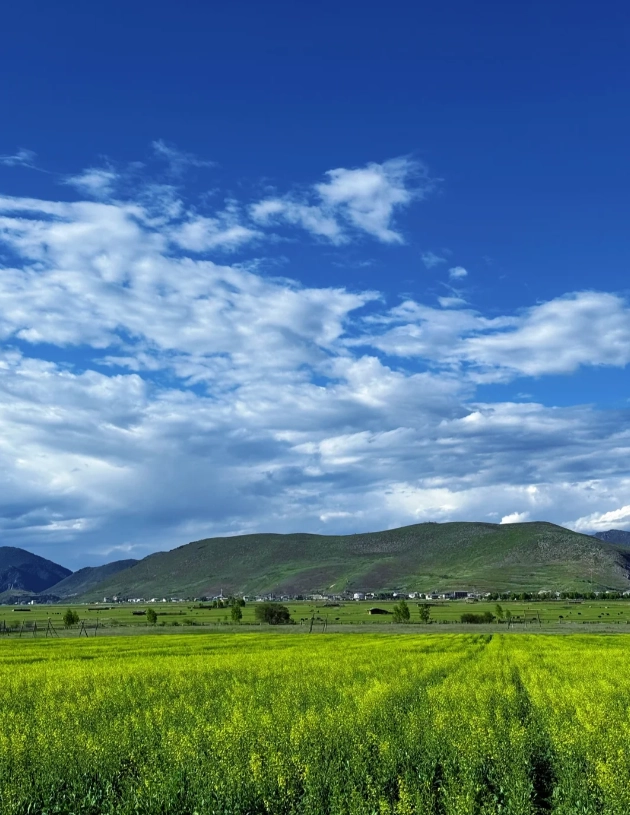
Things to Know Before You Go: Payment, Booking, and More
Let's address the huge information gap that online guides overlook.
- Alipay / WeChat Pay is everything. I've seen international visitors struggle at smaller shops. Even ticket booths at scenic areas accept mobile payments only. If you haven't set it up, link your international card before arriving in China.
- Carry your passport everywhere. You need it for buying attraction tickets and checking into hotels. Keep a photocopy too.
- Most attractions require real-name booking. For foreign tourists, the easiest route is booking on Trip.com or Klook. Alternatively, ask your hotel front desk to book for you – they're used to doing this for foreigners.
- Google won't work without a VPN. Download a reliable VPN before you arrive. Also download the AMap app or use Apple Maps for navigation.
- Learn a few Mandarin phrases or use translation apps. English is rarely spoken outside tourist hubs. The phrase "ting bu dong" (I don't understand) will get you polite smiles.
"Don't be shocked if someone tells you a restaurant is 'closed' even when it's open – it's just that they can't serve your group quickly. Ask for 'mian tiao' (noodles) instead of a big meal; it's faster and you'll enjoy it more."
FAQs: What Travelers Ask Me About Shangri-La
Verified and fact-checked by the editorial team. This content has been fact-checked to ensure informational precision.







No comments yet.