 Tao Xu
Here's your quick guide to navigating this post:
- Why Your Shenzhen Winter Itinerary Needs a Local's Touch
- Shenzhen Winter Itinerary: Day-by-Day Plan
- Where to Stay on Your Shenzhen Winter Itinerary
- What to Eat on Your Shenzhen Winter Itinerary
- Insider Tips to Avoid Winter Itinerary Fails
- FAQs About Your Shenzhen Winter Itinerary
- Final Thoughts: Is a Shenzhen Winter Itinerary Worth It?
Last winter, I watched a British couple stand at a metro ticket machine, fumbling with cash that the machine wouldn't accept. The only sign was in Chinese. They had no WeChat Pay, no Alipay, and no idea that they could just scan a QR code to ride the metro.
That's the reality of traveling in Shenzhen today. But with a little preparation, a Shenzhen winter itinerary can be smooth, affordable, and surprisingly warm.
Here's the truth: winter is actually one of the best times to visit Shenzhen. The heat is gone, the crowds are thinner, and hotel prices drop. But the digital payment system and navigation barriers still trip up most foreigners.
Why Your Shenzhen Winter Itinerary Needs a Local's Eye
The Weather Is Not What You Think
Don't be fooled by Shenzhen's southern location. January can feel chilly, with highs around 18°C and lows dipping below 10°C. But compared to Shanghai or Beijing, it's a tropical paradise in winter. You'll likely see sunny days that are perfect for walking. Still, pack a light jacket, a scarf, and maybe a thermal layer for evenings.
The Payment Trap That Will Ruin Your Day
Most shops, taxis, and even small street vendors rely on mobile payments like Alipay and WeChat Pay. Cash is rarely accepted, and international credit cards are often declined. If you don't have these apps set up before you arrive, you'll be stuck.
My advice: download Alipay and add your international card before you land. WeChat Pay also supports foreign cards, but setup can be trickier. You'll need to verify your passport, so give yourself an hour.
How to Set Up Alipay in Under 10 Minutes
- Download the Alipay app from your app store.
- Register with your international phone number.
- Select 'Add Card' and enter your credit card details.
- Verify your identity with your passport.
- Wait for the verification email or SMS (usually instant).
Navigation Hacks for Foreigners
Here is the catch: Google Maps is unreliable in China. It often shows wrong locations or times. Instead, download Apple Maps or the Amap Global app. Amap Global is an English version of Gaode Map, and it works surprisingly well for driving and walking directions. For metro lines, I still recommend Apple Maps — it's the most accurate for public transit.
Shenzhen Winter Itinerary: Day-by-Day Plan
This is a plan I've fine-tuned after taking dozens of groups through Shenzhen. It balances cultural sights, tech-futurism, and time to breathe.
Day 1: Futian — Green Parks and Local Life
Start your day at Lianhua Hill Park (莲花山公园). It's a huge green space in the middle of the city. The main hill takes 15 minutes to climb, and from the top you get a panoramic view of downtown Shenzhen. The west entrance is less crowded — take metro Line 3 to Lianhua Village station, Exit B, then walk 10 minutes north.
After that, head to Shenzhen Museum (深圳博物馆), just one metro stop away (Children's Palace station). It's free, but you'll need to show your passport and make a reservation via the WeChat mini-program. That's a hassle, but the reception desk staff can help you. The museum covers Shenzhen's transformation from a fishing village to a tech hub — worth an hour.
For lunch, walk to COCO Park, an outdoor mall with dozens of restaurants. I recommend the 'Ding Tai Feng' (鼎泰丰) is too pricey, but there's a good local chain called 'Lǎo Shè' that serves classic Cantonese noodles. Expect to pay around ¥50-80 per person. They do accept Alipay and WeChat, but not foreign cards. So keep your phone ready.
Spend your afternoon at Guan Shanyue Art Museum, just across the street from the Children's Palace. It's a small art museum with rotating exhibitions, mostly modern Chinese art. Admission is free, but you might need to register on-site. If you're not into art, skip it and head to the Shenzhen Library instead — the architecture is stunning, and you can walk along the 'Book City' area.
As evening falls, take metro Line 3 to Futian Station and walk to the Shenzhen Civic Center (市民中心). The lotus-like building is photogenic at sunset. There's also a light show at the Lianhua Hill on certain evenings — check the local schedule, but it's not always on in winter.
For dinner, I always bring my group to a local hotpot spot inside Coco Park's food street. Try the classic Chongqing-style hotpot, but if you can't handle spice, ask for a split pot. The best option is 'Hai Di Lao' (海底捞), which has great service and English menus. Book ahead via their WeChat mini-program — or just go early around 5:30 PM to avoid the queue.
Day 2: Nanshan — Global Culture and Future Tech
This is your theme park day. Two big names dominate: Window of the World (世界之窗) and OCT East (东部华侨城). If you only have one day, go with Window of the World — it has condensed versions of famous landmarks from around the globe. It's kitsch but fun, and winter queues are short.
Get there right at 9 AM when gates open. The adult ticket costs around ¥220 (it often drops to ¥160 on weekdays in winter). You can buy tickets via Trip.com or their official WeChat account — both accept international cards. Bring your passport for entry. The park closes at 10 PM, but the best time for photos is around 4:30 PM when the light turns golden.
Pro tip: if you want to avoid the crowds, skip the 'Bali Island' zone near the entrance. It's always packed. Instead, head straight to the Eiffel Tower replica at the far end — the view back over the park is worth it.
After a half-day of global sightseeing, walk to the OCT Art & Design District (华侨城创意园), just one metro stop away on Line 1 (Emerson Station?). Actually, it's a easier to take the metro from Window of the World station to OCT Station, then walk 15 minutes. The old industrial warehouses have been converted into design studios, cafés, and art galleries. It's a favorite spot for locals to chill on weekends.
Grab a light lunch at 'Old Heaven' bookstore, which also has a café. They make excellent flat whites and have English menu.
In the late afternoon, walk to OCT Bay (欢乐海岸) — it's a waterfront entertainment complex. The sunset view across Shenzhen Bay is stunning. If you're lucky, you'll spot flamingos in the artificial lake. There's a resort casino? No, there isn't — it's just a mall. But I recommend a photo with the giant 'L2' sculpture near the lake.
For dinner, the Shenzhen Bay Park area has several excellent, and affordable seafood restaurants. Try the 'Shenzhen Bay Seafood Street' on Baishi Road. My go-to is 'Lao Guang Zhou Seafood Restaurant' — the crab and shrimp are fresh. Dinner will run you around ¥100 per person.
Day 3: Shekou — Old Streets and New Vibes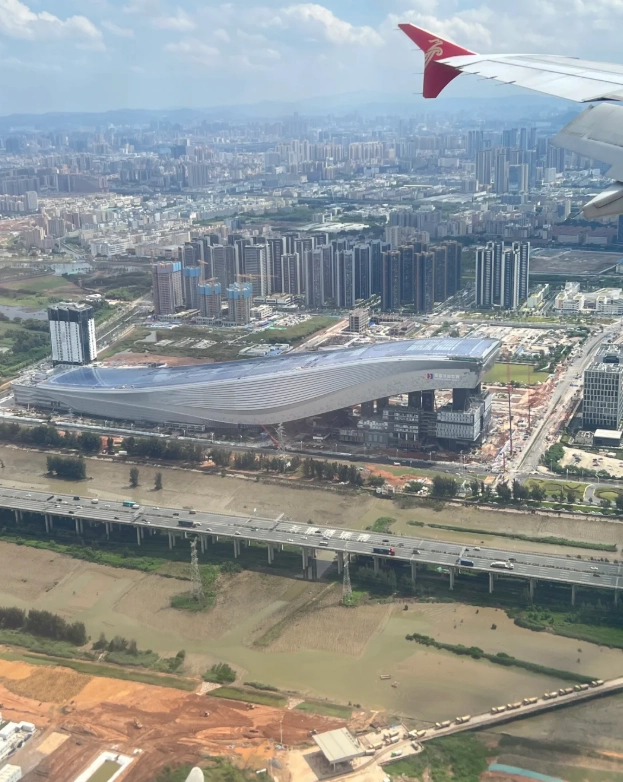
Today, discover the original Shenzhen in Shekou (蛇口). It was one of the first areas to open up to foreign investment, and it still has a distinct maritime charm.
Start at Sea World (海上世界). The famous 'Minghua' ship is docked here, now surrounded by a lively plaza. Entrance is free. Grab a coffee at the nearby Starbucks Sea World and watch the ferries.
Then walk to Shekou Fishing Village, which is only a 20-minute walk away. It's a working fishing village with narrow lanes and fish vendors. It's gritty, but you'll see a side of Shenzhen that most tourists miss. Locals are friendly if you smile.
Mid-morning, hop on bus K204 or take a taxi to Nantou Ancient City (南头古城). This is a restored ancient forts that dates back 1,700 years. It's been gentrified in recent years, with galleries and boutique shops replacing old houses. I think it's worth an hour to wander the maze-like alleys. The free entry is a bonus.
For lunch, duck into 'Gui Wei' Noodle House inside the ancient city. They serve hand-pulled noodles with goji berries and some local twists. I always get the 'beef brisket noodles,' which comes with a rich, peppery broth.
Spend your afternoon at OCT Harbour (欢乐海岸)? No, we already did that. Instead, do the Dasha River Ecological Trail, which runs from Nanshan to the sea. It's a lovely greenway with sections that look like a natural wetland. Bring your binoculars — migratory birds often stop here in winter.
In the evening, take a taxi back to Shekou and enjoy dinner at the Nanshan Cultural & Sports Center area? Or better, head to Sea World Plaza again, which transforms into a vibrant food square. There are dozens of restaurants with international cuisines — I like the Indian place 'Tandoor' for its butter chicken.
Flexible Extras for Bad Weather
If it rains or gets too cold, don't panic. Shenzhen has excellent indoor options:
- CHINA CULTURE SHOW at World Theatre — the 'Window of the World' park has a daily performance called 'Dynasty' at 2 PM. Tickets are separate but you can combine.
- Mangrove Nature Reserve — a popular spot for bird watching, though it's outdoors.
- Indoor ski slopes — at 'Elite Paradise' in Nanshan, you can actually ski. It's a bizarre but fun experience.
- The China Folk Culture Villages — just next to Window of the World, these are covered villages showcasing ethnic minority homes. They're mostly outdoors but some have covered areas.
Where to Stay on Your Shenzhen Winter Itinerary
For a winter itinerary, comfort matters. Look for hotels near Metro Lines 1 or 2 (green and orange) for easy access to attractions. Here's a breakdown of popular choices:
| Hotel Name | Nearest Metro | Est. Price (Winter) | Best For |
|---|---|---|---|
| Wyndham Grand Shenzhen | Line 1 - Coco Park (3 min walk) | ¥500-700/night | Business travelers |
| The Langham Shenzhen | Line 2 - Jiuzhen Station | ¥900-1200/night | Luxury seekers |
| Shenzhen Bay Marriott | Line 2 - Dengliang Station | ¥600-800/night | Sea views |
| Hilton Garden Inn | Line 4 - Shenzhen North | ¥400-550/night | Budget-conscious |
Pro Tip: Always book via Trip.com or Ctrip to get the best rates in winter. Don't rely on hotel walk-in prices — they can be double.
If you're a backpacker, check for capsule hotels in Futian. They cost around ¥120-180/night and are spotless. The 'Youthful' capsule hotel near Huaqiangbei is a solid choice.
What to Eat on Your Shenzhen Winter Itinerary
Winter in Shenzhen means hot pot and seafood. Here are some dishes and spots I recommend on my tours:
Hotpot: The Ultimate Winter Meal
The best hotpot chain is Hai Di Lao, which has English menus and excellent service. They're everywhere — just search for the nearest one on Apple Maps. Expect to pay ¥100-150 per person. Order the 'spicy and tomato' double broth, and don't miss the hand-pulled fresh noodles performance.
Dim Sum: Morning Bites
For a classic Cantonese dim sum breakfast, head to Lin Heung Tea House (莲香楼) in Luohu. It's a traditional teahouse with trolley-style service. Go early — before 10 AM on weekends to avoid a 30-minute wait. Prices are reasonable: ¥30-50 per person. The 'har gow' (shrimp dumplings) and 'siu mai' are my usual picks.
Seafood: Straight from the Bay
Seafood is a must. Baishi Road Seafood Market in Nanshan lets you pick live seafood from tanks, then have it cooked at a neighboring restaurant. The restaurant next door charges a cooking fee of around ¥20 per dish. I always go for the mantis shrimp in garlic sauce. It's a splurge but unforgettable.
Insider Tips to Avoid Winter Itinerary Fails
Booking Tickets in Advance
Most major attractions require a reservation and passport check. You can book through official WeChat mini-programs, but for foreigners, I strongly recommend Trip.com or Klook. These platforms accept international cards and offer instant confirmation. If you run into trouble, just have your hotel concierge log into your account.
Staying Online with a VPN
Download a reliable VPN before landing. Google, WhatsApp, and Instagram are blocked, but your apps will only work if you set up the VPN beforehand. Trust me, you don't want to spend your first hour in the airport figuring this out.
Dealing with Crowds and Peak Times
Even in winter, weekends are crowded. Tuesdays and Wednesdays are the quietest days for theme parks. If you have flexibility, plan your itinerary mid-week. Also, check for special events — during Chinese New Year (late January or February), many attractions are packed and some close early for holiday celebrations. I've had to cancel visits on those days. Always verify dates on the official website.
One thing that drives me crazy as a tour guide: even I can't easily book tickets on WeChat mini-programs. They're always in Chinese and constantly crash. But don't let it ruin your trip — ask your hotel front desk for help, or just pay a little extra for a tour operator.
FAQs About Your Shenzhen Winter Itinerary
Final Thoughts: Is a Shenzhen Winter Itinerary Worth It?
Absolutely — if you prepare digitally. Winter offers comfortable weather and fewer queues. The city itself is a living showcase of China's urban future, and with the right apps, it's easy to navigate. I still remember the first time I brought a group to the Window of the World on a crisp January afternoon — the Eiffel Tower replica looked stunning against the blue sky. That moment is worth all the digital chaos.
So pack a light jacket, install Alipay, and get ready for a winter trip that's anything but cold.





This itinerary nailed the 'without the crowds' promise. We went during a chilly January weekday and had entire alleys to ourselves. The coffee break spot was a warm, dusty little place with jazz playing—exactly the vibe I needed after wandering the old streets. It felt more like visiting a friend's city than sightseeing. Hands down the best winter city break I've taken in a long time.
Finally a guide that doesn't send you to Window of the World! The neighborhood walks were calm, the winter weather made it bearable, and the itinerary even included a little green space that felt like a local secret. I'm usually skeptical of online itineraries, but every map pin dropped correctly and the restaurant suggestions were legit. Already sent this to two friends going to Shenzhen next month.
Used this as a last-minute plan for three days in Shenzhen and it was perfect. Morning hiking on Nanshan with no one around, then warm noodles at a place I never would have found alone. The route felt deceptively simple but everything connected well. Even the occasional overcast sky made the waterfront section moody and beautiful. Can't recommend it enough if you want a chill trip.
Really solid itinerary for a winter weekend. I loved that it avoided the typical skyscraper viewpoints and got me into older neighborhoods. The temple area was peaceful in the crisp air. Only reason not 5 stars: the day 3 plan felt a little thin, and the 'hidden' alley snack spot was just okay compared to the scene around it. Otherwise I’d say it hit the sweet spot—the tips about renting a bike early in the morning were spot on.
I wanted to love this itinerary, but it felt a bit rushed. The first day with the art districts was nice, but the guide didn't mention that a lot of the small galleries close by 5pm in winter, so we arrived just as things were shutting. Also, the directions between the metro stops and the actual food spots were vague—we spent an extra hour wandering around a mall. That said, Lianhua Hill at sunset was quiet and worth the sweaty climb, and the hotpot recommendation saved us. Just update the hours and add clearer maps, please.